Formalities and financing
Which Polish VAT rate applies to roofing materials and roof refurbishment?
In brief
In Poland, the sale of roofing materials on their own generally attracts 23% VAT. When a contractor supplies the materials and renovates the roof as a single service, the nature of the work, the building’s use and its usable floor area also matter. These determine whether the 8% rate is available and how much of the work it can cover. Before choosing a contractor, compare VAT-inclusive prices for the same scope of work and check the building details each bidder used. This guide explains the Polish rules as checked on 1 November 2026.
What VAT applies to the purchase of material alone?
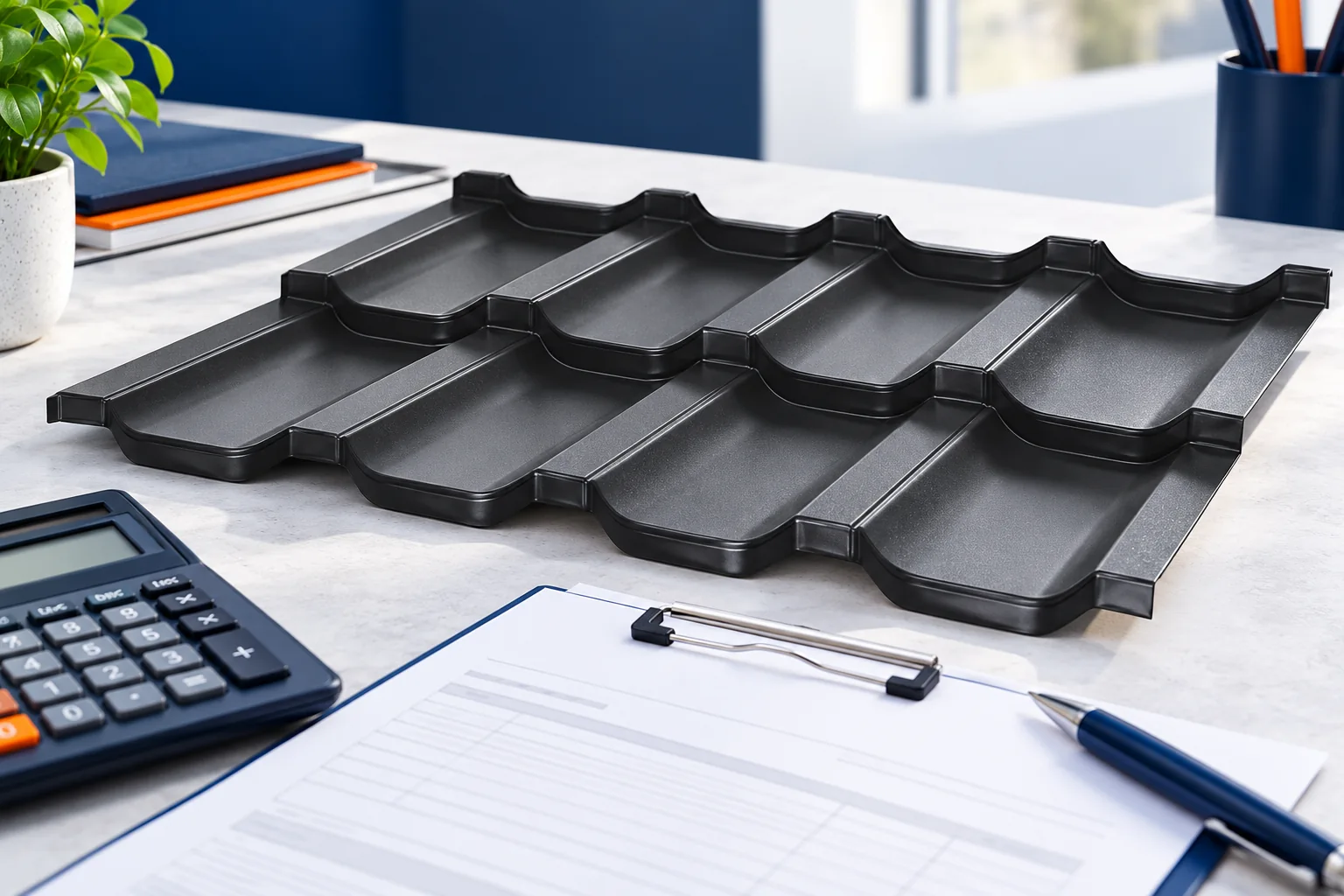
The purchase of T18, T35 sheets, tile-effect metal roofing or sandwich panels as goods is usually subject to the 23% rate. The mere intended use of the material for a house roof does not change this. A private investor buying sheet metal for a renovation also does not automatically receive a reduced rate. The seller should clearly state whether the given price is net or already includes tax.
The distinction matters when comparing Polish roofing quotes. At 23% VAT, a net price of €23.14 becomes €28.46 including VAT. Comparing the net amount with a second quote of €25.46 including VAT would make the first quote look cheaper. Check the unit of sale as well. Even if the tax is correct, prices per square metre of effective cover and per square metre of overall sheet area are calculated on different bases.
When is 8% possible for a roof renovation?
The reduced rate may apply to works specified in the Act concerning relevant residential buildings. This includes, among others, construction, renovation, modernisation, thermal modernisation and reconstruction. The actual service and the building must be assessed. The mere note ‘material with installation’ on an invoice does not create entitlement to 8% when the statutory conditions are not met.
When a contractor carries out a single renovation service with the supply of the necessary materials, the taxation method requires an assessment of the entire supply. It should not be assumed that any delivery can be freely converted into a service by adding installation. What matters is the contract, the scope of responsibility and what the client actually receives. The arrangements should be consistent with the works performed.
How do the floor area limits work?
For a single-family residential building the limit is 300 m² of usable floor area. For a residential unit it is 150 m². These are limits from VAT regulations, not the roof surface area. A house with a 320 m² roof does not automatically exceed the limit for the building for this reason. The correct usable floor area of the property must be determined.
Once the limit is exceeded, the reduced rate does not cover the entire tax base. It is applied proportionally to the share of the area within the limit. For example, for a qualifying service concerning a house with a usable floor area of 400 m², the share 300/400 is 75%. This shows the mechanism of proportion. It does not yet determine the rate for a specific, differently classified service.

Do garages, workshops and halls follow the same rules?
Not every structure next to a house is a residential building covered by the preference. A detached garage, workshop and warehouse require separate assessment. Purchase by a private individual does not change the purpose of a hall to residential. Also, a sandwich panel used on a building wall does not have its own preferential rate merely because it improves its thermal insulation.
For a mixed-use property, the scope of works and the correct classification of the building or its part may matter. It is not worth transferring the rules from a neighbour’s house renovation to your own project without checking the documents. In a more difficult case, the contractor should clarify the basis for the rate applied with their tax adviser. The cost estimate can then be based on specific assumptions.
What should be included in the quotes being compared?
Ask for a description of the works, a list of the main materials and the final gross amount. The VAT rate or rates applied should be visible. Establish whether the price includes dismantling, transport, flashings and waste disposal. A separate quote for the steel sheet alone is not a direct equivalent of a renovation with materials. A different tax may be only one of several differences.
Before signing the contract, it is worth determining which documents confirm the type of property and the usable floor area. Do not make a declaration about the building’s parameters from memory. An error may mean an adjustment to the settlement. Also establish whether the contractual price is a fixed gross amount or a net amount increased by tax. This affects the consequences of any change in the rate at settlement.
How can you avoid being misled by apparent savings?
A lower rate does not always mean the cheapest final quote. Compare the price for the same scope, the same material quality and similar execution conditions. A cheaper service may omit substrate repair, new flashings or protection of the building. Ask about these items independently of VAT. Only the full amount shows what the roof will actually cost.
The rules described here correspond to the status verified on 1 November 2026. For an order settled later, the current regulations and the conditions of the specific service should be confirmed. A good quote explains the rate directly. A promise of “8% on everything” without questions about the property and the scope of works should prompt a careful check of the calculation before signing the contract.
7 branches. Materials closer to your project.