Profiles and steel structures
Z275 and other coatings for galvanised profiles. What should a buyer check?
In brief
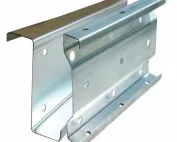
A coating is often described in a quote with a single abbreviation. Behind that abbreviation, however, lie specific material properties and the principles for assessing them. When buying galvanised profiles, it is worth distinguishing the type of protection from the steel grade and thickness. These are separate parameters. A Z-profile, C-profile, sigma or omega may have the correct shape and yet not meet the requirements of the environment in which it is to work. The Z designation indicates a zinc coating. The number 275 refers to a specific required coating mass per surface area of the sheet, calculated for both sides together. It should not be interpreted as 275 micrometres, nor should this mass be attributed to each side separately. This is a common error when comparing quote descriptions.
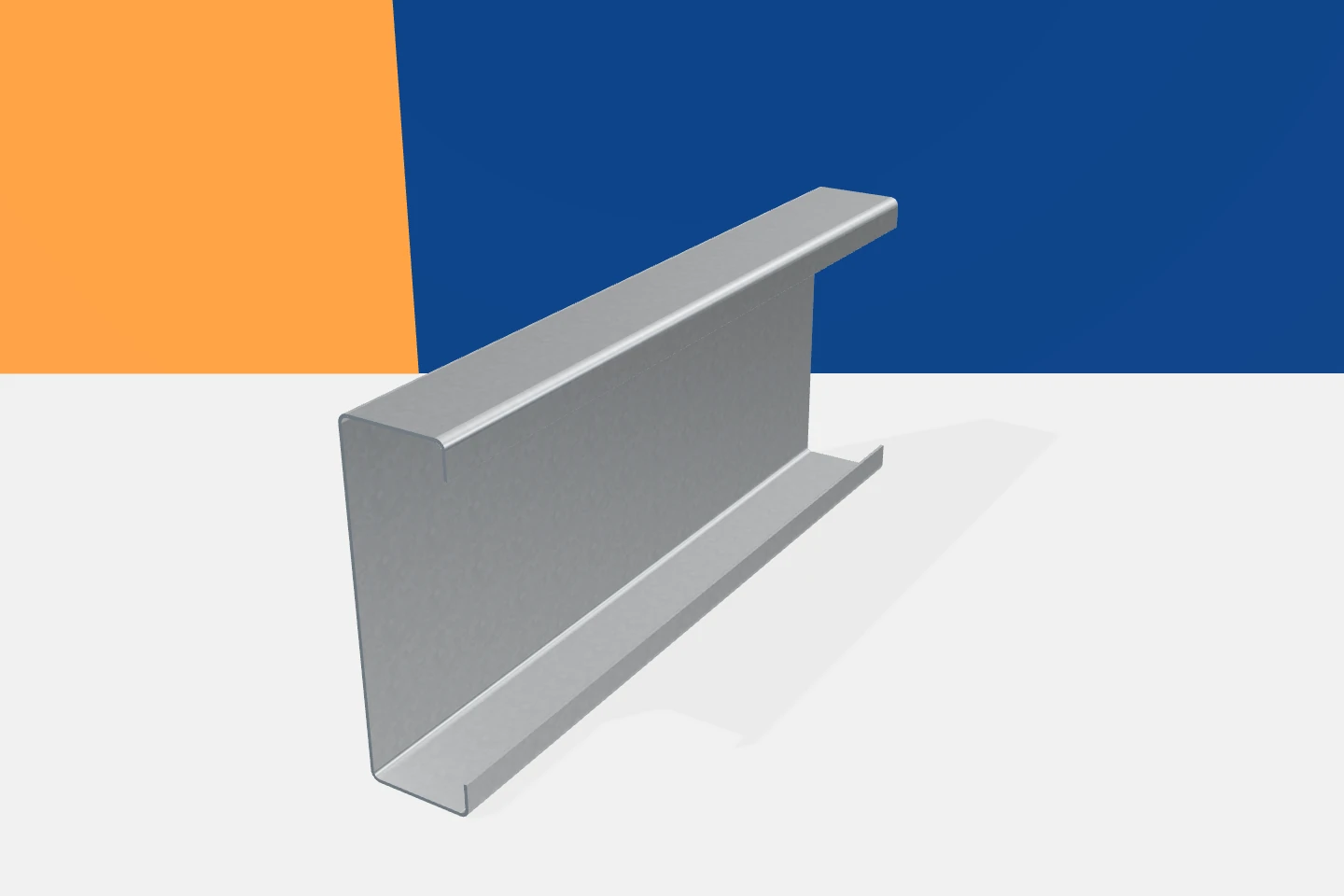
The Z275 designation is not a thickness in micrometres
The exact requirements and the method of assessment must be read from the material documentation. They cannot be replaced by a simple visual inspection of the surface. Coatings of different masses can be difficult to distinguish in a photograph. Batch identification and confirmed markings are therefore of greater value than a photograph of shiny steel alone.
Z and ZM do not describe the same composition
In addition to zinc coatings, zinc-aluminium-magnesium coatings are also used. They are a different material solution. Their properties depend on the specific product and operating conditions. Not all symbols should be placed in a single ranking solely by the number in the designation.
A reliable comparison requires a common environment and durability requirements. Documentation, the manufacturer’s recommendations and application details must be taken into account. A coating advantageous for one task is not necessarily required in another. Selection does not consist of choosing the most impressive abbreviation in the price list.
The protection technology matters
Some profiles are made from strip coated before forming. Solutions in which the finished element is protected are also possible. It is worth knowing which process the offer covers. The difference can matter for processing zones, openings and how the entire product is prepared.
If the project provides for additional surface finishing, its compatibility with the substrate must be specified. It is not enough to add any painting after delivery. Surface preparation and the complete protection system should be agreed. Cold-formed profiles should be treated as a product with described properties, also after any processing.
The environment must be described specifically
The term “for a hall” is too broad to assess corrosion exposure. Humidity, condensation, temperature and the presence of aggressive substances are significant. Conditions differ between a dry warehouse and a part of the building subject to frequent washing. External exposure may also matter.
It is worth identifying difficult locations, not only average conditions in the building. Where there is leakage or poorly resolved drainage, the local zone may remain wet. In such a case, even a correctly selected material performs differently from what was assumed. The coating and the construction detail should be assessed together.

Steel grade is separate information
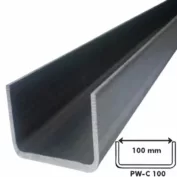
Surface protection does not determine the load-bearing capacity of the profile. Material grade, thickness and full geometry are needed for selection. C-sections, Z-sections and sigma profiles are checked for actual loads and supports. Omegas also require assessment in line with their function in the substructure.
One should not agree to a change of grade merely because the same galvanising has been retained. Likewise, a thicker coating does not replace the required thickness of the steel substrate. Each parameter has a separate task. Price becomes comparable only when these tasks and requirements are identical.
Delivery and installation can change the surface condition
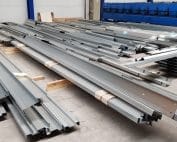
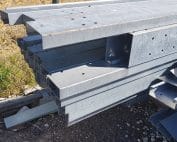
Long-term dampness of the pack, swarf and mechanical damage require attention. Galvanised profiles should be stored in accordance with the recommendations. Moisture trapped between adjoining surfaces is not without effect. In the event of a problem, the correct procedure must be established before installing the components.
Cutting, drilling and any welding should be anticipated in the execution documentation. The coating may require assessment or repair after such work. Not every paint product is suitable for restoring the adopted protection. For this reason, ready lengths and prepared holes also matter for the organisation of quality control.
The coating symbol should not be converted into a specific number of years of durability without exposure data. Local conditions and the way details are executed affect the wear of the protection. The information given in the manufacturer’s materials may relate to a specific environment and assumptions. This context must be read before it is used in a purchasing decision.
How to compare two offers?
Check the identity of the cross-section, the steel substrate, the grade and the coating. Then establish the scope of processing and documents. Ask about conditions of use, limitations and installation requirements. A commercial guarantee, if offered, should be read together with its conditions and not treated as a replacement for the specification.
Zinc does not by itself give the profile fire resistance and does not remove the need for operational inspection. It provides a defined protective function. Well-described galvanised profiles can therefore be selected consciously. The buyer pays for a solution that meets the need, instead of comparing designations alone without context.
7 branches. Materials closer to your project.