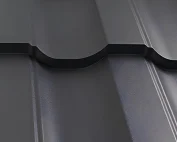
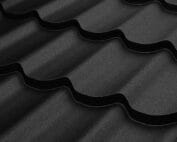
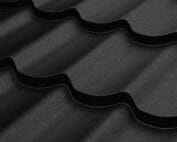
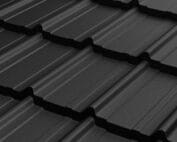
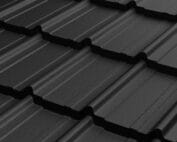
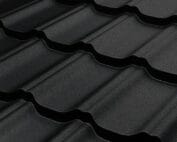
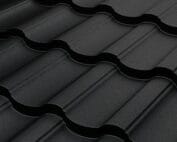
Choosing the covering
Tile-effect metal sheets or concrete roof tiles? Comparing cost and weight
In brief
Choose the covering based on the permissible load on the roof structure and the actual scope of work, not just the price per metre of material. Check whether the structure can carry the weight of concrete tiles, especially during renovation, where existing sheet metal does not guarantee a reserve. Compare the mass of the finished covering surface, the fixing method, waste and accessories. In the contractor’s offer, look at demolition, roof structure repairs, battens, flashings and transport. In strong winds, the complete fixing system matters, not weight alone. Leave the final choice to the designer, as roof geometry and timber condition are decisive.
What follows from the difference in weight?
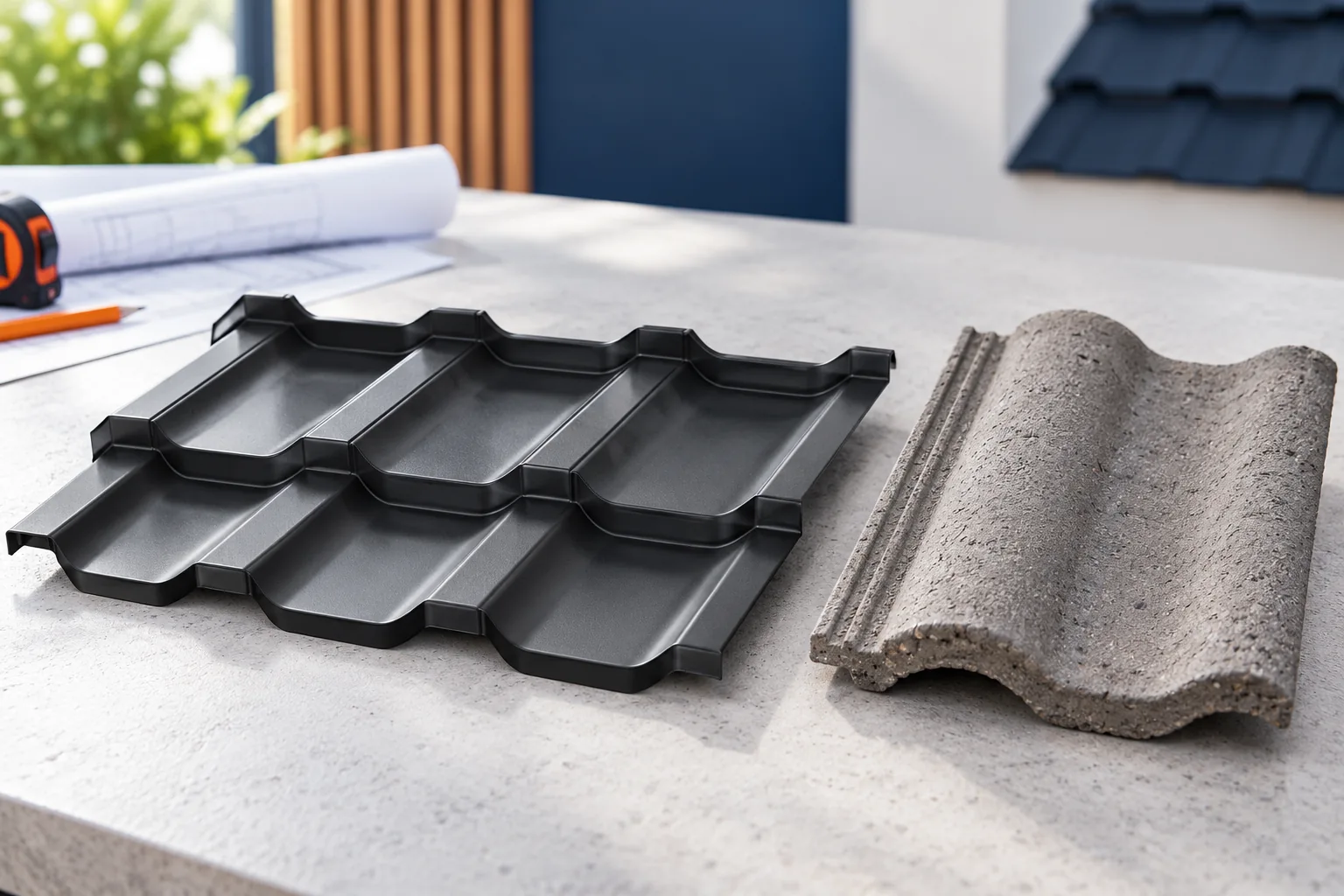
The weight of the covering is a permanent load on the roof structure and on further parts of the building. Therefore, when renovating, lightweight steel sheet should not be replaced with concrete tiles without assessing the structure. The condition of the timber and the connections also matters. The fact that a roof has carried the existing material for years does not confirm that there is reserve capacity for a significantly greater weight.
In the data sheet for tile-effect metal roofing, a weight in the order of a few kilograms per square metre can be found. Concrete tiles give a significantly heavier covering, but the exact result depends on the model and the number of pieces per metre. Compare data for the finished covering surface. The roof load also includes battens, insulation, built-in elements and the remaining layers.
Is a lightweight roof worse in strong wind?
Resistance is not determined by the weight of the material alone. The covering must transfer forces through the fastenings to the substructure and the structure. Steel sheet has a defined arrangement of connectors, while tiles require fixing in accordance with the design and the instructions. The method of securing edges, corners and the vicinity of openings may differ from that of the middle of the roof slope.
Heavier elements do not provide a basis for omitting fastenings. Likewise, lightweight steel sheet should not be screwed down according to a single, arbitrary number of screws per metre. The location of the building, its height and its geometry are important. When choosing a material, ask about the complete method of fixing, not only about the weight of the delivered pallet.
How does the roof shape change the material cost?
On a simple roof slope, long sheets cut to size can reduce the number of transverse laps. On a roof with many roof valleys, they require cutting. The small modules of tile-effect metal roofing make it easier to plan the elements, but they also create waste. Not every cut-off piece can be turned and used elsewhere while maintaining a correct lap.
Concrete tiles are laid individually, which gives a different way of adapting to edges and details. The price is influenced by edge elements, ridge tiles and installation penetrations. For a fair comparison, both variants should have the same finish for roof valleys, the ridge and chimneys. A comparison of the price of the basic elements alone omits a significant part of the roof.

What should be compared in a contractor’s quote?
Ask for separate items for demolition, structural repairs, the substructure and the covering. Indicate flashings, drainage, ventilation and snow guards. Add transport and the equipment needed to deliver the material onto the roof. When one quote covers these works and the other ends with laying the covering, the difference in totals does not show the real saving.
Also record how offcuts and work revealed after removing the old layer will be settled. In a renovation, the condition of the substrate is only partly known. The cost estimate should clearly state what requires an additional decision. Agree whether the amounts given are net or gross and exactly what scope of materials the quote covers.
Comparing labour makes sense with the same site organisation. Different access, no space for pallets or the need to phase the work can change the price of both options. Also establish who is responsible for storing material and protecting the exposed roof area during breaks.
How to assess appearance, noise and comfort?
Concrete tiles and profiled steel sheet have a different edge thickness and surface pattern. Look at a larger section of the covering in daylight. On a house with a simple form, differences in sheen and roof division are often more visible than on a roof with numerous details. Compare the sample with the façade and joinery.
Quiet in the attic depends on the entire building envelope. Changing the sheet to a heavier covering alone does not eliminate problems with a leaky construction or poorly executed acoustic insulation. Compare the roof layers, the windows and how they connect to the rooms. Similarly, thermal comfort depends primarily on insulation, airtightness and protection against overheating.
Which variant to choose for a specific house?
Tile-effect metal roofing is worth considering where the permissible weight is limited and the material needs to be handled conveniently. Concrete tiles may suit the desired appearance and a design that allows for their mass. No material should be chosen outside its slope range and substrate requirements simply because it is available more cheaply.
Prepare two quotes for identical geometry and the same details. Include an assessment of the roof structure, samples and the maintenance conditions for the covering. In this way, cost and weight become measurable criteria. The decision will be better if it also takes into account repair options, roof access and the planned use of the attic.
7 branches. Materials closer to your project.