Installation and workmanship
How to assess a roofer before hiring one
In brief
A good roofer can explain how they will resolve difficult areas on the roof and prices a specific scope of works. They work according to the documentation for the chosen covering, check the substrate and plan protective measures. Photos of finished houses alone are not enough for assessment. It is worth asking about flashings, ventilation, acceptance of covered layers and the rules for settling additional works. The way these answers are given says a lot about the quality of the collaboration. Experience with one material does not automatically mean knowledge of every system. Modular tile-effect metal roofing, long sheet metal cut to size and insulated sandwich roof panels have different details. Ask for a description of similar projects. Work of a comparable degree of difficulty says the most, not just the number of years in business.
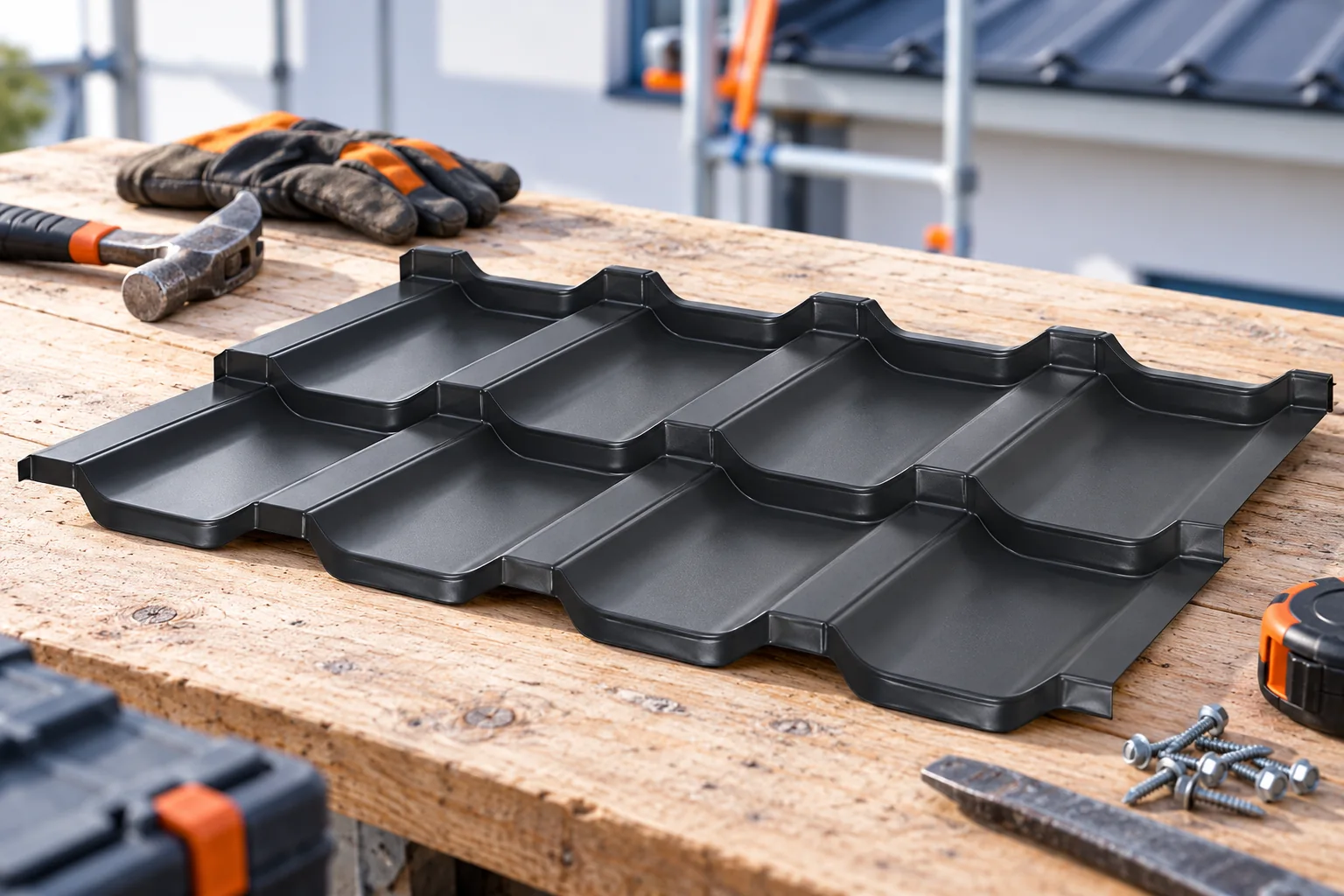
Does the contractor know the chosen type of covering?
Experience with one material does not automatically mean knowledge of every system. Modular tile-effect metal roofing, long sheet cut to size and insulated sandwich roof panels have different details. Ask for a description of similar projects. Work of comparable difficulty says the most, not the number of years in business alone.
Ask which installation instructions the team will use. A reliable contractor will establish the profile model, the pitch and the fixing method before going on the roof. They do not have to know every figure by heart. They should, however, know where to check it and why parameters must not be transferred from another covering.
A useful question is how the sheet will be cut. It should correspond to approved tools for cold working. If the contractor plays down swarf, overheating of the coating or the need to remove contamination, it is worth checking their methods more closely. Such mistakes may not be visible during the first viewing of a new roof.
How to talk about difficult details?
Choose two or three locations from your own project: the chimney, the roof valley and the eaves. Ask them to explain where the water will drain and how ventilation will be maintained. The answer should concern the construction of the detail. A general assurance that everything will be “sealed well” does not show how the problem will be solved.
A specialist should distinguish rainwater from moisture condensing under the sheet. They should also check the condition of the underlay. Adding sealant to every joint alone is not a universal method. In some places, closing the gap may hinder the necessary airflow.
During renovation, willingness to assess what will be uncovered is important. A good contractor does not promise without inspection that the old battens and the entire roof structure will certainly be reusable. They propose a method of checking and rules for proceeding in the event of damage. Serious structural issues are passed to a person authorised to assess them.
What should a written quote contain?
A description of materials, scope of work and method of measurement is needed. Demolition, installation of the substructure, covering, flashings and drainage should be listed separately. The quote should state who provides transport, unloading and equipment. This allows two quotes to be compared without guessing what each includes.
The contract should clarify deadlines, payments and the reporting of additional work. It is good to establish how uncovered damage is documented and who approves the cost of repair. This matters especially with old roofs. Reasonable rules protect both parties from a dispute over arrangements made only by phone.
Also ask about completion documents and liability for the works. Material warranty terms do not replace liability for its installation. It is worth knowing the contractor’s details, how defects are reported and the scope of insurance cover, if provided. A mere statement of a long warranty without its content gives little information.

How can you recognise good site organisation?
The team should have a plan for safe access to the roof, edge protection and the zone below. Protective equipment requires correct use. A harness alone is not enough without a suitable system and anchor point. It is worth asking about protection for people passing by the house and about measures when the weather changes.
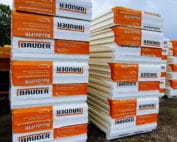
The way the packs are stored also matters. The sheet should not lie randomly in wet packaging. Long sheets require proper handling, and the finished coating requires protection against damage. Tidiness at the cutting station makes it easier to remove swarf and reduces the risk of it being transferred to freshly laid material.
When replacing the covering, protection of the interior against precipitation must be planned. The size of the opened roof section should match the protection options. A reliable contractor allows for the time needed to prepare the substrate. They do not assume that every exposed area can be closed immediately without additional work.
How can you check quality before final payment?
Agree on an inspection of the layers that will later be covered. This applies among other things to the substrate, the underlay and parts of the fixings. Once all the sheet is installed, not everything will be accessible. Photos taken during the works are useful, but they should show specific locations and the condition before they are covered.
At acceptance, the details, water drainage, ventilation flow and absence of coating damage are checked. It is worth recording any defects noticed together with the deadline for their removal. The mere sight of an even roof slope from the street does not confirm that all connections are correct. In case of doubt, an assessment can be commissioned from an independent person with appropriate experience.
A good tradesperson does not have to promise the shortest deadline or the lowest price. They should clearly state what they will do, what the result depends on and what information is still needed. A transparent conversation about limitations often gives more confidence than a firm assurance that every problem can be solved on the roof itself.
7 branches. Materials closer to your project.