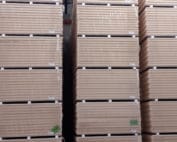
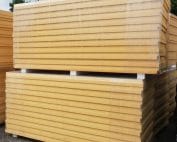
Insulation and PIR
Where does damp on a north-facing wall come from and where should you start with the repair?
In brief
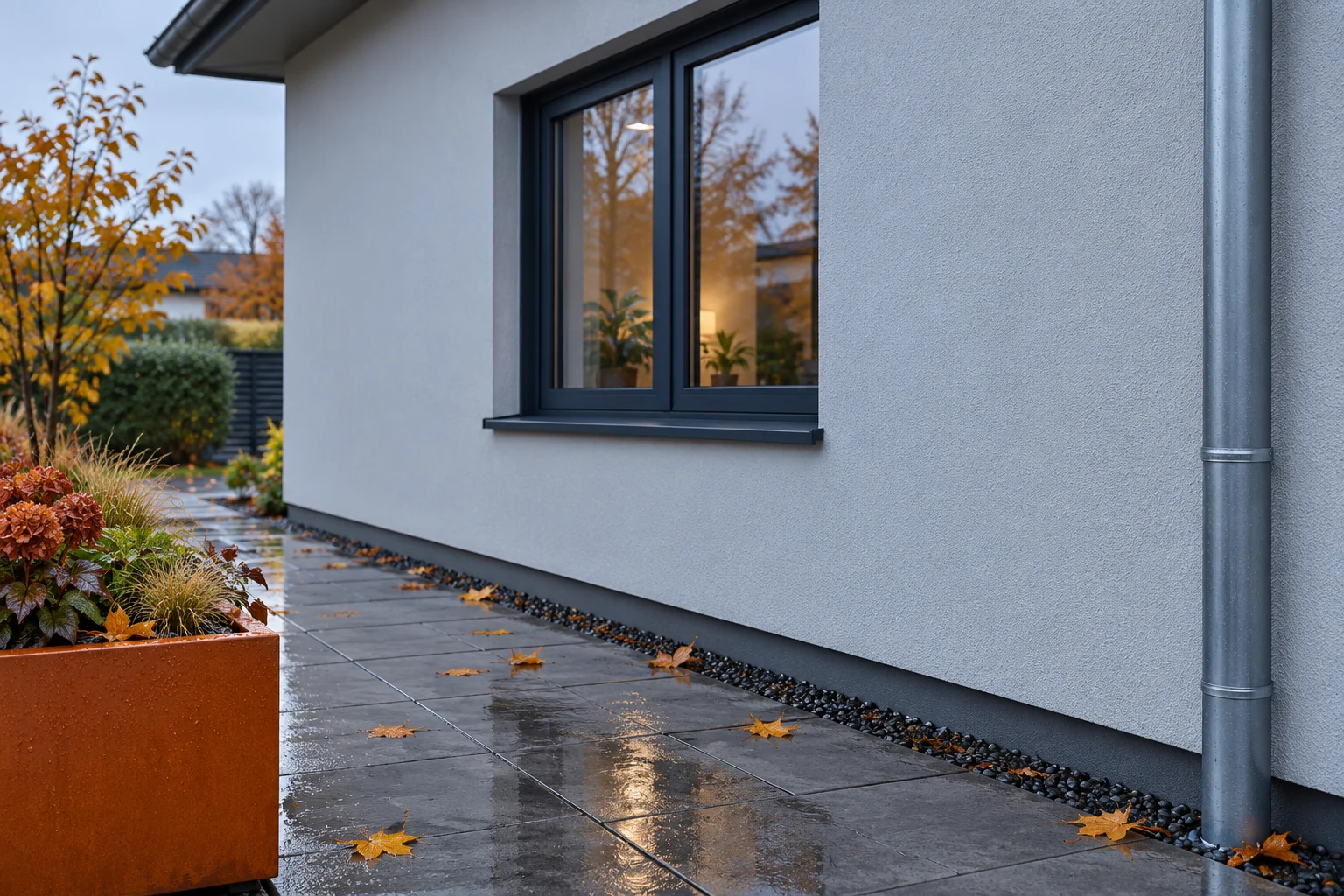
A north-facing wall tends to be cooler and dries more slowly after rain. Orientation alone does not explain every patch, however. The cause may be a leak, moisture from the ground or condensation of vapour from inside the room. Before you cover the wall with insulation, establish where the water is coming from. This determines whether a repair makes sense and in what order it should be done. Mark the boundaries of the damp and note when you notice them. A patch under a window sill after heavy rain points to different places than a damp corner during frost. The link with the weather is a clue, not a final diagnosis. Water can move within the layers and show up far from where it enters.
What does the location and timing of the patch tell you?
Inspect the façade, flashings, gutter and the area around the window. At floor level, also check the condition of the zone near the ground. Do not start by painting the whole surface. New paint can make observation harder without removing the cause. It is worth keeping dated photographs and basic measurements.
When is the problem a cold surface?
Water vapour can condense when a surface is too cool relative to the air conditions in the room. The corner, the reveal and the strip at the ceiling often differ from the middle of the wall. A temperature reading at one convenient point therefore does not describe the whole room.
Check the air humidity and the way the room is heated. Long pauses in heating and drying laundry can worsen the conditions. It is worth measuring over a period of time, not just for a few minutes after opening a window. Without this, a temporarily low reading is easily taken as proof that there is no problem.
Why can a wardrobe against the wall change the situation?
A large piece of furniture restricts air flow at the surface. In a concealed spot it may be cooler than nearby. If stains appear only behind the wardrobe, it is worth checking that area after moving it away. This does not yet mean that changing the position alone will remedy the building defect.
Also compare the corner with the adjoining wall and the ceiling. In a small room, the arrangement of fitted furniture often leaves little space for circulation. The plan for future insulation should take into account how the interior is used. The insulation has to work in the real arrangement, not only in an empty unit.
What should be repaired before insulating?
An active leak must be eliminated at its source. A damaged parapet joint or a leaking downpipe will not be repaired by adding a board. For moisture from the ground, an assessment of the appropriate insulation and drainage conditions is needed. These causes require a different scope of work.
Check the condition of the plaster and masonry and the possibility of drying out. Covering a wet surface with a sealed layer can hinder this process. Finishing work is planned after the cause has been identified and eliminated. If the diagnosis is unclear, an assessment by a person dealing with building diagnostics is needed.

Is internal insulation a good solution?
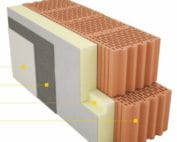
It may improve the surface temperature on the room side, but at the same time it changes the conditions of the old masonry. It usually becomes cooler. Therefore, the vapour flow, the tightness of the joints and the ability of the component to dry out must be checked. A good U-value alone does not conclude this assessment.
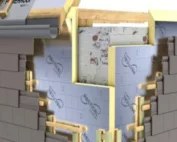
The metallised facing of the PIR board will not ensure tightness at open joints. Solutions are needed at the floor, ceiling and window. In a difficult arrangement, the analysis should also take into account moisture transported by means other than vapour diffusion. The board is selected after assessing the wall.
How do you check ventilation after a renovation?
Determine the path of air supply and removal. Tighter windows and built-in furniture can change a previously functioning system. Do not cover ventilation openings in the name of reducing heat loss. Moisture generated during everyday use must be removed from the room.
After renovation, monitor humidity and difficult corners in the cooler period. A wall that is dry once in summer does not prove correct operation in winter. Do not base the assessment solely on smell or the appearance of the paint. Comparable measurements and a record of heating conditions are helpful.
How do you avoid paying twice for the same wall?
Divide the order into identifying the cause, repair and only then finishing. The quote should clearly state what the given contractor intends to eliminate. The general slogan “mould removal and insulation” does not describe the tightness of the parapet or the insulation at ground level.
Do not treat surface cleaning as confirmation of a dry cross-section. If the stains return, you must return to the diagnosis. A well-planned repair also includes acceptance of the details and the method of further observation. This allows its effect to be assessed before the problem hides behind the furniture again.
Questions before ordering
Does every north-facing elevation require additional insulation?
No. The decision depends on the wall construction, thermal conditions and the cause of the moisture. First, it should be checked whether there is a leak or another water ingress.
Will PIR board remove the stains without repairing the substrate?
It is not a way to remove the source of dampness. Covering the wall can make assessment and drying more difficult, so the cause must be resolved first.
7 branches. Materials closer to your project.