Choosing the covering
Cut-to-length sheets or modular metal roof tiles for your roof?
In brief
The format of the roofing sheet should be matched to the specific roof, not to a general rule. First check whether the slopes are simple and even, or rather full of valleys, dormers and short sections, as this determines the number of cuts and joints. The second step is delivery conditions: a long sheet needs space for unloading and lifting onto the roof, while modules are easier to distribute and store. Compare the cutting plan, transport, accessories and labour for the whole roof, not the price per piece.
What exactly is ordered in each variant?
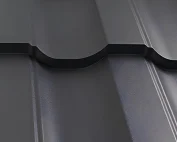
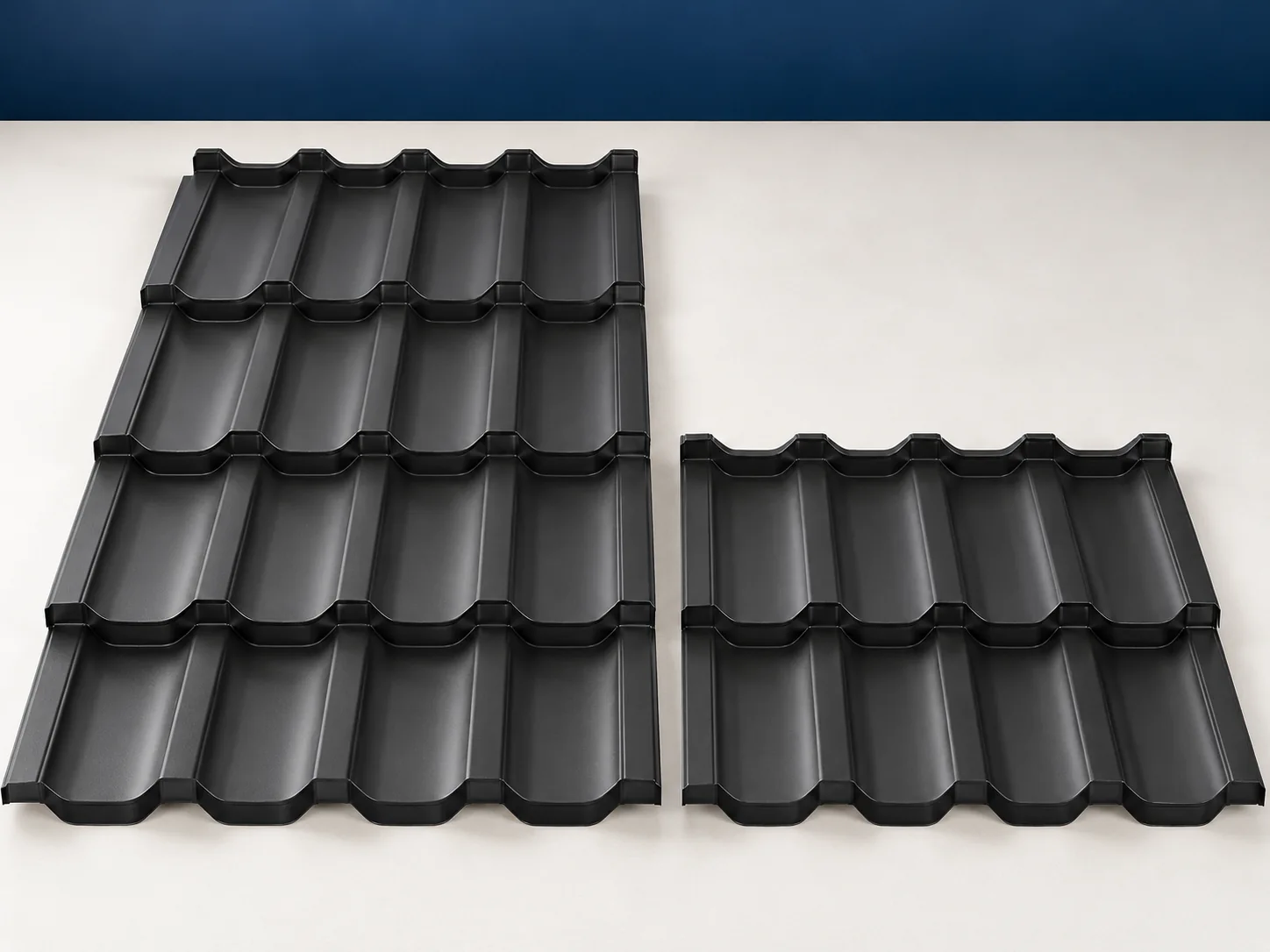
Cut-to-length tile-effect metal roofing is prepared in lengths tailored to the order, within the limits of the given profile. The width and the rhythm of the pressings remain fixed for the product. It is therefore not arbitrary sheet metal made to any dimension. The lengths must be agreed with the run of the roof slope, the overlaps and the installation rules.
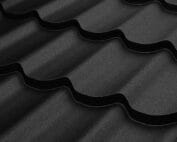
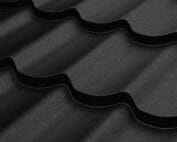
The modules have a repeatable, smaller format. The number of pieces is calculated according to the effective area and the laying plan. The total area of the element is greater than its share in the finished covering. Therefore, the price per piece without information on the effective coverage says little. When comparing both options, the same unit of finished roof area must be used.
When do longer sheets have the advantage?
On a simple roof, long sheets allow the number of transverse joints to be reduced. With good measurement, a large, even roof slope can be covered efficiently. However, the actual dimensions and the rectangularity of the roof are important. If the order is created only from the project plan, differences on site may necessitate additional cutting or a change in the sequence of work.
The format must also be adapted to transport and handling capabilities. A long, thin sheet requires support during unloading and feeding onto the roof. Excessive deflection can leave permanent deformation. A tall building, narrow access or trees near the eaves can limit the benefit of length. These conditions should be checked before approving the cutting plan.
In which situation are modules convenient?
Small elements are easier to distribute among individual roof slopes and deliver to the workplace. This gives freedom with roof valleys, dormers and short roof sections. The module can also be stored more easily in limited space. However, this does not release you from checking moisture in the pack or from careful handling of the coating.
On a roof with complex geometry, modules can reduce some of the losses, but the result depends on the specific pattern. Not every cut-off fragment fits on the opposite side of the roof slope. The direction of the overlaps and the arrangement of the pressings are important. Before accepting material savings, ask for a layout plan. A general slogan about waste-free installation does not replace drawing out the covering.

Is the installation method the same?
Both formats require a substructure adapted to the module of the pressings. The laying sequence, the joint locations and the start details at the eaves may differ. The team should work with the instructions for the specific model. Familiarity with another tile-effect metal roofing product is not always sufficient. A small difference in geometry can change the way the overlap is made.
In both cases, the first elements must be correctly aligned and the course of the rows monitored. An error at the start can grow over the rest of the roof slope. The covering should not be straightened by over-tightening the screws. Sheets and modules should follow the geometry. Forcing a joint risks deformation and reduced tightness.
How do you calculate the cost of the whole option?
Add waste, flashings, screws, delivery and labour to the price of the covering. Establish whether the quote covers all elements needed for the chosen profile. A module with an attractive price per piece may have a smaller coverage area than you expect. A cut sheet, in turn, may require more expensive unloading arrangements. Both items must be included in the same comparison.
Do not mix the comparison of format with the comparison of coating quality. A modular version with a different finish is not a straightforward equivalent of the cheapest cut-to-length sheet. It is good to compare a similar steel core thickness, the scope of protection and the warranty conditions. Then it is easier to see what part of the price difference actually results from the length and method of laying the elements.
What about later repairs and material availability?
A smaller element may facilitate local replacement, but the method of removal depends on the connections with adjacent modules. Not every piece can be removed without dismantling part of the covering. Long sheets can also be replaced, but this requires suitable access and handling of the material. It is worth keeping the product markings, colour and installation documentation.
The choice is best made after comparing two drawn variants for the same roof. On a simple roof slope, cut tile-effect metal roofing may be practical and economical. With many details, modules may offer convenience. A good format is one that suits the geometry, logistics and skills of the team, not the one that appears more often in advertisements.
7 branches. Materials closer to your project.