Choosing the covering
Four things to check before ordering tile-effect metal roofing
In brief
Start with the pitch, batten spacing and details at valleys, roof windows and chimneys. A tile-effect sheet has a minimum pitch specific to its profile. Check how the detail works across the entire roof, particularly where several slopes meet. The existing battens may be at the wrong centres for the steps pressed into a new sheet. Use the installation instructions to establish the required spacing and allow for any alterations in the estimate. When replacing a covering, check the condition of the rafters even if the new sheets are light.
1. Does the chosen profile suit the roof?
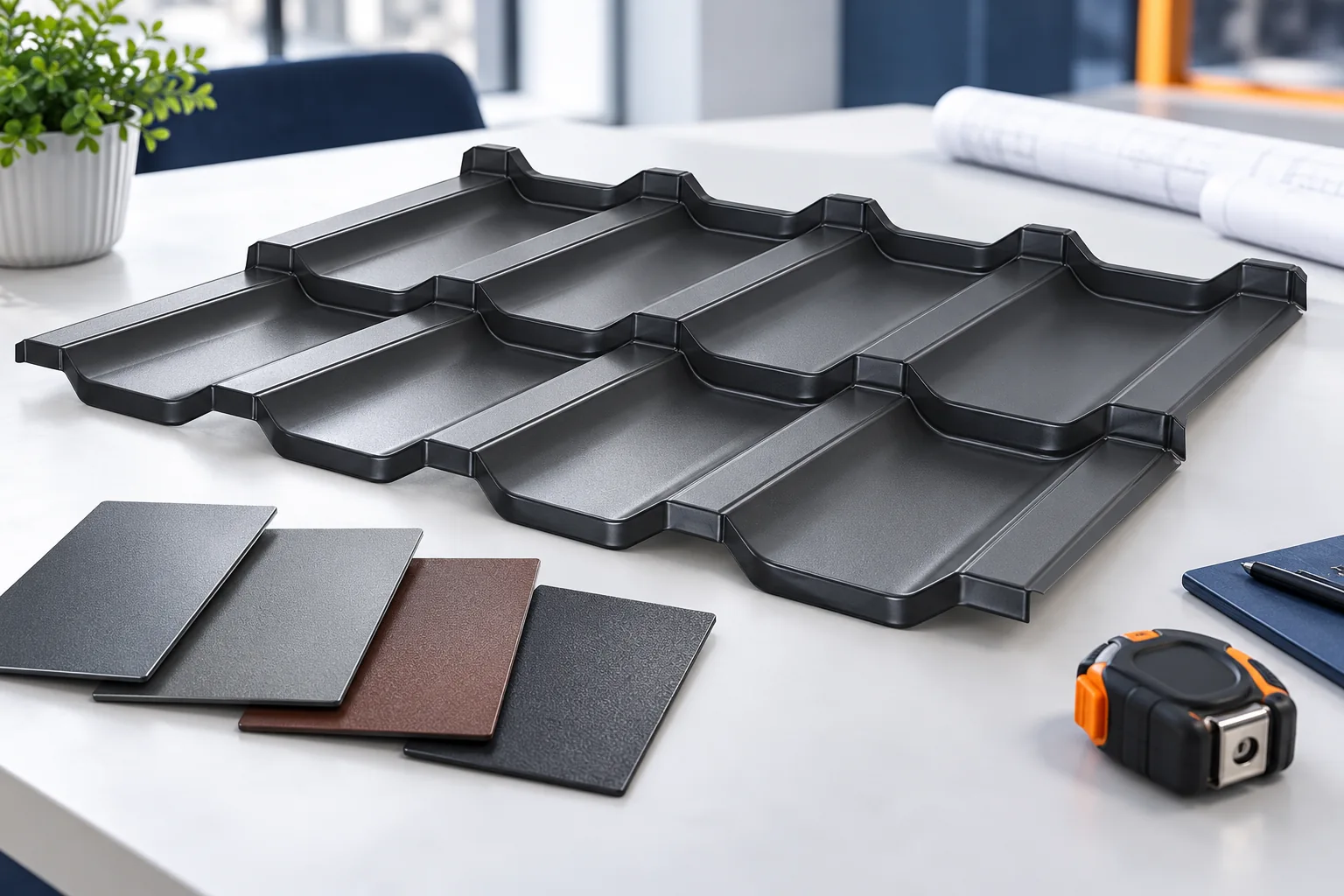
Start with the pitch, the dimensions of the roof slopes and the arrangement of the supports. The minimum pitch is a characteristic of the specific product. You should not assume a single value for all tile-effect metal roofing. The details at roof valleys, windows and chimneys also matter. A roof with a complex geometry requires the whole solution to be checked, not just a flat section of the covering.
The batten grid should match the rhythm of the profiles and the installation instructions. The old batten spacing does not have to suit the new model. If the choice requires modification of the substrate, this must be included in the cost estimate. When renovating, it is also worth assessing the structure. The low weight of the steel sheet does not remove the problem of weakened rafters or an uneven supporting surface.
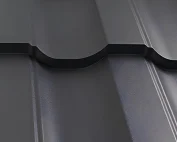
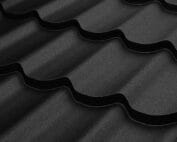
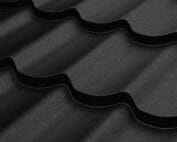
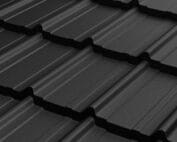
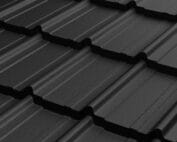
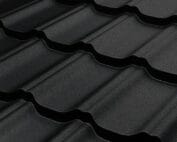
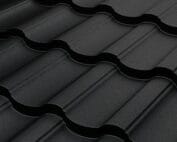
Only among compliant solutions should you compare the shape of the profile. Strong profiles and a calmer pattern look different on a large roof slope. It is a good idea to view a sample at an angle close to the roof pitch. A catalogue photo may not show the shadows and reflections that will determine the final effect on a specific building.
2. Which format will make installing the covering easier?
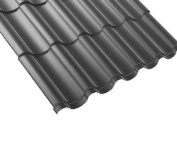
Tile-effect metal roofing cut to size allows lengths to be matched to the roof slopes. On a simple roof it can reduce the number of transverse joints. However, it requires accurate measurement, space for unloading and careful handling. A long sheet is easily deformed if it is poorly supported. Therefore the length should correspond not only to the geometry but also to the conditions on site.
The modules are smaller and more convenient where there are numerous cuts. They facilitate the division of work and storage, but they do not guarantee the absence of waste. The direction of the laps and the shape of the element can limit the use of cut-off pieces. It is best to compare the cutting layout of both variants. The roof area alone does not show how much material needs to be ordered.
Also ask how shortages are to be replenished. A standard module can simplify ordering additional pieces, but the match of shade and coating still matters. With cut-to-size material, exact lengths will be needed. Keeping the product and delivery markings makes later repairs easier and helps clarify differences between the quote and the goods received.

3. Does the coating match the environmental conditions?
The coating is selected according to moisture, sunlight and contamination. Colour and gloss do not describe the whole protection. Ask for the finish data and the conditions for its use. A material intended for ordinary construction may have limitations in a more aggressive environment. Protection of the underside is also important, especially where there is a risk of condensation.
Read the scope of the warranty. Protection against perforation, loss of adhesion and change of appearance may be subject to different conditions. Do not compare only the maximum number of years. Check the requirements for storage, cutting and maintenance. The chosen product should be usable in accordance with these rules under the conditions of your roof.
The sample should show the same coating you are ordering. An identical colour number does not guarantee the same effect on matt, gloss and textured surfaces. Also agree the flashings and gutters. For a large roof area, it is worth ensuring supply consistency so that noticeably different batches do not have to be joined later.
4. How much does a finished roof cost?
The starting point is the price per covering area, not the total sheet area. Waste, flashings, fasteners and the layers under the covering are added to this. Transport, unloading and labour must also be included. A quote containing only the sheet metal may look attractive, but it does not show the amount needed to close the roof.
Compare the same steel core thickness, similar finish and the full range of extras. Check whether the prices are net or gross. Material sold separately and a service including material may have different tax rules. What counts is the final amount for the scope actually agreed. It is worth recording it together with the assumptions for any additional work.
How do you turn these four issues into a good order?
Prepare a drawing of the roof area with dimensions and openings. Include the requirements for the profile, coating and colour. Ask for a breakdown of the covering area, the number of elements and the accessories. State the access conditions and the date the roof will be ready. An enquiry prepared in this way allows you to obtain quotes that can be compared without guessing.
Before approving, discuss the breakdown with the contractor. They should confirm that the format and details match the planned installation. Establish responsibility for measurement and for reporting shortages. A well-chosen tile-effect metal roofing combines appearance, parameters and efficient organisation of work. Four proven points give a much more reliable basis than choosing by the sheet price alone.
7 branches. Materials closer to your project.