Choosing the roof covering
Choosing a classic or modern profile for tile-effect metal roofing
In brief
What matters is whether the profile’s rhythm, colour and details form a coherent whole on the specific roof slope, not the label classic or modern. Before buying, compare real samples of the chosen shape and finish, viewed outdoors at an angle close to that of the roof, and check that the profile is permitted for the roof pitch and that the coating suits the surroundings. Appearance does not determine durability or ease of installation, so the final decision is best based on a drawing of the whole house.
What do classic and modern profile looks mean?
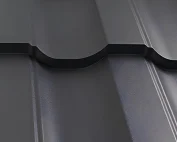
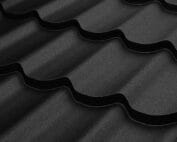
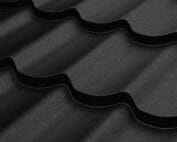
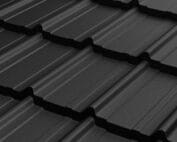
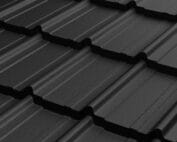
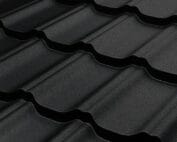
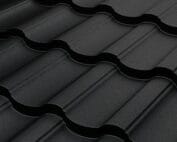
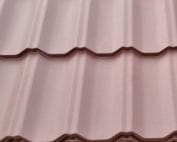
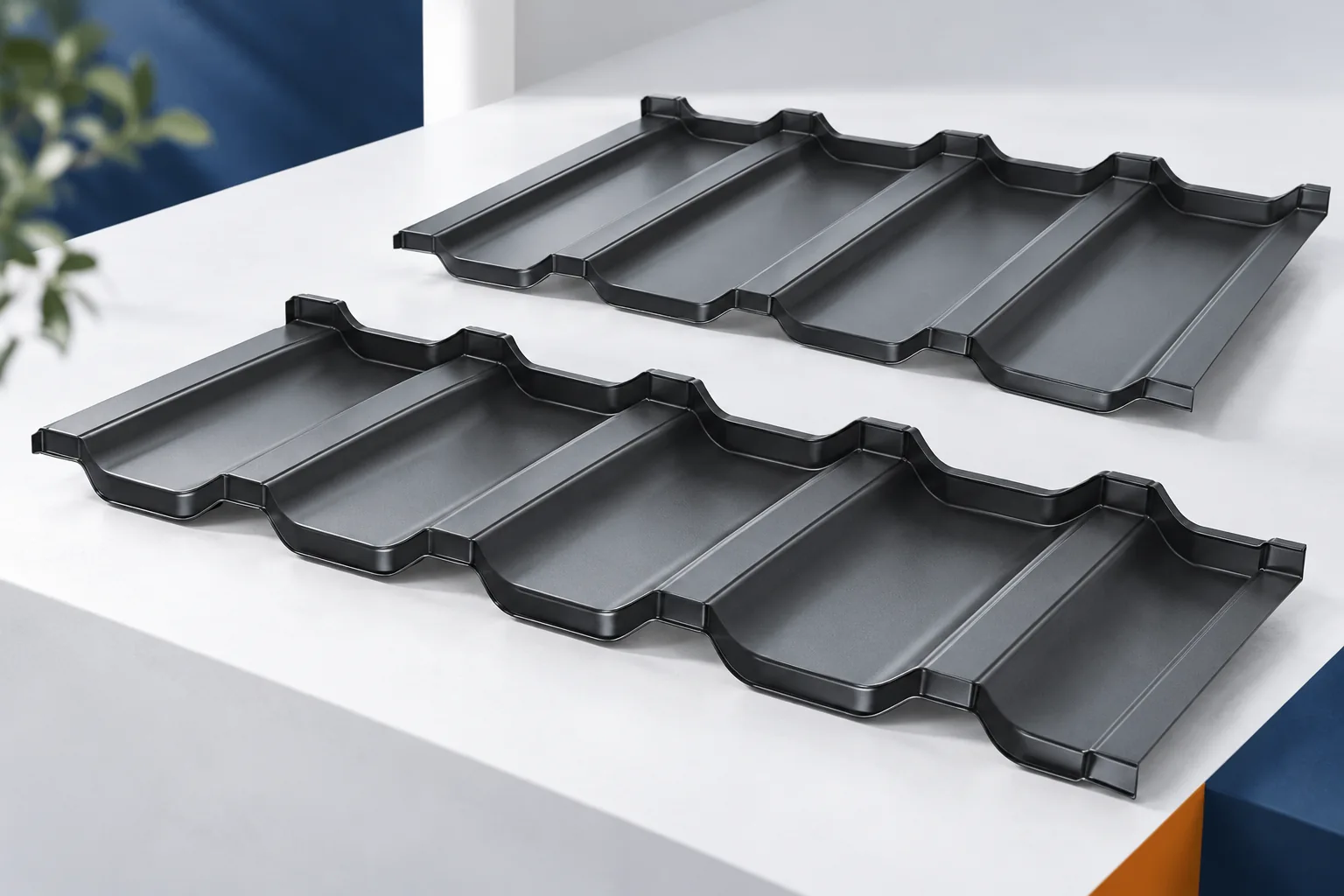
A classic character is usually associated with a distinctly rounded rhythm reminiscent of traditional roof tiles. Simpler lines and a calmer division of the surface can give the building a more restrained appearance. These are not, however, strict technical classes. Each profile must be assessed separately. Similar descriptions in two offers do not guarantee comparable geometry.
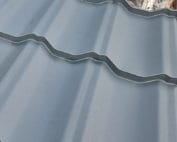
The height of the pressings, the length of the repeating section and the proportions of the waves all matter. On a large roof slope a strong pattern may be more visible than on a small porch. A fine rhythm creates a different effect from a distance than up close. It is therefore worth viewing a roof of a similar scale rather than choosing solely on the basis of a fragment that fits on the salesperson’s desk.
How does the profile suit the shape of the house?
A house with a simple form clearly shows the regularity of the entire roof slope. This can be emphasised with a calm pattern or deliberately given a more pronounced rhythm. With a complex building form, the roof valleys, dormers and corners already attract attention. Strong pressings can increase the impression of complexity. This is not a mistake if such an effect is intended and suits the façade.
In a building with brick, timber and numerous details, it is worth limiting the number of competing patterns. A smooth façade allows greater freedom in choosing the covering. The roof should also correspond to the surroundings and to the binding provisions concerning the building. The final decision is best assessed on a drawing of the whole building. The attractiveness of the profile alone does not determine its suitability for the house.
How do colour and gloss affect the appearance of the same profile?
A dark surface, a light colour and a matt finish show shadows differently. A gloss finish may reflect the sky more strongly, so that the pressings change appearance with the time of day. Matt gives calmer reflections but does not remove the influence of light. The same profile in two coatings can give the impression of a different product.
The sample should therefore present the chosen combination of shape and finish. It is worth viewing it outdoors, at an angle similar to that of the roof slope. A photograph in a catalogue is often taken in light that strongly emphasises the form. The sample should be placed alongside the façade, window and gutter. This makes it easier to assess the whole rather than just the colour of the steel sheet.

Do modular sheets always look more modern?
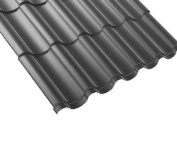
No. The format describes the size of the element and the method of installation, not automatically its visual character. A cut tile-effect metal roofing sheet can have a calm, contemporary line. A modular one can clearly reference classic roof tiles. When choosing, it is worth separating the geometry of the pattern from the logistics and the cutting layout. This way the form does not accidentally impose an unfavourable format.
On simple roof slopes, long sheets can create a clear rhythm with fewer transverse joints. On more complex roofs, modules make it easier to fit sections. However, the quality of visible joints depends on the accuracy of installation and the compatibility of components. A crooked start or forced laps can spoil the effect even of a well-chosen profile.
Which details make the greatest difference to the finished roof?
Roof edges, the ridge, roof valleys and chimney flashings are visible against the regular slope. They should match the covering in scale and colour. A very wide flashing in a contrasting colour can attract more attention than the pattern itself. It is therefore worth planning the set of details together with the tile-effect metal roofing, rather than choosing them only after the main sheets have been laid.
The arrangement of windows, installation outlets and safety elements also matters. Their function cannot be neglected for the sake of a clean appearance, but they can be organised in the design. Well-chosen accessories form a coherent whole. Random colours and many different shapes in one place easily disturb the calm effect planned in the visualisation.
What to check before appearance decides the purchase
The selected profile must be approved for the roof pitch and suit the support. The coating must also be matched to the environment. Appearance is not a measure of corrosion resistance nor a guarantee of easy installation. The cost should be calculated for the entire slope including waste and accessories. Two similarly looking materials can have a different technical scope and final price.
A well-prepared choice combines a sample, a roof drawing and confirmed parameters. A classic profile can look fresh on a simple form, and a geometric one can suit a renovated house. There is no need to stick to the style label alone. What matters more is whether the rhythm of the covering, the colour and the details form a coherent whole and can be correctly executed.
7 branches. Materials closer to your project.