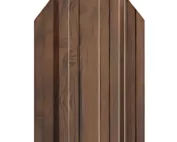
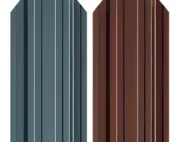
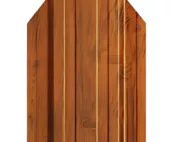
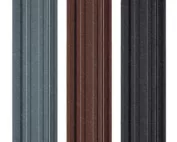
Metal pickets and fences
Metal picket edges. What does their finish say about quality?
In brief
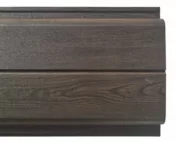
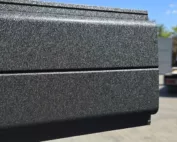
When buying a fence, attention usually focuses on the colour and width of the pickets. The edges are examined less often, although they say a lot about how the element is made. It is worth distinguishing between the longitudinal edges and the ends created during cutting. They may be shaped differently and be differently visible after installation. Metal pickets should be assessed on the actual profile. A mention of folded edges alone does not confirm the quality of the entire picket or the absence of sharp points at every location. In many pickets, the side edges are folded inwards into the profile. Such a detail contributes to its geometry and limits the exposure of the longitudinal edge. It may also affect the behaviour of the element. The exact shape must be checked on the drawing. Not every sheet metal picket has identical folding, and a similar view from the front may hide differences on the rear side.
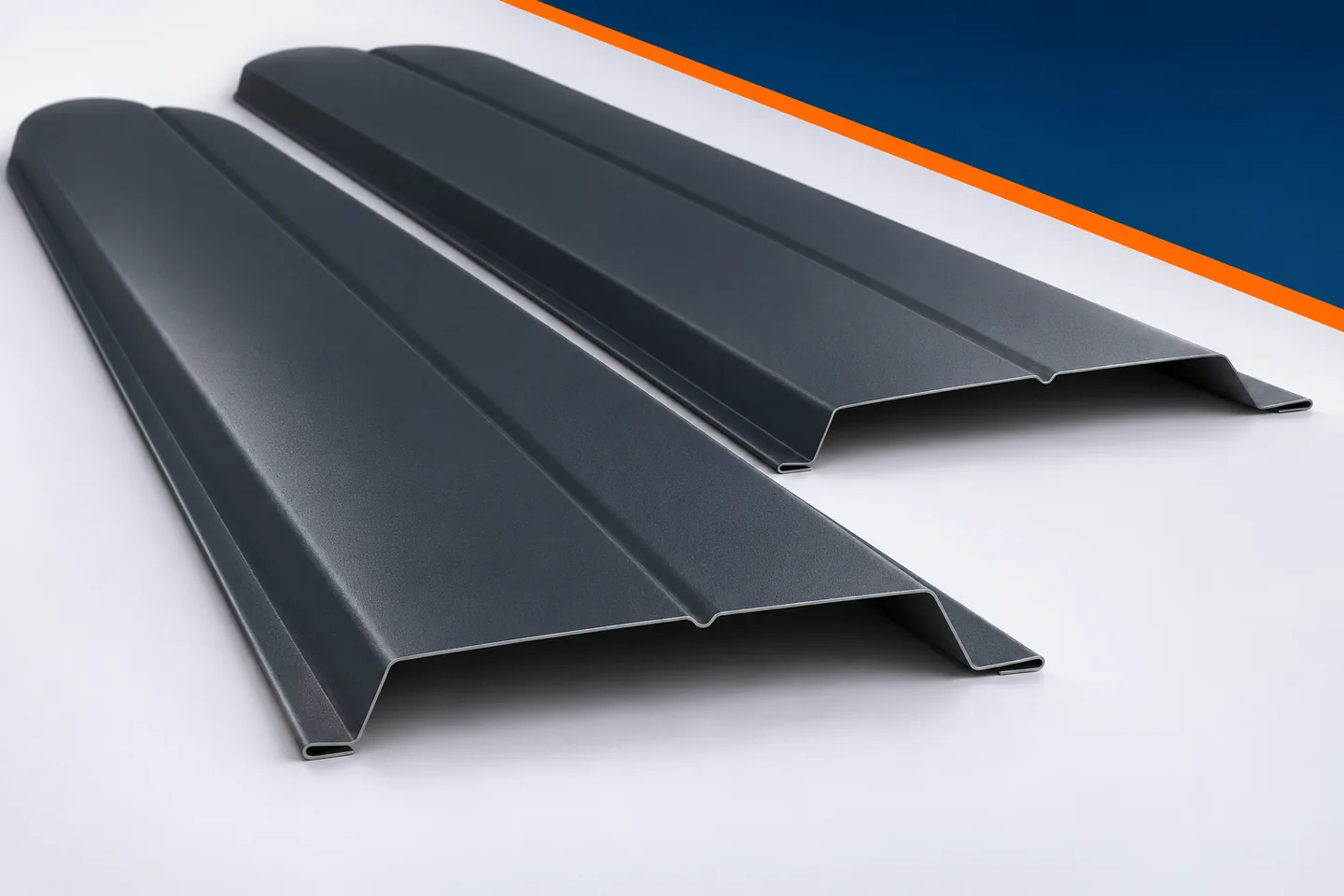
The fold is part of the cross-section
Inspect both sides over the entire accessible length. The fold should match the selected product and show no signs of accidental crushing. It is worth checking the consistency of several pickets. A single damaged element may stand out after installation with a different width or shade. It should not be straightened by force without establishing whether the coating and geometry have been compromised.
The cut end is a separate detail
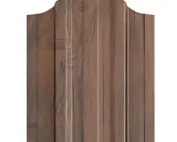
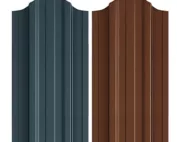
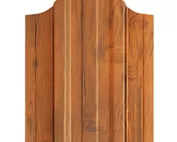
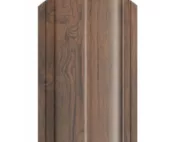
The top and bottom end of the picket are formed when it is given its length. They may be straight or have a factory arched outline, depending on the variant. Folded-back sides do not mean that the cut end is fully covered. It must be inspected separately. Requirements for any protection derive from the material documentation and the method of execution.
It is not worth assessing the edges by running a finger along them. Thin sheet metal can be sharp even when the overall outline looks gentle. Appropriate hand protection is needed during unloading and installation. Visual inspection and safe handling of a sample give more than a risky touch test. Elements damaged in transport should be treated with particular care.
Distinguish a product feature from damage
A repeatable shape consistent with the drawing is a feature of the profile. Local buckling, twisting or crushing may indicate damage. An unusual burr or coating detachment should be clarified in the same way. It is not worth immediately installing a questionable picket in a less visible place. First it must be established whether it is suitable for use and whether it matches the order.
On receipt, it helps to compare several elements side by side. Lay them out without rubbing the surfaces and inspect the edge line. If the problem occurs in a specific part of the delivery, note it and take photos. The documentation will facilitate discussion with the supplier. This is not an assessment of the entire batch based on a single photo, but an orderly identification of a specific non-conformity.

Protect the finished coating when shortening
Sheet metal pickets ordered to the correct dimension reduce the need for cutting on site. If shortening is necessary, the method must correspond to the product recommendations. Tools that cause strong heating and hot particles may damage the surface. It should not be assumed that later painting over the mark will always restore the factory properties. The damage may extend beyond the cut line itself.
After processing, filings must be removed and the new edge assessed. Any touch-up should be applied in accordance with the coating recommendations. Any paint chosen solely by colour is not a reliable solution. Nor should the adjacent surface be sanded to even out the appearance. Such intervention may increase the extent of the damage instead of limiting it.
Avoid accidental covers and closures
Accessories on the market are designed for specific profiles. If you want to cover the ends, check that the particular cover matches the metal fence slat. Not every cap will fit a similarly looking width. The full cross-section and the fixing method matter. A random component may not hold properly on the profile or may hinder correct use.
It is not worth covering an edge accessory whose condition is questionable. First assess the product and fix the cause of the problem. The cover is part of a designed solution, not a way of hiding defects. Metal fence slats should be installed with the details intended for the given system. Custom additions require verification, not just colour matching.
Check the edges also after installation
The lower ends should remain separated from the ground and damp materials. Ensure access for inspection and removal of dirt. At the top line, pay attention to even alignment and the absence of damage caused during work. Do not leave metal filings in the bends. These are minor actions that help keep the finished surface in good condition.
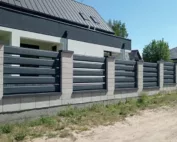
Edges are not the only measure of quality, but they should not be overlooked. They show the profiling method, the condition of the cut and the effects of handling the material. Well-made metal fence slats should correspond to the documentation and the ordered variant. Their protection requires care from receipt through to completion of installation. The coloured coating does not remove the importance of these seemingly small details.
7 branches. Materials closer to your project.