XPS insulation
XPS in a heated and an unheated basement. Two different tasks
At a glance
A basement can be part of a heated house or a cool utility room. This determines where the thermal insulation layer should run. XPS is often considered for walls in contact with the ground and for the floor. Extruded polystyrene combines low water absorption with properties useful under load. However, the benefit of using it differs between the two basement variants. First, you have to decide what conditions are to prevail in the basement. In a heated basement, the building components separating the interior from the ground and the outside air are insulated. XPS can form a continuous layer on the outside of the walls and in the floor, in accordance with the design. This limits heat flow through the basement storey.
When the basement is part of the heated area of the house
It is worth refining the junction between the wall and the floor and the further thermal insulation of the building, so that large insulated surfaces do not end in an accidental gap.
Extruded polystyrene laid on the outside allows the thermal envelope to be continued through the ground zone. Its low water absorption is a specific advantage here. However, XPS must be selected to suit the anticipated water conditions and ground pressure. The thickness follows from calculations and from the geometry of the basement. The fully buried section may perform differently from a wall projecting above ground level and adjoining a window.
A cool basement changes the route of the insulation
If the basement is to remain unheated, the floor slab beneath the heated ground floor becomes an important separating element. Its insulation limits the flow of heat from the living rooms into the cooler space. XPS on the external walls may still play a defined role in the design, but it does not replace an analysis of the floor slab. Insulating the underground section alone does not automatically meet all the needs of the house.
The choice of material for the floor slab should also take into account fire requirements, the method of fixing and the finish. Extruded polystyrene does not have to be the best answer in every location in the basement. XPS is worth using where its properties are needed and permitted. At a wall or floor, a different set of properties is useful than on an exposed ceiling in a utility room.
Water and vapour must be distinguished
Moisture on a wall may come from the ground, from a leaking installation or from condensation of water vapour from the air. Each case requires a different action. XPS limits the penetration of water into the board itself, but it does not remove the cause of the dampness in the masonry. Before selecting the insulation, the source of the problem and the condition of the waterproofing must be identified. In a new building, these protective measures can be planned together from the outset.
Extruded polystyrene can help achieve a more favourable temperature distribution in a correctly designed building element. However, on its own it does not ensure the right air humidity. Adequate ventilation and control of water sources are needed. XPS on the inside requires a particularly careful thermal and moisture analysis. Such a solution should not be a simple answer to a damp wall without identifying its cause.
The basement floor may be subject to various loads
A home laundry, boiler room and storage room place different demands on the floor. XPS is selected together with a substrate that distributes the load. With heavy appliances, the support points and the long-term performance of the insulation are important. The compressive stress at a specified deformation is not a ready-made permissible load value. The data required depend on the chosen solution and the equipment.
Rigid boards make it easier to create an even layer under the floor. Extruded polystyrene can be precisely fitted at walls and pipes. However, XPS must lie on a prepared substrate without accidental voids. Before installation, it is worth establishing the levels of the drains and the routing of the services. This means that the later installation of the screed does not require changes that would reduce the thickness or continuity of the thermal insulation.
Details at windows and stairs
In a basement with partially exposed walls, the reveals and connections at ground level are important. XPS should connect with the remaining thermal insulation in the manner specified by the design. Its low weight and the ability to cut it help in making the necessary elements. At the same time, space must be left for sealing and finishing. Thermal continuity alone does not solve the drainage of the window well.
The stairs between the basement and the ground floor also affect the temperature separation. If the rooms are to be separated, doors and the adjoining partitions should be considered. XPS in the external wall will not replace such a separation. Agreeing the function of the rooms makes it easier to plan the entire thermal envelope. This is particularly important when the basement is to change in future from a storage room into a room used every day.
Selection according to function instead of a single recipe
XPS is produced by, among others, Finnfoam, Synthos and HOCH. When choosing the material, the parameters specific to the particular place of application should be checked. The word styrodur specifies neither the required thickness nor the type of finish. A specification separating walls in the ground, the floor and other partitions is useful. It allows the right products to be bought without equating all the needs of the basement.
Extruded polystyrene helps to create a durable thermal layer in appropriately designed ground-floor zones. XPS brings the most benefit when its low water absorption, strength and ease of working match the operating conditions. In a heated basement, the aim is to continuously limit losses to the surroundings. In an unheated one, the thermal boundary of the house must additionally be established. Sensible selection of insulation begins with this decision.
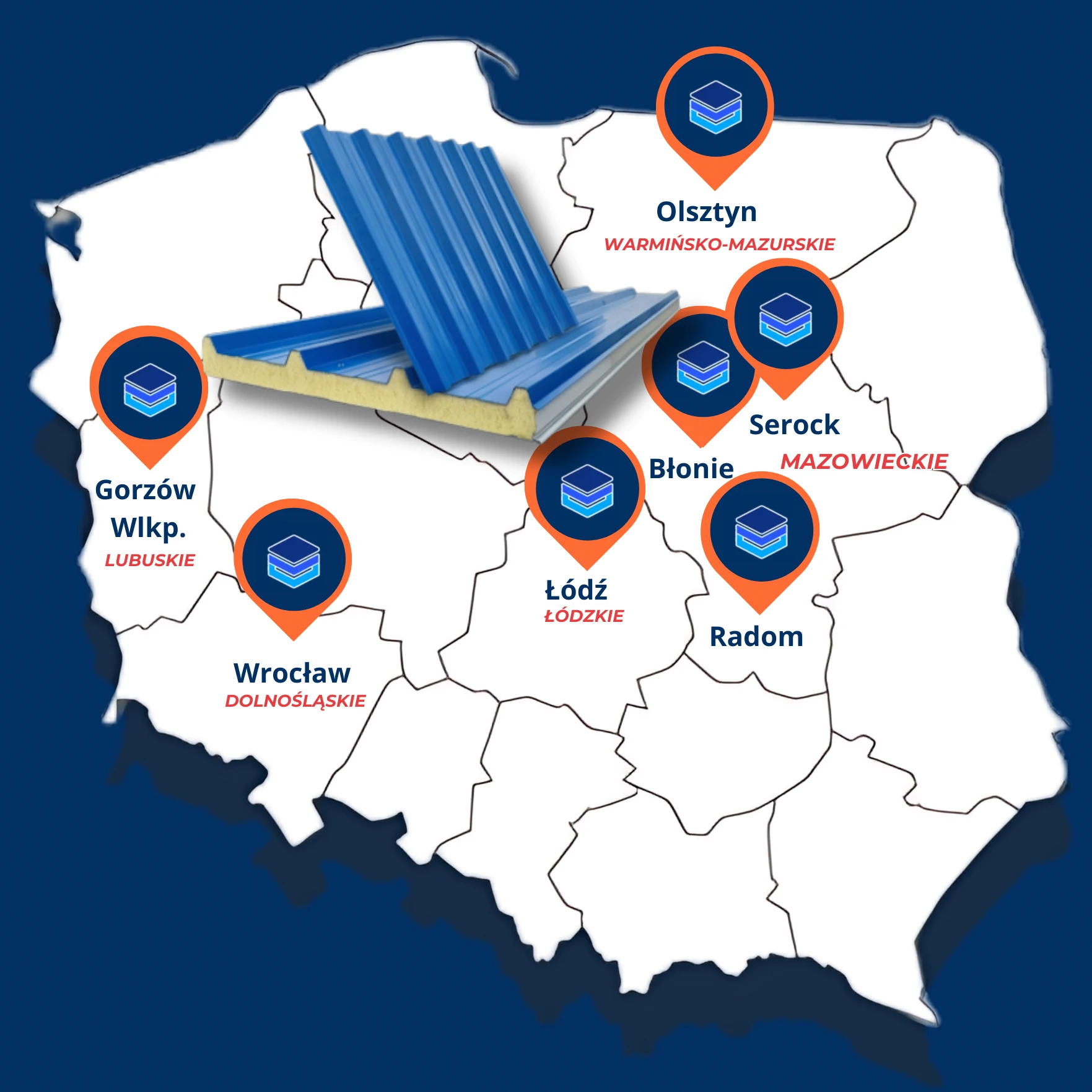
7 branches. Materials closer to your project.