XPS insulation
XPS on the foundation walls of a new house
At a glance
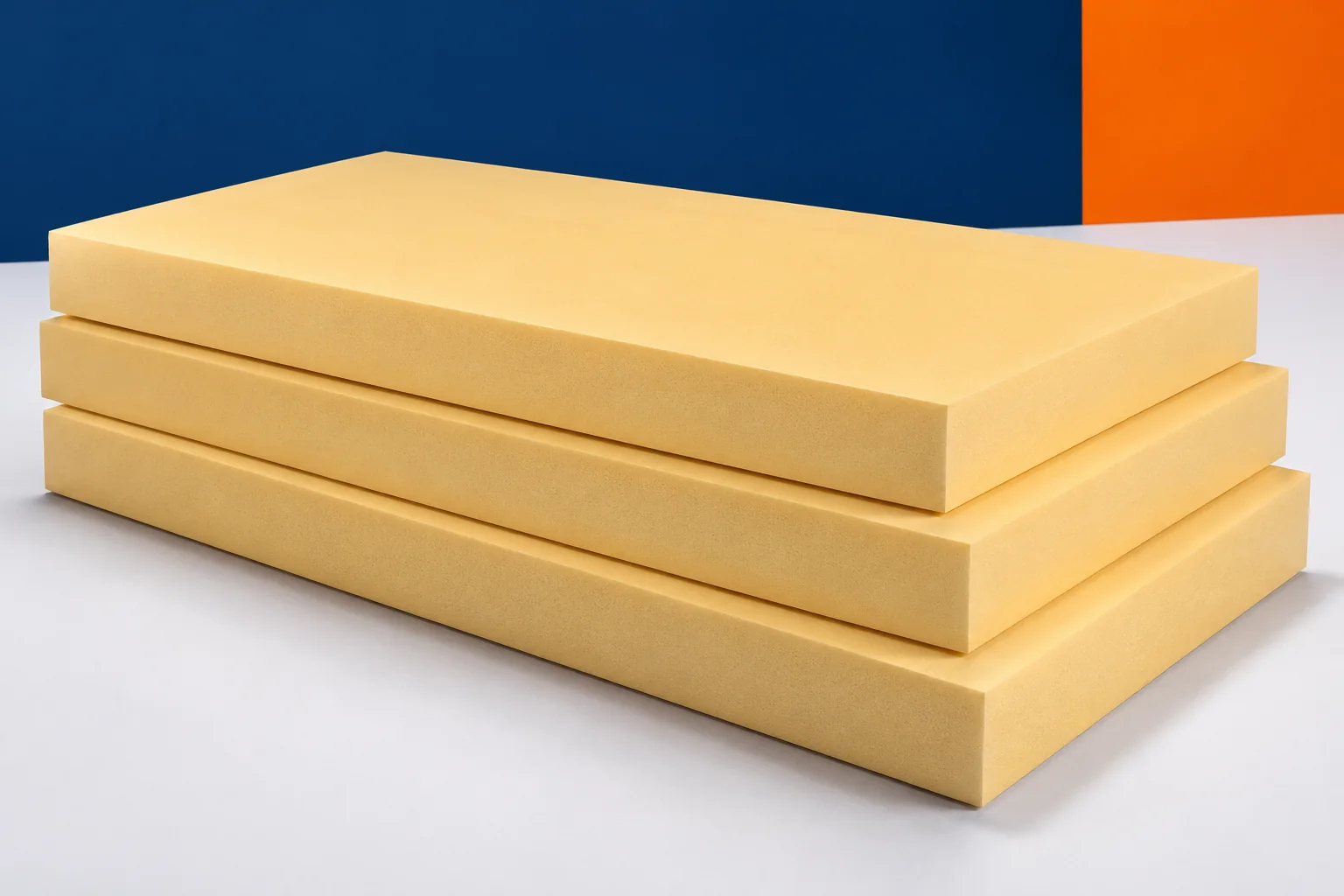
Foundation wall insulation is easy to install while the excavation is open. A later correction requires renewed access to the underground part of the building. XPS should therefore be selected before work begins. Extruded polystyrene helps to limit heat losses and can shield the waterproofing against some mechanical damage. However, it does not replace the waterproofing itself. Both layers should form a planned system matched to the conditions of the plot. The foundation may be exposed to ground moisture, periodically backed-up water or water under pressure. These situations require different protective solutions. Before choosing XPS, the soil and water conditions and the design assumptions must be known. It is not enough to state that it was dry during excavation.
Ground conditions determine the solution
The water level and the way the water enters can change over the course of the year.
Extruded polystyrene has low water absorption, but its permissible use must be confirmed by documents. This applies in particular to prolonged contact with water and to a specified installation depth. XPS may also be subject to buoyancy. The method of fixing should then not be determined on the basis of habit from a building site on dry ground. The design must take into account the actual loads and the interaction with the waterproofing.
The thermal insulation should run continuously
The thickness of the XPS results from the thermal solution for the building. It does not have to be identical to the thickness of the thermal insulation of the above-ground part. What is important, however, is such a connection of the layers that no uninsulated strip remains at the plinth. The junction with the wall and the floor on the ground must also be considered. Simply covering the foundation with boards does not guarantee a correct solution for all these junctions.
The drawing should show the ground level, the height of the plinth and the lower termination of the insulation. Extruded polystyrene is adapted to the geometry of the foundation and the required details. Where the wall has offsets, the cuts and the course of the joints must be planned. It is worth doing this before gluing the first row of XPS. This makes it easier to avoid narrow, random strips in places important for the continuity of the layer.
Waterproofing needs time and inspection
The substrate must be prepared before the waterproofing is carried out. Loose fragments, sharp protrusions and unfilled voids can make it difficult to achieve a continuous coating. The XPS is laid only when the waterproofing technology permits it. The required curing time and conditions depend on the specific material. The stage should not be accelerated solely because the boards have already been delivered.
Before covering, it is worth inspecting the corners, service penetrations and connections with the horizontal waterproofing. Extruded polystyrene will conceal these places, so later assessment will be more difficult. XPS will not seal a defect in the coating or an inadequately executed pipe penetration. The repair is carried out with a material compatible with the adopted system. Only after its acceptance can the thermal insulation continue and the excavation be prepared for backfilling.
The adhesive must be suitable for both surfaces
When fixing XPS, the compatibility of the adhesive with the polystyrene and with the waterproofing must be checked. Preparations containing aggressive solvents can damage the structure of the board. Not every bituminous compound is therefore suitable for direct contact with the thermal insulation. The choice is determined by the documentation of the specific material set, and not solely by the name of the product group or experience with another product.
The method of applying the adhesive depends on the operating conditions of the system. Where water exerts hydrostatic pressure, the requirements may differ from installation in the ground without such an effect. XPS should be fixed in accordance with the design and the instructions. The waterproofing should not be pierced with fasteners unnecessarily. Places requiring special fixing must be resolved separately before a hole that is difficult to seal is created.
Backfilling the excavation must not damage the layers
Before backfilling, the condition of the XPS, the corners and the terminations is checked. The backfill material and the manner in which the works are carried out should not damage the insulation. An additional protective or drainage layer may be required in accordance with the design. It should not be assumed that every cover has the same tasks. Mechanical protection, water drainage and sealing are separate functions.
Extruded polystyrene should not remain exposed to the sun for long without the protection specified by the manufacturer. This applies in particular to the part projecting above ground level. XPS in the plinth requires subsequent finishing appropriate to that zone. It is worth establishing the sequence of works so that, after backfilling the excavation, no unfinished areas are left near the steps, terrace or building entrance.
How to check whether the delivery matches the design
Well-known XPS manufacturers include Synthos, HOCH and Austrotherm. When comparing their products, reference must be made to the required thickness, water absorption and mechanical properties. The word styrodur is used colloquially and does not replace the specification. In the order, it is worth specifying the type of edge and the documents confirming the properties of the particular grade. This makes it possible to avoid mistakes with similarly looking boards.
Acceptance of the foundation thermal insulation should take place before it is covered with soil. The continuity of the XPS and its connection to the waterproofing are checked, as are the solutions around installations. Photographic documentation is a good supplement. Extruded polystyrene fulfils its task most fully when it is part of a correctly designed ground-floor zone from the outset. The right board alone will not fix an error in the connection of the layers.
7 branches. Materials closer to your project.