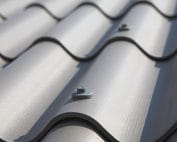
Fibre cement roofing
Fixing holes in corrugated fibre cement: why clearance matters
In brief
A larger hole around the screw shank can raise doubts. Clients sometimes expect a tight fit, which seems more solid. With profiled roofing, that intuition can be misleading. Fibre cement sheets need fixings designed with adequate clearance. Asbestos-free fibre cement is a rigid material, and the roof moves under environmental conditions and loads. The right hole helps limit stress without sacrificing weathertightness. On a roof, components made of different materials meet. They respond differently to temperature, moisture and load. A timber batten, a steel purlin and a sheet do not have to behave identically. Dimensional tolerances and structural deflection add to this. The fixing should therefore not block every minor movement by jamming the shank in the hole.
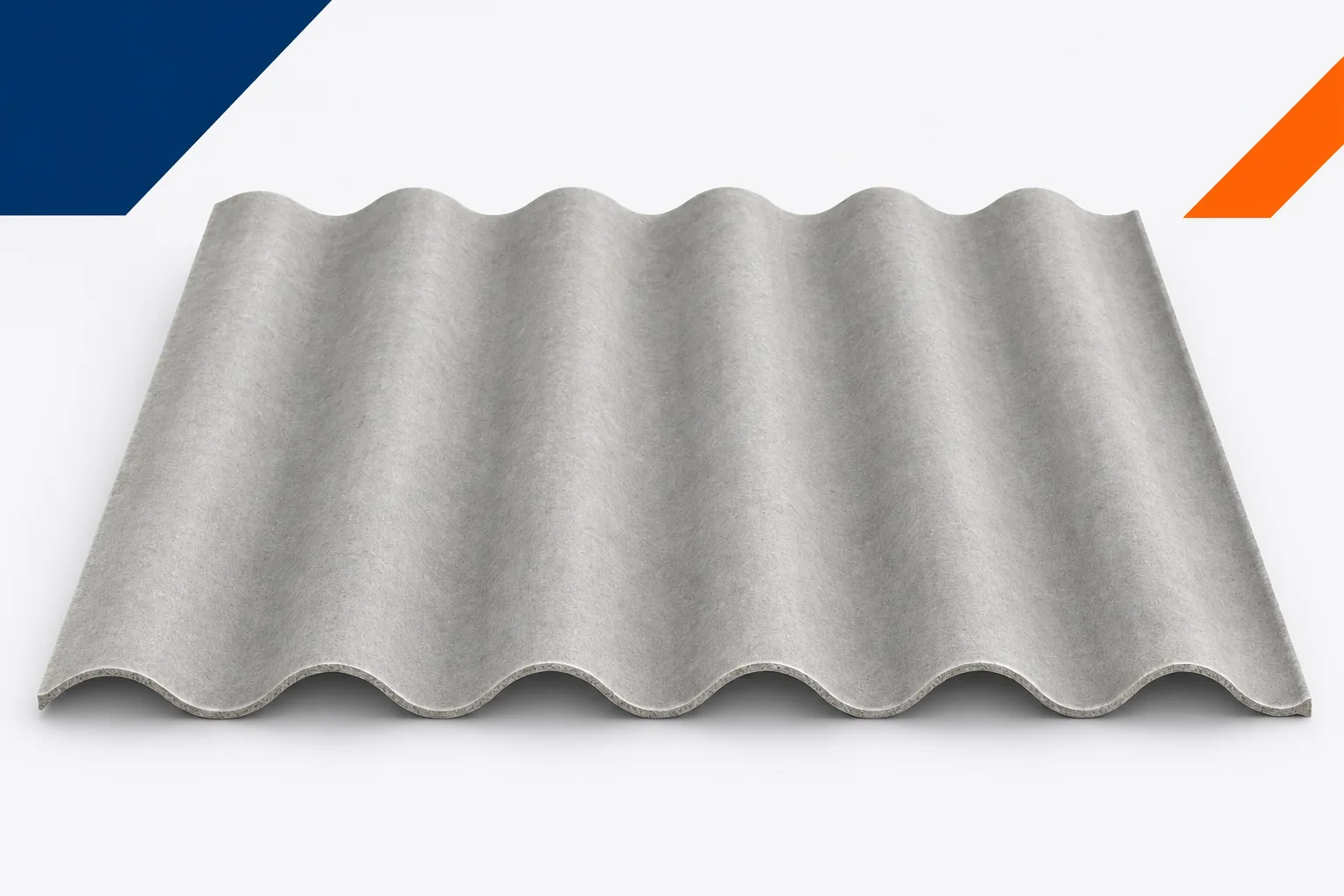
What can change the position of the sheet
The intended clearance is part of the product design. It does not mean that the sheet can move freely across the roof. It is maintained by the complete system with the correct clamping pressure. Separating these two functions helps to understand why a tight hole does not always give a better fixing.
The clearance dimension is verified for the given assembly
There is no single correct diameter for every screw. The instructions may state the hole size or the difference relative to the shank. Fibre cement sheets are also sometimes factory-prepared with different holes in different parts of the sheet. They must not be regarded as defective simply because not all of them look the same. What matters is the position at the lap and the direction of installation. Separate requirements may apply to fixing installations that pass through the covering. The figures from such a detail should not automatically be applied to an ordinary roofing screw. Selection always covers the sheet, the fastener and the instructions for the specific application.
The hole should not be made by piercing
Drilling and accidental punching of the hole produce a different condition of the material edge. An impact may leave chips and cracks extending beyond the visible outline. Fibre cement sheets must be worked with tools and by the method permitted in the documentation. An exception to separate drilling is a dedicated fastener with a reaming element. This does not mean that any screw can simply be driven through the sheet. It must be checked whether the system actually creates the required hole and is intended for the given substrate. The installer should monitor the result of the working rather than judging it solely by the speed of screwing.
Tightness is ensured by correct sealing
Water should not get under the sheet through the space left around the shank. Protection is provided by the selected sealing washer and correct clamping pressure. This problem is not solved by filling the entire clearance with a rigid compound. Such a correction may block the movement of the fixing again. Asbestos-free fibre cement requires sealing that retains its function under the intended conditions. The washer must sit tight but must not be destroyed by over-tightening. If the hole is too large or damaged, buying a larger washer alone may not be enough. The scope of repair must be matched to the actual condition of the sheet and the system recommendations.
The position of the hole is just as important as its diameter
The correct size will not repair a hole made outside the designated position. What counts is the specified rib, the distance from the edge and the position of the support. Fibre cement sheets with laps require the arrangement of complete rows to be maintained. Trying to rescue a badly set-out roof slope by further drilling increases the number of unnecessary penetrations. Holes left behind must not be ignored, even when they are under the next sheet. They may weaken part of the sheet or create a path for water. It is better to stop installation when a discrepancy is detected and correct the cause. Measuring the supports beforehand usually saves more time than patching errors afterwards.
Dust and chips must be removed as work proceeds
After drilling, particles of material remain on the surface and at the bearing point. They make it harder to assess the edge of the hole and may cause soiling on the finished roof. Fibre cement sheets are cleaned in accordance with the recommendations, while limiting dust dispersal. The mere absence of asbestos does not mean the dust is harmless to the worker. Organisation of the workplace and protection arising from the safety data sheet are required. Before fixing, it is worth inspecting the hole and the surrounding rib. Visible scratches or a broken edge are grounds for verification. Pressing a washer onto a damaged spot does not automatically restore the original properties of the sheet.
How to assess the finished connection
At acceptance, a visible gap under the washer should not be expected. The fixing is assessed according to the instructions, and the as-built documentation may confirm how the holes were prepared. Fibre cement sheets should lie without forced bending, with gaskets evenly compressed. Early cracks around screws require checking the diameter, clamping pressure and support. Not every such crack has a single cause. Defects may overlap, so simply loosening all fastenings is not a reasonable repair. An assessment of the specific detail is needed. A well-recorded installation method facilitates later servicing and helps avoid accidental modifications.
When preparing an order for asbestos-free fibre cement, also determine how the holes are to be made. The sheet version and the type of fastener should come from one proven solution.
7 branches. Materials closer to your project.