Choice of covering
Choosing between tile-effect metal roofing and bitumen shingles
In brief
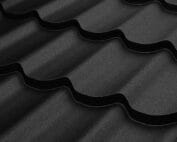
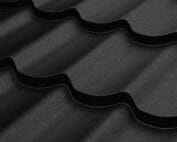
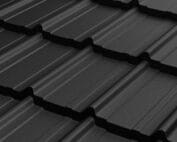
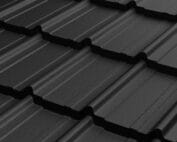
Compare tile-effect metal roofing and bituminous shingles as complete roof systems. They differ in format, substrate and installation method. Pitch, roof plane geometry and attic conditions all matter. Metal roofing can reduce the weight of the covering itself, while the small elements of shingles make work easier on certain shapes. Neither material removes the need for a correct substrate, ventilation and flashings. Tile-effect metal roofing is usually installed on a batten and counter-batten grid. Batten spacing corresponds to the profile and the module length. The substrate must form an even plane and be properly supported at the eaves. The underlay drains away water that may appear beneath the covering. Its selection and installation method are part of the overall roof design.
What substrate do both materials require?
Tile-effect metal roofing is usually installed on a batten and counter-batten grid. The batten spacing corresponds to the profile and the module length. The substrate must have a level plane and proper support at the eaves. The underlay directs away water that may appear beneath the covering. Its selection and method of installation are part of the overall roof design.
Bituminous shingles usually require a continuous, level and stable deck and a suitable underlay. The condition of this substrate affects the appearance and durability of the covering. Therefore, when comparing costs, the material and installation of the deck must also be included. A low price per pack of shingles does not describe the expense for the finished roof. The requirements of the specific system should always be checked.
Which format better suits the roof shape?
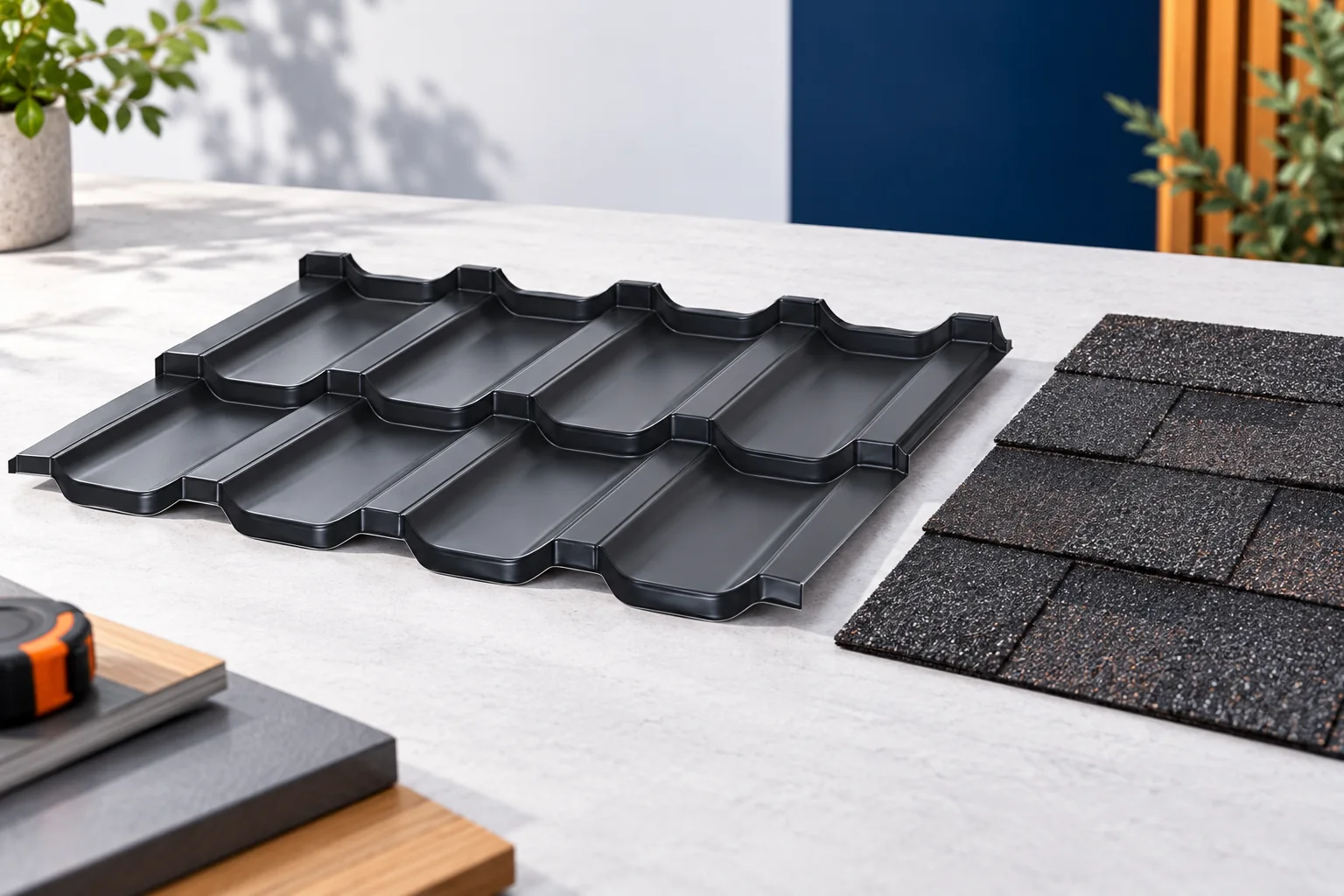
On a simple roof slope, cut-to-size tile-effect metal roofing can reduce the number of transverse joints. Ordering requires precise measurement, and long sheets must be properly transported and lifted. Modular tile-effect metal roofing is easier to handle and allows different cutting planning at roof valleys. However, it does not eliminate the need for cutting.
Shingles form a covering from small elements, which can be useful for complex geometry. Not every product is suitable for every radius of curvature or slope. Both the covering and the deck beneath it must be verified. For an unusual roof slope, ask for a detail solution, not just assurance that the material is flexible.
How to assess weight and impact on the structure?
Tile-effect metal roofing is a lightweight covering, but a roof does not consist solely of sheet metal. The grid, insulation and built-in elements also load the truss. For shingles, the weight of the continuous deck must be included. The comparison should cover the sum of layers adopted in both variants. The structure should not be reduced on one’s own based on the weight of the covering alone.
During renovation, an assessment of the condition of the timber and connections may be necessary. An old truss does not become sound merely because the new material is lightweight. Conversely, changing the layer arrangement can affect ventilation and moisture in the structure. Before ordering, establish which elements remain, which require replacement and what substrate will result after repair.

Are shingles always quieter than metal?
The noise impression under an uninsulated carport does not correspond to conditions in a finished bedroom. Rain noise is influenced by all layers, the method of fastening and the tightness of the joints. Full decking, insulation and a ceiling can change the result. There is therefore no single answer that follows only from the name of the material on the outside of the roof.
If acoustics are an important criterion, compare solutions for the entire building envelope. This also applies to a house with PIR insulation. Its favourable thermal insulation does not automatically mean the same sound attenuation as any layer of mineral wool. The design should address both requirements. It is worth separating the saving in insulation thickness from the required acoustic comfort.
How to compare durability and maintenance?
For steel sheet, check the steel parameters, the coating and the cleaning recommendations. Edges and installation damage require attention. Swarf must be removed, and cutting must not use tools that damage the protective finish. For shingles, correct fixings, the underlay and ventilation conditions are important. Substrate errors can cause deformation visible on the surface.
In both variants, flashings, roof valleys, penetrations and drainage are checked. The warranty document should be read in full. Compare the scope of cover, not just the maximum number of years. A change in appearance, leakage and a manufacturing defect may be treated differently. The possibility of repair also depends on access to the roof and on compatible materials.
When to choose tile-effect metal roofing and when to choose shingles?
Tile-effect metal roofing is worth considering when it suits the architecture, the pitch and the substrate, and the installer knows the chosen system. On simple roof slopes, a format cut to size may offer advantages. With numerous breaks, compare the modules and the actual cutting layout. Shingles may make sense where the correct decking has been designed and its format fits the geometry well.
Order two quotes with the same scope, covering the substrate, underlay, covering, flashings and labour. Establish the ventilation method and how details are to be repaired. View samples in daylight, because gloss, texture and the rhythm of the surface change the perception of the whole building. The final choice should follow from the design and the calculated cost, not from a single argument about weight or noise.
7 branches. Materials closer to your project.