Roof and energy
Preparing an occupied home for a photovoltaic roof replacement
In brief
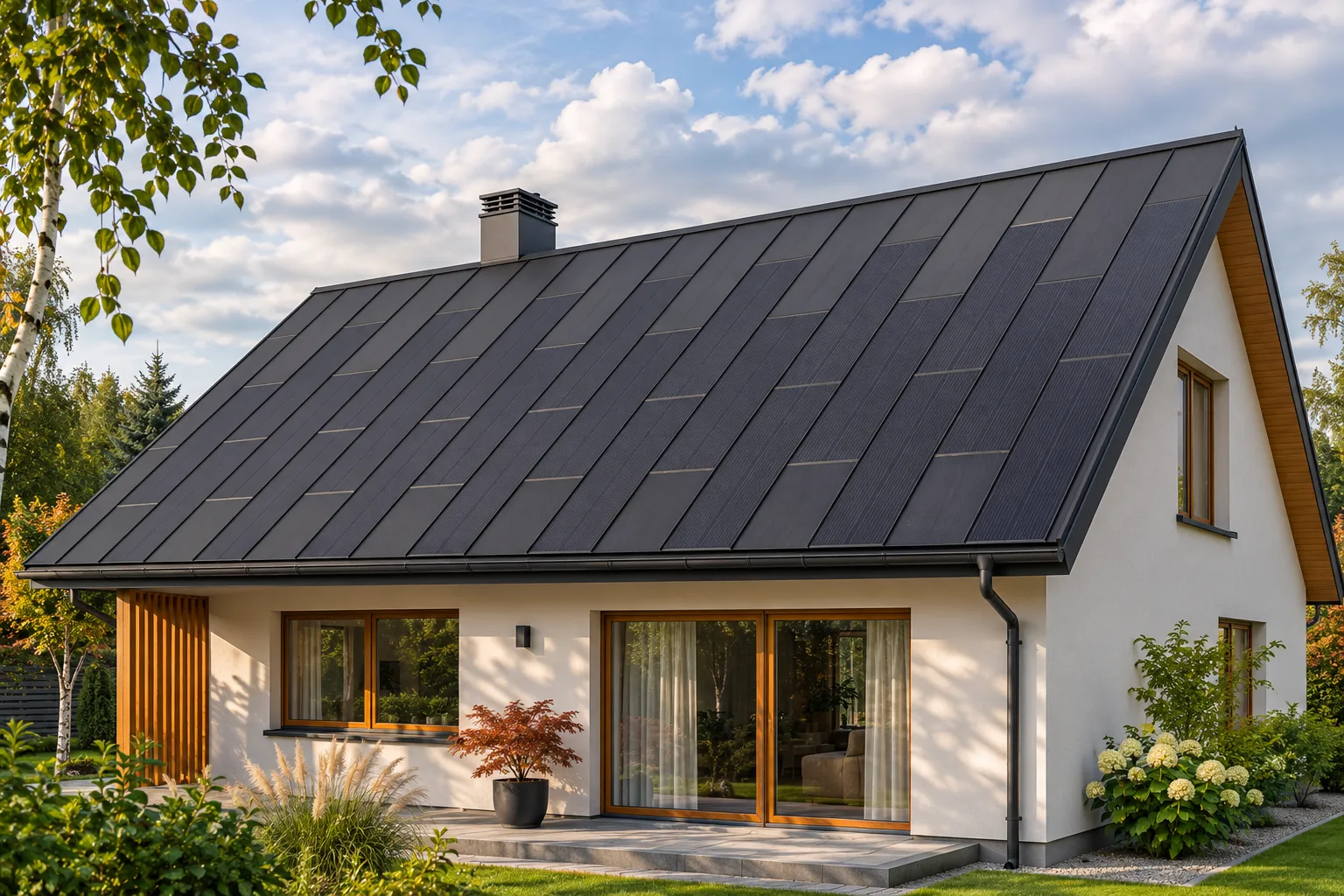
Replacing a roof with a photovoltaic roof in an occupied home also requires planning on the part of the residents. Access for the crews must be agreed, the attic secured, and it must be clear when disruptions may occur. An integrated system allows work on the roof covering and the energy system to be carried out according to a shared schedule. This makes organisation easier when the scope is clearly described. Good preparation reduces stress and helps maintain control over the renovation without daily improvisation. It is worth discussing working hours, access routes and areas that residents will not be able to use. A contact for the person making decisions on site is important. The way information about schedule changes is communicated should also be established.
What to agree with the contractor before starting?
In an occupied home, even a one-day delay may require reorganising work or childcare.
The scope should cover not only the covering but also scaffolding, deliveries, dismantling and removal of materials. Residents should know where components will be stored and how long the area will remain occupied. Such a plan helps avoid blocking the entrance, the gate or access to the home’s essential utilities.
It is also worth agreeing on daily cleaning of the routes used by household members. Small installation waste should not be left in parking or children’s play areas.
How to prepare the attic?
Items located close to the renovated zones should be moved or protected in line with the scope of work. It should be established whether the crews need access from inside and which parts of the structure will be opened. Protecting furnishings reduces the effects of dust and accidental soiling. It does not, however, replace protecting the roof against precipitation.
It is a good idea to take photographs of the rooms before the renovation and to describe existing damage. This makes it easier to assess the work later and any comments. It is also worth passing on information about previous leaks to the contractor. This is specific knowledge about the home that can help plan the sequence of repairs and the necessary exploratory openings.
Will there be power interruptions in the home?
Some electrical work may require agreed shutdowns. Their scope depends on the installation and the way the new source is connected. This should be asked about in advance, especially when devices important for daily functioning are running in the home. It should not be assumed that installation on the roof will not affect the existing distribution board.
A joint BIPV plan helps combine these activities with the roofing work. Routes and penetrations can be made before the roof slope is closed. The owner should know the time of acceptance of the electrical part and the rules for subsequent servicing. Starting energy production does not automatically mean that all other renovation work is ready.
How to ensure safety around the house?
The area beneath the working crew should be properly organised. Residents should not walk under transported elements or use areas closed to movement. This also applies to children, guests and animals. It is worth establishing a safe route to the entrance and a parking place for the duration of the works.
Delivery of the active elements requires space and careful unloading. It is better to remove unnecessary items from the driveway in advance than to move them in a hurry next to the lorry. Roofing and electrical works should be carried out by the appropriate crews. The owner’s presence does not mean having to help on the roof personally.
What should you do if the scope of the renovation changes?
After the old covering is removed, problems may come to light that were not visible during the initial inspection. It is worth agreeing in advance how they will be documented and repairs approved. The owner should receive a clear description, the impact on the price and the schedule. This allows decisions to be made on the basis of facts rather than pressure from an open roof surface.
A plan for temporary protection of the building is also needed. The renovation cannot depend solely on an optimistic weather forecast. A well-prepared crew can indicate how an interrupted stage will be secured. This is important for every covering, and in BIPV it additionally helps protect the value of the energy component.
How do you finish a renovation without loose ends?
Acceptance should cover the roof, drainage, installation and restoration of the agreed finishing sections. It is worth going through the list of works and documents with the contractor. Instructions, warranty conditions and information about inspections are needed. It should also be established to whom problems concerning tightness or energy production should be reported.
A well-executed integrated roof rewards with the calm form of the roof surface and an additional function for the house. In an occupied building, however, organising the path to this result is equally important. A clear plan, prepared interiors and a transparent acceptance help to get through the renovation with fewer surprises and better control over the scope of the investment.
Among the manufacturers and brands of photovoltaic roofs are Tesla, SolRoof, Wienerberger Wevolt, MDM NT (MyRoof), Electrotile, LUMA Solar, Megasol Energie, Nelskamp, SunRoof and ML System.
7 branches. Materials closer to your project.
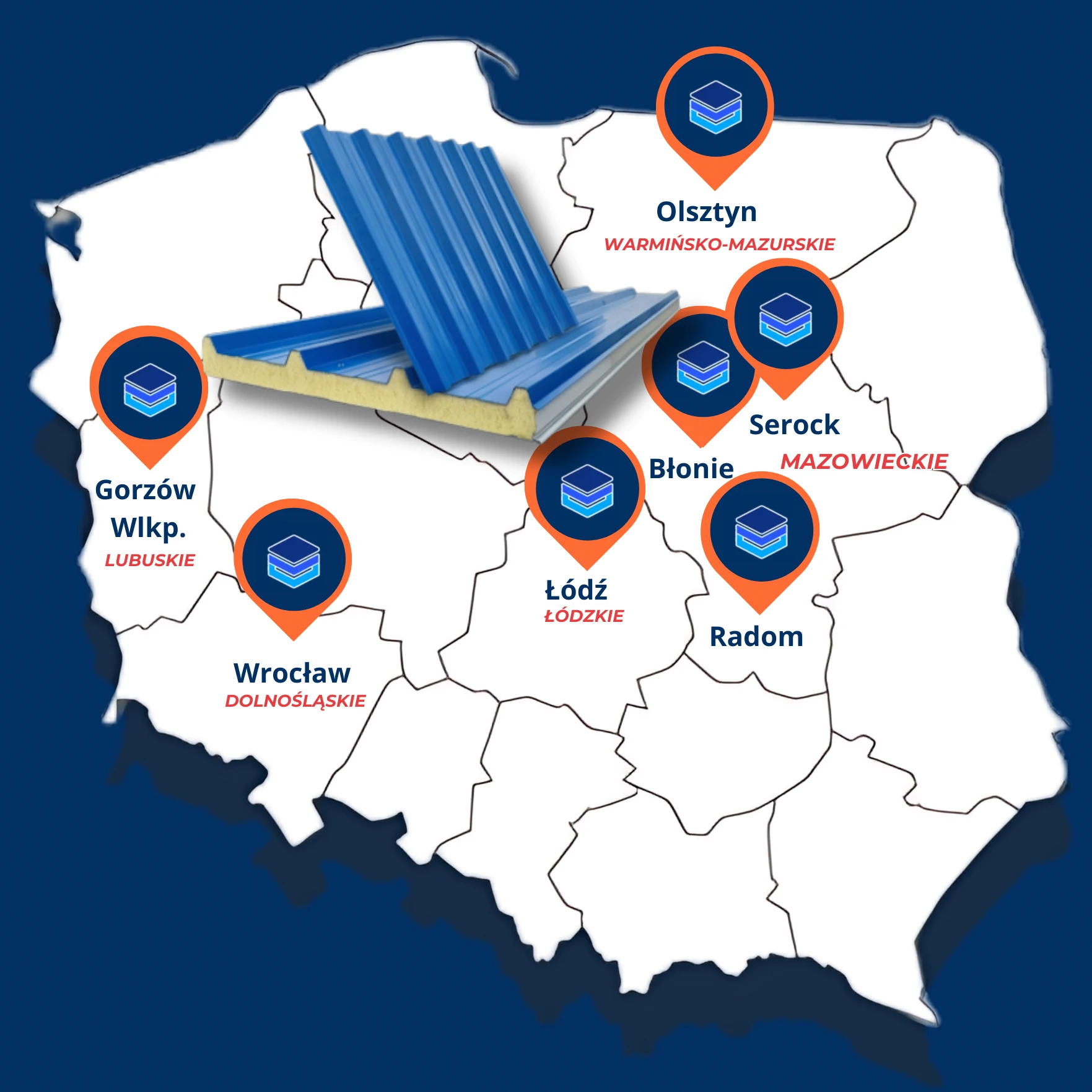
- SEROCK — Dzierżenin 34 E
- BŁONIE — ul. Sochaczewska 138A
- RADOM — ul. Grobickiego 8
- ŁÓDŹ — Natolin 8
- OLSZTYN — Barczewo, ul. Prosta 9
- WROCŁAW — ul. Jerzmanowska 10C
- GORZÓW WLKP. — ul. Zielona 33/34