Construction and roof types
Structural trapezoidal steel decking: uses and price factors
In brief
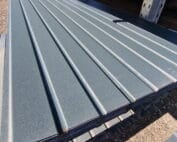
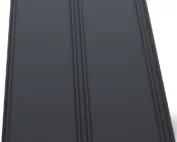
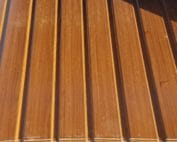
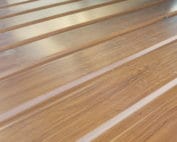
Structural trapezoidal steel sheet can form the load-bearing substrate of a roof or work in another arrangement specified by the design. Deep ribs allow steel to be used efficiently, but the profile height alone does not determine the permissible span. The choice is governed by thickness, steel grade, supports and loads. The price must be compared for the same structural task, taking into account fixings and the other roof layers. A low profile used as an external covering sheet and a high load-bearing profile may look similar in a small sample. Their tasks, however, are different. Structural sheet is part of the load-transferring system. It can support the roof insulation and waterproofing. In such an application, tightness is provided by a separate layer designed above it.
How does it differ from ordinary roofing?
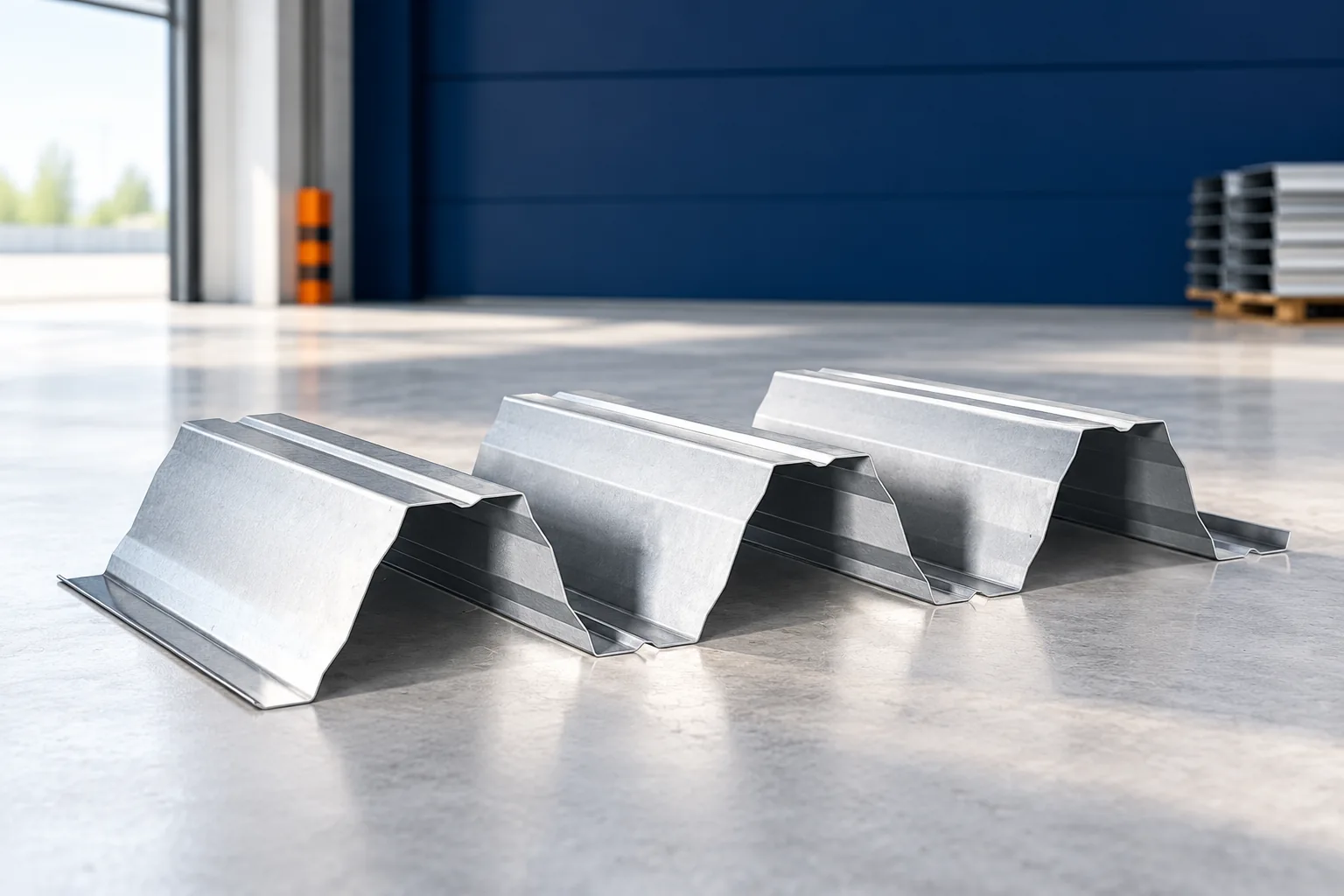
A low profile used as an external covering sheet and a high load-bearing profile can look similar in a small sample. Their tasks, however, are different. Structural sheet is part of the load-transferring system. It can support the roof insulation and waterproofing. In such an application, tightness is provided by a separate layer designed above it.
High profiles have deep ribs and sometimes additional stiffening embossments. An example profile with a height of 130 mm has a different geometry from T18 or T35. It is not simply a thicker version of a low trapezoidal sheet. Changing the type of sheet changes the support conditions, connections and detailing. It requires verification by the structural designer.
Where does the benefit of profiling come from?
The profiling forms a cross-section that uses the material more efficiently in bending than a flat sheet of the same thickness. This allows lightweight roof substrates to be designed. The benefit applies to a specific direction of the profile’s action. The arrangement of the ribs must therefore match the layout of the supports. The sheet should not be rotated arbitrarily relative to the purlins.
The saving does not consist in choosing the highest available rib. For one roof, a lower profile with a specific thickness will suffice, while for another a higher one will be needed. An excessively heavy variant can increase the cost without any practical benefit. One that is too light will not meet the requirements. The right choice results from comparing several calculation variants.
Why does the load-bearing table require careful reading?
The table applies to a specific steel grade, thickness and structural scheme. Some values refer to a single span, others to a sheet passing over several supports. The bearing widths and the assumed deflection criterion are significant. Extracting a single number from the table does not give a safe answer to the question of purlin spacing.
The weight of the layers, snow, wind and any planned equipment must be considered. Local loading from installations may require a separate solution. Openings for skylights or ducts change the transfer of forces. The design should specify replacements, reinforcements and fixing zones. Simply increasing the number of screws around an opening does not replace missing support.

What affects the price per square metre?
The price depends on the quantity of steel, its grade, the coating and the degree of profiling. The length of the sheets and the method of transport are also significant. A square metre of the full sheet is not the same as a square metre of coverage after the overlap is made. The specification should state the unit, nominal thickness, effective width and surface finish.
Quotes must be compared for an identical support arrangement and requirements. A cheaper sheet may require a denser structure, which will change the cost of the entire roof. Conversely, a more expensive profile may reduce the number of purlins only if calculations confirm this. This is not an automatic feature of every deep sheet. The benefit must arise from a specific design.
Which costs are easy to overlook?
The quote should include fasteners to supports, side laps, flashings and profile closure elements. Transport, unloading and safe handling of the sheets are additional. In a layered roof, the vapour control layer, insulation and waterproofing are priced separately. The load-bearing sheet alone does not create a warm and airtight roof ready for use.
If PIR boards are specified above the trapezoidal sheet, their permitted support over the ribs must be checked. The thickness and strength of the insulation are selected to suit the assembly. Equally important are the layer fasteners and resistance to wind action. Arbitrarily transferring a solution from a solid substrate to a deep sheet may impair the performance of the entire building envelope.
How should installation and handover be prepared?
Before work begins, the level of the supports, the orientation of the sheets and the conformity of markings with the design are checked. On site, staged loads from packs must be planned. The structure during installation may behave differently than after all connections are made. It must not be assumed that a loosely laid sheet is a safe walkway for workers.
At handover, the support, fasteners, laps and condition of coatings are inspected. Documentation of changes made during construction is also important. If an opening or item of equipment has been relocated, the effect of this change on the structure must be confirmed. A well-selected load-bearing sheet provides a light and orderly solution, provided the entire designed assembly is maintained.
7 branches. Materials closer to your project.