Flashings
Inspecting a delivery of sheet metal flashings before installation
In brief
It is best to check the flashings while they can still be compared with the documents and set aside freely. Bringing the entire delivery onto the roof before checking makes it harder to clarify mistakes. The acceptance check does not have to be complicated. It should, however, cover quantity, geometry, material and surface condition. This allows a recognisable complete set to be handed over to the installer instead of a collection of similar metal strips. The acceptance check requires the schedule according to which the delivery was made. If the order was changed, the latest approved version must be used. It is not worth comparing the sheets with the first working quote. Differences may then result from an agreed correction rather than from a supplier error.
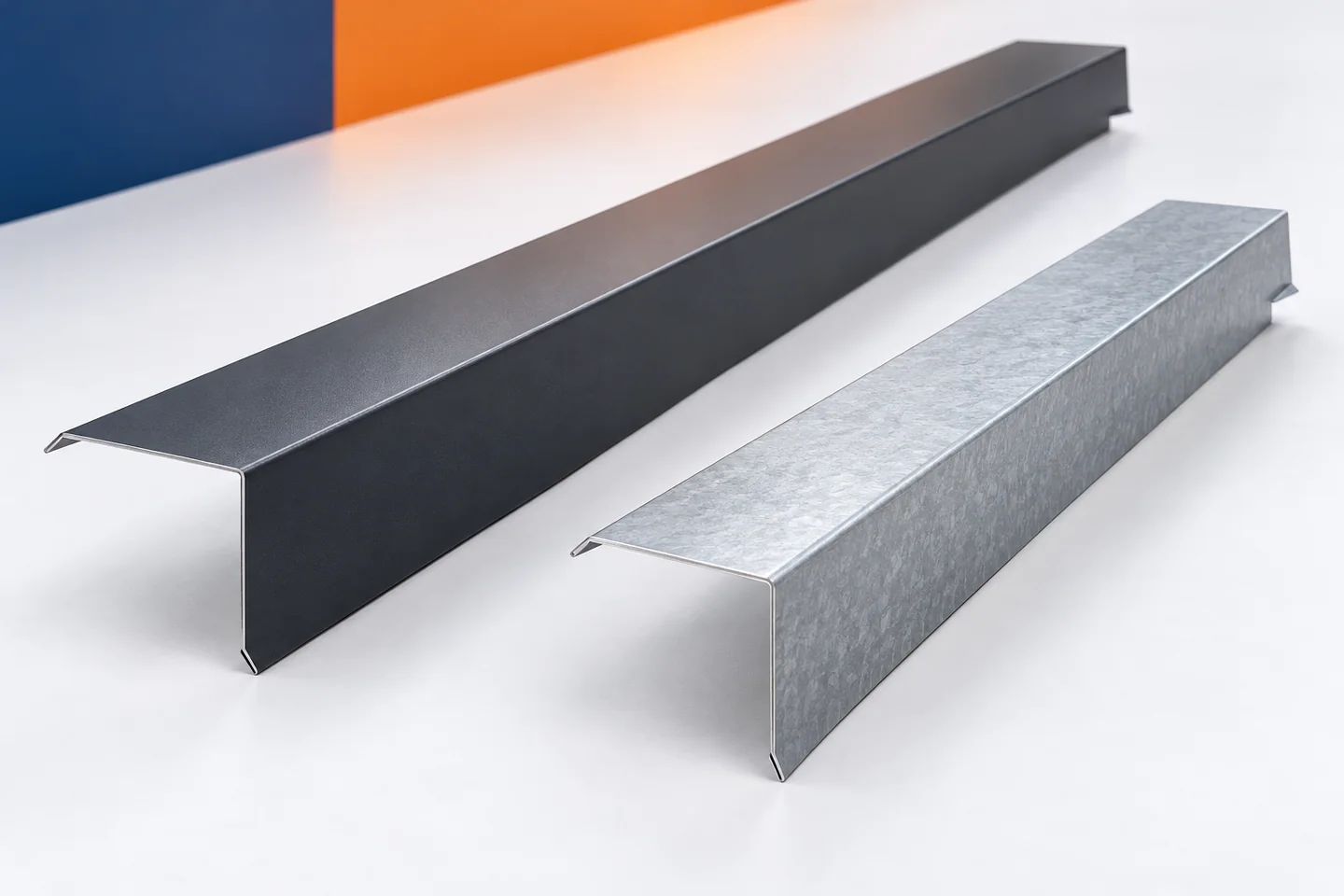
Prepare the current order and drawings
Non-standard sheet-metal flashings should have drawing numbers assigned. For catalogue items, the exact variant must also be known. A name such as verge flashing or ridge cap does not describe all dimensions. The documents should allow parts to be distinguished without reconstructing earlier conversations.
Count the elements by group and length
Ridge caps, barge flashings and gutter aprons must be checked separately. The same number of pieces does not mean a correct delivery if the lengths have been mixed up. In the table, it is worth noting the quantity of each item actually received. This also applies to short end pieces.
Starter profiles and chimney flashings may be in other packages. They must be located before completeness is confirmed. If the delivery has been split into stages, the scope of this particular batch must be noted. This avoids reporting a missing part that is due to arrive according to the agreed schedule.
Compare the shape with the approved cross-section
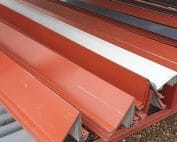
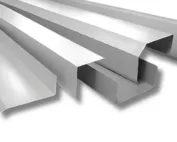
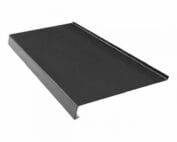
It is worth inspecting the first piece from each group. The arms, angles, folds and visible side are checked. For flashings matched to the panel seam, the profile clearance is also important. It is not enough to assess that the element looks similar to the sketch.
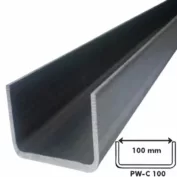
The length must be measured with a suitable tool. If the cross-section is complicated, the agreed method for reading dimensions must be used. An internal dimension must not be compared with an external one. Any difference should be described so that it can be verified unambiguously.
Check the material and surface finish
Galvanised, aluzinc and coated steel sheets have different material designations. They should match the ordered version. For colour-coated material, the shade and the expected gloss or texture must be compared. Label information and visual inspection complement each other but do not replace the full specification.
If some flashings have a different thickness, it is worth confirming that they have gone to the correct group. This applies in particular to starters and plinth covers. They must not be treated as interchangeable simply because their profile is similar. Each item should remain assigned to its function.

Inspect for transport damage
Long components may become twisted or locally bent. The ends and visible flanges must be checked. It should not be assumed that every mark will disappear after fixing. Forced straightening may worsen the surface condition or alter the shape required for installation.
On coated steel sheet, scratches and scuff marks should be inspected. The contact points between components in the pack should also be checked. Damage should be described together with its location and the part designation. A photograph taken before further handling helps separate the delivery condition from later events on site.
Separate compliant parts from those requiring clarification
If a non-conformity is noticed, the flashings in question are best set aside in a marked location. They should not accidentally end up in the installation. The findings must be compared with the supplier and the further procedure determined. Not every difference requires rejection of the entire delivery.
The remaining components can be prepared according to the sequence of works. Labelling by façade or roof section makes issuing material easier. Repeated handling of the sheets should be kept to a minimum. The less unnecessary contact with the ground and other parts, the lower the risk of new scuff marks.
Hand over the complete set together with information for the installer
The installer should have access to the correct drawings and schedule. This applies in particular to components with a similar appearance but a different purpose. Information on the colour side and installation location reduces mistakes. It is not advisable to rely solely on markings on packaging that will be thrown away.
After opening the packs, the flashings must be stored in accordance with the material recommendations. They should not lie in water or among swarf. Transport protection is removed at the appropriate time. A well-conducted acceptance is the beginning of proper installation but does not replace later care for the surface and connections.
Questions and answers
What should be checked first after unloading?
First, check that the markings and quantities match the current order. Then check the cross-sections, material and damage before the flashings are distributed to the installation stations.
Should damaged flashings be straightened immediately?
First, the damage must be assessed and the procedure agreed. Straightening it yourself can make it harder to identify the cause and can worsen the condition of the coating.
7 branches. Materials closer to your project.