

Technology and applications
Izoprofil.pl explores how building materials work together. Sandwich panels, PIR insulation and trapezoidal sheets depend on their supports, joints, fixings and drainage. The guides explain how product properties affect use on roofs, walls and insulation assemblies. They help you read the documentation, identify limits and prepare questions for your designer or contractor. You can also look up detailing, common faults and preparing materials for installation. Use the technical issue on your project to choose an article, then check the instructions for your specific product. Similar-looking components may have different requirements.
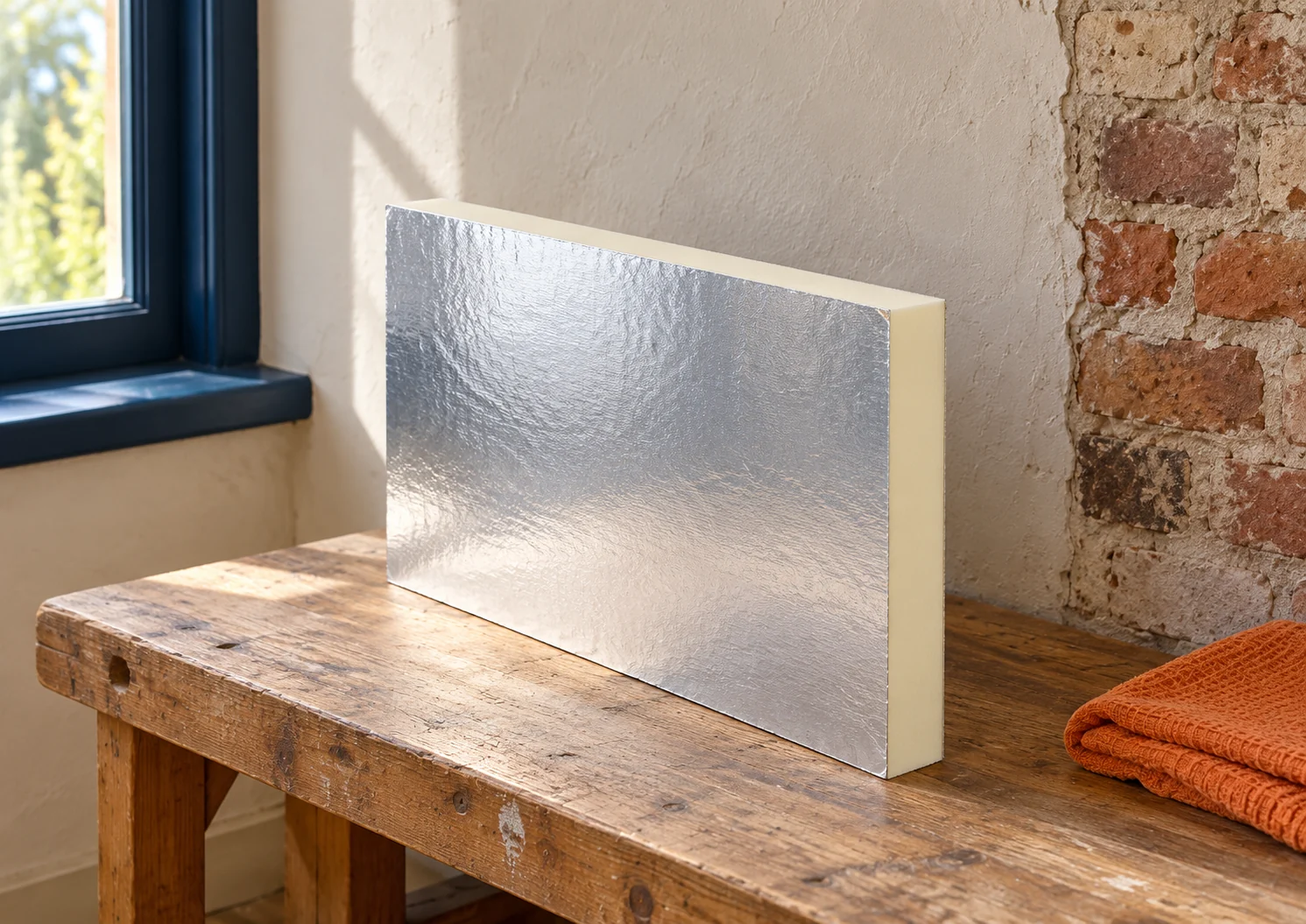
What role does the aluminium facing play in internal insulation?
The aluminium facing on a PIR board affects the passage of water vapour through the insulation layer. However, it does not in itself seal joints, corners or service penetrations. With internal insulation, the continuity of the entire system is what matters. Equally important are the condition of the existing masonry and its ability to dry out after the build-up has been installed. The metallic surface may be a multi-layer facing incorporating aluminium, paper and plastic. It should not be treated like any kitchen foil, nor should identical properties be assumed for every shiny product. The declared parameters of the specific product and the solution intended for the wall are what count.
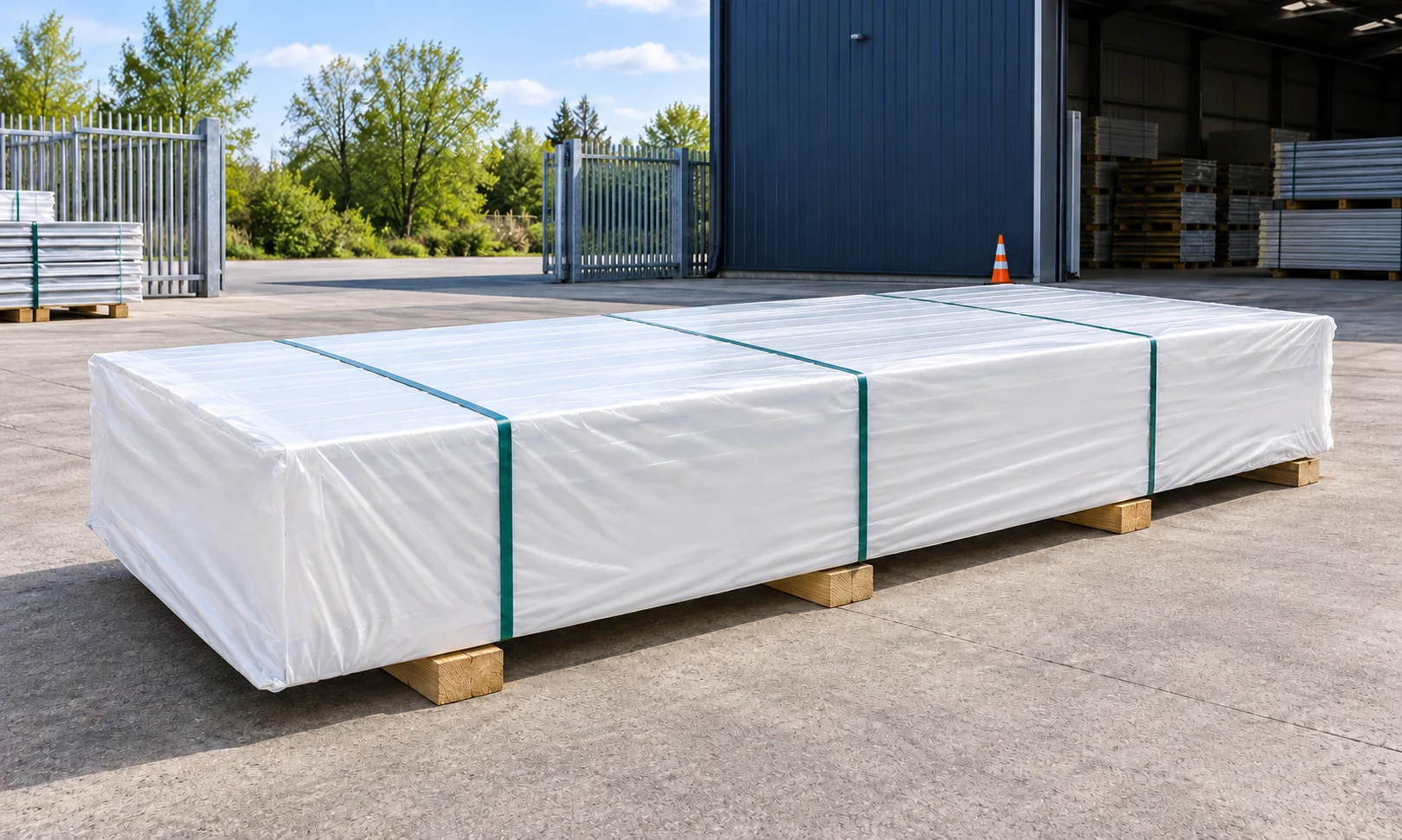
Buying sandwich panels in Lower Silesia: how to compare delivered costs
When buying panels in Lower Silesia, the final price of the delivered set matters. Distance from the warehouse is only part of the bill. You need to check available lengths, access and the unloading method. In a small order, these items can change the comparison result more than a small discount per square metre of material. Note the panel type, core, thickness, facings and colour. Provide the lengths and number of pieces. If you do not have a ready cutting plan, attach a plan and cross-section with openings. Information about the building's floor area alone is not enough to prepare a comparable quote.
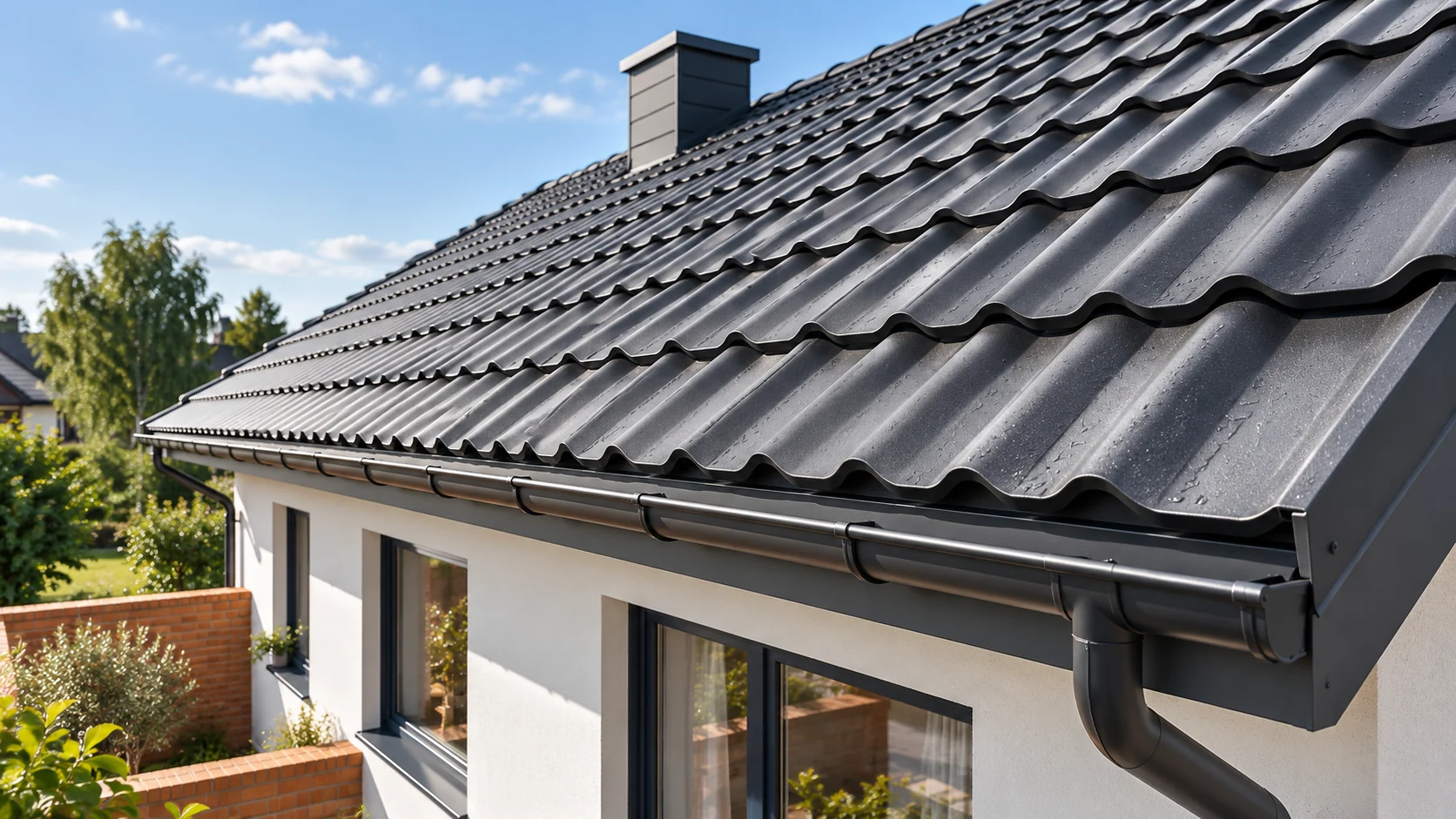
What layers make up tile-effect metal roofing and what does each one do?
Tile-effect metal roofing is a profiled sheet whose shape echoes rows of roof tiles. Stiffness comes from the steel and the geometry of the pressings. Appropriate protective layers guard against corrosion. The sheet alone does not make up the whole roof, however. It needs support, fixings and correctly made connections. The basis is a thin steel core. On it sit protective layers, including metallic protection and coatings that prepare the surface and finish it. The build-up depends on the specific product. The coating on the underside may differ from the decorative outer layer.
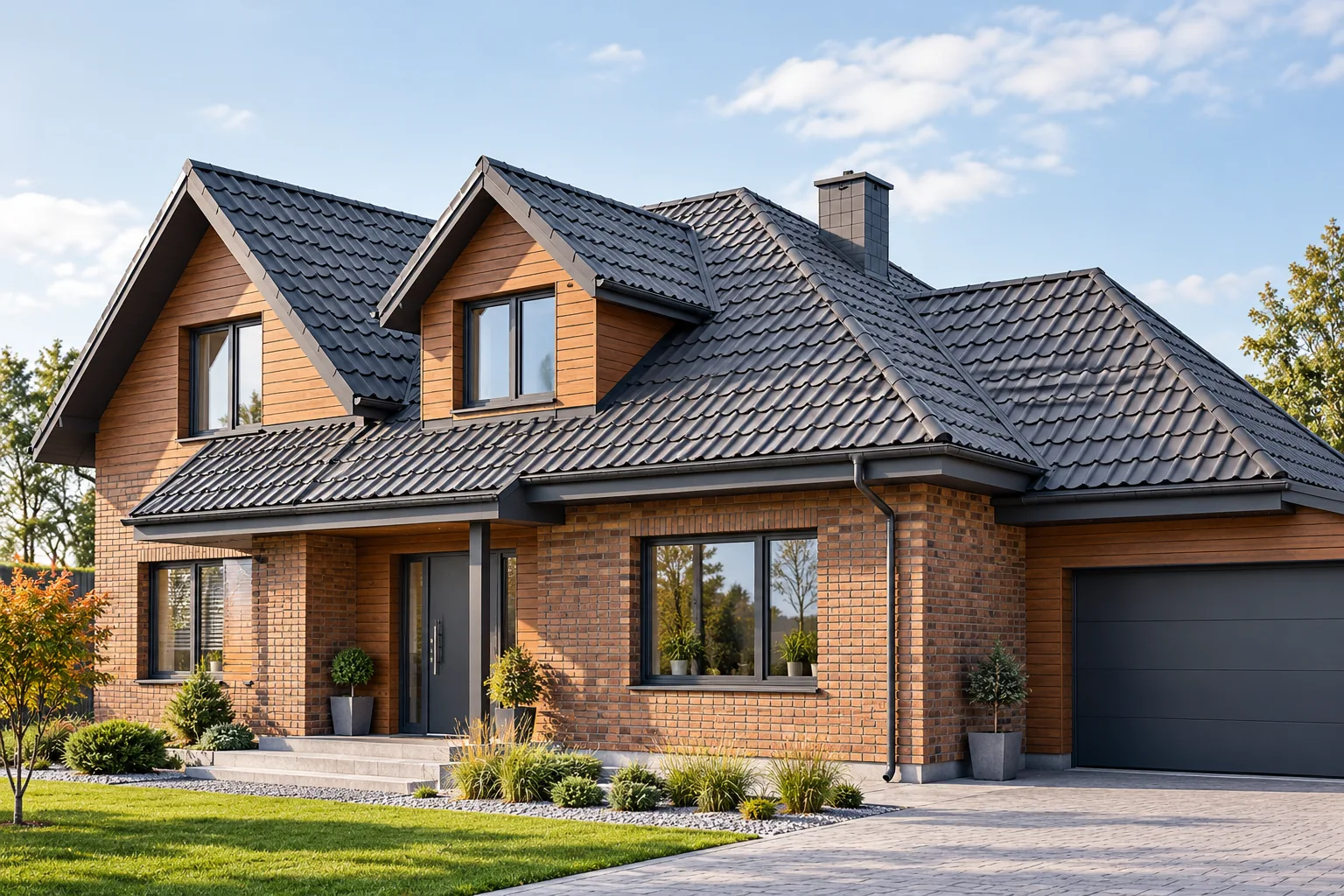
Multi-pitched roofs: structure, limitations and choice of covering
A multi-pitched roof requires careful planning of the junctions between roof slopes. Roof valleys, hips and short sections increase the number of cuts and flashings. Modular tile-effect metal roofing can make work on such a form easier, but it does not eliminate waste or difficult details. Before choosing the covering, it is worth checking the pitches of all roof sections, the layout of the sheets, ventilation and the method of water drainage from the roof valleys. These elements determine the costs and tightness. A multi-pitched roof has external hips and internal roof valleys. At a hip, water flows onto the adjacent slopes. A roof valley collects it from two sides and leads it downwards. These are different tasks, which is why they require different details.
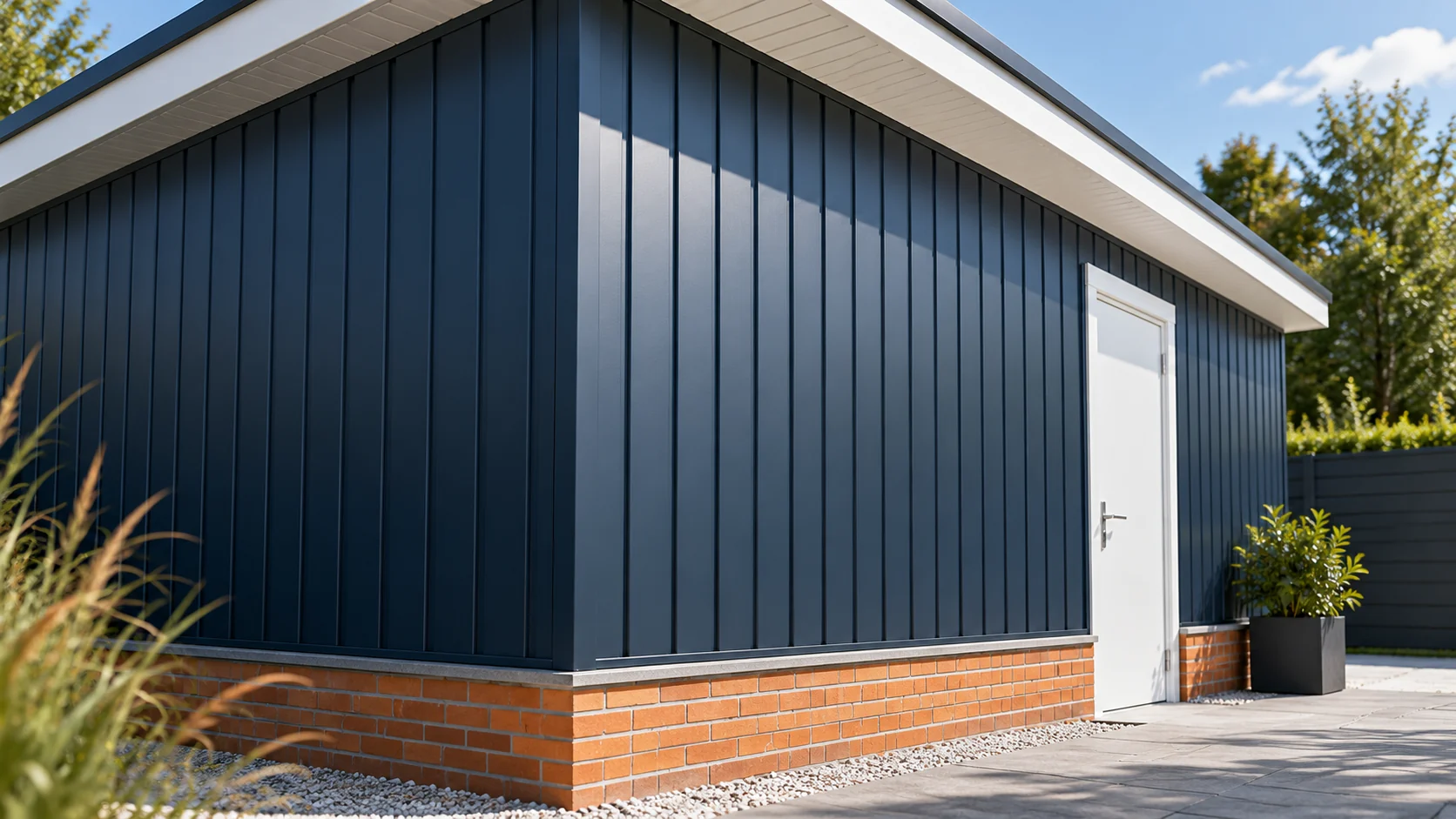
How do you calculate the coverage of T7 steel sheet and choose it for a small area?
T7 steel sheet has a very low profile. This allows it to create a subtle pattern for soffits, façades or protective cladding. For a small area, an accurate layout is important. One additional sheet can noticeably change the order cost. Before calculating, however, the coverage and intended use of the chosen variant must be checked. This refers to a rib height of approximately 7 mm. It is not the steel thickness or information about load-bearing capacity. Different product families may have different corrugation spacings, widths and edges. Therefore the T7 designation does not replace a technical drawing.
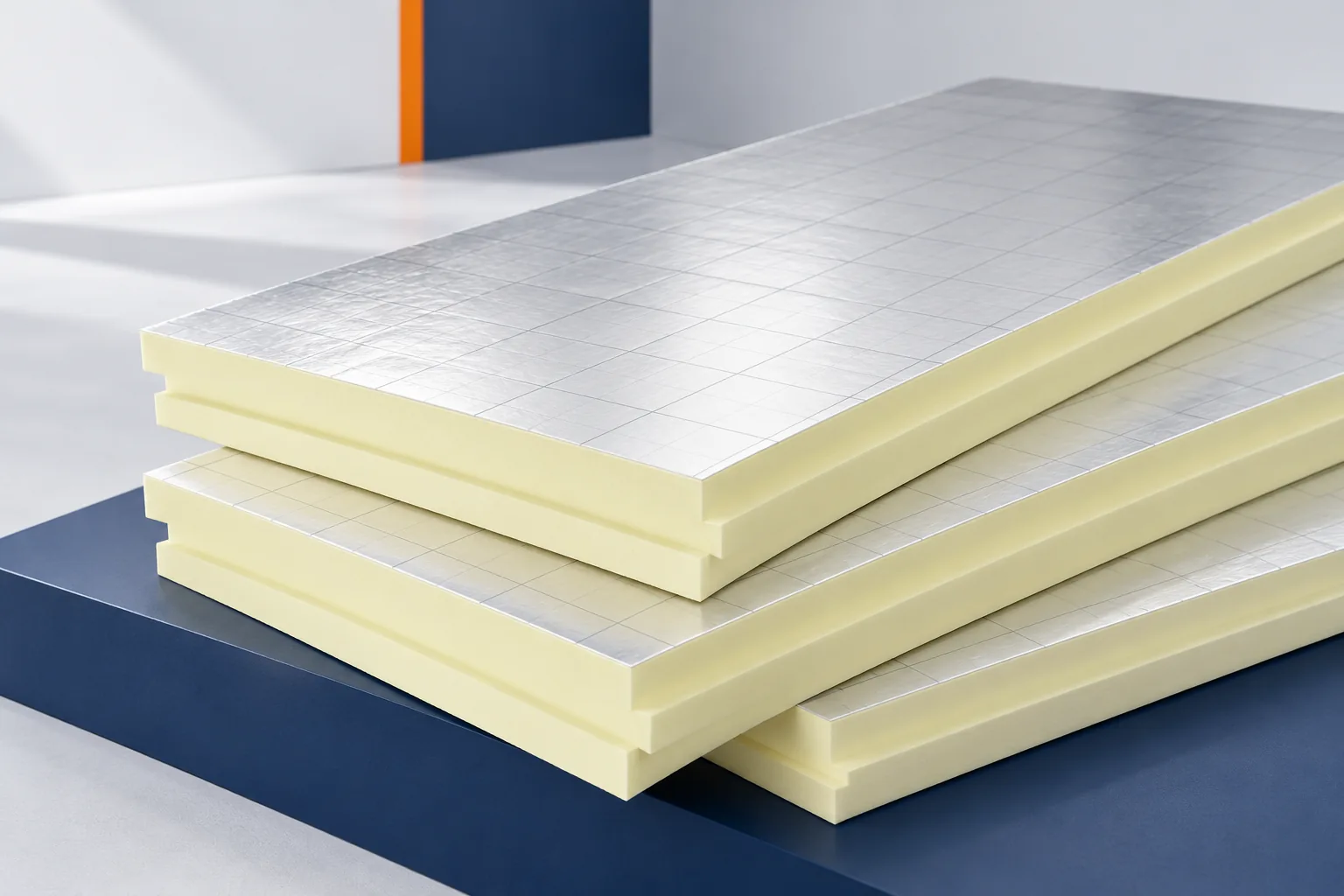
Roof insulation: comparing PIR, EPS, XPS and mineral wool
The choice of roof insulation depends primarily on the available thickness and the required thermal resistance, not on the material name alone. Check whether a layer with the necessary lambda can fit in the given space and whether the product has declared mechanical and fire properties for the specific assembly. PIR can achieve high thermal resistance with a relatively thin layer, but it does not replace XPS in areas of prolonged water exposure. EPS comes in many variants, while mineral wool stands out for fire and acoustics. Compare complete options, not just board prices.