Roofs and roofing
What should you record before roof and insulation layers are covered?
At a glance
Recording roof and insulation layers before they are covered preserves information that will not be visible during an ordinary inspection of the completed house. A useful record connects the location, product identification, drawing reference and outcome of the agreed check. An unexplained folder of photographs does not provide that structure. This guide suggests a practical way to organise images, product documents and outstanding questions, from preparing the first work package to handing the records to the owner. Examples cover metal roofing and PIR and XPS insulation. It supports a personal construction archive rather than providing instructions for assessing workmanship. Agree the required inspections, measurements and documentation with the people responsible for the particular project.
Define the record before work begins
Before the team starts, identify with the work coordinator the locations that will become difficult to access. Replace a general request for “roof photographs” with the particular area and the stage at which it should be recorded. Also agree who announces readiness for inspection, so taking pictures does not replace a necessary site visit.
Give photographs an unambiguous location
Use one identification system for rooms, roof slopes and façade sections. References to a current drawing are useful, while any additional labels need a clear key. A number on a photograph must mean the same thing in the note and on the plan. If numbering changes during recording, preserve a record of the correspondence.
For a chosen detail, take an overview and a close-up. The overview locates it within the building; the close-up shows the feature being discussed. A close-up of a tape, fastener or board edge alone can be impossible to identify later. Do not assign a dimension or property from a photograph if the image does not actually establish it.
Connect the installed area to its product and drawing
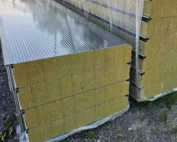
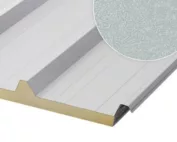
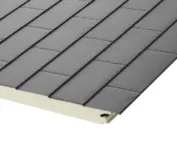
Associate the product documents with where that product was used, rather than retaining only a general manufacturer catalogue. Record the exact name, variant, packaging identification and available documents for the supplied material. Keep similar products delivered to the site distinguishable in the records. Similar board colours are not sufficient evidence that two boards are the same product.
Note the drawing revision used for the work package. If the solution changed, attach the approved arrangement and identify the affected area. Several files all named “final” make the decision history difficult to reconstruct. Mark the earlier revision as superseded while retaining its connection to the change record.
Record the check and outstanding questions
Separate an observation from an assessment. “Photographs of the joint taken” describes a recording activity, not confirmation that the joint is correct. A check record should identify the person, date and area actually examined. Where only part of a surface was checked, do not extend that statement to the entire roof slope or every room.
Create a separate entry for each question needing clarification, with its location, description and the person responsible for replying. Attach photographs without using them as a substitute for describing the issue. Add the decision and any subsequent recheck when it is resolved. Retain the initial note because it explains why additional action was taken.
For the roof record, identify junctions with chimneys, windows and other penetrations where these occur in the design. General views of the finished roof will not show the earlier stages at those locations. Agree which images are needed before they are concealed; do not dismantle completed components yourself merely to obtain archive photographs.
Distinguish roof records from insulation records
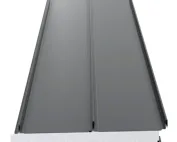
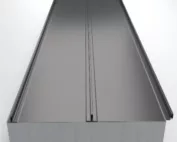
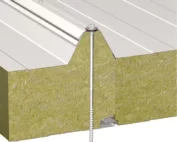
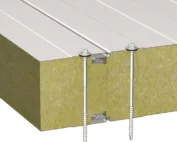
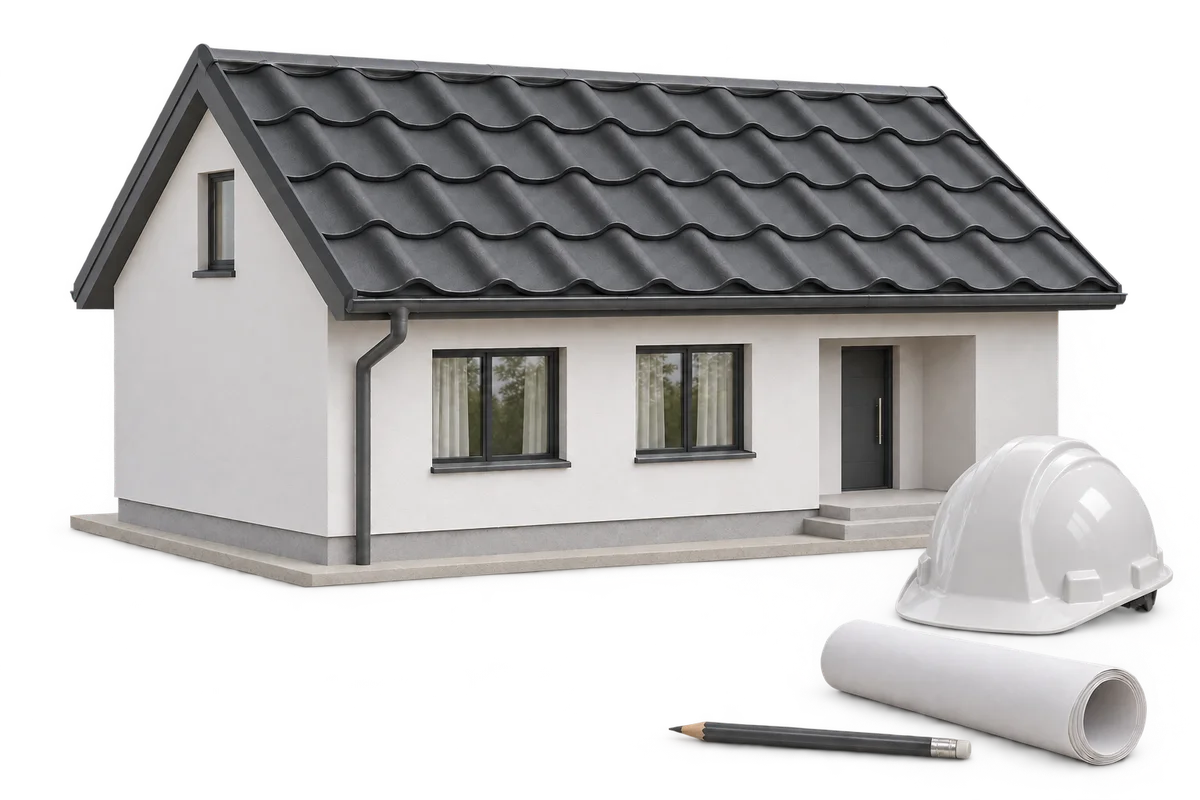
For metal roofing, distinguish identification of the sheets from records of the accessories. A note naming the metal roof tile model does not automatically identify the fasteners or flashings used. Include their references where available and the agreed detail. A photograph of the completed roof does not by itself confirm all components concealed beneath the covering.
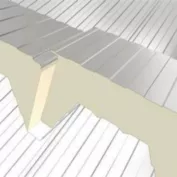
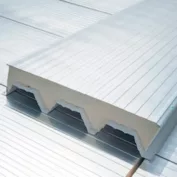
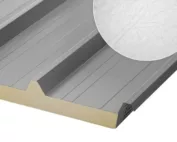
For insulation, record the board type, declared thickness of the supplied product and installed location separately. Where several layers are specified, documenting one layer does not describe the whole assembly. Do not derive the thermal performance of the building element from a single photograph. The record helps locate the relevant materials and documents; it does not replace design calculations.
Hand over records that can actually be used
Prepare an archive index listing each work package, location and its files. Check that the documents can be opened without access to a contractor’s personal phone. Copies of the files and a readable index are more usable than expiring links sent through a messaging app. Limit access to personal information and project documents to the people who need them.
Review the outstanding-questions list before handing over the archive. Give each item a current status and leave unresolved questions clearly marked. Indicate where operating instructions and inspection records are stored. The owner then receives an organised account of what was documented together with a clear indication of what still needs to be found or clarified.
7 branches. Materials closer to your project.