Roofs and roof coverings
Roof maintenance without improvisation: planning access for recurring tasks
At a glance
Drainage cleaning, roof-covering inspections and servicing rooftop equipment are better planned as recurring tasks than as a series of urgent roof visits. Each needs a location, access requirements, suitable competence and workplace preparation. First consider whether the task can be completed without work at height; where that is necessary, appropriate assessment and protection are required. This guide helps a premises manager build a register of tasks and information contractors need. It does not prescribe universal inspection intervals or replace building and equipment documentation or applicable legal requirements. The aim is to prepare each visit using current knowledge rather than repeating an earlier method without confirming its suitability.
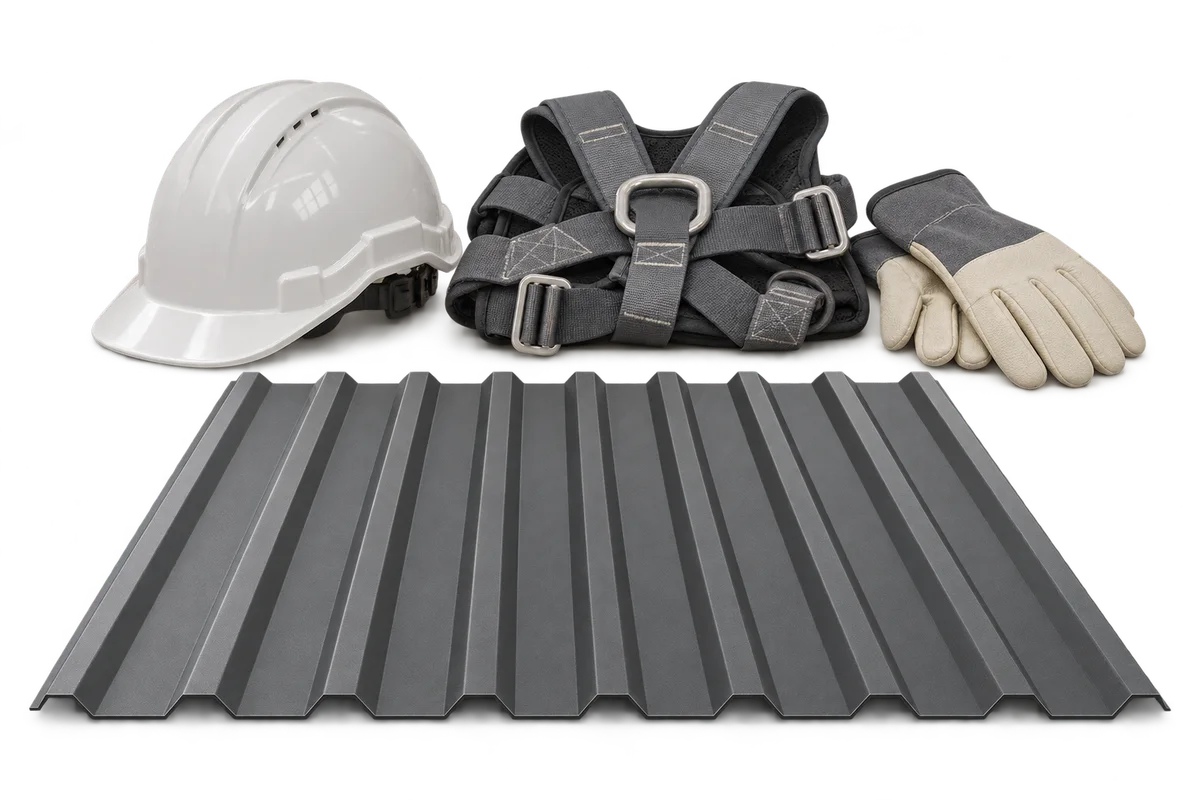
List recurring tasks
“Annual roof check” can conceal several different tasks. Reading equipment data, examining a joint and cleaning an outlet should each have a defined scope and access requirements.
Start with building and equipment instructions and the history of reported issues. Record the purpose of each task: what must be checked or done and what findings the manager needs. Do not define scope solely from an invoice description. A broad service label makes it difficult to establish whether an important item was covered at all.
Check whether roof access is necessary
Assign each task to an identified location on the plan. Distinguish confirmed information about the surroundings from matters needing investigation. Absence from a drawing does not establish absence of a hazard. Recheck plans after changes to services, openings and equipment arrangements rather than treating handover drawings as permanently accurate.
Before arranging access, ask a specialist whether the required result can be obtained without sending someone onto the roof. Remote readings or observations from a safe position may suit some tasks, but not all. Record the method’s limitations explicitly. A surface image alone establishes neither concealed components’ condition nor whether the covering is safe to walk on.
Match requirements to the work location
Where routine servicing requires work at height, communicate that need to whoever designs or assesses access. A long-term arrangement must suit the actual workplaces and frequency of use. Do not buy arbitrary equipment merely because it is readily available. Assessment must cover approach, working position and safe return, not just reaching the height.
Separate expertise in the equipment from preparation for its installation location. Knowledge of control systems does not automatically prepare a technician for every roof hazard. Address both requirements when commissioning the visit. Ability to perform the technical task does not replace competence in access and the protective arrangements used.
Organise timing and responsibility
Set dates from the relevant instructions, requirements and identified operating conditions. Record the basis for each date and who tracks completion. Do not copy a neighbouring building’s schedule simply because its roof looks similar. Distinguish scheduled tasks from events that call for additional assessment.
When booking, allow preparation time and the possibility of rescheduling because of site conditions. Consider combining tasks only after assessing their interaction. Fewer journeys do not justify simultaneous work by teams that interfere with each other or use an uncoordinated shared area.
Update the register when the building changes
When adding equipment, review the effect on future servicing. Agree access, working space and documents the next contractor will need. Space adequate for initial installation may not suit every later task. Adding an asset to the register should address these questions as well as its serial number.
Do not let removal of a supposedly unnecessary component silently alter conditions for the next visit. This includes work by other teams. Changes may require protective arrangements to be checked by competent people. Retain the earlier records and identify agreements that are no longer current before booking further servicing.
Use the findings from every visit
Obtain findings tied to the agreed scope. Separate inspected locations from inaccessible ones and completed work from future recommendations. “No issues” without a defined area does not explain what was assessed. An unfinished task needs a follow-up decision and responsible person rather than disappearing once the visit is paid for.
Maintain one current set of plans, instructions and visit findings for those organising maintenance. Attach current information to a new order rather than reusing last year’s attachment unchecked. The register supports planning but cannot replace assessment before the particular job. Even recurring work requires confirmation that its present arrangements are suitable.
7 branches. Materials closer to your project.