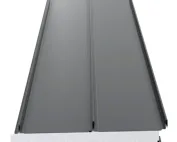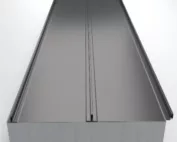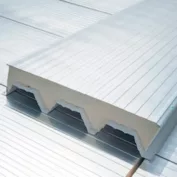
Sandwich panels
Sandwich panels in use: defining conditions on the outside and inside
At a glance
Ordering sandwich panels requires a description of the conditions on both sides of the enclosure. An external façade faces different exposure from a hall interior, and rooms within the same building may be used differently. Choosing colour and thickness therefore does not settle questions about facings, coatings, details and upkeep. This guide helps prepare a description for the designer and supplier: temperature and humidity, cleaning methods, local contamination, possible damage and planned changes of use. It does not assign one coating to every workshop or warehouse. The aim is to identify the information needed to assess a particular solution and record its limitations before ordering material.
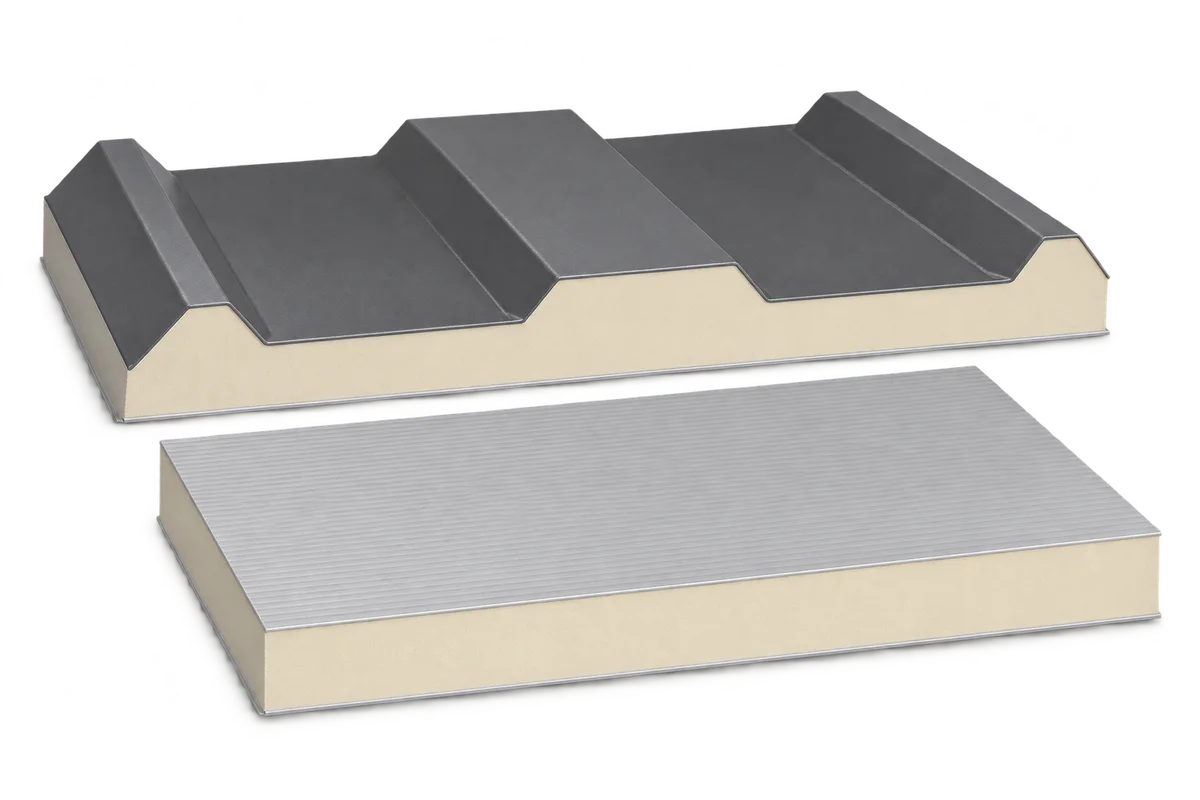
Describe both sides of each building element
Begin with a map of operating zones. Mark areas with different conditions on the building plan, then associate them with the relevant wall and roof sections. One general building description often misses those differences.
For each zone, identify what lies on the panel’s outer and inner faces. A partition between rooms needs a different description from an external wall. Do not automatically give both sides identical conditions. If one room has yet to receive its equipment, mark the missing information rather than treating it as an ordinary dry space.
Gather temperature and moisture information
Describe temperature together with the operating pattern: continuous use, shutdowns, intermittent heating or cooling. For measured data, include the location and period of measurement. One reading does not represent year-round conditions. For a planned operation, distinguish process requirements from values already confirmed on site.
Identify areas with steam, condensation or intermittent dampness. Describe the source and circumstances where known. A problem requiring assessment of the complete assembly and its joints should not be resolved simply by changing panel thickness. Moisture information needs to reach those selecting the solution before facings and details are specified.
Define how surfaces will be cleaned
If surfaces will be washed, describe the intended cleaning method. Provide the selected products and their instructions where available, and ask about compatibility with the coating. A cleaner previously used on another facing should not be assumed suitable here. The final upkeep method should follow the documentation for the ordered solution.
Alongside normal room conditions, note recurring events such as intensive cleaning, production shutdowns or operation with doors open, where relevant. This information supports assessment; it does not let the owner classify a coating automatically. A supplier can address a described process more precisely than a general question about suitability “for industry”.
Identify local exposure and damage risks
Outside, identify façade orientation and local sources of dirt or splashing. Where vehicles or equipment may contact the wall, flag the need to assess protection against damage. Surface selection and mechanical protection are different matters. A coating name does not replace a bumper or plinth-protection detail.
Record colour separately from coating type and intended use. Two visually similar panels can have different surface specifications. Where appearance matters, agree a sample and how it relates to the order. Do not judge technical compliance from a photograph alone or colour agreement solely from a phone screen.
Separate appearance from coating performance
For a dark colour, request a check of the conditions applicable to the specific panel and arrangement. Do not transfer length or installation restrictions from another product family. The confirmation should identify the panel version and building section concerned. A colour appearing in a palette does not complete the application assessment.
For each order item, list internal and external requirements and the confirmations received separately. If a reply covers only one face, mark the other as unresolved. This helps prevent a statement about façade protection from being mistaken for confirmation that the facing is suitable inside a regularly washed room.
Record limits for future use
Before receiving the material, decide who will receive the cleaning, inspection and surface-damage guidance. Those documents should not remain solely in purchasing correspondence. The building operator needs access to instructions for the supplied coating, rather than general advice covering unspecified sheet metal.
If room use or cleaning methods change later, return to the recorded selection conditions. Compare the new requirements with the original ones and refer differences for assessment. Successful performance under the previous use does not automatically establish suitability for the new conditions. The retained zone map identifies exactly which sections need another review.
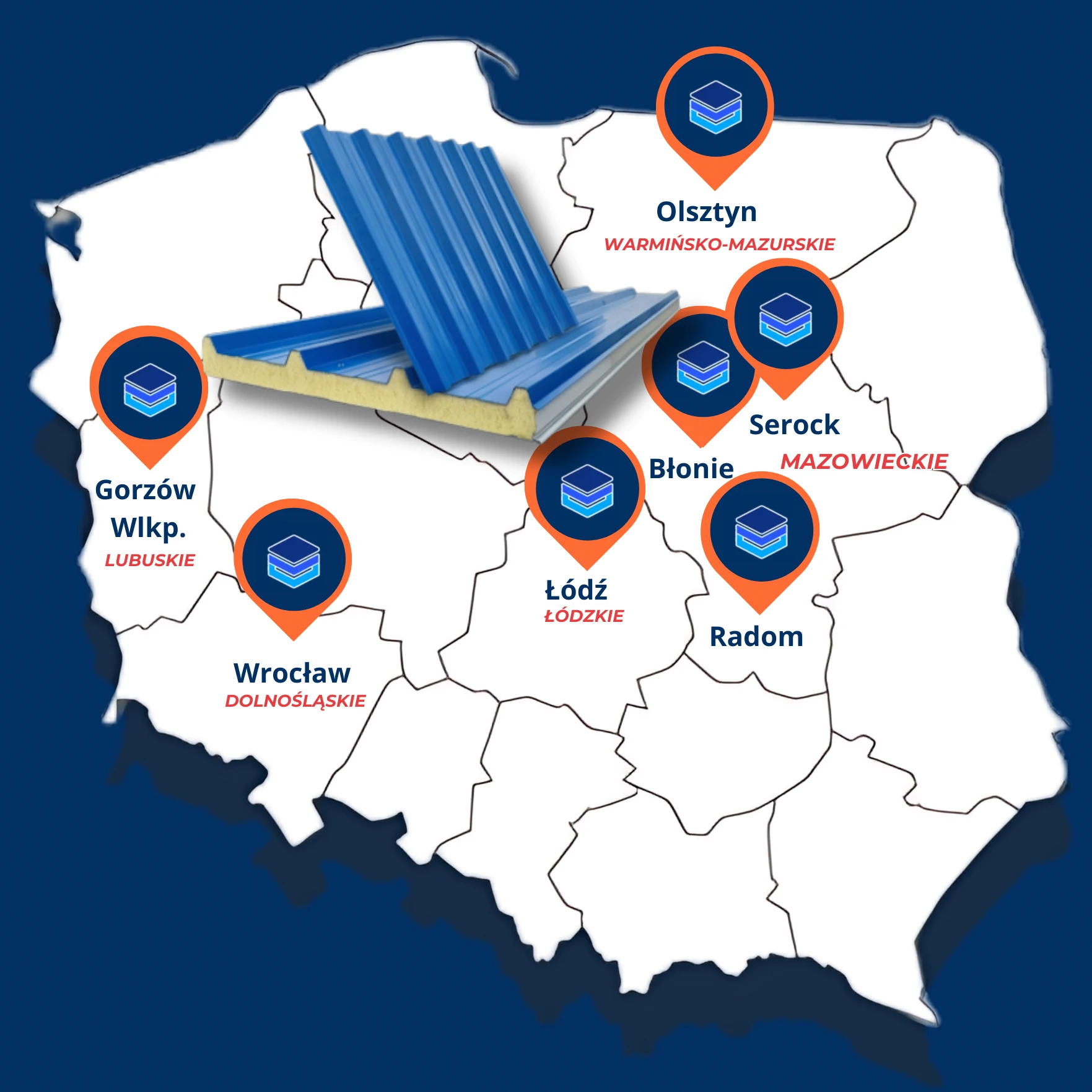
7 branches. Materials closer to your project.