Sheet metal and roofing
How do you match the colour of trapezoidal steel sheet to the roof, façade and flashings?
In brief
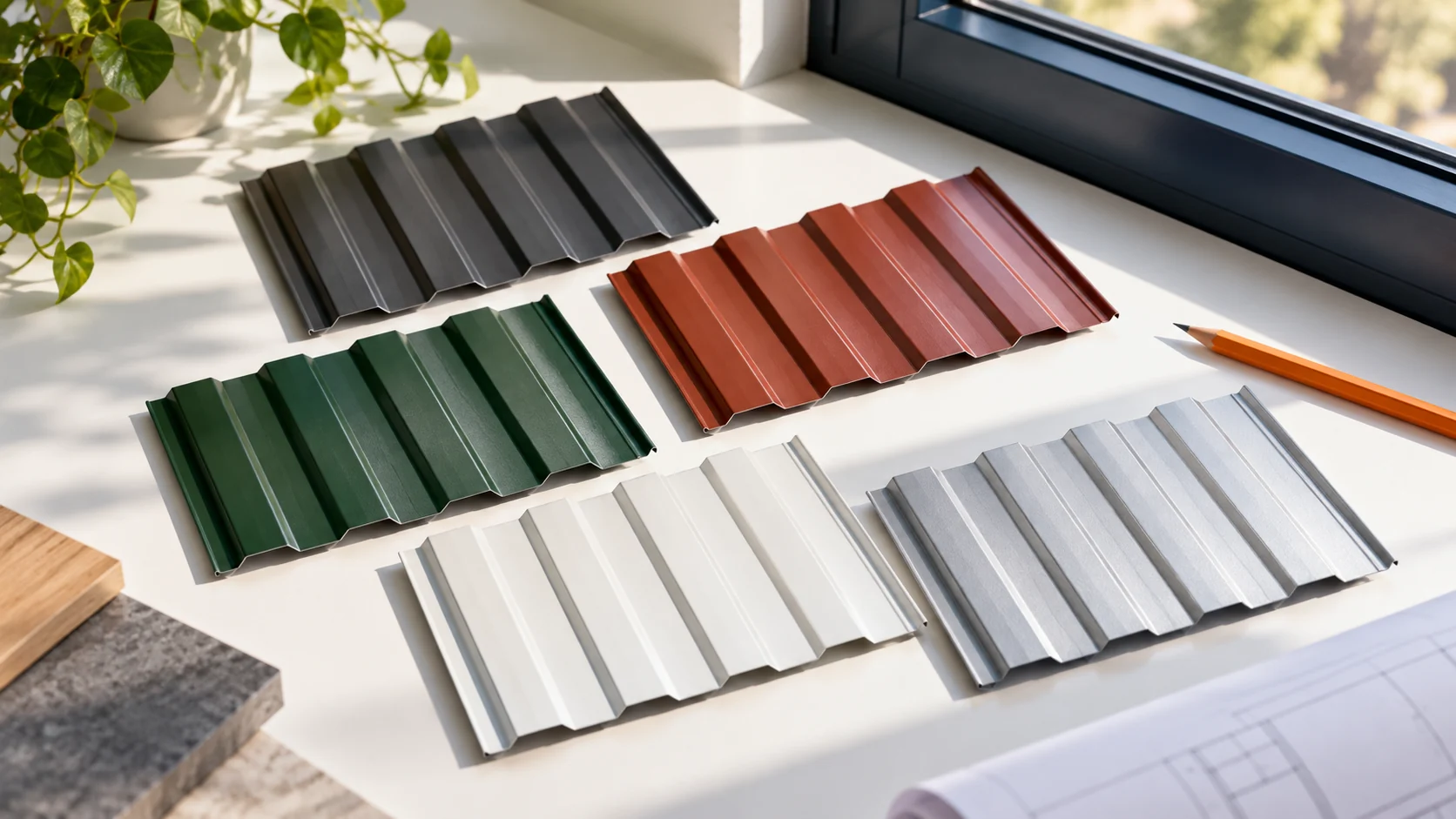
A colour code helps you order the sheet, but it does not describe the entire appearance of the surface. Gloss, texture, the direction of light and the profile all matter. The same shade can look different on a roof and on a vertical wall. That is why it is worth checking the choice on a real sample together with the flashings, gutter and joinery. The RAL designation brings order to the choice of colour. It does not, however, replace a description of the coating, its thickness and its finish. Two elements with the same number can differ in gloss and in how they read in the light. On a large surface such a difference can be more noticeable than on a small swatch.
What does the RAL number tell you, and what does it not specify?
So in your order, note not only the colour but also the type of surface. Compare samples under similar conditions. A phone screen and a printout do not guarantee a matching shade. A product photograph is helpful for an initial choice, but it should not be the sole basis for a large order.
How does the shade affect the proportions of the building?
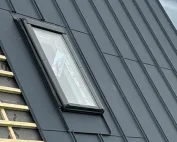
A dark covering can emphasise the outline of the roof slope more strongly. A light façade often gives a small building a lighter appearance. These are aesthetic guidelines, not a mandatory rule. It is worth viewing the whole building together with neighbouring materials and the surroundings.
On a narrow plot, the close-up view matters. A deep trapezoidal profile creates a rhythm of shadows that is not visible on a flat sample. For a small extension, also consider the width of the corners and the strips at openings. Contrasting flashings can clearly change the proportions of the wall.
Which colours are worth combining on a sample?
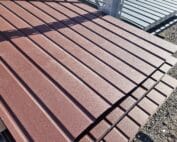
For comparison, you could choose, for example, anthracite RAL 7016, dark brown RAL 8017 and a lighter RAL 9002. With warm colours in the surroundings, it is also worth checking a shade from the red group, such as RAL 3009. These are examples, not a statement that every profile is available.
Place a sample of the façade, window frame and gutter next to each other. View the combination in sunlight and in shade. Metallic surfaces require particular attention to the viewing direction. A well-chosen shade should still match when the roof and wall are lit differently.
Does darker sheet require a different approach?
Surface temperature depends, among other things, on colour, coating and solar exposure. This matters for thermal deformation and the behaviour of long components. However, a single temperature should not be attributed to every dark steel sheet. Conditions are assessed for the actual solution.
Check the length limits and the fixing method in the intended system. Connections that must allow for dimensional change are particularly important. Colour is therefore also part of the technical selection. It is not worth changing it after the layout has been approved without checking these conditions.

Why is the coating more important than the colour itself?
The protection of the steel sheet is selected to suit the ambient conditions and use. Different exposures occur on a quiet residential building than in an aggressive environment. The colour code does not confirm resistance to corrosion or to specific chemicals.
Ask about the intended use of the coating and the maintenance requirements. Do not choose it solely on the basis of thickness in micrometres. The type of material and the properties of the entire protection system also matter. The warranty conditions should correspond to the actual use of the steel sheet.
How can you avoid differences between the roof and the flashings?
Order the components as a coherent set with an unambiguous description of the finish. Check whether the flashings and the profiled steel sheet come from a suitably matched material. Merely repeating the RAL number in two independent orders does not eliminate the risk of a visual difference.
For a large area, it is worth agreeing the material batch and the installation sequence. A later supplementary order may stand out among components already in use. If you anticipate an extension, record the exact description of the first delivery. This does not guarantee identical ageing, but it makes selection easier.
If some of the flashings are made on site, prepare flat steel sheet with the agreed coating. Random material bought for a single corner may stand out from the façade despite a matching colour number.
What should you check after delivery before removing the protective film?
Compare the batch markings and the type of coating with the order. Examine the sample in daylight, in accordance with the rules for handling the protective film. Do not assess the colour solely through soiled or coloured film. Clarify any doubts before installing the entire roof slope.
During acceptance, also check for scratches and deformation. A difference in gloss caused by damage is not a colour variation. After installation, keep a small, described piece of material for later comparisons. It will be helpful when selecting flashings or planning a minor repair.
Questions before ordering
Is the colour on screen enough to approve an order?
It does not guarantee the appearance of the finished surface. It is best to compare actual coating samples in daylight and against the target materials.
Does a single RAL number guarantee the same gloss level?
No. Gloss and texture are separate surface characteristics. They must be specified in the order together with the colour.
7 branches. Materials closer to your project.