Choice of roof covering
Clay tiles or tile-effect steel roofing: what to check before choosing
In brief
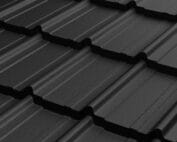
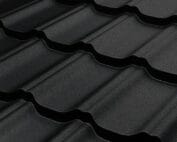
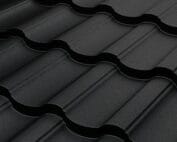
The choice between ceramic tiles and metal roofing depends on compliance with the design and the required roof pitch, not on the appearance of a sample. Check whether both coverings fall within the pitch limits given by the manufacturer for the specific product, since a single limit for the whole category does not exist. A shallow roof may need additional layers under the covering, which changes the cost and scope of work. Also analyse the load-bearing capacity of the roof structure, the fixing method, the full cost estimate including flashings, and local requirements for the building’s appearance.
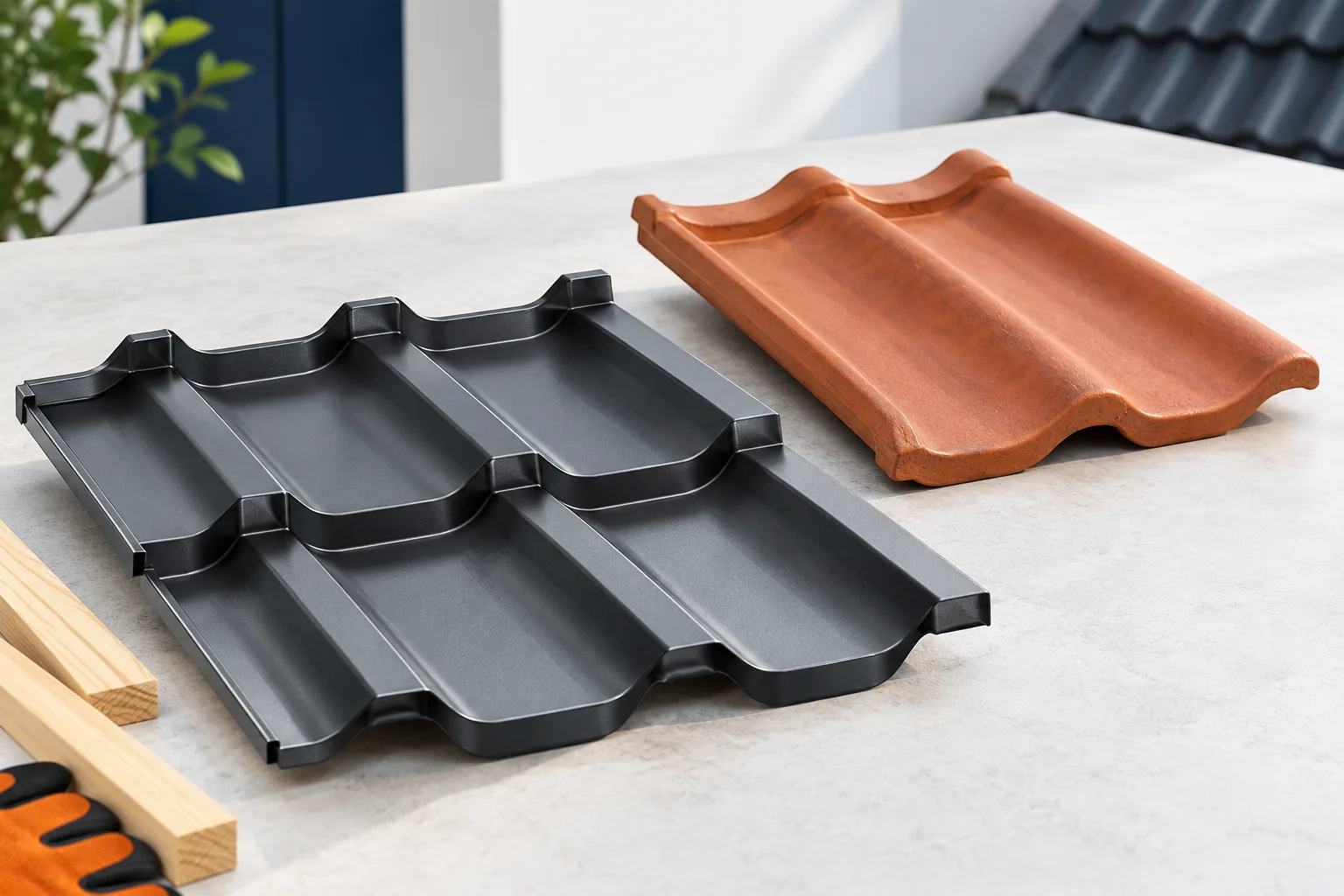
Do both coverings suit the same roof?
The first criterion is compliance with the design and the required pitch. Each product has its own rules of application. This applies both to profiled steel sheet and to tiles. A single pitch limit cannot be assumed for an entire category. On a shallow roof slope, additional solutions beneath the covering may be needed. Their cost and method of installation must be included in the comparison from the outset.
It is also worth checking local provisions on the appearance of the building. The shape or colour of the roof may result from planning documentation or conservation requirements. When renovating, changing the covering is not always purely a purchasing decision. The scope of works and intervention in the structure affect the formalities. These matters are best resolved before ordering material to a specific dimension.
How does weight affect the choice?
Tile-effect metal roofing is a lightweight covering, which can be important when renovating an existing roof structure. This does not, however, entitle you to skip the structural assessment. The timber may be weakened by leaks or improper earlier alterations. When choosing a heavier covering, checking the load-bearing capacity is particularly important. In both cases what counts is the entire system, not just the weight of the layer visible from outside.
Snow, wind and roof equipment are added to the permanent loads. Lightweight sheets require effective fastening against uplift. The greater weight of tiles also does not replace correct fastening specified for the given zone. The comparison should not come down to the claim that lightness or mass in themselves ensure safety. This is determined by the design and the execution of the connections.
What does the material format change?
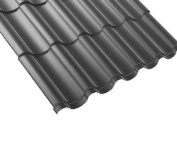
Tile-effect metal roofing cut to size allows a longer strip of the roof slope to be covered with a single sheet. This has advantages on simple roofs, but requires accurate measurements and appropriate transport. Modules are more convenient where working space is limited and there are many details. In both variants, laps, hips and edge alignment must be taken into account. Offcuts from cutting cannot always be reused.
Smaller ceramic elements are fitted to the roof slope in a different way. Their spacing and number result from the specific system. On a complicated roof, it is worth requesting a cutting plan or schedule for both variants. Only then can you see how much material will be purchased and how much will actually cover the roof. A general statement about less waste does not replace a calculation for your own geometry.

How to compare cost without omitting extras?
The cost estimate should include the covering, the substructure, the underlay layers, flashings, ventilation, fasteners and labour. Transport and roof access are considered separately. In a ceramic system, some details may take the form of elements matched to the profile. In tile-effect metal roofing, correctly executed flashings are important. A cheap basic line item does not say how much it costs to finish the entire roof slope.
When renovating, you must add the removal of the old material, substrate repairs and waste disposal. The varying scope of these works can change the price more than the choice between two coverings. Compare quotes with the same tax basis and identical scope. If one does not include gutters or chimney flashings, its lower total does not prove a cheaper technology.
What about noise, temperature and durability?
The comfort of rooms under the roof depends on the entire building envelope. Insulation, airtightness, sheathing and finish affect the sound of rain and thermal performance. You should not promise silence based solely on the type of covering. With tile-effect metal roofing, well-designed layers beneath the sheet are of great importance. A roof with ceramic tiles above a heated attic also requires insulation.
Durability is assessed for a specific material and conditions of use. Sheet metal needs protection against coating damage, swarf and accumulated deposits. Other coverings also require inspections and repairs of damaged components. The length of the warranty is not a guaranteed date of trouble-free operation for every roof. You must read its scope, exclusions and maintenance requirements.
How do you make the decision for your own home?
If low weight and efficient covering of a simple roof slope are important, tile-effect metal roofing is worth careful consideration. When the project specifies ceramic tiles and they match the desired appearance, you must compare its complete system and structural requirements. There is no need to look for a winner for all houses. The same investor may choose a different solution for a new build and for renovating an old roof structure.
Ask for a comparison of two complete variants with the same geometry and insulation. Establish the completion date, the procedure for acceptance of the works and the availability of repair components. View a larger colour sample in daylight. The decision will then be based on the conditions of a specific roof, not on a comparison of catalogue photos alone and the price of a single piece of material.
7 branches. Materials closer to your project.