Profiles and steel structures
Cold-formed profile prices. How to compare quotes per metre and per kilogram?
In brief
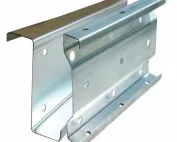
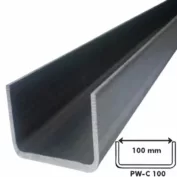
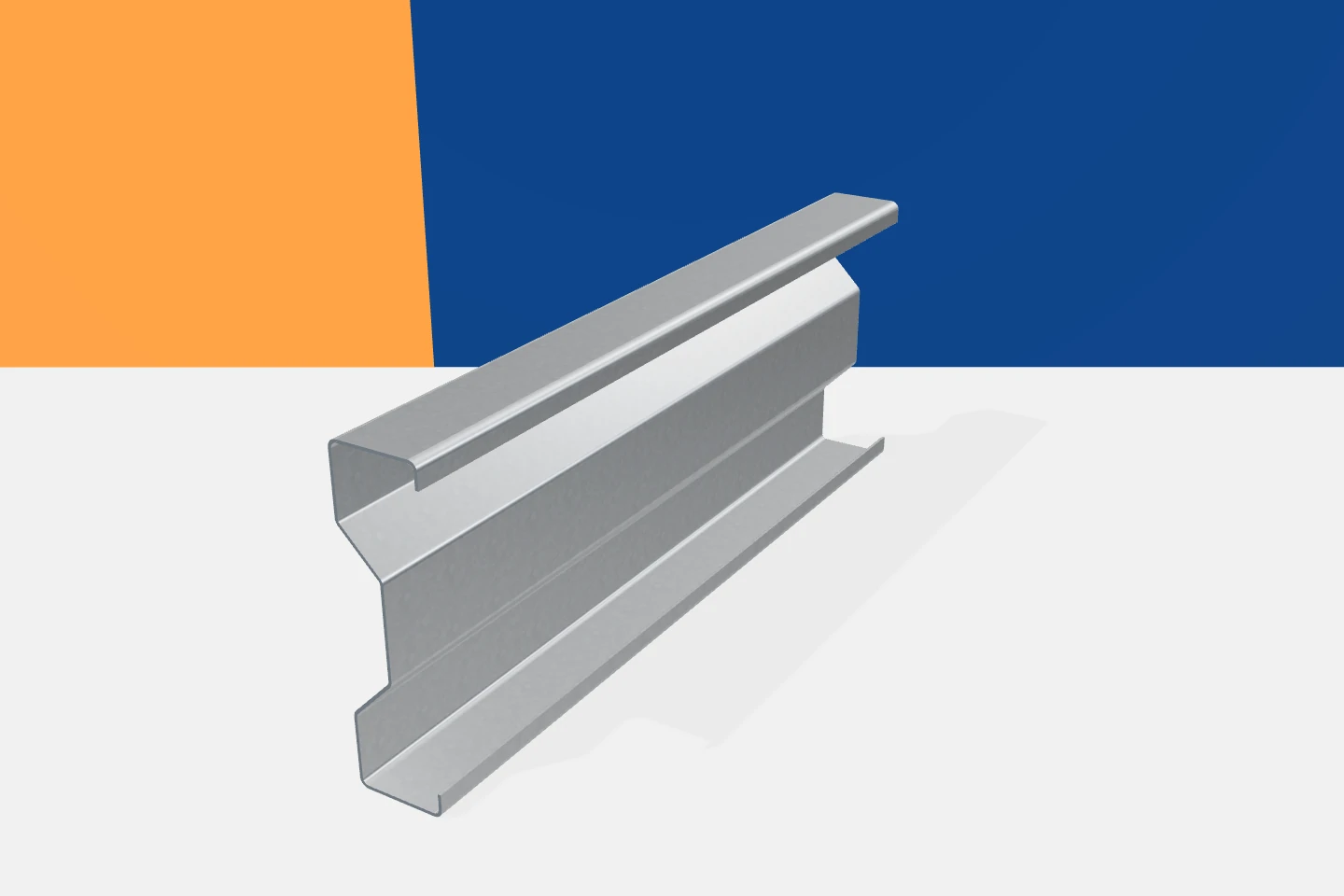
Two quotes for profiles can look similar even though they cover a different scope. One gives the price per metre of a finished length, the other the cost of material by weight. On top of that come holes, cutting, packaging and delivery. Choosing the lower number alone therefore does not guarantee savings. It is worth starting the comparison by establishing whether both suppliers have priced the same product and the same degree of preparation. The cross-section should have unambiguous dimensions and thickness. The steel grade, coating and lengths must be specified. A Z-profile with a different flange width is not the same product just because it has the same height. Likewise, channels, sigmas and omegas require a full description of the geometry.
First establish a common specification
If an offer proposes a substitute, it must be clearly separated from the base quote. Accepting it requires technical verification. A change of material should not be hidden under the general term “equivalent profile”. The buyer should know which parameters are retained and on what basis the difference can be accepted.
A price per metre requires knowing the weight and the scope
When settling by length, it is worth checking which cross-section the rate applies to. Different thicknesses and developed widths mean different material consumption. A price per kilogram also does not automatically cover all operations. It must be established whether it applies to the finished product or only to a specific stage of delivery.
For comparison, offers can be reduced to the cost of the entire schedule. The number of pieces and the length of each item are needed. Additions must be stated separately. This approach shows the actual order amount instead of creating an apparent advantage of one billing unit over another.
Lengths affect waste and organisation
Buying standard lengths for later cutting can be convenient for some tasks. For others, exact lengths prepared at the plant will be more advantageous. Waste, labour and edge treatment must be taken into account. There is no single correct answer for every series.
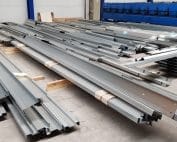
Long cold-formed profiles also require suitable transport and unloading. Access conditions and the storage location should be checked. A shorter division of elements can change the number of connections, so it is not solely a logistical decision. This variant must be assessed together with the structural design.
For an example order of twelve lengths of six metres, the base length is 72 metres. This is not yet the total cost. Operations and parts covered by the specification must be added. Such a simple schedule should be prepared before comparing rates so that every supplier quotes the same quantity of finished elements.
Holes have their own value
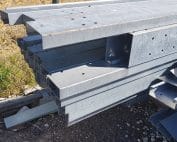
Factory-made holes can reduce work on site. However, the quote should refer to a specific drawing and number of operations. Non-standard cut-outs or different part variants can change the scope of production. A general note of “with holes” is too imprecise.
It is also worth calculating the cost of subsequent installation. Ready-made parts require correct marking and complete documentation. If the openings do not match the structure, the savings disappear in rework. Therefore, the price of production preparation should be assessed together with the quality of the input data.

Accessories can change the comparison
Purlins and side rails need connections. Depending on the system, there may be splice plates, supports, longitudinal bracing and various connectors. The absence of these items in the quote does not mean they are unnecessary. It should be checked who supplies them and whether their specification matches the profiles.
The price of the steel alone also does not show the cost of packing by zone or additional marking. Sometimes such preparation is very useful. It is worth establishing whether it has been included. A set ready for a specific assembly stage is a different scope from unlabelled cut lengths.
Coating and documents must remain in the comparison
Galvanised profiles are compared under the same protective requirements. Changing the type or weight of the coating can affect the cost but requires an assessment of suitability. This parameter should not be removed from the enquiry just to obtain more quotes. Apparent flexibility then makes a reliable comparison difficult.
Documents and product identification are similarly important. It is necessary to know what will be supplied with the delivery. The quote should specify the scope of responsibility for selection and execution. The absence of these arrangements is sometimes a source of costly misunderstandings that are not visible in the basic material rate.
In the commercial comparison, a distinction must also be made between net and gross values and the currency must be established. It is worth checking the validity of the quote, payment terms and any costs of additional deliveries. This information does not change the profile parameters but affects the comparison amount. For phased works, the entire agreed schedule should be assessed, not just the first batch.
The price list is the starting point for a specific quote
Price lists help to understand the structure of the quote and how items are differentiated. However, the date, units, conditions and scope of validity must be checked. An old table should not be treated as confirmation of today’s price. Delivery time and availability require separate agreement for the order.
Ultimately, it is worth comparing the total cost of the set ready for the intended assembly. This includes material, processing, accessories and logistics. Z-sections, C-sections, sigma and omega profiles can then be selected on the basis of actual needs. Cold-formed profiles are economical when the entire system is well matched, not just cheap in one item.
7 branches. Materials closer to your project.