Sheet metal and roofing
Sizing trapezoidal steel sheets for a roof or wall
In brief
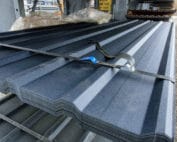
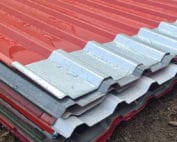
Trapezoidal steel sheet is selected on the basis of where it will be used, the loads and the dimensions of the surface to be covered. The profile designation helps identify its height, but does not describe the entire geometry. To place an order, you need the cover width, the sheet length and the support layout. It is worth starting with the cutting plan before you compare prices alone. In common families, the designations T18 and T35 refer to profiles approximately 18 and 35 mm high. However, the number does not specify the corrugation pitch, the cover width or the steel thickness. Two sheets with the same abbreviated name may differ in cross-section. Therefore compare the drawing, not just the figure in the price list.
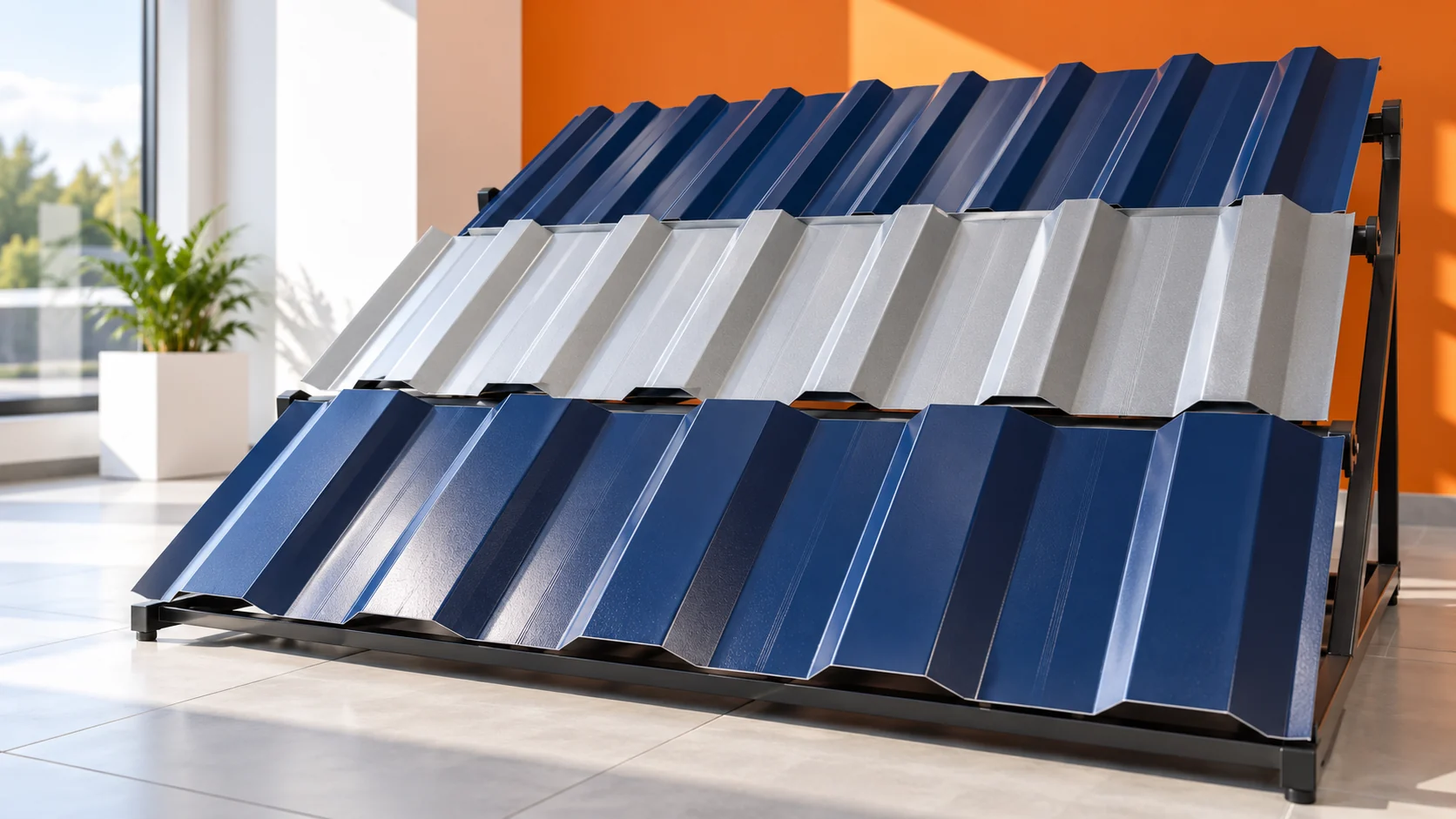
What does the profile designation say?
A lower profile is often chosen for façades or smaller coverings. A higher one may provide different stiffness in a comparable arrangement, but it is not automatic permission for a larger support spacing. The parameters of the entire sheet count. The final selection must cover sheet thickness, steel properties, bearing width and the loads of the specific building.
Why is cover width more important?
The total width includes the material, part of which will go into the overlap. The coverage width shows the increase in covered area after adding another sheet. Use the latter value to calculate the number of elements, in line with the overlap arrangement. This does not mean, however, that every offer must be priced per coverage metre. Check the pricing method separately.
In the model example, the wall is 8.6 m wide and the sheet covers 1.10 m. You need at least 8 full modules, because 8.6 / 1.10 gives approximately 7.82. The last element requires adjustment to the corner detail. A change in coverage width can change the number of pieces even with a small difference in price per metre. This is particularly visible on small walls and roofs.
How do you determine the sheet length?
On the roof, measure the length of the slope along the rake and allow for the required terminations. On the wall, determine the distance between the bottom detail and the top flashing. Do not order all elements according to a single measurement if the structure has different heights. Also check the diagonals. Differences in geometry affect the eaves line and the last sheet.
A long element reduces the number of transverse joints but makes handling more difficult. Suitable transport, storage space and a lifting method are needed. The maximum production dimension does not mean that the sheet can be safely carried into any location. When choosing the division, compare joints, supports and logistics. Record the agreed lengths in a table, not only in the order description.
What changes with roof application?
Roof covering must drain water away. Check the permissible pitch, profile orientation, overlaps and required seals. The wall variant cannot always be transferred to the roof without additional agreements. The details depend on the cross-section geometry and the edge solution of the sheet. Not every profile has an identical method of connection.
If moisture can condense under the steel sheet, suitable layers and ventilation must be designed. An anti-condensation fleece can temporarily intercept condensate in a system intended for this purpose, but it requires the ability to dry out. It is not insulation or a sealed underlay for every roof. Its presence does not replace an assessment of the conditions beneath the roof slope.

How to match the coating to the surroundings?
Colour is only part of the choice. The coating is selected according to weather conditions, the environment on both sides of the steel sheet and maintenance requirements. Different conditions apply on an ordinary façade than inside a space with elevated humidity or aggressive contaminants. The scope of application must be checked for the specific protection variant.
Pay attention to edge durability, the cutting method and subsequent cleaning. A tool not intended for this purpose can damage the anti-corrosion protection. Swarf left on the surface can rust and stain the covering. Protect the delivery from moisture and from sheets rubbing against each other. A good material loses some of its advantages if it is transported or stored incorrectly.
What should a quote include?
Provide the profile, steel thickness, coating type, colour and orientation of use. Add the cover width, the number of pieces and the list of lengths. Enter flashings, fasteners, sealants and transport as separate items. When comparing quotes, make sure that the same area and the same scope of accessories have been calculated everywhere.
Ask about any length restrictions and unloading requirements. Clarify the basis for pricing: linear metre, total square metre or effective square metre. A price without this information may appear favourable. The best reference point is a complete set of sheets matched to a drawn building. Such a schedule allows both the cost and the quantity of waste to be assessed.
Questions before ordering
Does the same colour guarantee an identical appearance across the entire façade?
Not always. The type of coating, gloss, batch and laying direction matter. When combining deliveries, it is worth comparing samples under the same light.
Can trapezoidal steel sheet replace a sandwich panel?
It serves a different function. The sheet alone has no insulating core. Replacement requires designing the entire layer system and its support.
7 branches. Materials closer to your project.