Renovation and repairs
What causes complaints about roofing materials?
In brief
Complaints about roofing materials usually stem from a mismatch between what was ordered and what was delivered, and from how the material was handled on site. Before approving an order, compare the full specification with the design: thickness, coating, gloss and profile, and for sandwich panels also the core, facings and fixing method. Establish the external face and the lengths of elements, since the phrase “graphite sheet” alone settles none of this. On delivery, inspect the packaging, corners and accessible edges, and check the number of elements against the documents. Recording delivery, unpacking and installation dates also limits later disputes.
What can start already in the order?
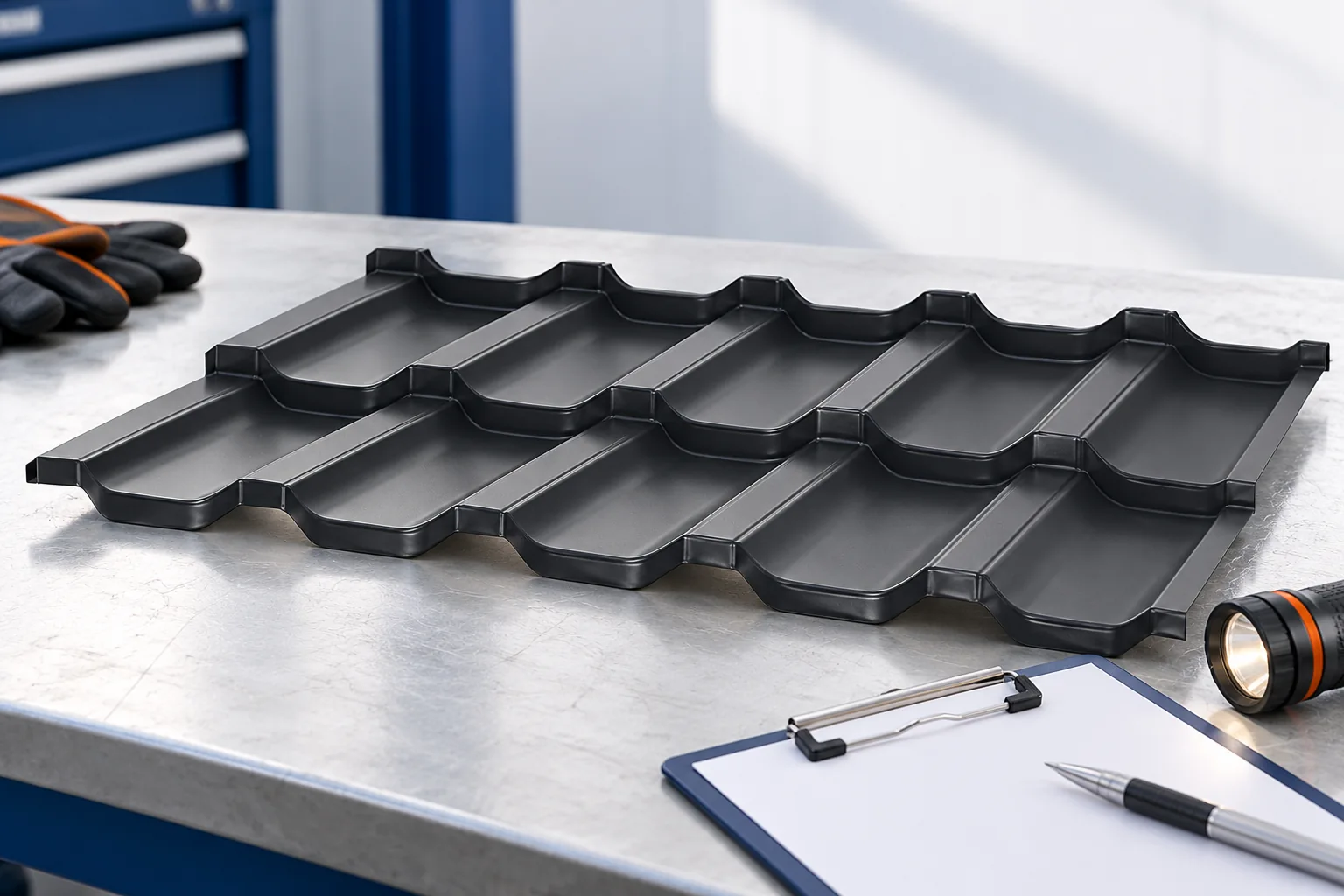
An imprecise description invites divergent expectations. The entry “graphite steel sheet” alone does not specify thickness, coating type, gloss or profile. In sandwich panels, the core, facings and method of fixing are additional factors. Before approval, it is worth comparing the full specification with the design, and also establishing the external face and the lengths of the elements.
A colour sample and a photograph do not always show the material in the same way. The exact finish designation should be confirmed. If the order is divided into stages, batch consistency should be discussed in advance. Doubts about appearance are better clarified before installation. Once a large area has been laid, replacement is often much more difficult.
What should be checked at the time of delivery?
Inspect the packaging, corners and accessible edges. A crushed bundle or torn covering may indicate a place requiring closer inspection. Compare the number of elements, lengths and markings with the documents. In the case of visible damage, take photographs before distributing the material around the site.
Establish the method of reporting reservations in accordance with the delivery documents and the proper procedure. Do not reduce acceptance to a signature for the number of packages. Some damage may only become visible after unpacking. The material should therefore also be checked before installation. Laying an element with a visible defect makes it harder to establish the full extent of the problem later.
Why does storage matter?
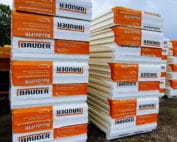
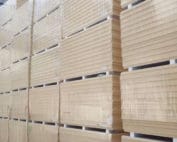
Water between tightly stacked sheets does not have the same drying conditions as on an open roof surface. Wet bundles require handling in accordance with the instructions. Leaving them unchecked can lead to changes on the surface. Transport film is not a universal protection for storage outdoors for an arbitrarily long time.
The deadlines for removing the film and the permissible method of stacking differ between products. Rules should not be transferred from one panel to another. A simple record of the delivery, unpacking and installation dates is useful. This makes it possible to check the actual conditions instead of basing the explanation solely on the memory of those involved in the construction.

How can installation damage the material?
Cutting with the wrong tool, leaving swarf behind and dragging sheets over one another can damage the coating. A dent can also occur when walking on an unsupported section. Not every mark found on a finished roof therefore originates from production. Photographs of the material before work begins and after it is completed are important.
Over-tightened fastening can deform the surface or damage the washer. Too few fasteners, in turn, can allow movement under wind load. The spacing of supports and fasteners must match the selected profile. The crew’s general habit does not replace the instructions and the design for the specific roof.
When is the issue suitability for the conditions?
The coating should match the surroundings and the way the building is used. The interior of an agricultural or production facility may place different demands than a dry warehouse. Likewise, the colour and the length of the sheet affect its thermal behaviour. A material that is correct in one configuration does not have to be suitable in another.
A leak may result from too small a pitch, an incorrect overlap or a faulty service penetration. The sheet itself may comply with the specification. During assessment, the product’s characteristics must be separated from the way it was applied. A comparison of the instructions, the design and the actual execution of the detail helps.
What should you prepare for a factual report?
Gather proof of purchase, the specification and batch markings. Describe the symptom, its location and when it was noticed. Take a photo of the entire roof slope and a close-up of the location with a visible scale. If the problem concerns a leak, add the weather conditions. A photograph of a wet patch alone does not yet indicate the path by which water entered the interior.
Do not carry out extensive rework before documenting the condition, unless urgent protection against further damage is needed. In such a case, also record the actions taken. Agree on access for inspection and the procedure. An assessment is facilitated by a description of the facts, without attributing the cause solely on the basis of appearance.
How can the risk of a dispute be reduced?
Before work, agree who measures the roof, selects the material, accepts the delivery and is responsible for storage. A clear division of responsibilities helps avoid gaps. Keep the instructions used and the documentation of hidden layers. Not every screw needs to be photographed, but significant details and the condition before covering are worth recording.
The warranty and other rights arising from the purchase have their own rules. A long warranty should not be equated with the absence of installation and maintenance requirements. A well-documented roof is easier to assess and repair. Most misunderstandings disappear when the parameters, the scope of work and the acceptance procedure are agreed before the first delivery.
7 branches. Materials closer to your project.