Steel profiles and structures
Telling structural C-sections apart from plasterboard framing profiles
In brief
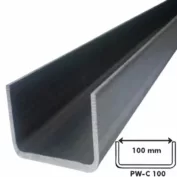
A cross-section resembling the letter C appears in many construction products. A similar shape does not, however, mean a shared application. A channel section for a hall structure and a profile that is part of a drywall system are made for different tasks. They may differ in geometry, material, thickness and documentation. When buying, therefore, start with the function of the element and only then with its name. The name indicates the arrangement of the web and flanges. It does not specify the permissible load or span. This family includes both structural elements and profiles for other purposes. Each product should be assessed in accordance with the documentation and scope of application. Its properties must not be attributed on the basis of appearance alone.
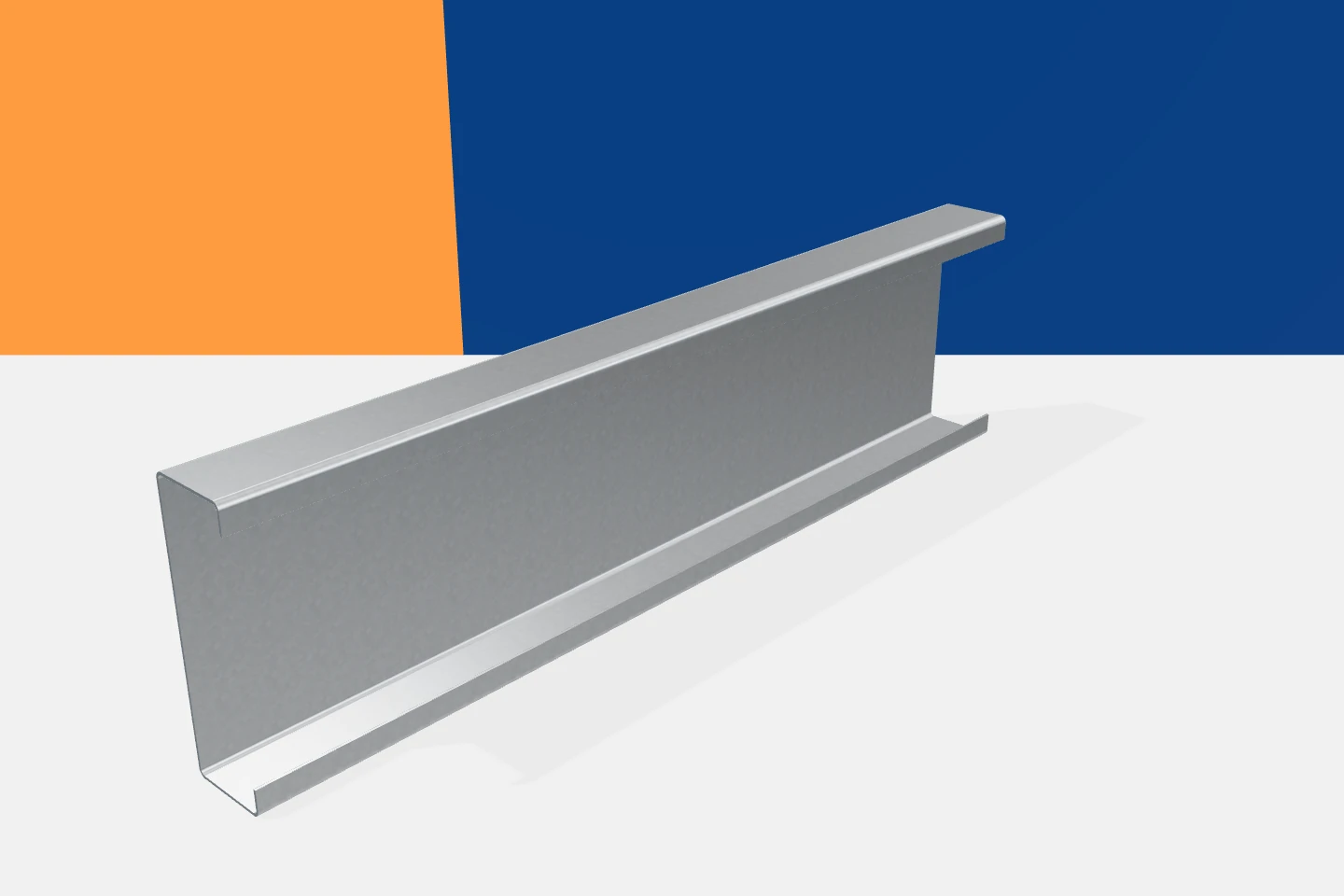
The letter C is not a load class
Structural channel sections can serve, among other things, as side rails, frame and framing elements. In individual systems they also perform other functions. A drywall profile, by contrast, works within the described wall or ceiling assembly. It is the entire system that defines the conditions for its use. Similarity of cross-section does not transfer these conditions to a steel-framed building.
Full dimensions help avoid confusion
The enquiry must state the web height, flange width, thickness and lips, if present. The length of the section and the hole pattern are also important. The drawing should also show the bend radii or refer to a clearly defined cross-section. The general term “galvanised channel” leaves too much room for interpretation.
When supplementing an existing structure, it is worth taking a measurement and checking the documents of the original solution. A measured external dimension may not be sufficient to reproduce the element. Thickness should not be guessed on the basis of the weight of the part held. Accurate data help the supplier assess whether the offered profile actually meets the need.
Thickness does not decide everything
Greater sheet thickness usually changes stiffness and the working conditions of the walls, but is not a standalone selection rule. The widths of the flat portions, the length of the element and its support also matter. The steel grade and the connections must be taken into account. The profile should be verified for the intended structural scheme.
There is no single thickness limit above which every product becomes suitable for all load-bearing tasks. Likewise, a higher yield strength does not replace checking deflection or stability. For the buyer this means providing a complete specification. Choosing “the thickest available” channel alone is not a design.
The openness of the cross-section affects installation
The flanges of a channel are on one side of the web. It must therefore be specified which way the element is to face. This can affect access to bolts, fixing of the cladding and the position of the support. For holed parts, the side from which the drawing is described is also important.
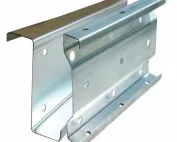
Within a single structure, z-sections, sigma profiles and omega profiles may be present alongside channel sections. Each of these cross-sections requires its own detail. Components should not be adapted by randomly bending the flanges. The geometry of a cold-formed profile serves a technical function, including in places where the bends appear minor.
In a sample structural offer, a channel section may have a specified height and two equal flanges. Their dimensions, sheet thickness, lips and material must still be stated. Two numbers from a colloquial name do not complete the specification. A full description of the selected variant is needed for production.

Documentation should match the application
It is worth checking which product the declaration and delivery identification refer to. A document relating to one product family does not automatically confirm the parameters of all parts offered by the supplier. Data enabling the purchased component to be linked to its specification are needed. This matters both for a large hall and a small subframe.
If the order includes fabrication to a design, this scope must be clearly defined. It must be clear who is responsible for selecting the cross-section and who for production. A finished component with correct dimensions does not replace the calculations for the entire structure. Separating these tasks helps avoid misunderstandings at acceptance.
The coating is another parameter
Galvanised profiles are available in many material versions. Colour alone does not indicate the type or mass of the coating. The correct designation and operating conditions must be stated in the specification. The interior of a dry room places different requirements than a permanently damp technical area.
The method for any cutting and repairs should also be specified. If the required lengths are known, ordering ready-cut sections is worth considering. This reduces work on site and simplifies organisation. It does not, however, remove the need to check the surface condition during unloading and installation.
How to place a correct order?
First state the function of the channel section and refer to the design or a specific drawing. Then give the material, coating, lengths and quantities. Include the hole pattern and the requirements for component identification. If you permit an alternative solution, make its acceptance conditional on a design check.
Profiles described in this way can be compared without mixing different product groups. Channel sections, z-sections, sigma and omega profiles have many applications, but each requires the correct data. Informed purchasing begins with the question of purpose, not with finding a similar letter in a catalogue.
7 branches. Materials closer to your project.