No label on the old roof insulation: how to handle an unknown conductivity in an audit

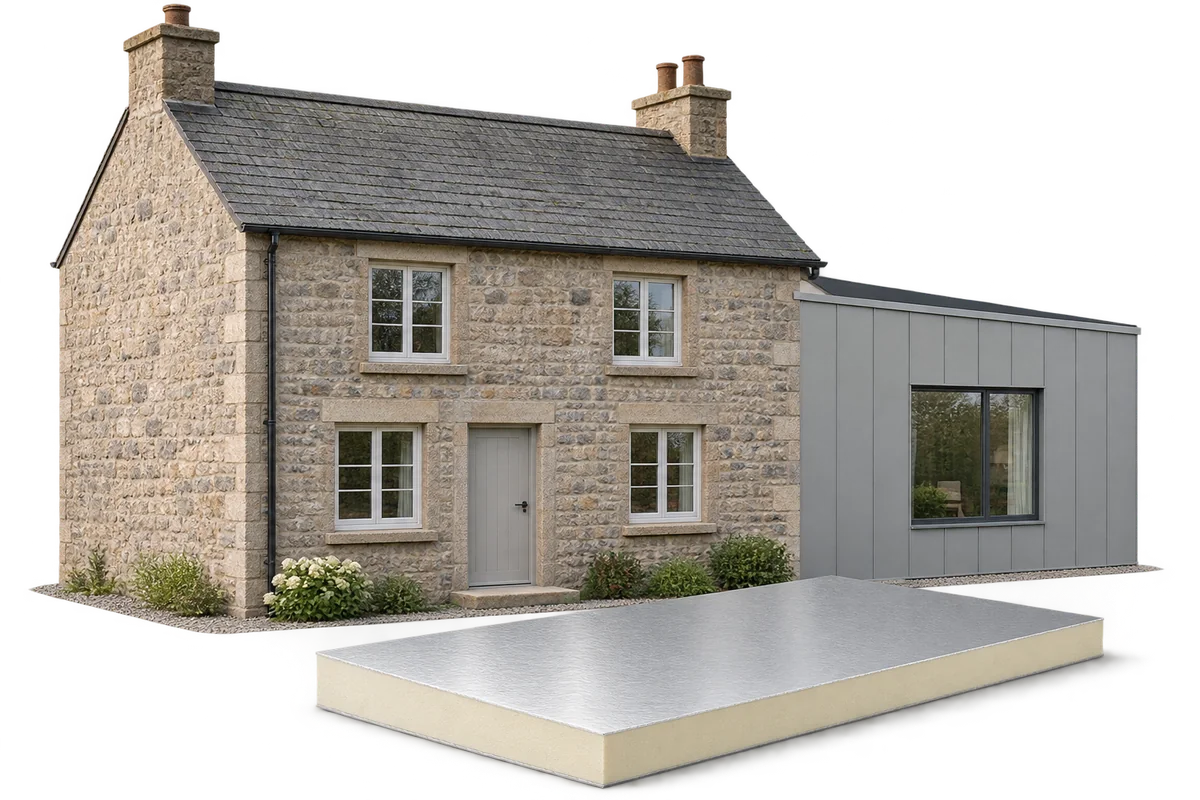
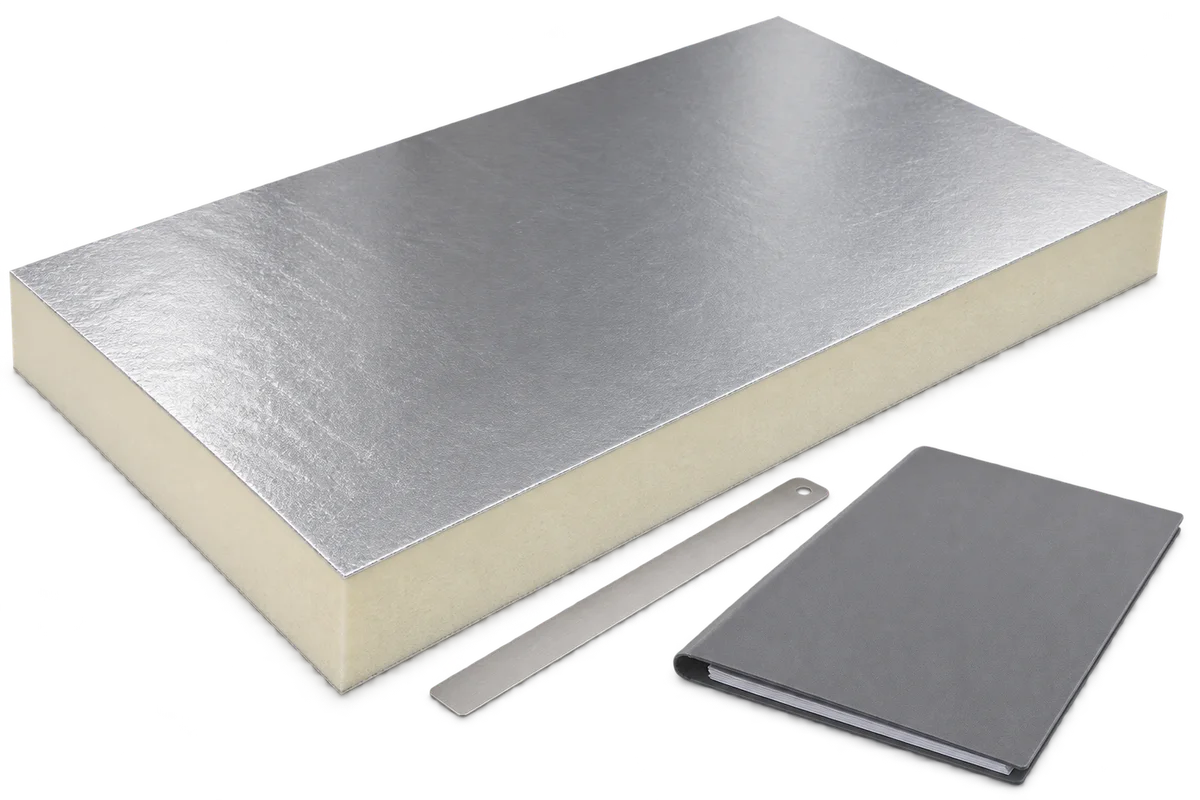
An old roof drawing says “8 cm insulation”. That tells you the intended thickness, but neither identifies the product nor gives its thermal conductivity. In an energy audit it pays to separate confirmed data from assumptions and show how much the missing information affects the result. This guide follows that process from reading the as-built records to comparing two possible values for the layer’s thermal resistance. It also explains why a new PIR board’s data sheet can inform a proposed upgrade without establishing the properties of insulation installed years ago.
By |2026-11-09T14:41:37+01:002026-11-09|Uncategorized|Comments Off on No label on the old roof insulation: how to handle an unknown conductivity in an audit

Roof maintenance without improvisation: planning access for recurring tasks

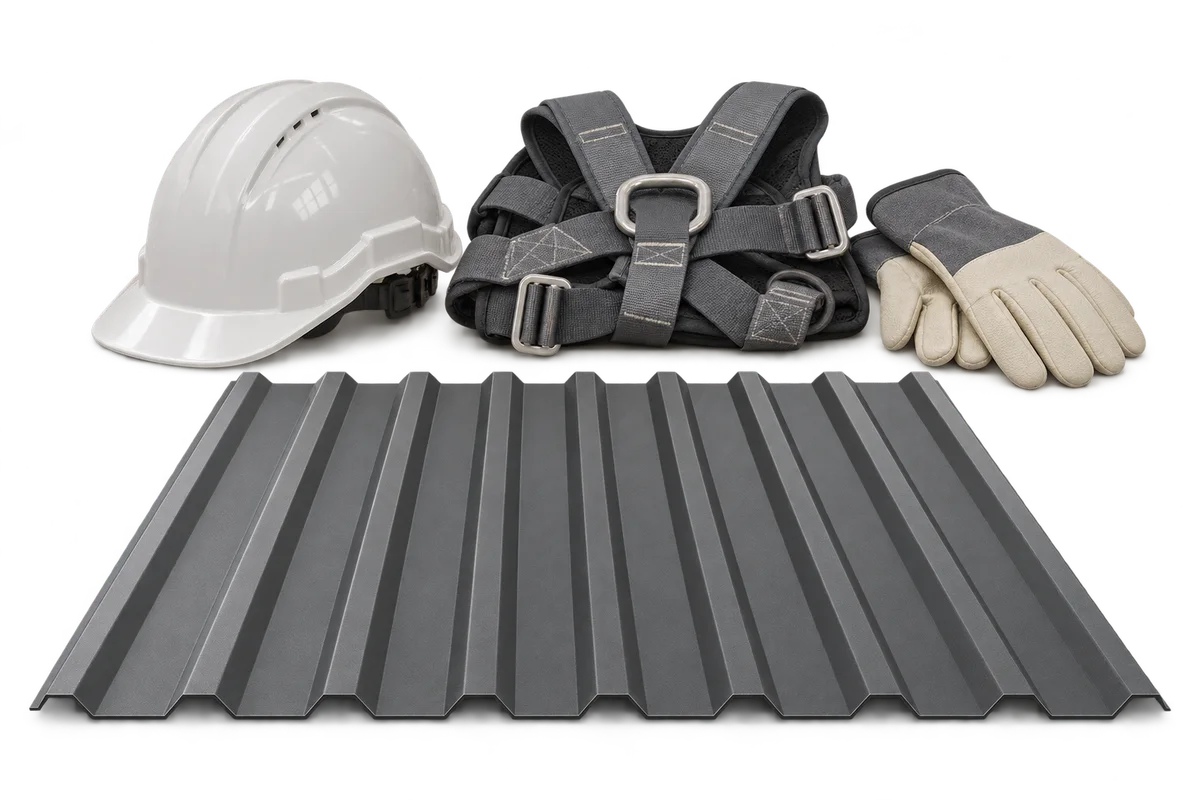
Drainage cleaning, roof-covering inspections and servicing rooftop equipment are better planned as recurring tasks than as a series of urgent roof visits. Each needs a location, access requirements, suitable competence and workplace preparation. First consider whether the task can be completed without work at height; where that is necessary, appropriate assessment and protection are required. This guide helps a premises manager build a register of tasks and information contractors need. It does not prescribe universal inspection intervals or replace building and equipment documentation or applicable legal requirements. The aim is to prepare each visit using current knowledge rather than repeating an earlier method without confirming its suitability.

By |2026-11-09T19:27:06+01:002026-11-09|Uncategorized|Comments Off on Roof maintenance without improvisation: planning access for recurring tasks

Gutter material and roof covering: check the whole combination

Choose gutter material with regard to roof runoff, connecting parts and installation products, not just façade colour. A mechanical fit does not establish material compatibility. Both direct contact and the order of surfaces along the rainwater route matter. This guide explains how to gather information about roofing, flashings and gutters before purchase. It shows why galvanised steel should not be treated as titanium zinc, and why sealant colour is not a selection criterion on its own. Rather than offering a universal approval table, it sets out how to check the proposed combination against the actual products' documentation and suppliers' advice.

By |2026-11-09T20:57:17+01:002026-11-09|Uncategorized|Comments Off on Gutter material and roof covering: check the whole combination

Roof renovation: when should sheets, flashings and other materials be ordered?

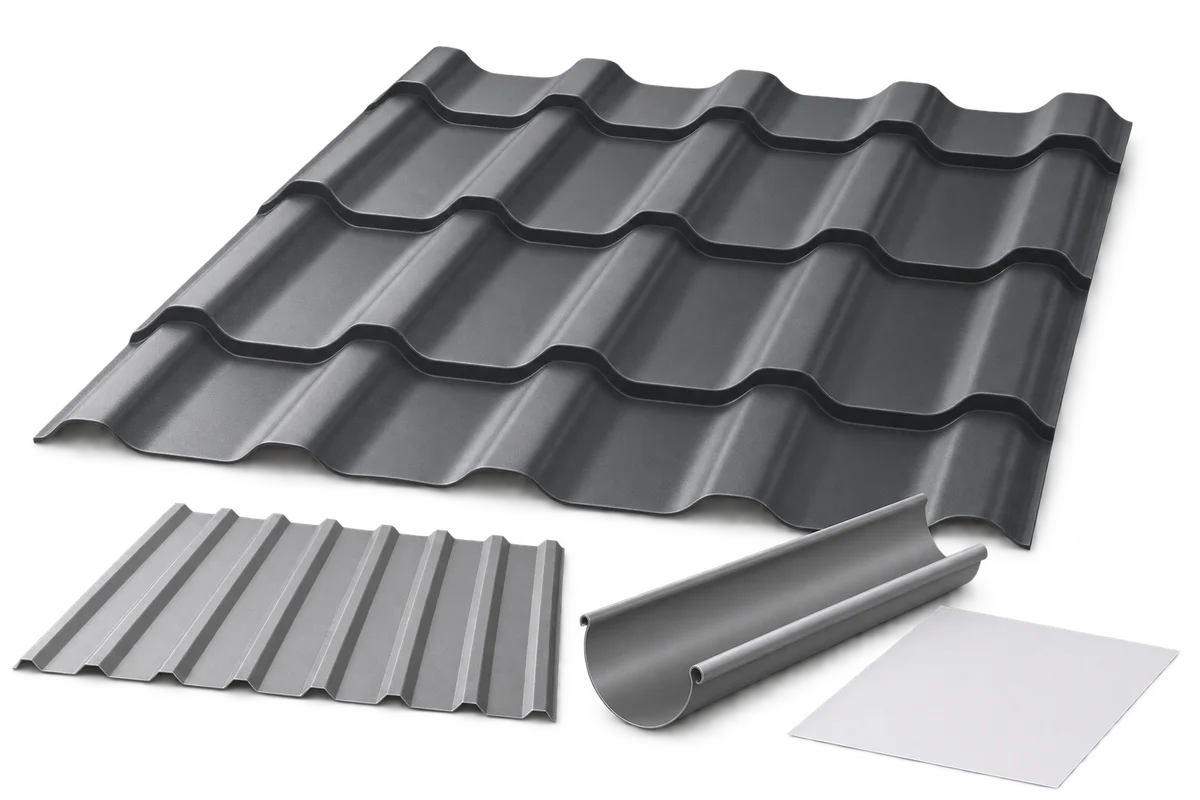
It helps to separate preliminary purchasing decisions for a roof renovation from approval of production dimensions. An initial quotation allows comparison of options, but cannot replace measurements that account for structural repairs and the final roof build-up. Sheet lengths, flashing shapes and component quantities must describe the same scope of work. This guide explains how to prepare a purchasing schedule, identify measurements and coordinate decisions between the owner, roofer and supplier. It is particularly useful when the old covering is still in place and an order needs advance preparation. There is no universal waste allowance: quantities depend on the layout of the particular roof and the selected system. Approve final dimensions after resolving changes affecting geometry.

By |2026-11-10T01:29:50+01:002026-11-09|Uncategorized|Comments Off on Roof renovation: when should sheets, flashings and other materials be ordered?

Who inspects building work in Poland, and what do they check on site?

In Poland, the term “building inspector” can refer to two distinct roles. The inspector appointed by the client (inspektor nadzoru inwestorskiego) represents the client on site. The public building supervision authority, by contrast, enforces building law within its remit, including irregularities during construction and the condition of buildings in use. It is not the homeowner’s adviser. Nor does it normally issue building permits: those are the responsibility of the architectural and building administration authorities. Knowing the difference helps you decide where to report a problem and who should inspect completed work. This guide also covers what to check before insulation, roofing and walls are concealed.

By |2026-11-09T07:32:27+01:002026-11-09|Uncategorized|Comments Off on Who inspects building work in Poland, and what do they check on site?

How is a roof built, from the first measurements to handover?

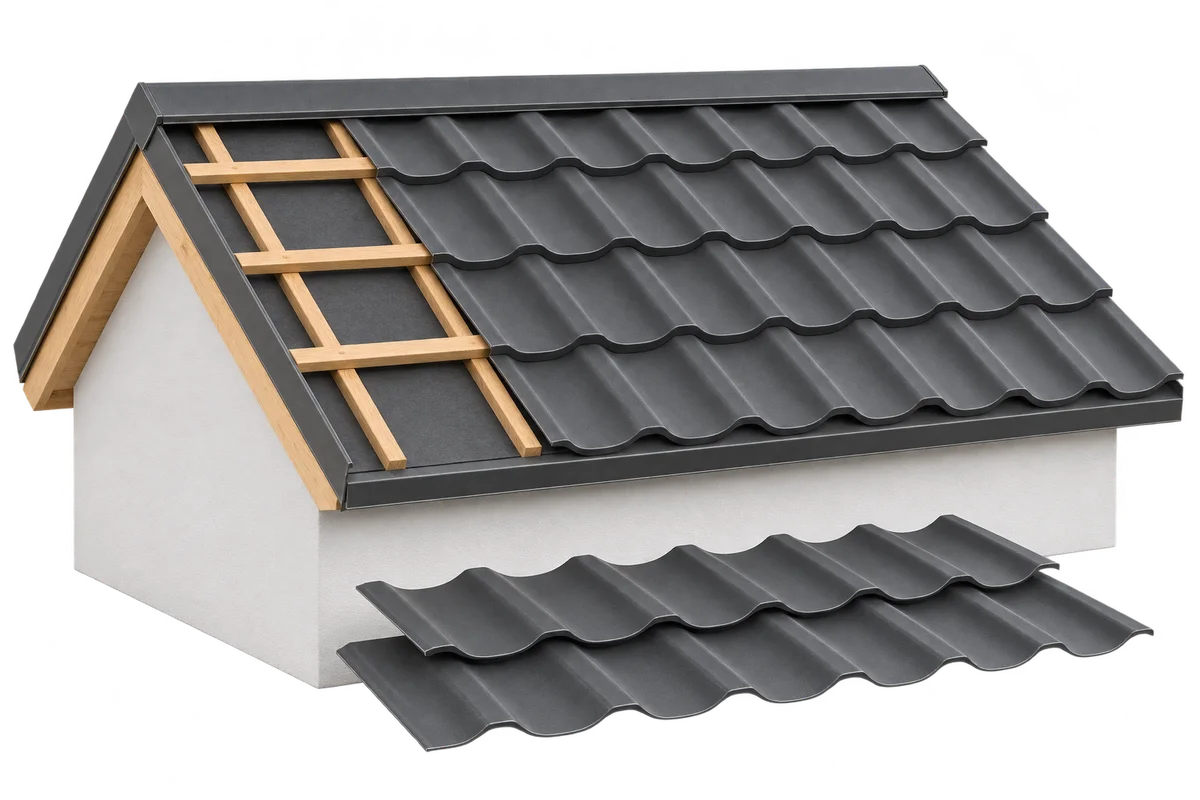
Roof construction starts with accurate measurements and a design that specifies the geometry, supports, loads and sequence of layers. Each stage prepares the surface for the next. A neatly fitted flashing cannot correct a defect concealed beneath the covering. The order of work depends on the insulation and roof covering, which also influence the pitch, support spacing and edge details. Coordinate chimneys, access hatches and penetrations before ordering. Plan safe access for the crew, lifting of materials and weather protection while the building is open. The material schedule should include sheets or panels, flashings, fasteners, seals and rainwater goods.

By |2026-11-09T06:08:32+01:002026-11-09|Uncategorized|Comments Off on How is a roof built, from the first measurements to handover?

Altering an older house in Poland: when do you need plans, and which approvals apply?

Before altering an old house, describe the proposed work and assess the building’s condition. This gives the designer a basis for deciding what plans and procedures are needed. Removing a wall, changing openings, adding a storey and redecorating a room are different kinds of work. Consider the new layout alongside the structure, roof and insulation so the work addresses the causes of existing problems. Polish building law distinguishes alterations that change an existing building’s functional or technical characteristics within defined limits from repairs that restore its original condition. Enlarging the building, changing its principal dimensions or adding a storey can place the work in another category. The everyday description “full renovation” does not determine the procedure.

By |2026-11-09T03:55:16+01:002026-11-09|Uncategorized|Comments Off on Altering an older house in Poland: when do you need plans, and which approvals apply?

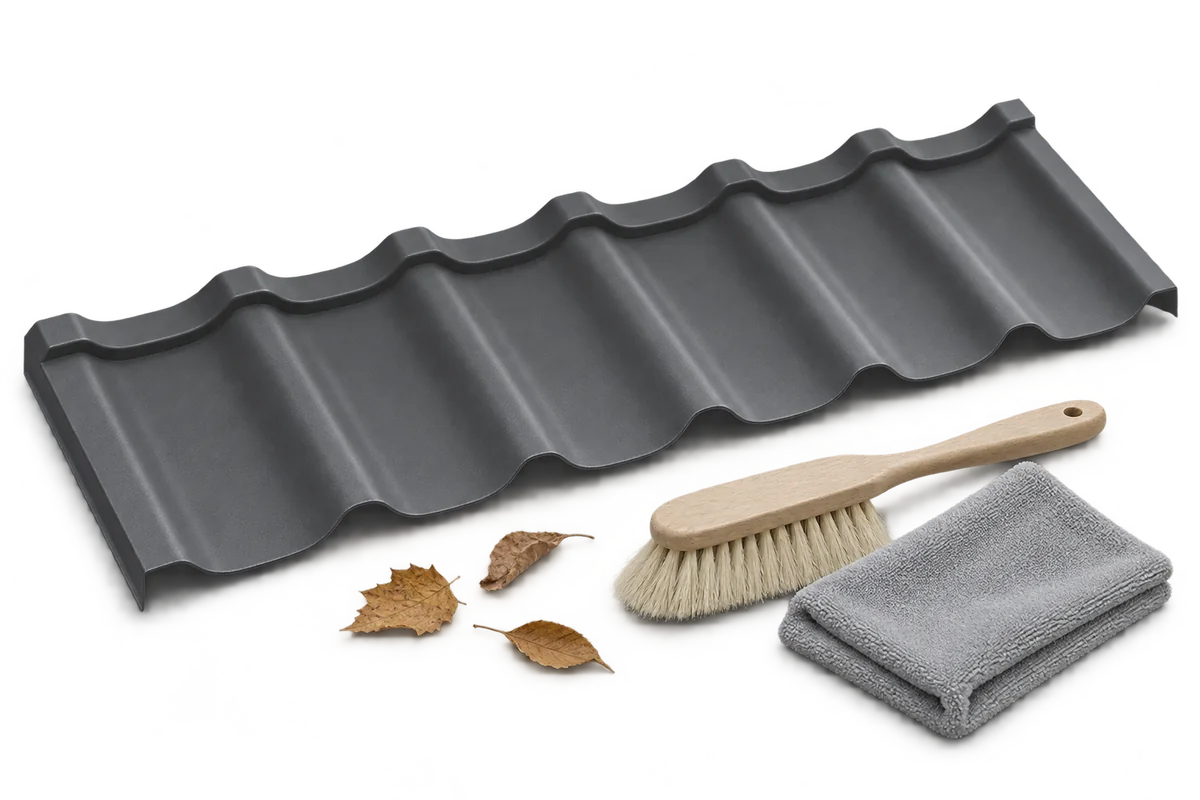
How to clean gutters and reduce blockages

Clear gutters carry rainwater from the roof to the intended outlet. Leaves, twigs and silt can slow the flow even in a correctly sized system. When cleaning, check the downpipes, joints and drainage at ground level too. Guards can help in some settings, but they do not remove the need for inspections. Set the inspection interval to suit the surroundings. Water spilling over the edge can indicate a blockage, an incorrect fall or an undersized gutter; leaves are only one possible cause. Staining on the façade, wet eaves and puddles against the wall are reasons to trace the whole drainage route. Watching from the ground during rain can reveal where water leaves the system.

By |2026-11-09T03:18:01+01:002026-11-09|Uncategorized|Comments Off on How to clean gutters and reduce blockages

How to clean a roof safely and protect its coating

Before cleaning a roof, identify the covering, assess its condition and work out how the team can reach it safely. Only then choose tools and a cleaner. A concentrated water jet, a stiff brush or an unsuitable chemical can damage coated steel. Check the manufacturer's instructions for the particular finish and inspect the covering once it is dry. Record the type and age of the roof and have the installation documents and warranty conditions to hand. Leaves and organic growth need different treatment from soot or construction residue. Look closely at stains before trying to remove them. They may be signs of corrosion, damage to the finish or water escaping through a failed joint.

By |2026-11-09T02:12:17+01:002026-11-09|Uncategorized|Comments Off on How to clean a roof safely and protect its coating

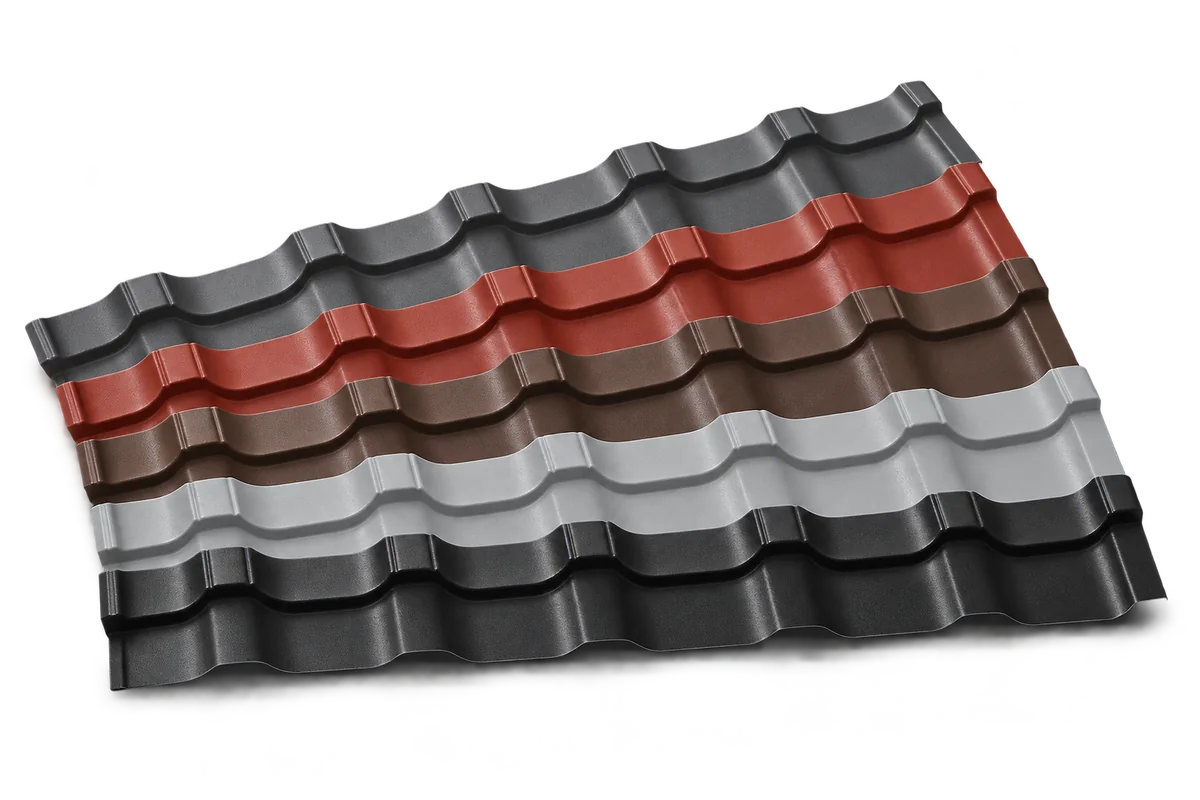
How to choose a roof colour that will suit your home for years

Start with the shape of the house, the façade materials and the setting. Charcoal, grey, brown and red can all work well in the right combination. The profile of a metal sheet, the gloss level and the light change how a colour looks. Coating quality is a separate consideration. Take a large sample outside and hold it alongside the other materials planned for the house. A steep roof covers much of the view and its colour can dominate the façade. On a low roof, flashings, gutters and soffits may be more prominent. Look at the house from the places where you will usually see it.

By |2026-11-09T01:24:42+01:002026-11-09|Uncategorized|Comments Off on How to choose a roof colour that will suit your home for years
Back to top