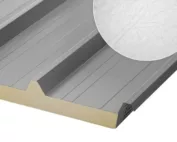
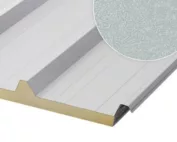
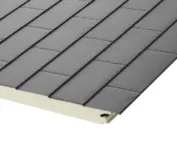
Coatings and colours
How the protective layers on steel roofing work together
In brief
The performance of coated steel sheeting depends on the steel core, the metallic coating and the layers that prepare and finish its surface. A thickness quoted for bare steel cannot be compared directly with one measured over all the coatings. Check the type and declared quantity of the metallic coating, then look up the properties of the outer finish. Compare these specifications on the same basis for each sheet. The protection also depends on how the material is handled in transit, during installation and once the roof is in use.
What is the steel core responsible for?
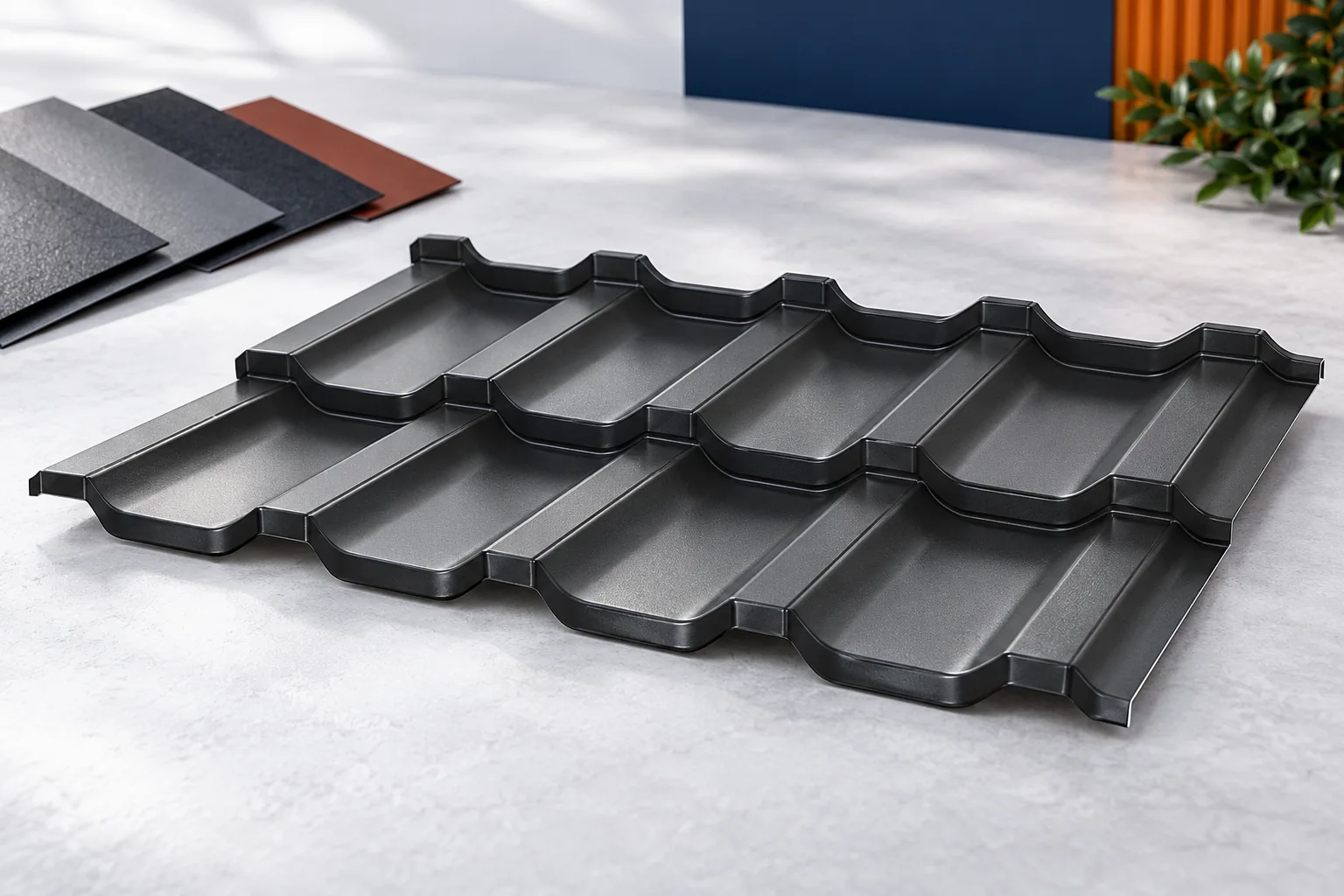
The core provides the mechanical basis of the sheet. Its thickness, steel properties and profile shape affect the performance of the covering. T18, T35 and tile-effect metal roofing use steel in different geometries. Load-bearing capacity cannot be assessed by the number of protective layers alone. Thicker paint does not replace the steel cross-section needed to carry loads.
When choosing a product, it is worth establishing whether the stated thickness refers to the core or to the entire product with coatings. These figures are not identical. When comparing, the same criterion must be used and the documentation taken into account. The mere fact that one sheet feels thicker in the hand does not allow its parameters to be assessed. Profile stiffness and the type of finish may also differ.
How does metallic protection work?
A metallic layer suited to the given technology is applied to the steel. It may contain zinc or other alloying components. Its role is to limit corrosion of the substrate. Not all such protections should be placed in one category with identical properties. The type and declared amount of coating should correspond to the intended use of the product.
The metallic protection works together with the subsequent layers but does not provide resistance to every kind of damage. Deep scratching, overheating during cutting and permanent moisture can weaken the protection. It should not be assumed that an exposed edge will always cope without attention. How it is protected and the permissible conditions follow from the recommendations for the specific material.
Why are pretreatment layers and primer used?
Surface preparation and primer help achieve adhesion and proper performance of the entire coating system. They are invisible on the finished roof but affect durability. However, the number of layers stated in the description is not on its own a measure of quality. More important are their type, continuity and properties confirmed for the product.
Coating detachment should not be assessed solely as a colour problem. The extent, location and possible cause must be checked. Mechanical damage, contact with an unsuitable substance and a process defect can produce different symptoms. Before painting independently, it is worth documenting the condition. Repair requires substrate preparation and material compatibility, not just a similar shade.

What does the external organic coating provide?
The finish layer creates colour, gloss and texture. It also helps protect the surface from environmental effects. Available systems differ in resistance and range of application. A thicker coating is not necessarily the best in every situation. The type of material, ambient conditions and requirements regarding appearance retention must be taken into account.
Corrosion resistance and resistance to solar radiation describe different characteristics. The warranty may separate perforation, delamination, colour change and gloss change. It is worth reading the scope before purchase. The highest number of years in the description does not mean that every surface characteristic will remain unchanged throughout that period regardless of conditions and maintenance.
Does the underside require the same protection?
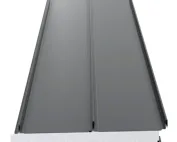
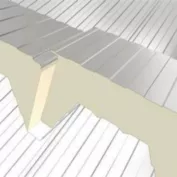
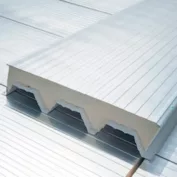
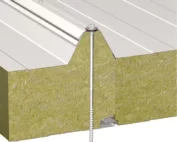
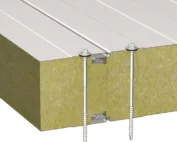
The underside of the covering is exposed to different conditions than the side facing sun and rain. It may be exposed to condensation and the atmosphere inside the building. In a sandwich panel, the choice of inner liner matters with frequent washing, high humidity and aggressive substances. The entire panel should not be judged solely by the external colour.
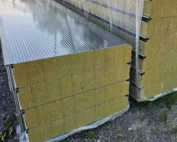
Anti-condensation fleece is an additional solution that temporarily retains condensate. It is not another anti-corrosion layer with unlimited effect. It must dry out and be used as intended. Transport film is also not permanent roof protection. Left on too long, it can make removal difficult and should not be treated as part of the finished covering.
How can all layers work together?
During installation, avoid scratches, overheating and leaving swarf. Sheets are stored dry, in accordance with the instructions. In use, accumulated dirt is removed and details are checked. Gentle cleaning and proper touch-ups help maintain protection. An aggressive agent or sharp tool can impair it more than the dirt itself.
When choosing, ask for data on the core, the metallic coating and the finish coating. Keep the documents for the specific variant. A multilayer construction makes sense when each part performs its task and is used under the appropriate conditions. It does not need marketing counting of layers. It needs proper selection and careful roof execution.
7 branches. Materials closer to your project.