Insulation between floors: what to check when footsteps are the problem

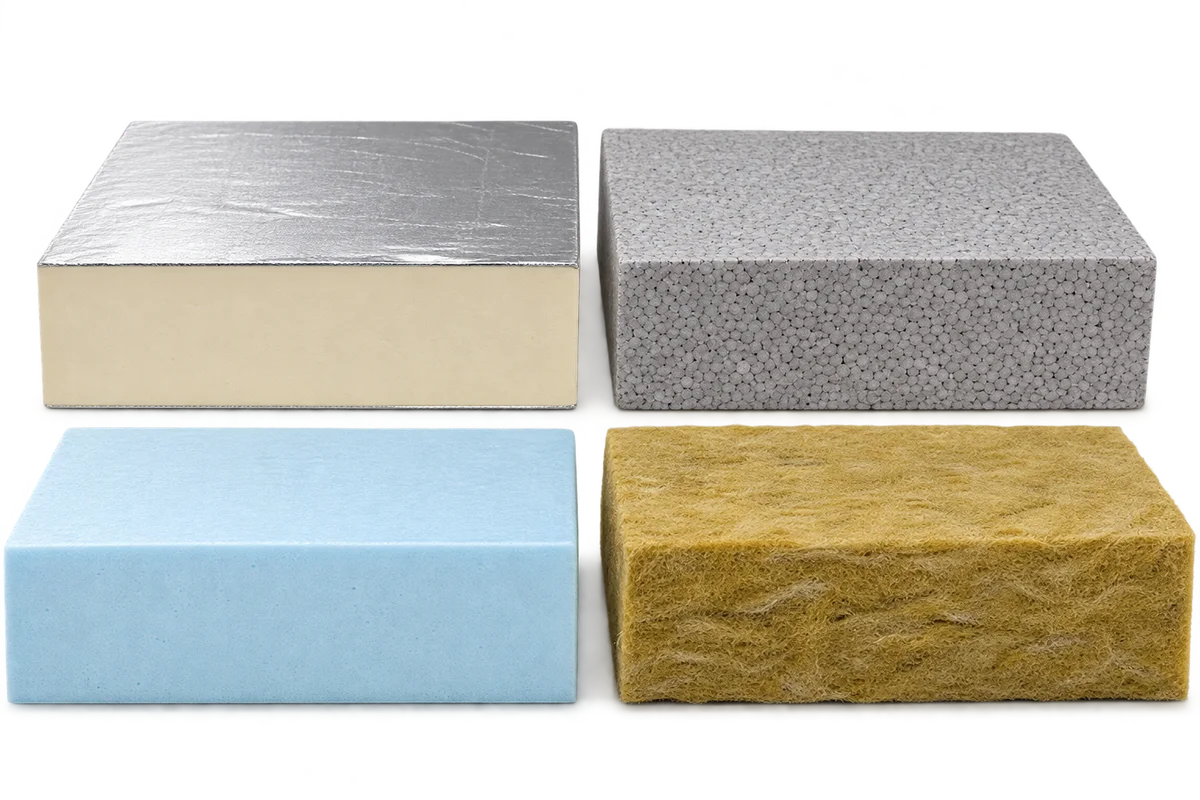
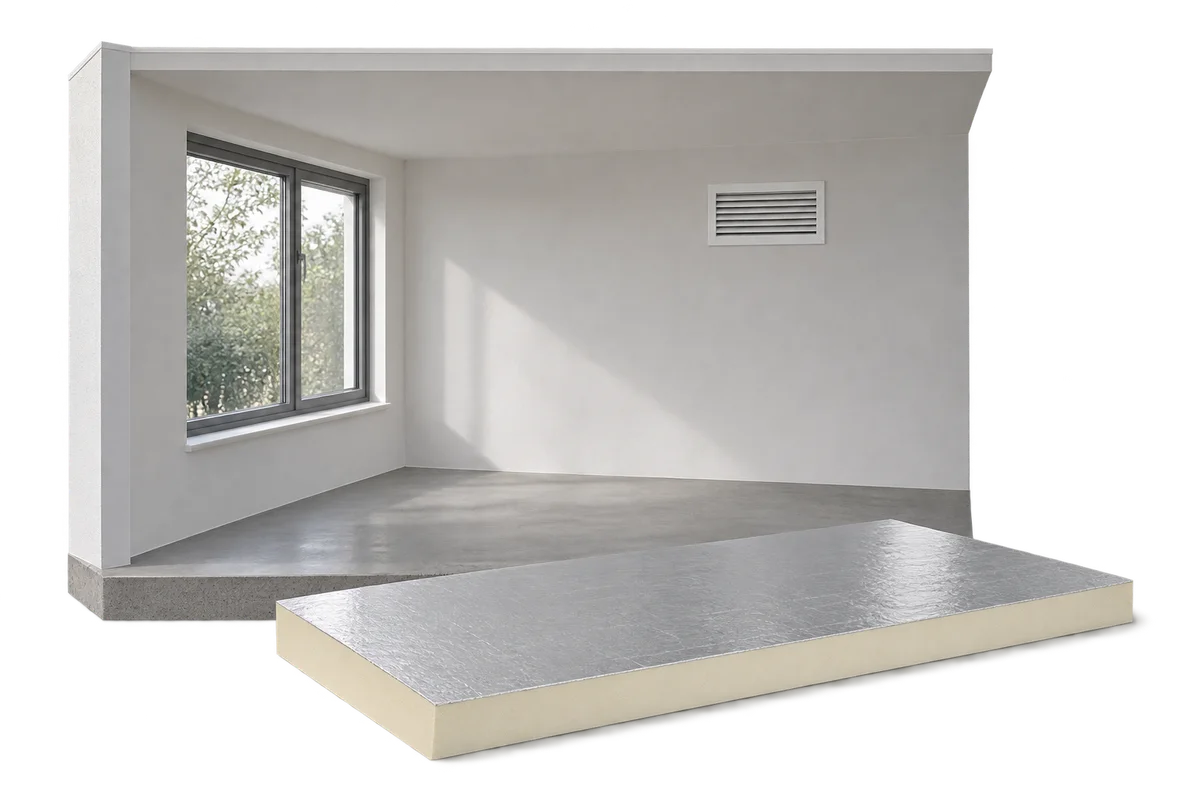
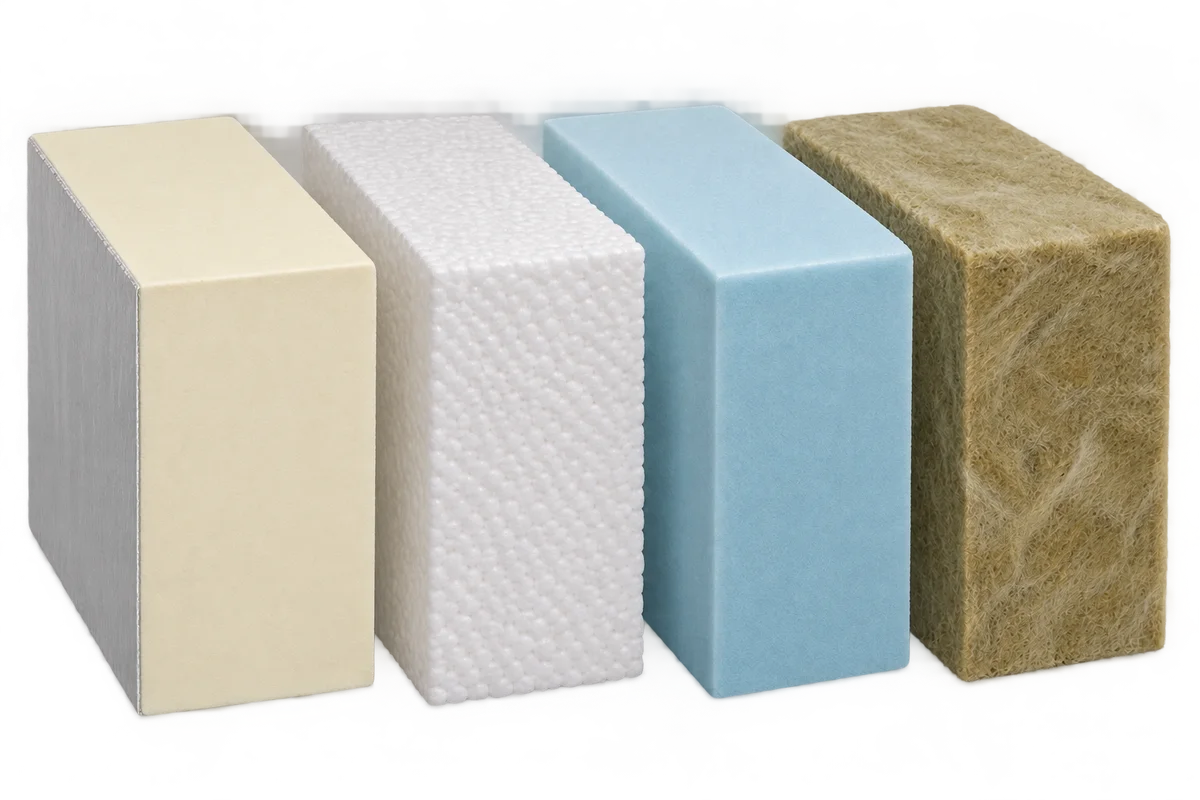
Insulation between storeys may serve thermal and acoustic purposes, but these are not interchangeable criteria. If the aim is to reduce footstep noise, comparing PIR, EPS, XPS and mineral wool means examining a specific floor assembly rather than thermal conductivity alone. The supporting floor, proposed resilient layer, loads and junctions at walls and services all matter. This guide helps describe the problem and collect information for selecting a solution with a designer or acoustics specialist. It also explains why a test result for another assembly is not a promise of identical performance after renovation. It does not prescribe one board or thickness for every floor.
By |2026-11-09T16:38:28+01:002026-11-09|Uncategorized|Comments Off on Insulation between floors: what to check when footsteps are the problem

Replacement windows and ventilation: what to agree before ordering

Consider window replacement together with the home's ventilation. New, more airtight windows can alter the previous air supply, so choosing frames and glazing does not complete the preparation. Establish how the existing ventilation works and agree how it will operate after renovation. This guide structures the discussion with suppliers and installers: from a room schedule and responsibilities to handover records. It does not prescribe one air-supply solution for every building. If PIR insulation is planned at the same time, include both work packages in the discussion. Record the key decisions before signing the order so the window price is not confused with the cost of all necessary work.

By |2026-11-10T02:50:24+01:002026-11-09|Uncategorized|Comments Off on Replacement windows and ventilation: what to agree before ordering

Can PIR insulation be combined with mineral wool, EPS or XPS?

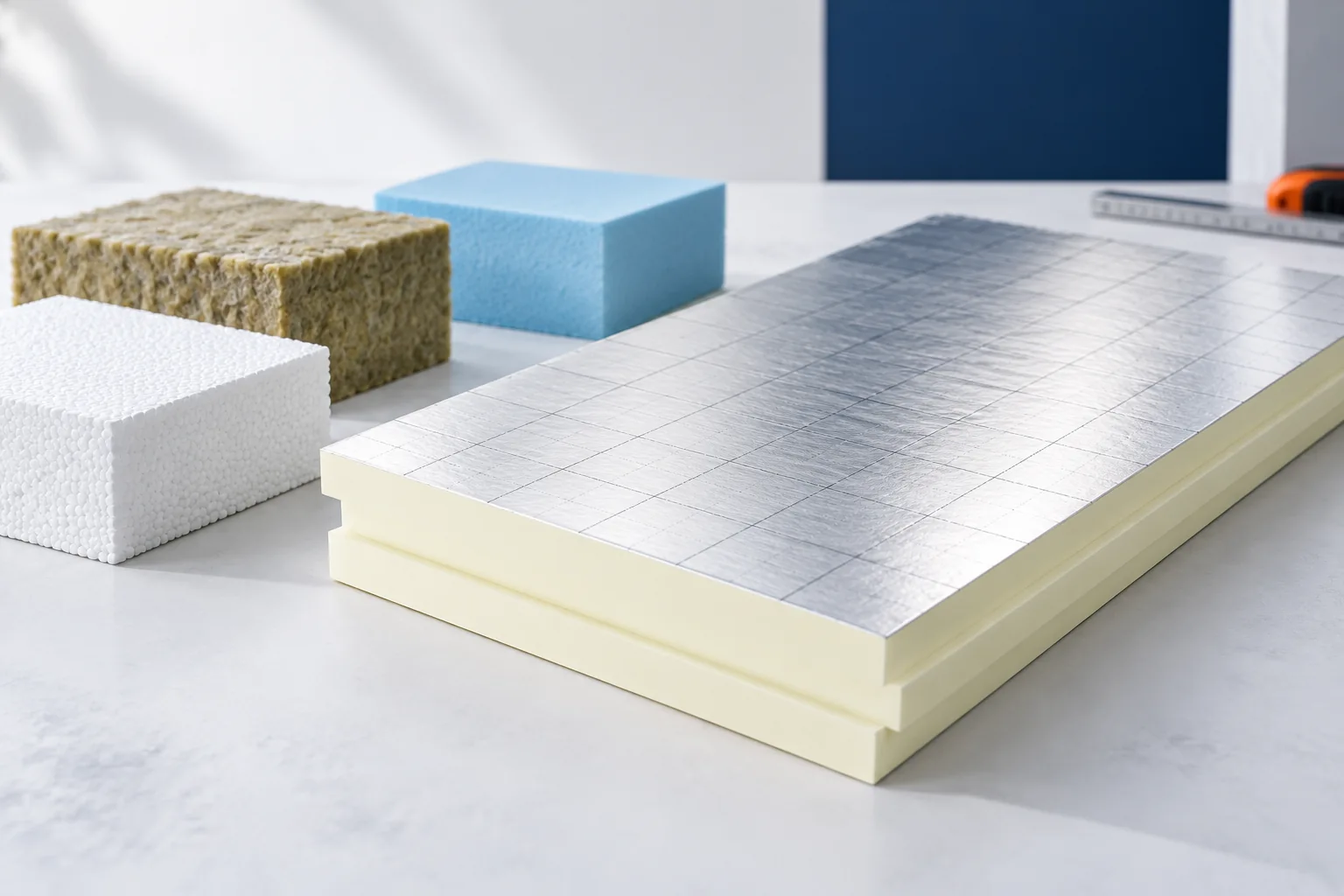
Different insulation materials can work together in one building element when each solves a specific problem. PIR can keep the build-up thin, mineral wool can contribute to fire protection or acoustics, and XPS suits certain applications exposed to moisture and compressive loads. The order of the layers, how they interact and the details of their installation determine whether the combination works. Adding their thermal resistances is not enough. In a roof retrofit, serviceable insulation can often stay in place while a new layer improves the whole assembly. In a floor, thermal insulation and a resilient layer for impact sound have different jobs. Combining materials is a design decision.

By |2026-11-09T07:02:57+01:002026-11-09|Uncategorized|Comments Off on Can PIR insulation be combined with mineral wool, EPS or XPS?

EPS, XPS or PIR: how to choose insulation by application

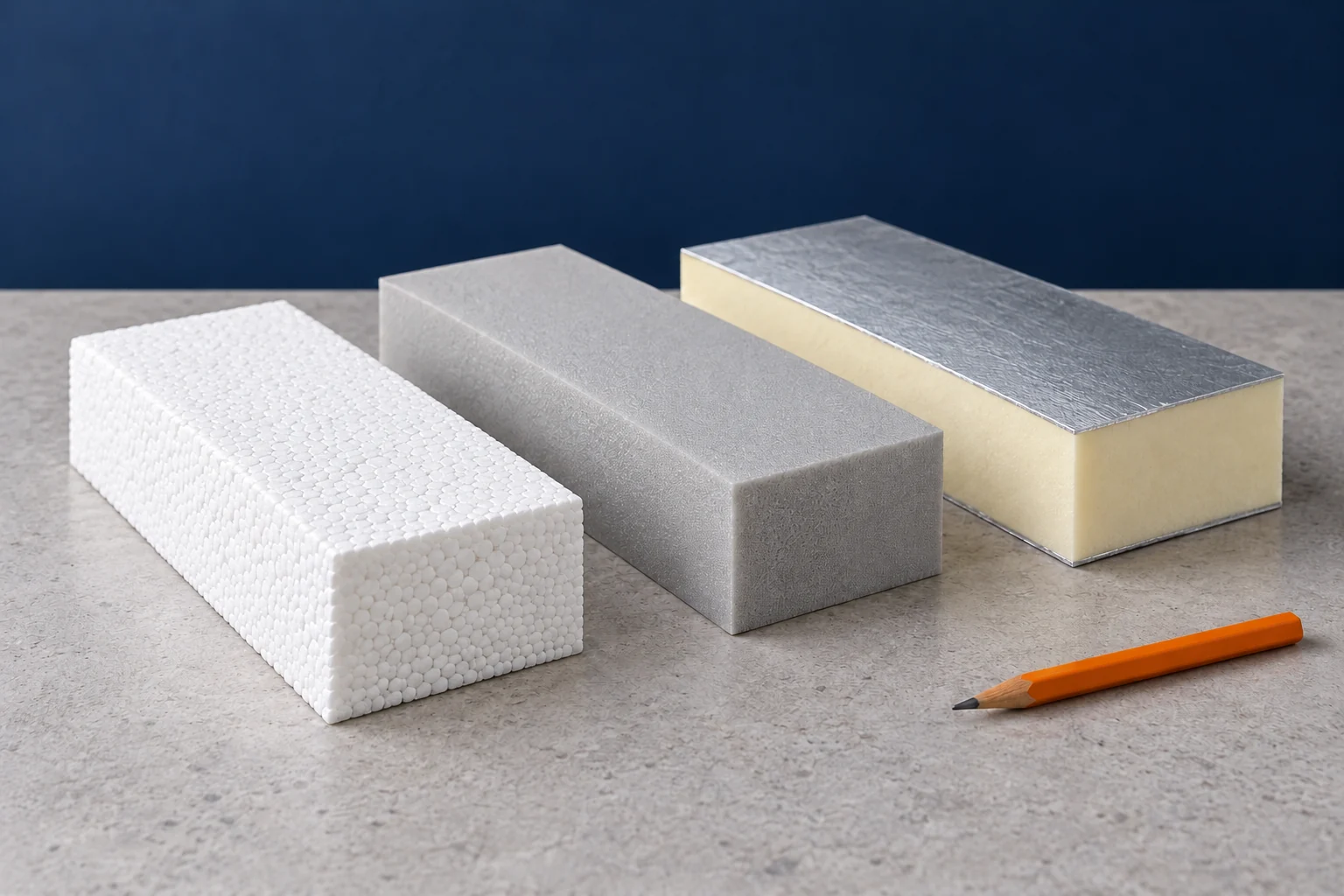
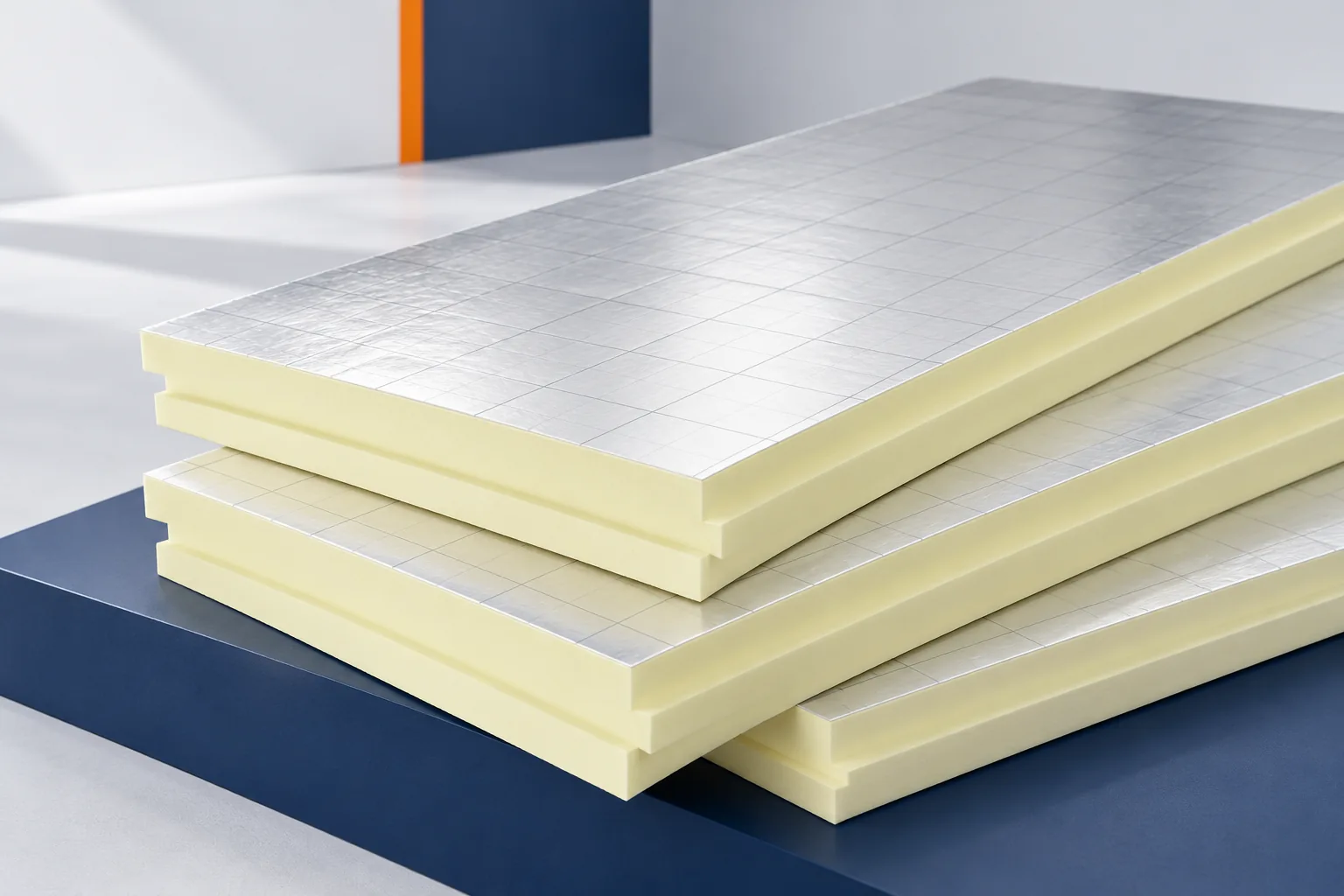
The three abbreviations denote different families of insulation. Each includes products with different purposes and parameters. The choice should follow from the installation location, moisture and load. Only then should thickness and price be compared. Good insulation under plaster need not be the right material under a loaded floor. EPS is expanded polystyrene. Its structure consists of bonded granules. XPS is produced by extrusion and has a different, closed-cell structure. PIR is rigid polyisocyanurate foam, often supplied with facings. They should not be treated as one material in different colours.

By |2026-11-14T11:59:13+01:002026-05-01|Technology and applications|Comments Off on EPS, XPS or PIR: how to choose insulation by application

Roof insulation: comparing PIR, EPS, XPS and mineral wool

The choice of roof insulation depends primarily on the available thickness and the required thermal resistance, not on the material name alone. Check whether a layer with the necessary lambda can fit in the given space and whether the product has declared mechanical and fire properties for the specific assembly. PIR can achieve high thermal resistance with a relatively thin layer, but it does not replace XPS in areas of prolonged water exposure. EPS comes in many variants, while mineral wool stands out for fire and acoustics. Compare complete options, not just board prices.

By |2026-11-14T22:29:21+01:002025-04-25|Technology and applications|Comments Off on Roof insulation: comparing PIR, EPS, XPS and mineral wool

PIR or XPS for a flat roof: how to decide based on the layer build-up?

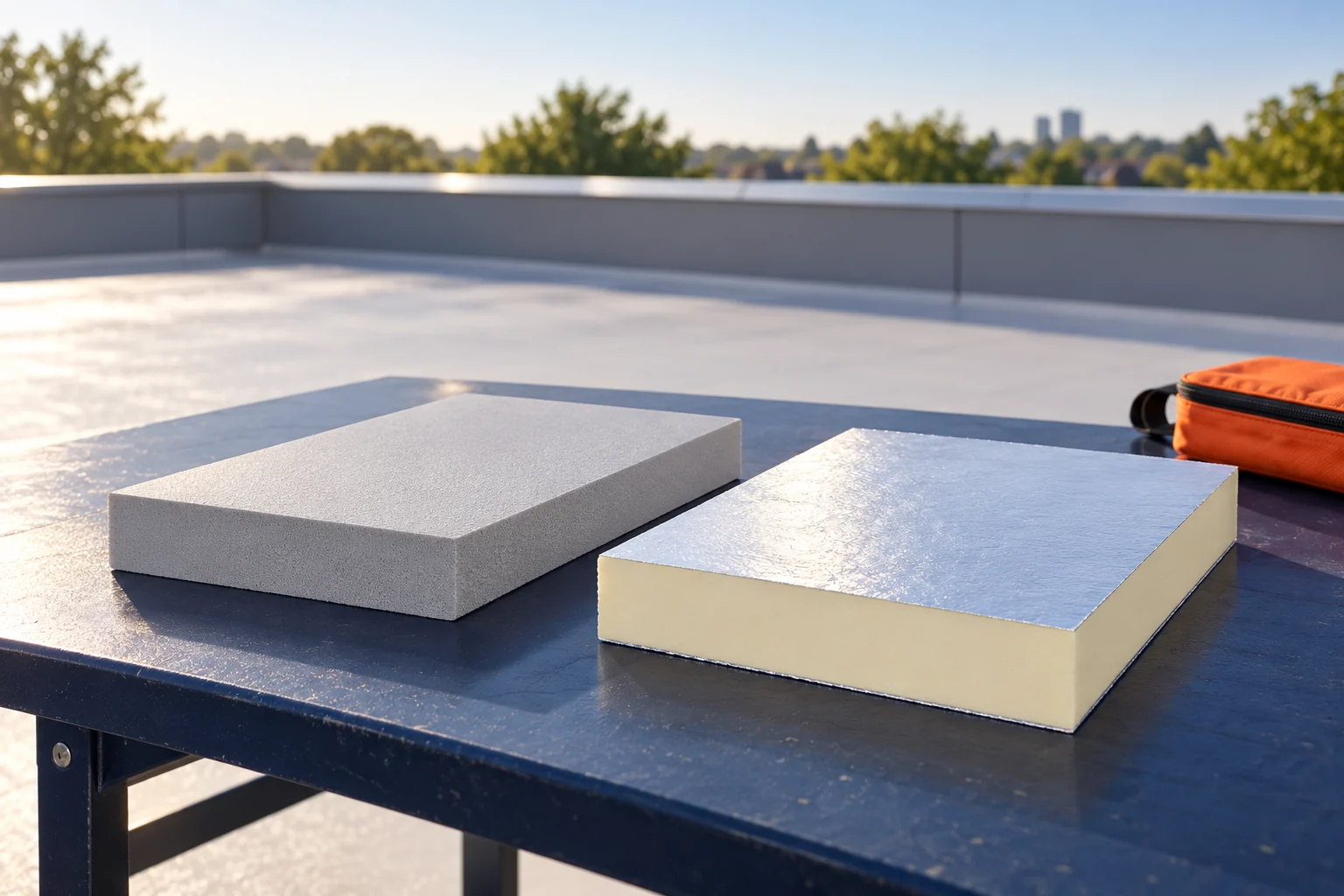
On a flat roof, the layer build-up is chosen first, and only then the insulation. PIR placed beneath the waterproof covering performs differently from XPS in an inverted roof. Moisture, load and the method of fixing all matter. A lower lambda alone does not confirm that the material is suitable as a substitute in an existing solution. In a classic roof, the insulation sits beneath the waterproof layer. In an inverted roof, the thermal insulation lies above the waterproofing. That is the fundamental difference in service conditions. A material in the upper position must be suitable for contact with water and for the intended method of draining precipitation.

By |2026-11-14T09:33:52+01:002023-07-20|Technology and applications|Comments Off on PIR or XPS for a flat roof: how to decide based on the layer build-up?

Comparing PIR, EPS, XPS and mineral wool for roof insulation

Begin comparing roof insulation with the required thermal resistance, not with board thickness. Check whether the chosen variant meets the project's fire, moisture and mechanical requirements. PIR with a lower lambda may need a thinner layer than EPS, XPS or mineral wool, which can matter where space is limited. For each product, establish the declared lambda and calculate R as thickness in metres divided by lambda. Only then compare the cost of the whole roof, including thermal bridges, fixings and flashings. Leave final thicknesses to the designer.

By |2026-11-15T02:34:51+01:002023-06-22|Technology and applications|Comments Off on Comparing PIR, EPS, XPS and mineral wool for roof insulation
Back to top