

Technology and applications
Izoprofil.pl explores how building materials work together. Sandwich panels, PIR insulation and trapezoidal sheets depend on their supports, joints, fixings and drainage. The guides explain how product properties affect use on roofs, walls and insulation assemblies. They help you read the documentation, identify limits and prepare questions for your designer or contractor. You can also look up detailing, common faults and preparing materials for installation. Use the technical issue on your project to choose an article, then check the instructions for your specific product. Similar-looking components may have different requirements.

What ensures the watertightness of a standing seam roof?
Standing seam joins adjacent sheet metal strips above the main roof slope surface. This arrangement helps to organise water runoff. However, it does not automatically guarantee the watertightness of the entire roof. The outcome is also determined by the pitch, flashings and method of fixing. The areas where the continuity of the covering is interrupted require the most attention. The flat sheet metal fields direct water towards the eaves. The longitudinal joint is located higher than their principal surface. This limits direct contact between the flowing water and part of the seam. Effectiveness depends, however, on its construction and the conditions on the roof.
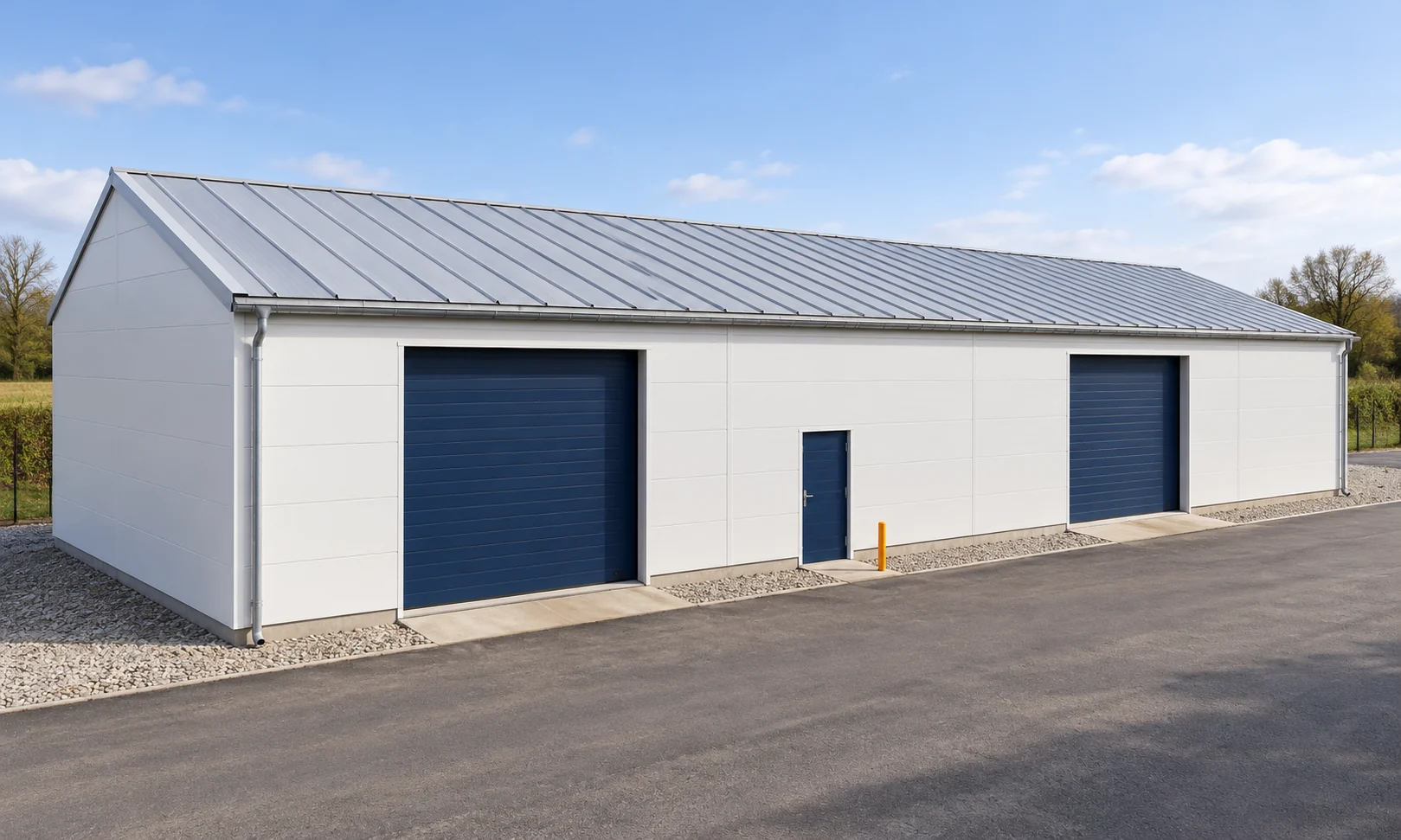
Estimating the cost of a panel-clad building from foundations to fit-out
The price of a panel hall depends primarily on the scope of construction. The panels themselves are only one part. Foundations, structure, joinery and services must be considered separately. The proportions and height of the building also have an influence. A reliable cost estimate starts with a single drawing and a clear boundary between the envelope and the complete building. Determine whether the scope covers only the frame and envelope, or also the floor, services and finishing. The term “turnkey” without a list of works remains imprecise. The gate, drainage or power supply may be billed separately. All such items should be included in the schedule.
Choosing a practical roofing course
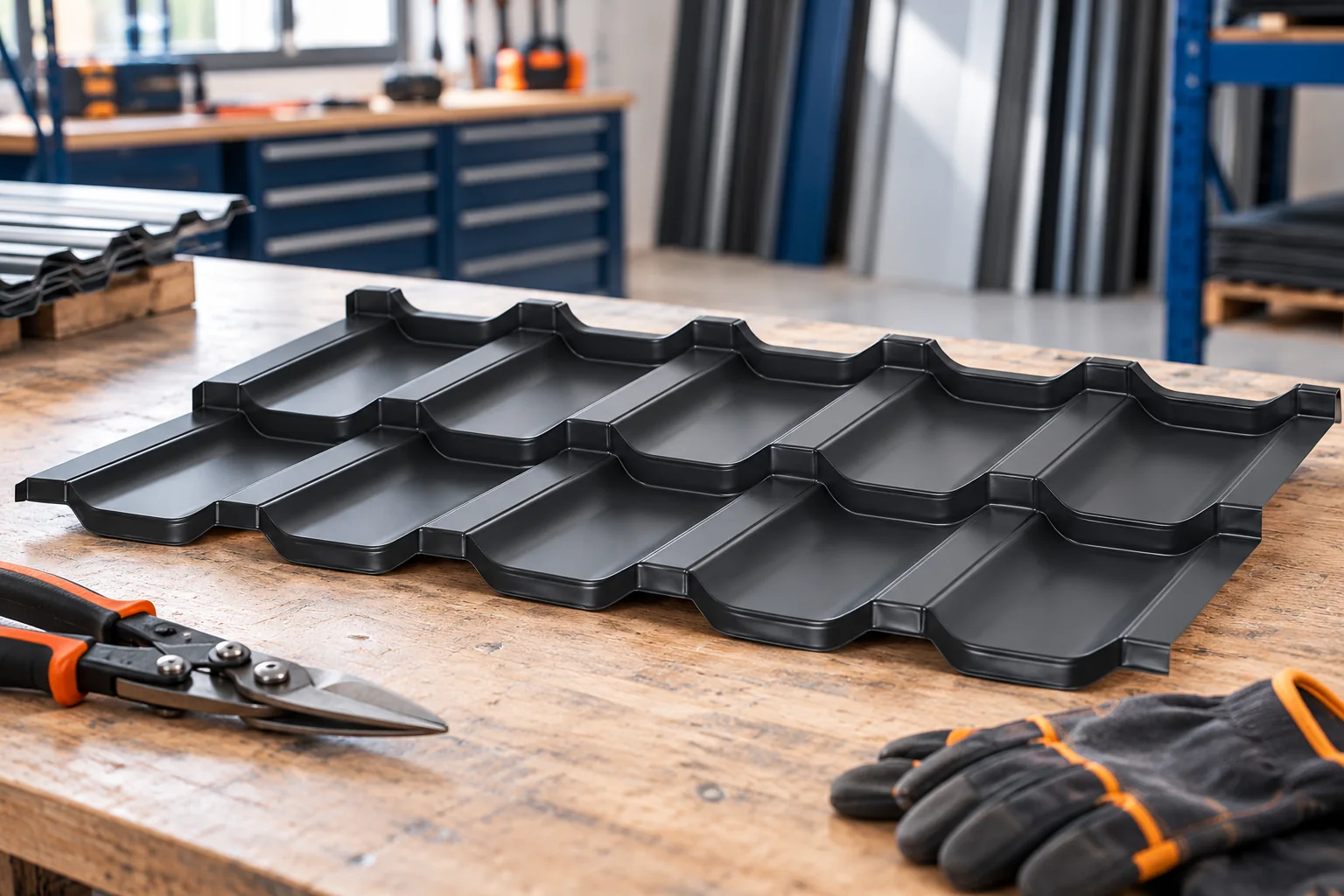
Good roofing training should let you carry out and check important details yourself. A display of a finished roof is not enough. Before signing up, establish which system the course covers, how much time is set aside for practical work and whether mistakes are discussed. Exercises linked to the current instructions, real material and safe working conditions provide the greatest value. First determine what you want to learn. Installing modular tile-effect metal roofing requires different exercises than building a hall cladding from insulated sandwich panels. The details of low trapezoidal steel sheet and high structural sheet also differ. General training can organise the basics, but it does not replace learning the seams, fasteners and installation sequence of a specific system.

Choosing a covering for a pitched gable roof
Choosing a covering for a gable roof starts with measuring both slopes. Even when they look symmetrical from the street, their dimensions, exposure to sunlight and roof openings may differ. Check the pitch and condition of the supporting structure before choosing the sheet format. A regular layout can reduce offcuts, provided the sheets suit the measured roof. For a meaningful comparison, ask for estimates that also cover the ridge, eaves and verges. The price per metre of sheet alone gives an incomplete picture of the finished roof.
Metal fence picket profiles: stiffness, ribs and supports
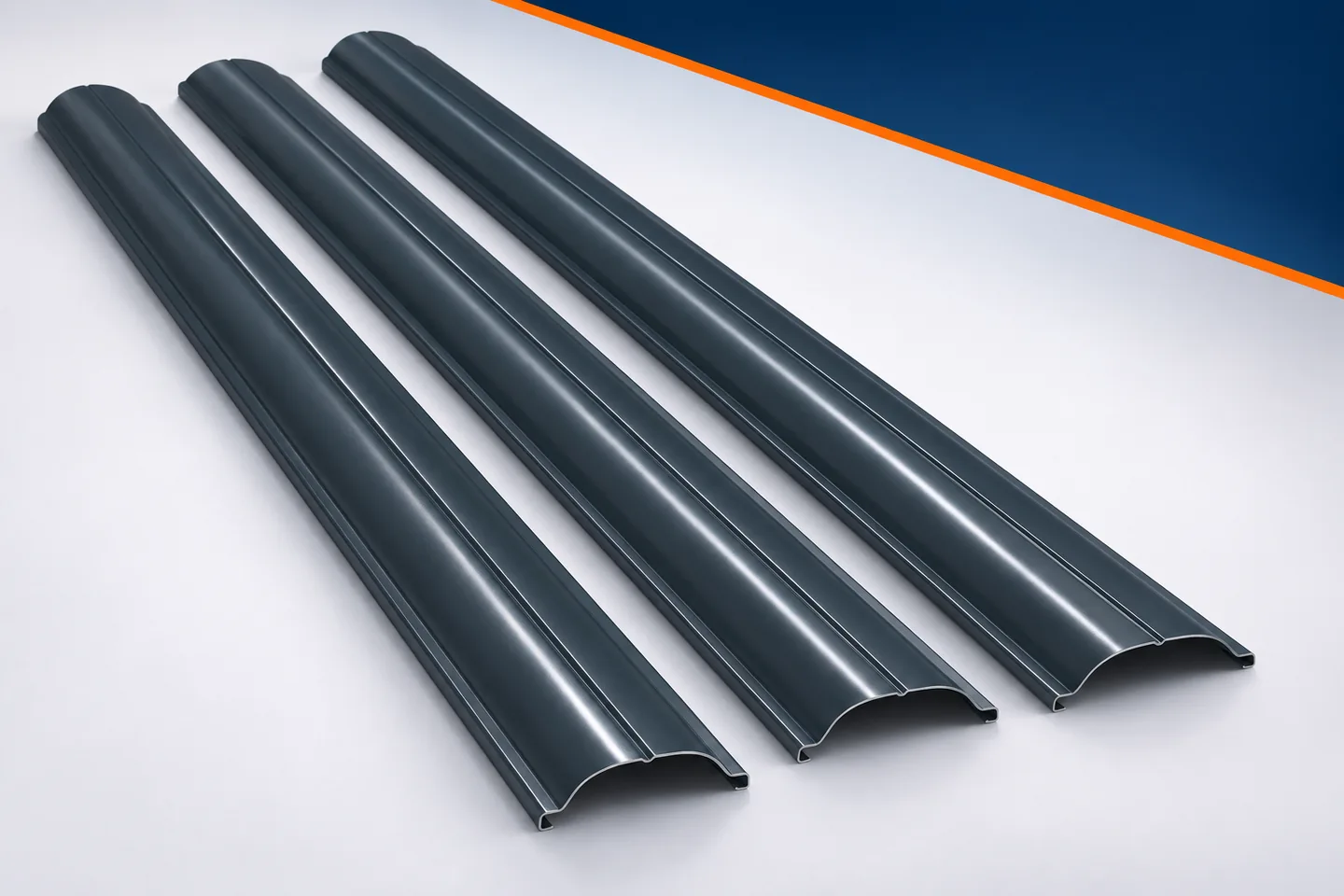
A metal picket is not simply a flat strip of painted steel. Its three-dimensional cross-section helps achieve useful stiffness with a small sheet thickness. That is why two elements of similar width can behave differently. When assessing metal pickets, the profile, length and method of support must be considered together. The appearance of strong pressings alone is not yet proof of load-bearing capacity. A good comparison starts with the drawing and installation conditions of the specific product. Profiling moves part of the material away from one flat surface. Ribs, steps and folded edges are formed. This shape influences the element's resistance to deformation. This is the fundamental reason why sheet steel pickets are not made exclusively as flat strips. The geometry serves a functional purpose, although at the same time it gives the fence its characteristic appearance.
What to check on a metal roof after winter
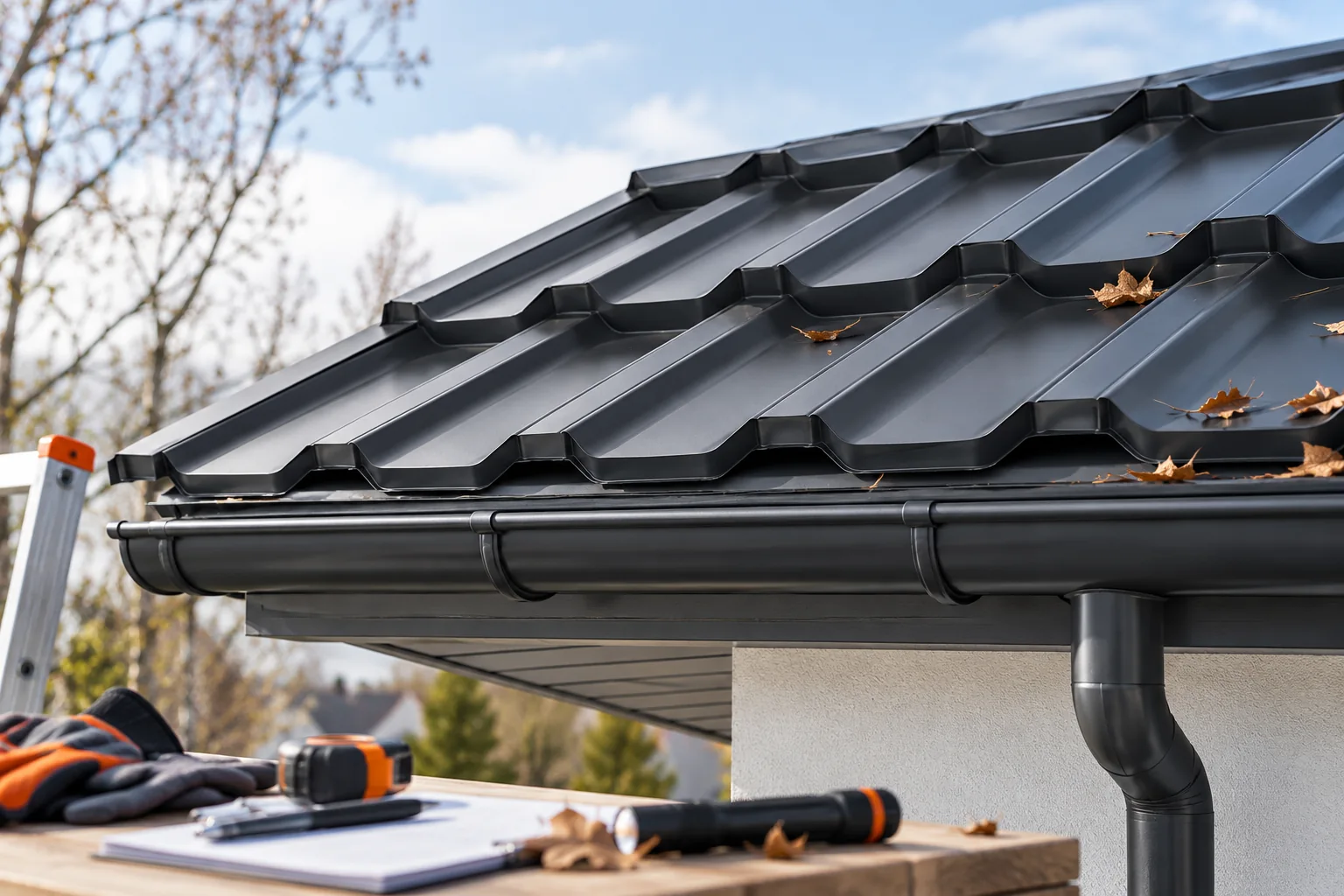
Start a post-winter roof inspection by following the route rainwater takes. From the ground, look for gutters that sag and flashings that have moved. From the loft, check for damp patches. A stain can point to a problem some distance away, so establish where water is entering or backing up before arranging a repair. Have defects dealt with before the next period of heavy rain. Leave any inspection that requires going onto the roof to someone equipped and trained to work at height.