

Technology and applications
Izoprofil.pl explores how building materials work together. Sandwich panels, PIR insulation and trapezoidal sheets depend on their supports, joints, fixings and drainage. The guides explain how product properties affect use on roofs, walls and insulation assemblies. They help you read the documentation, identify limits and prepare questions for your designer or contractor. You can also look up detailing, common faults and preparing materials for installation. Use the technical issue on your project to choose an article, then check the instructions for your specific product. Similar-looking components may have different requirements.
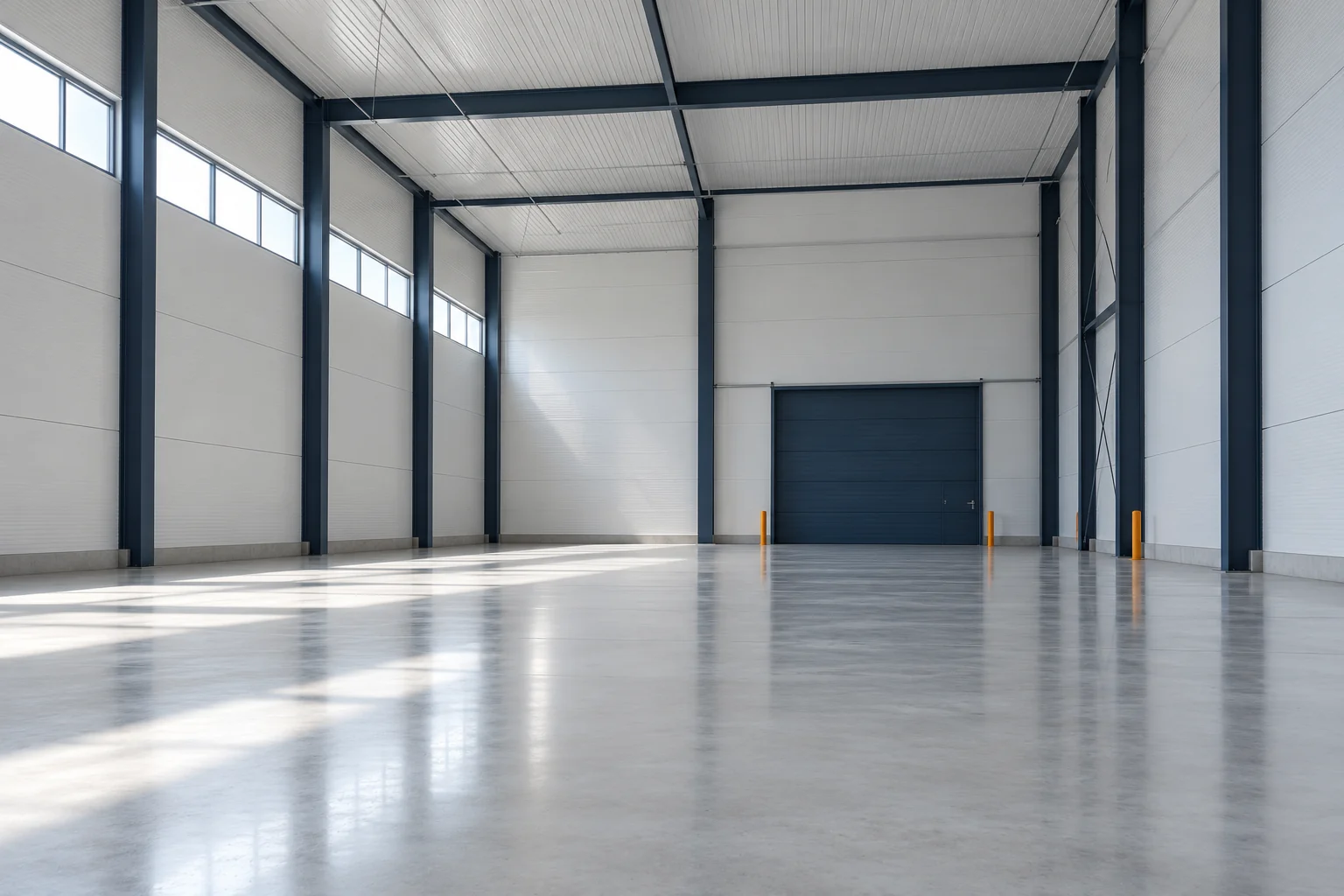
Will a mineral wool panel soundproof the hall, and how do you read its acoustic parameters?
A mineral wool core does not mean that every panel absorbs noise well inside the room. A panel with full steel facings can limit sound transmission while reflecting it back into the room. First you need to establish the problem: noise outside, between rooms or reverberation in the hall. Each requires a different approach. Insulation describes limiting the passage of sound through a partition. Absorption concerns the energy that does not return to the room as a reflection. These are different properties. Material hidden behind full steel sheet does not behave the same as an exposed or suitably protected absorbent layer.
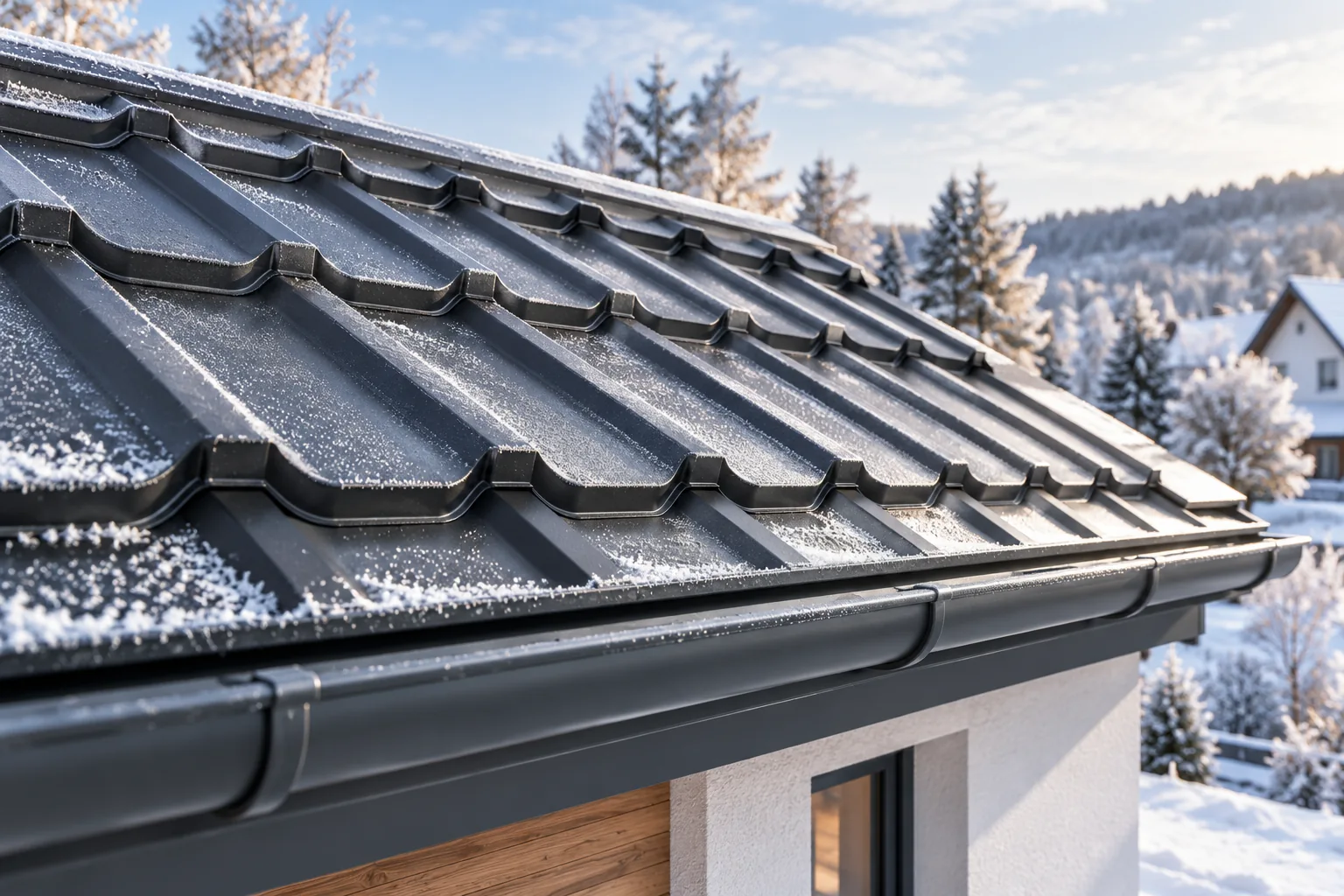
Preparing your roof for snow, frost and winter weather
Winter roof preparation begins with deciding who will assess the need for snow removal and how it will be carried out, not with cleaning the gutters alone. Before the frost, repair loose flashings, damaged connections and active leaks before the weather makes access difficult. Also check the places where installation work was previously done, because openings left behind may only reveal a problem during lying snow and thaw. There is no single safe snow depth for all roofs – construction, weather conditions and actual load determine it.
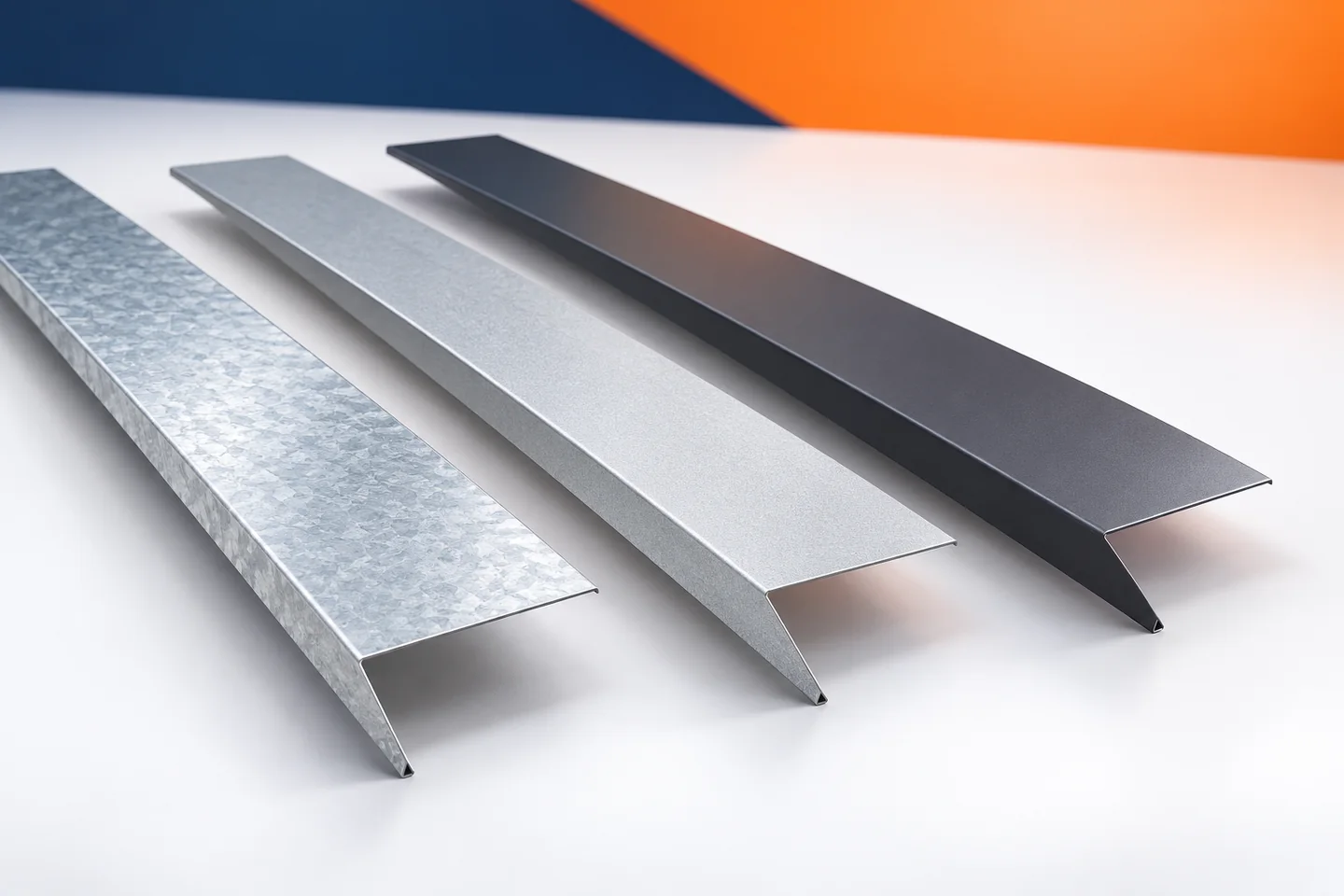
Checking that flashings in one delivery match in material and colour
With a large order, flashings often come from several batches or arrive on site at different times. It is then easy to mix up the material, the surface finish or the colour side. One clear schedule limits the problem. It should describe each group of elements, from ridge caps to starter profiles. A joint delivery makes sense when all parts are easily identifiable and correspond to the approved specification. Ridge caps, barge flashings, gutter aprons and chimney flashings should be listed in separate rows. For each, add the cross-section, length and number of pieces. Starter profiles and other plinth elements should also be separated. This allows quantities to be checked without mixing the functions of similar profiles.
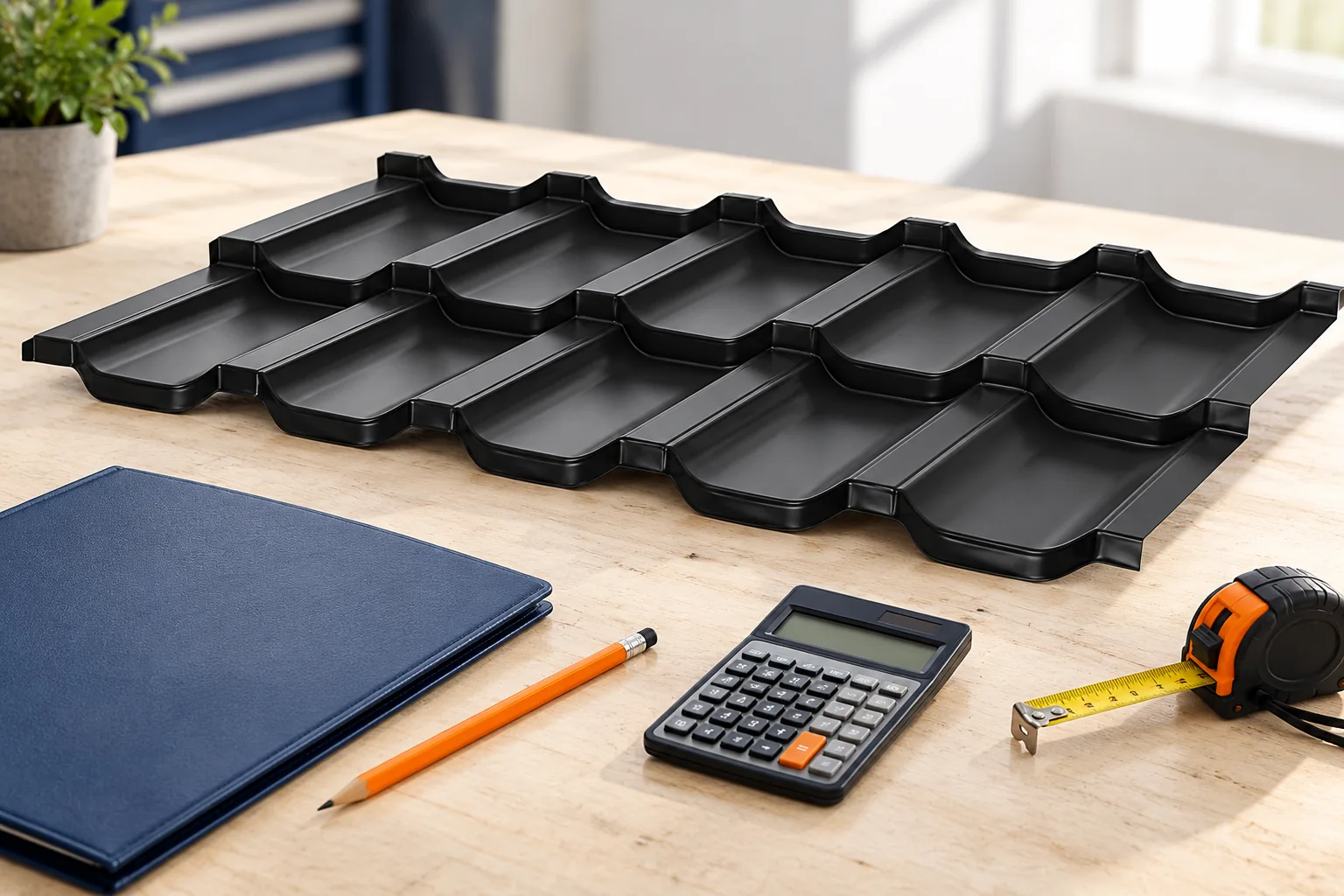
Why the cheapest covering can still mean a costly roof
What matters is whether you are comparing the cost of a complete roof, not just the price of a sheet. Check the coverage area, the type of coating and the scope of the offer, because a unit price without these details can be misleading. Also include accessories, transport, cutting and installation conditions, which may reverse an apparent saving. On a complex roof, flashings and accessories can account for a significant share, so it is worth comparing offers for your own project. Leave the final choice to the designer, who will assess whether the cheaper variant meets the required parameters.
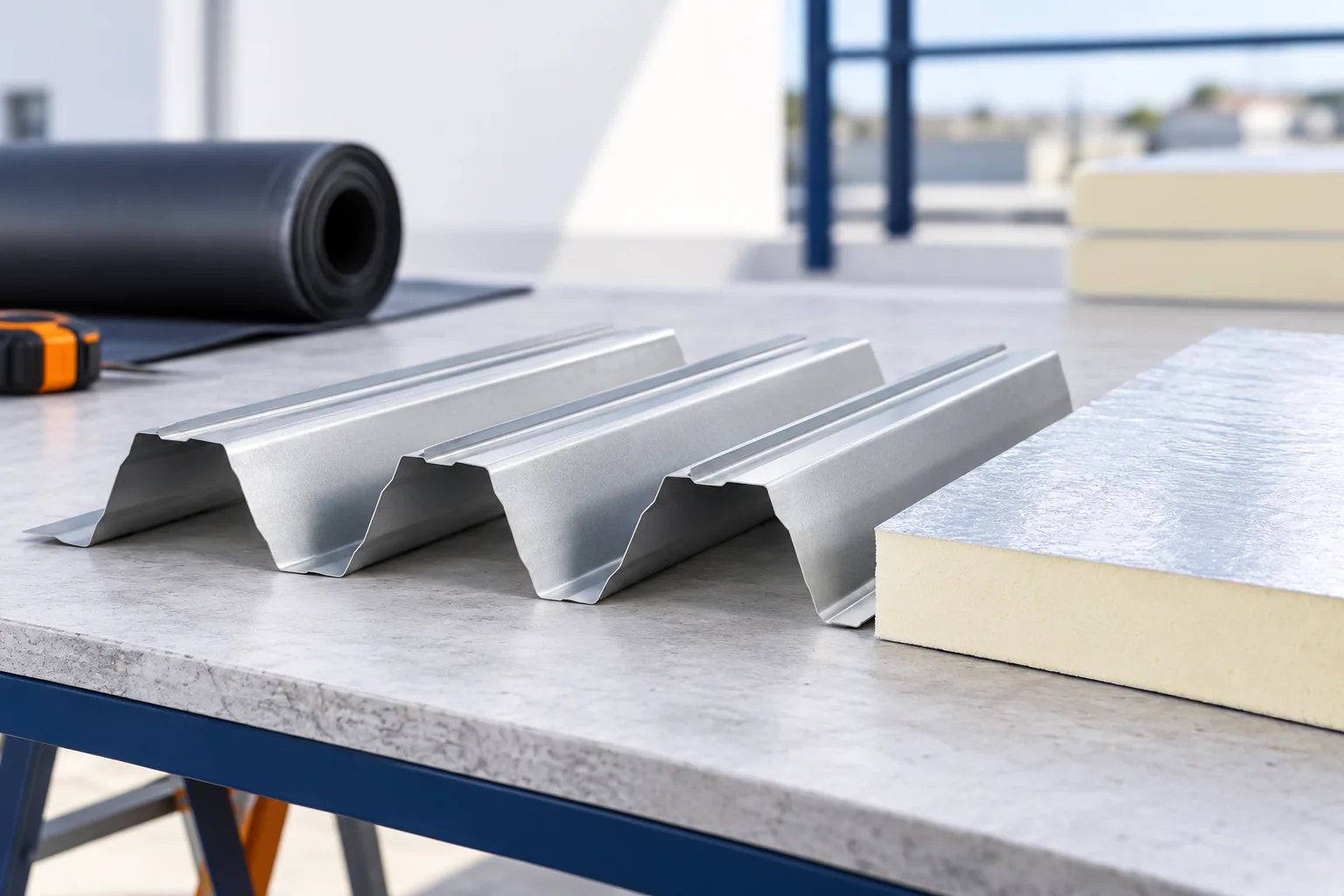
Flat roof coverings: how to choose the right build-up
The choice of flat roof covering depends primarily on the geometry of the falls and the layout of the drains, not on the waterproofing material alone. Before laying the layers, check whether the design provides for the water flow path, substrate deflections and levels at parapets and service penetrations. Only then should the structural steel deck, PIR insulation and bitumen felt or membrane be selected as one system. A sandwich panel requires its own minimum slope, so it cannot replace an arbitrarily level assembly.
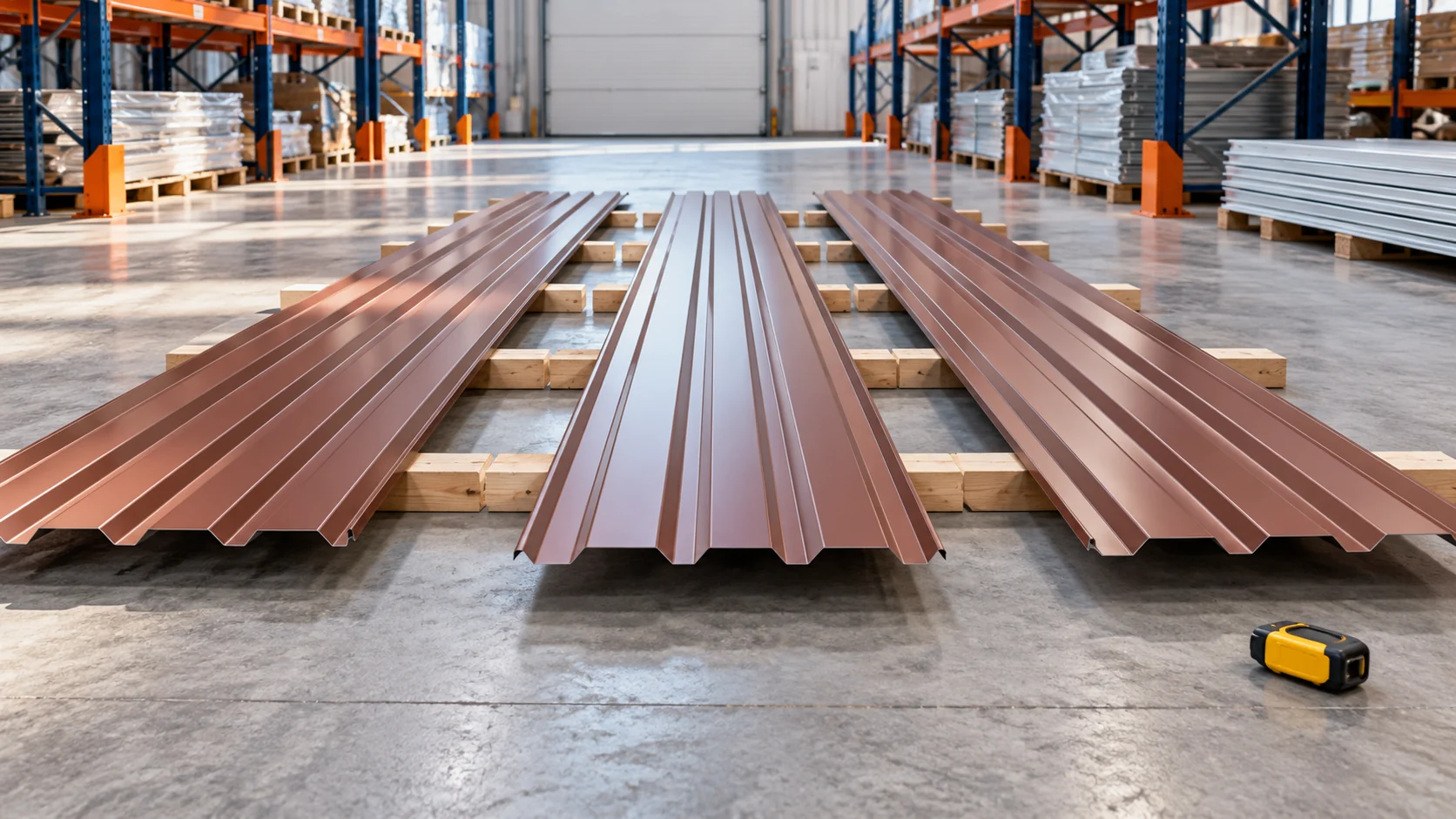
What do 100 metres of sheet metal cost? Linear metres versus square metres
The question about 100 metres of steel sheet requires clarification of the unit. One hundred linear metres is the sum of the lengths of the sheets, while one hundred square metres is the area. The result also depends on the overall width or coverage width. These figures must be established before comparing prices. Otherwise, two similar amounts may refer to different quantities of material. A linear metre means a length of 1 m at a specified width. Twenty sheets of 5 m each give 100 linear metres. This does not yet indicate what area will be covered. The effective width of the specific profile is needed, along with information on any longitudinal joints.