

Technology and applications
Izoprofil.pl explores how building materials work together. Sandwich panels, PIR insulation and trapezoidal sheets depend on their supports, joints, fixings and drainage. The guides explain how product properties affect use on roofs, walls and insulation assemblies. They help you read the documentation, identify limits and prepare questions for your designer or contractor. You can also look up detailing, common faults and preparing materials for installation. Use the technical issue on your project to choose an article, then check the instructions for your specific product. Similar-looking components may have different requirements.
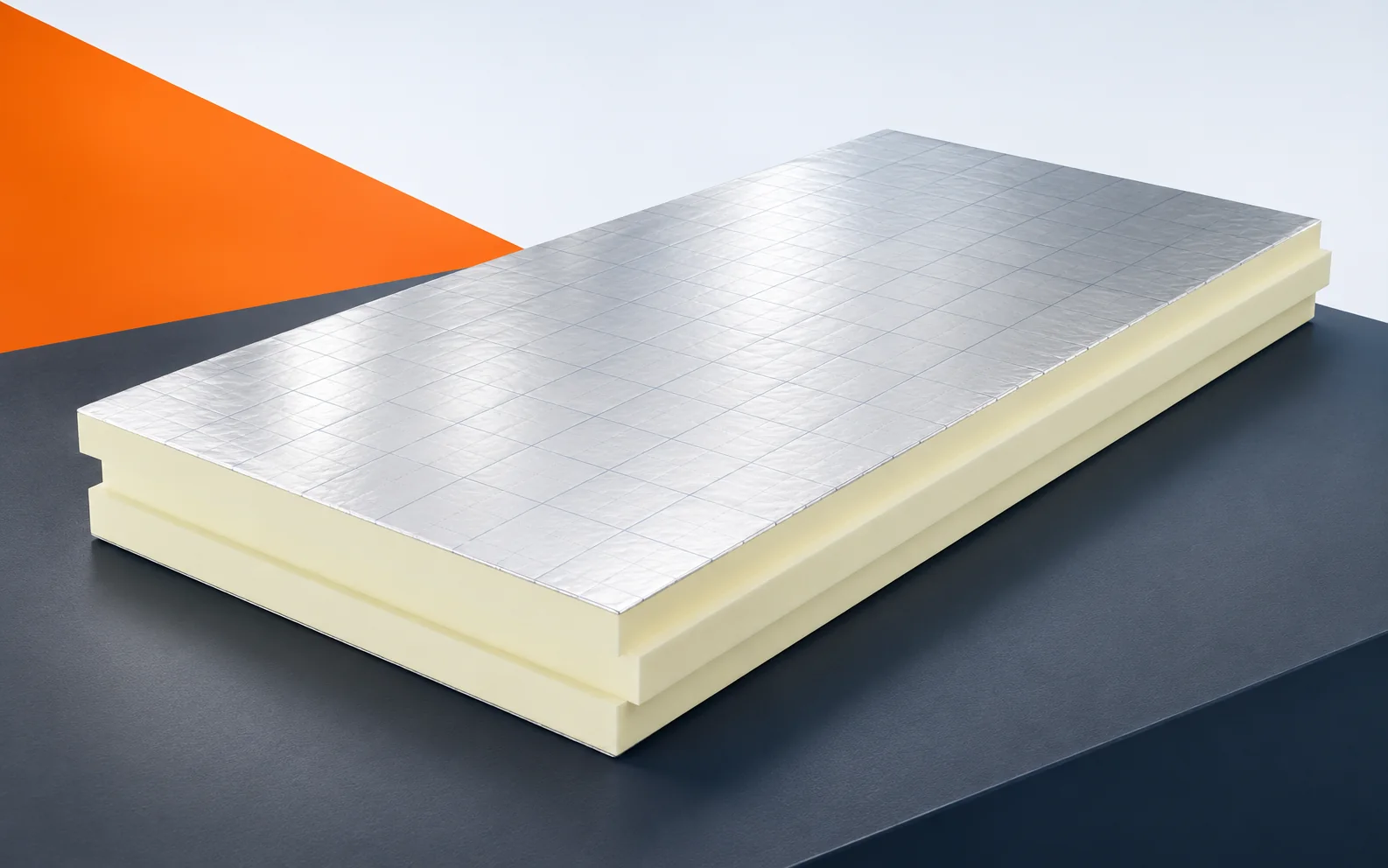
Adding PIR insulation to an old flat roof: checking the layers beneath
New PIR boards can improve the thermal performance of an old flat roof. First, however, the condition of the covering, the substrate and the concealed layers must be established. Key points are damp areas, drains and the height of the parapet. A good renovation plan combines thermal insulation with repair of these details. PIR boards for a flat roof are selected according to how the covering is constructed. Aluminium laminate, glass fleece and bitumen-coated facing are not interchangeable surfaces. The old covering can become a substrate only after its condition and compatibility have been assessed. Not every adhesive and new facing are compatible with the surface left in place. If the old waterproofing is retained, its role in the new build-up must be established.
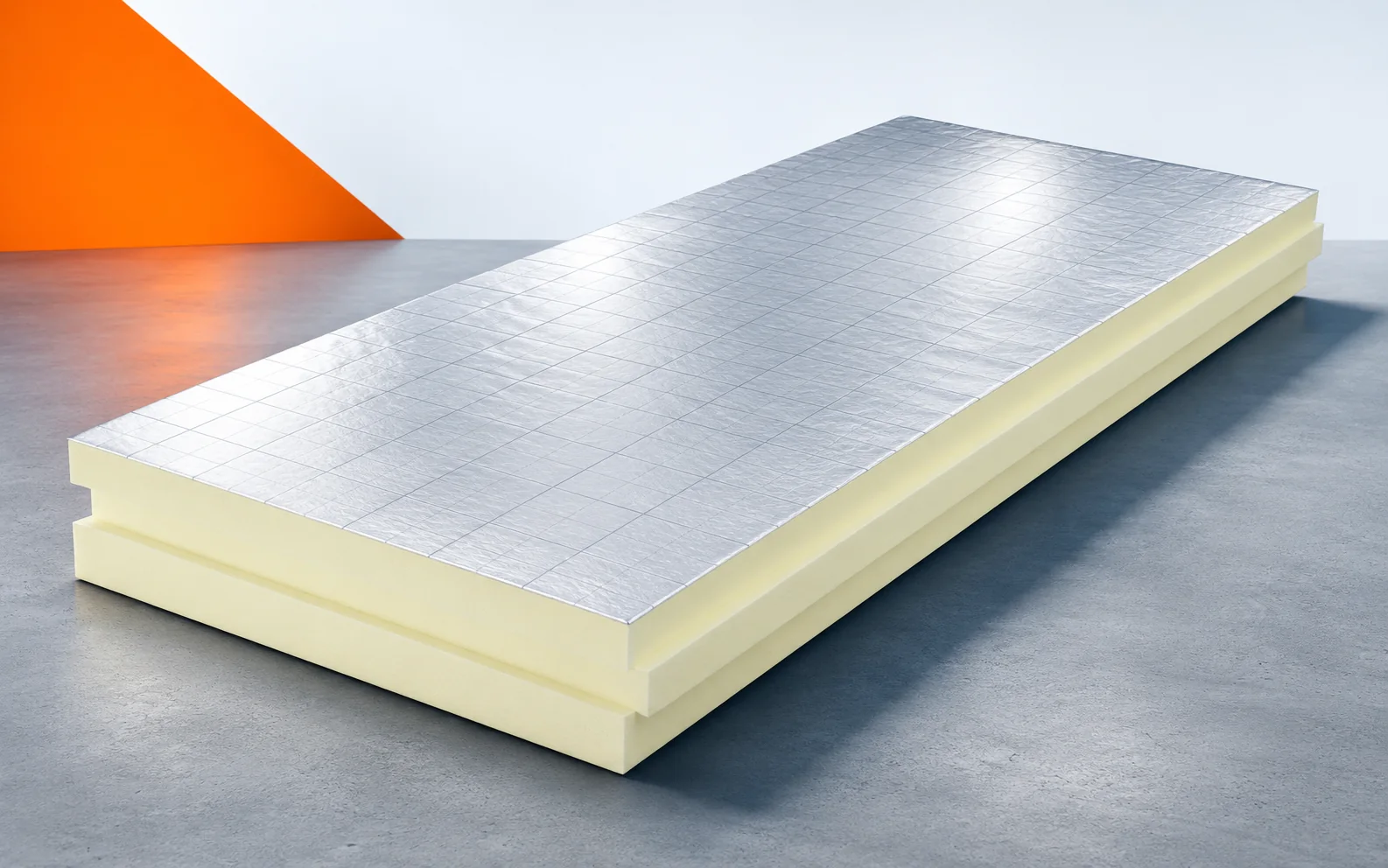
Renovating a floor with PIR: fitting insulation below existing thresholds
In an old floor there is often not enough room to improve the thermal insulation. PIR boards can help thanks to the small thickness needed to achieve a given thermal resistance. Before buying, however, you must uncover the actual cross-section, measure the levels and match the build-up to the loads. PIR boards are useful in a floor when the available height is limited. Low thermal conductivity allows an effective insulation layer to fit under the screed. After removing the floor covering it is worth measuring the height to the threshold again. Old drawings may not show the actual thickness of all the layers left in place. Removing the old finish often changes what is known about the available space. It is worth checking the level of the substrate in several places, not only at the door.
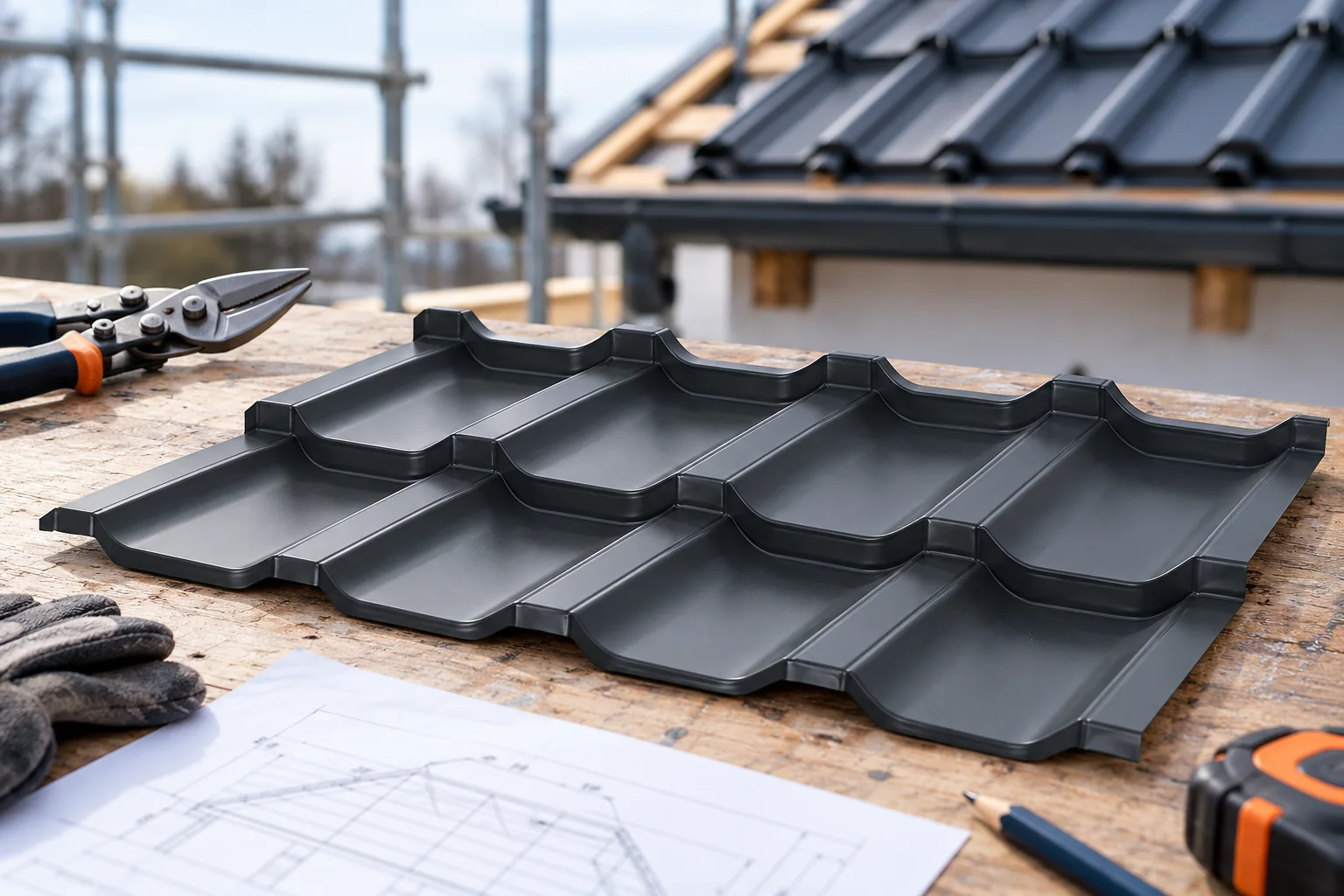
Choosing a roofer and agreeing who is responsible for each part of the job
When choosing a roofer, check above all their experience with the specific covering and roof geometry, not just the overall number of projects. Ask for examples of details such as the valley, eaves and chimney junction, and for documentation of the layers before they are covered. In the contract, allocate responsibility for measurement, materials and installation, and set out the stages of inspection and the rules for settling additional work. Remember that installing modular metal tiles differs from a roof made of sandwich panels, so familiarity with one system does not guarantee proficiency in the other.
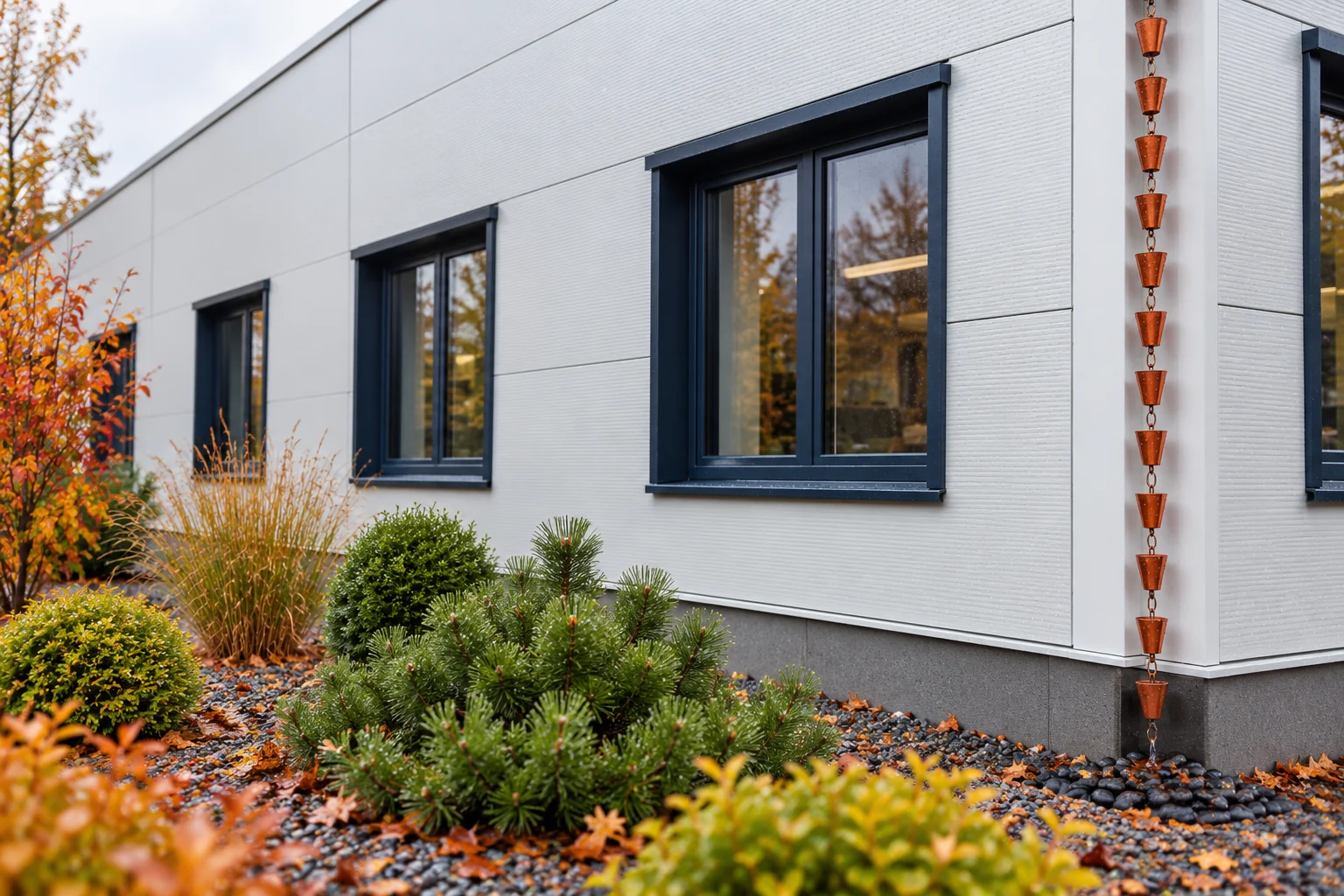
What determines the durability of a wall made of insulated panels with mineral wool?
The service life of a mineral wool panel cannot honestly be reduced to a single number of years. The wall works as a system of facings, core, locks and fixings. Water, surface damage and environmental conditions are of major importance. Durability should be planned at the plinth, corners and places that will later be difficult to reach. The steel facings protect the core and work with it to carry loads. The mineral wool provides insulation and participates in the performance of the whole element. The connection between the layers is essential. Therefore the condition of the external paint does not describe all the properties of the panel.
How do I prepare a quick thermal calculation for a wall and check for moisture?
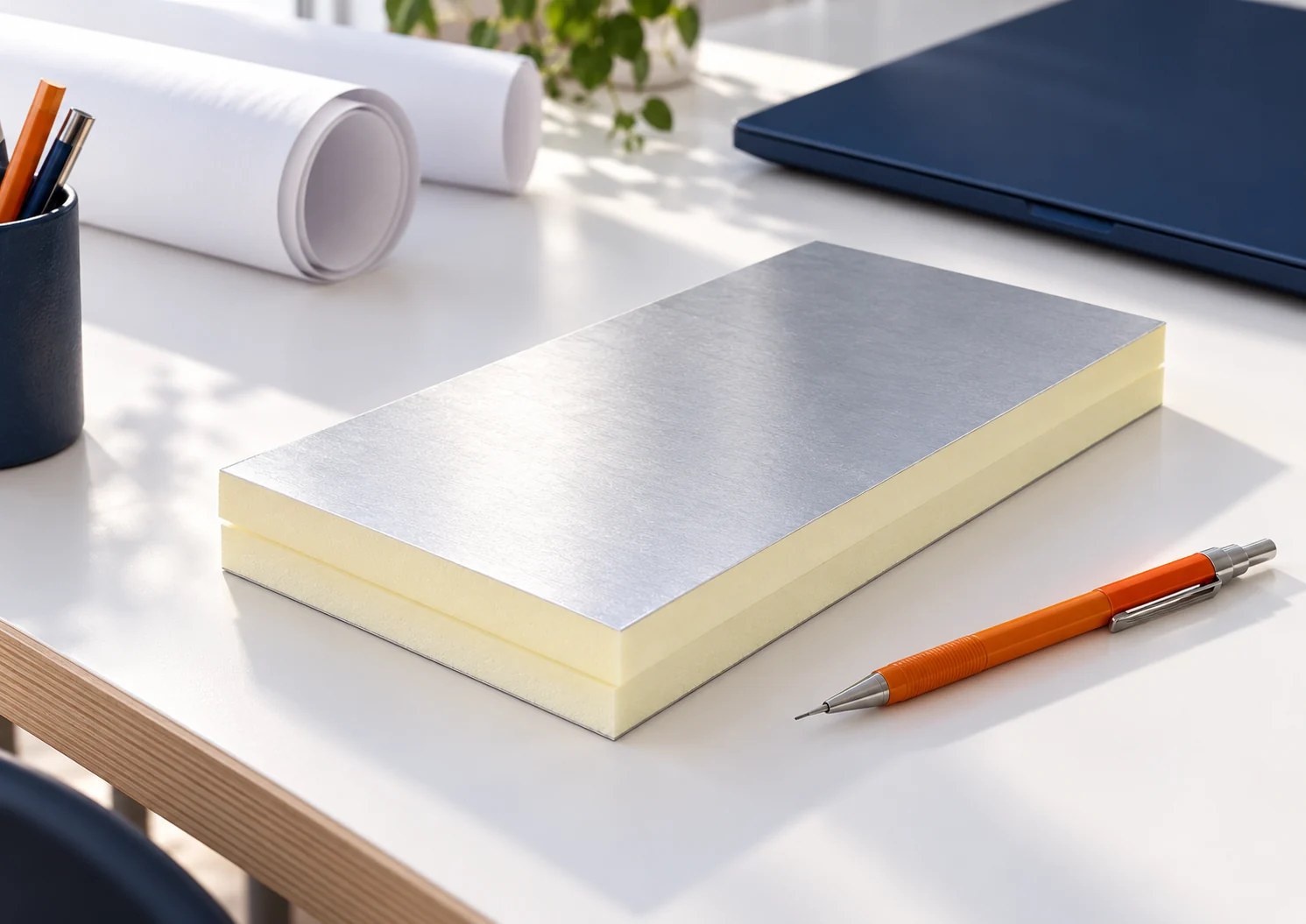
A quick calculator helps compare insulation thicknesses. However, it will not identify damp masonry or a poorly detailed reveal. For the result to be useful, the actual wall and its operating conditions must be described. Heat loss, surface temperature and the risk of moisture within the construction are checked separately. Record the layer build-up from inside to outside. For each layer, give the thickness and thermal properties. In an existing building, do not automatically assume that the wall matches a typical solution from the year of construction. An air cavity, a different type of block or later cladding can change the result.
Is a mineral wool panel non-combustible and what does A2-s1,d0 actually mean?
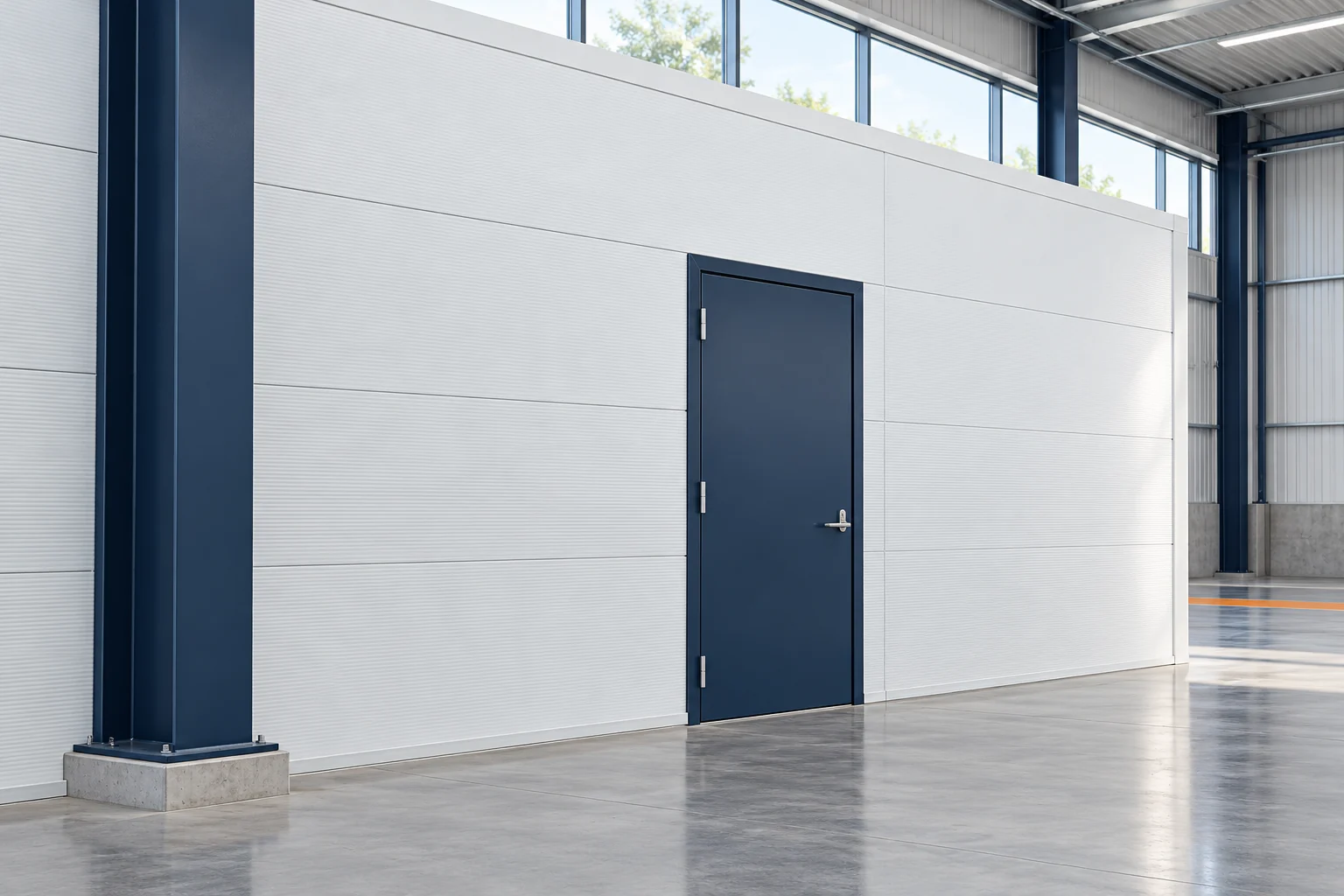
Mineral wool and a finished insulated wall panel are not the same product. The panel also contains facings, adhesives and joints. The classification of the whole product must therefore be checked. The A2-s1,d0 designation is also not a substitute for EI. The first concerns reaction to fire, the second the behaviour of the wall in a specific assembly. The core is one of the panel's components. In the finished element it works together with the steel facings and the other materials. The properties of the mineral wool alone cannot automatically be attributed to the whole product. The declaration relating to the specific panel must be read.