

Technology and applications
Izoprofil.pl explores how building materials work together. Sandwich panels, PIR insulation and trapezoidal sheets depend on their supports, joints, fixings and drainage. The guides explain how product properties affect use on roofs, walls and insulation assemblies. They help you read the documentation, identify limits and prepare questions for your designer or contractor. You can also look up detailing, common faults and preparing materials for installation. Use the technical issue on your project to choose an article, then check the instructions for your specific product. Similar-looking components may have different requirements.
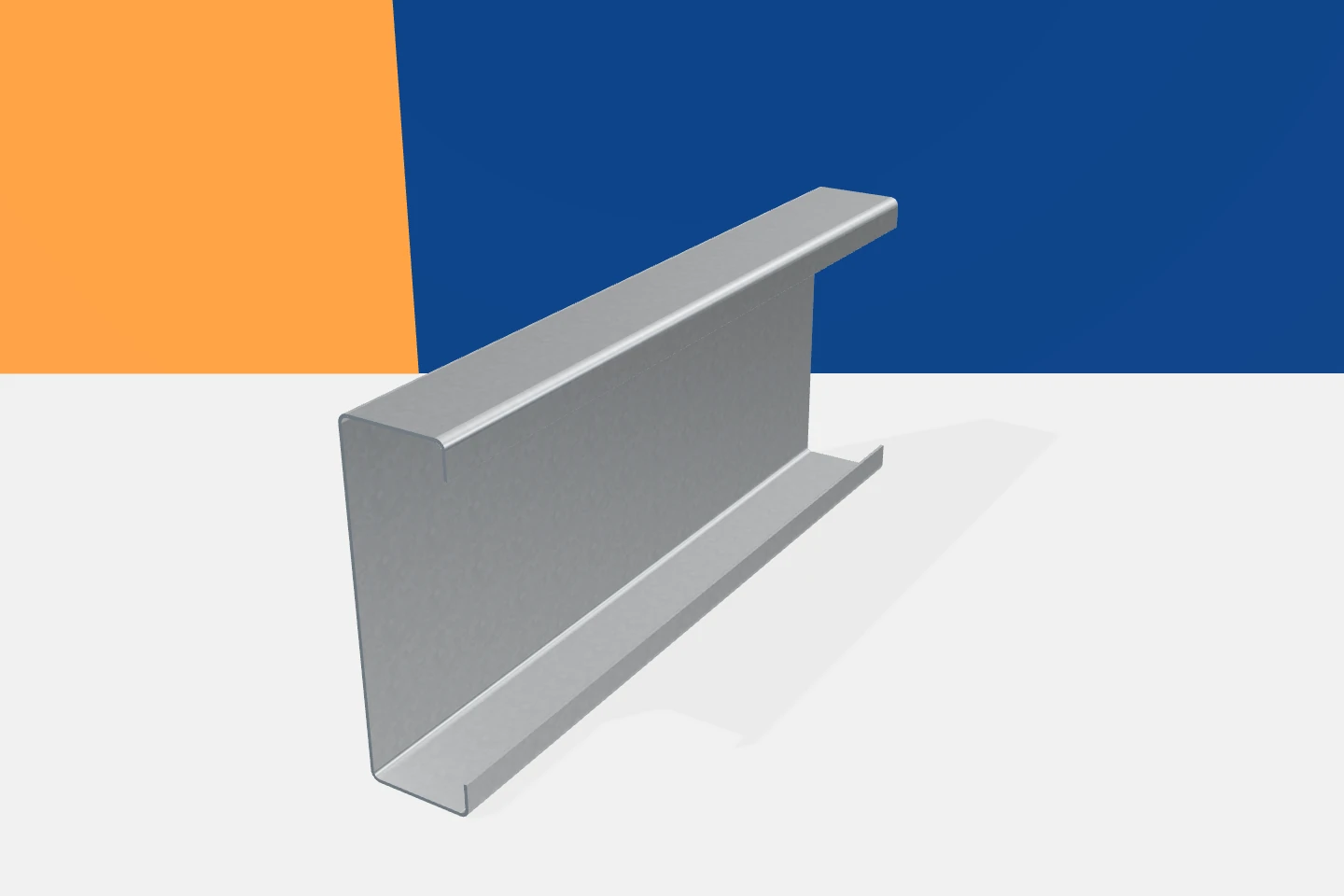
Z275 and other coatings for galvanised profiles. What should a buyer check?
A coating is often described in a quote with a single abbreviation. Behind that abbreviation, however, lie specific material properties and the principles for assessing them. When buying galvanised profiles, it is worth distinguishing the type of protection from the steel grade and thickness. These are separate parameters. A Z-profile, C-profile, sigma or omega may have the correct shape and yet not meet the requirements of the environment in which it is to work. The Z designation indicates a zinc coating. The number 275 refers to a specific required coating mass per surface area of the sheet, calculated for both sides together. It should not be interpreted as 275 micrometres, nor should this mass be attributed to each side separately. This is a common error when comparing quote descriptions.
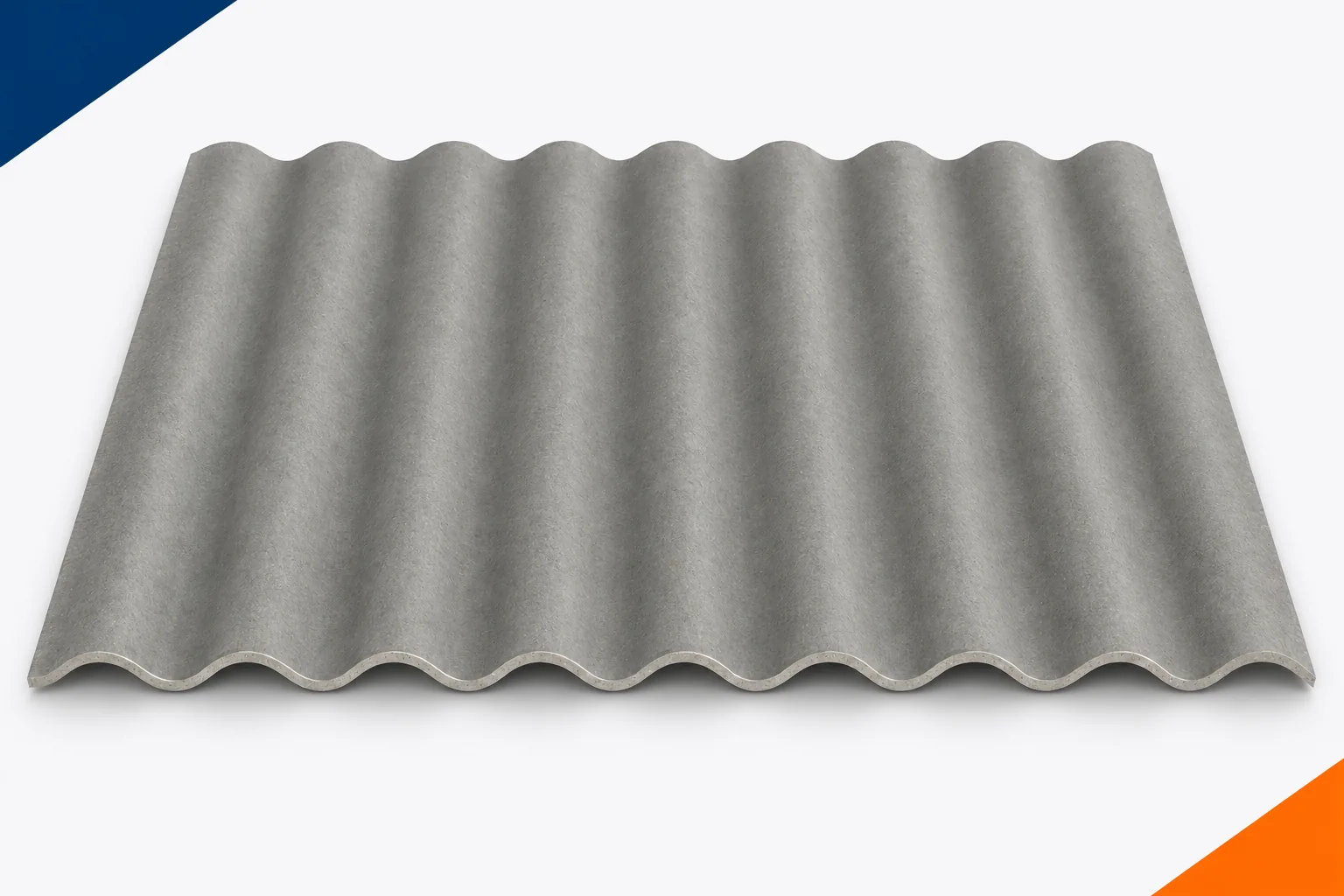
Roof pitch and selection of the fibre cement sheet system
The roof angle affects the rate of water drainage and the working conditions of the joints. It cannot be treated as a secondary dimension when choosing a covering. Fibre cement sheets have pitch requirements set out in the documentation for the given system. A single figure cannot be transferred to all profiles. Asbestos-free fibre cement may be a good solution for a pitched roof, but its suitability must be confirmed for the specific roof slope and local conditions. In documents, pitch is sometimes stated in degrees and sometimes in percentages. These are different ways of representing the same geometry, not figures used interchangeably. A percentage means the ratio of the rise in height to the horizontal distance.
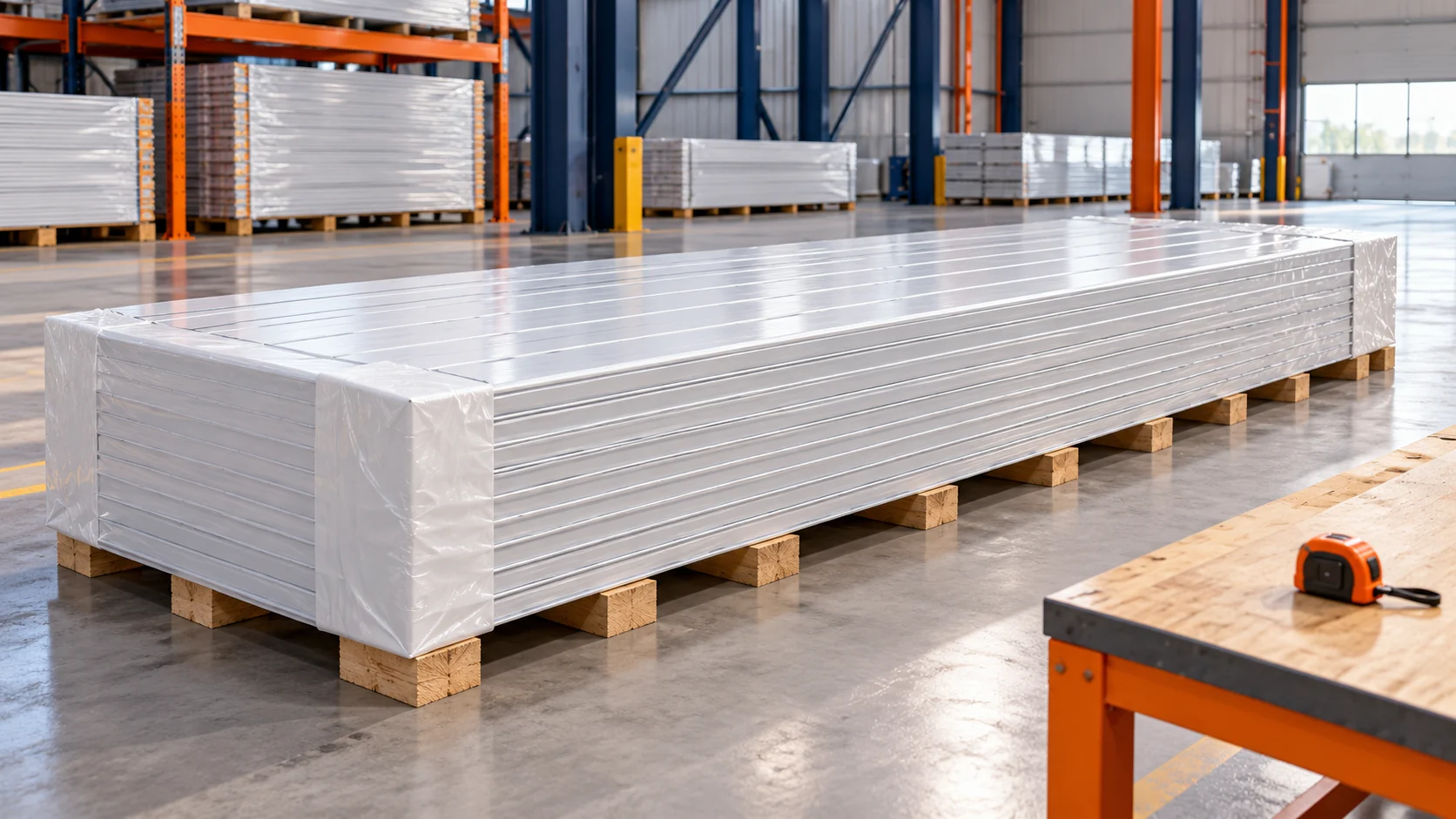
Will roof panels available from stock fit the length of your roof?
A ready batch of sheets can speed up the purchase if it matches the roof dimensions. The total square metres alone do not confirm this. You need to know the length of each element, its profile and the preparation of the ends. Before choosing material available from stock, draw it on the actual supports and the edges of the roof slope. Measure along the slope, in line with the position of the panel. The horizontal projection is not the same as the length down the slope. Allow for the intended eaves and the termination at the ridge or wall. The dimensions should follow from a specific detail, not from an arbitrary addition to the measurement.
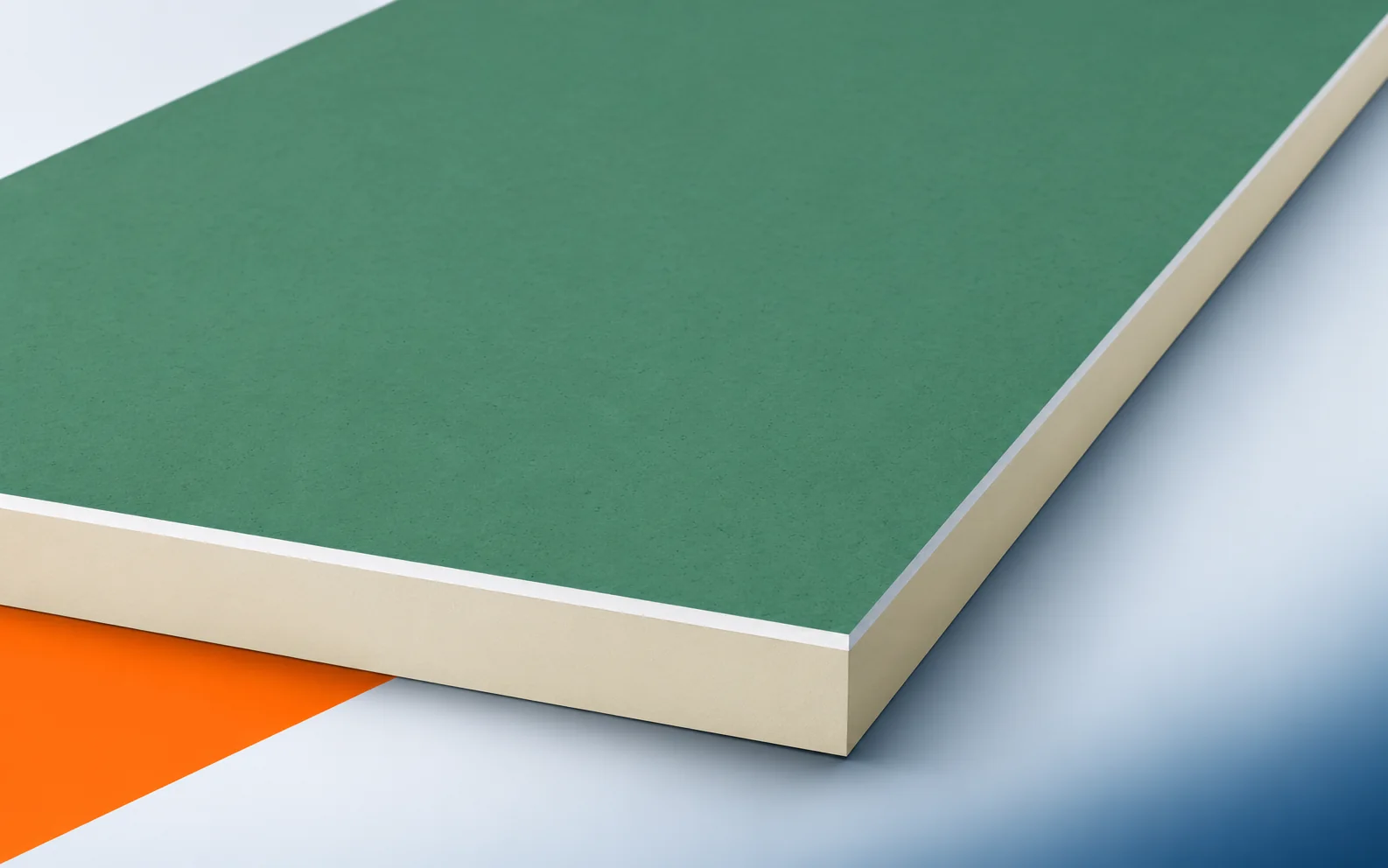
Internal renovation with Thermano GK: avoiding hidden moisture
A new lining can conceal moisture, but it does not remove its source. That is why a renovation with Thermano GK begins with an assessment of the existing wall. The choice of board and adhesive should follow from this assessment, as should the way the perimeter and service penetrations are sealed. Thermano GK-A and Thermano GK-H2 combine a PIR core with gas-tight facings and a 12.5 mm plasterboard. The GK-A variant has a white facing for typical dry rooms. During the pre-renovation inspection, check the choice between the white GK-A facing and the green GK-H2 in a room with a specific function. The GK-A or GK-H2 variant should be assigned to the function and conditions of use of the room before determining the scope of demolition and preparing the old partition.
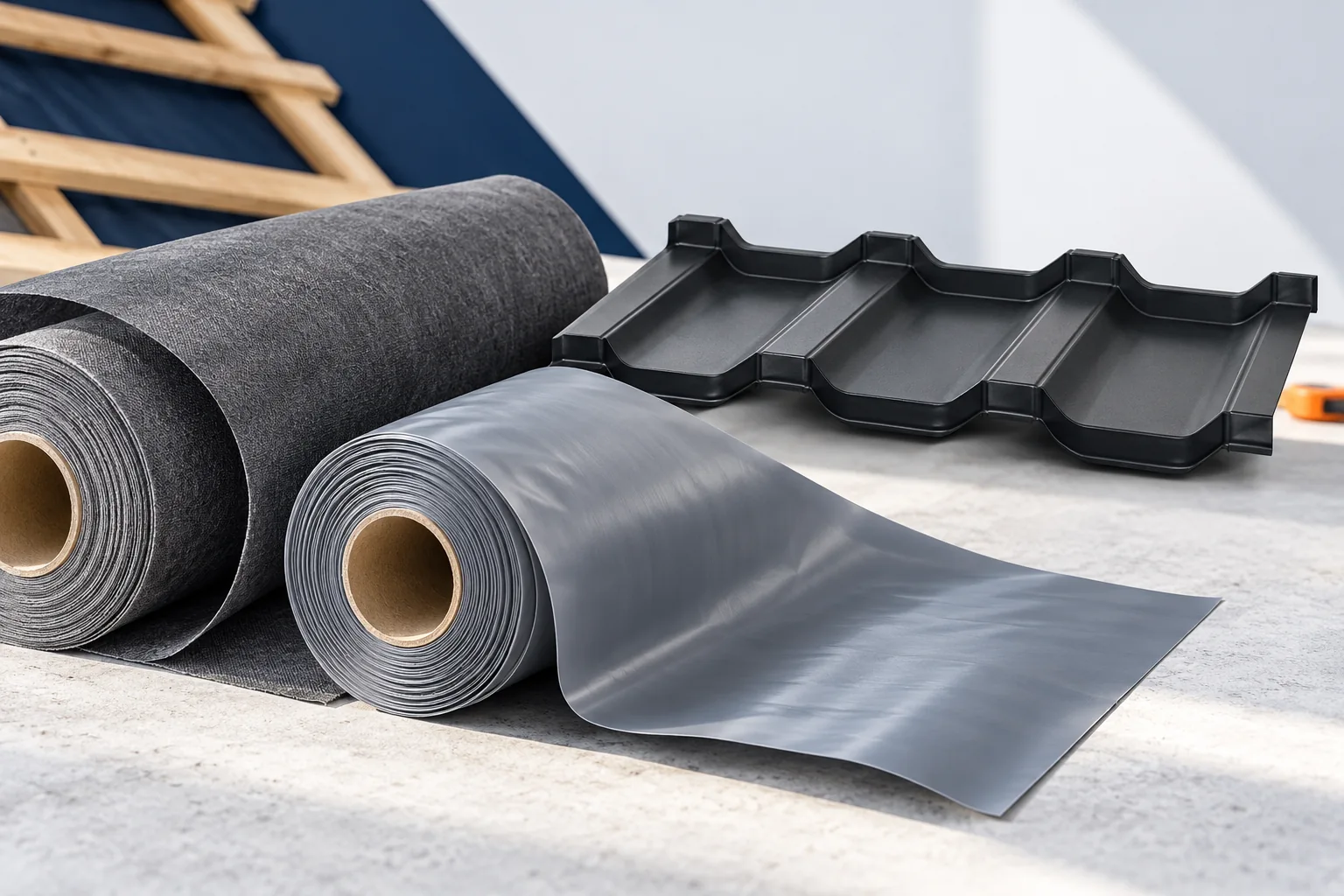
Roof underlay, vapour control layer or protective film?
Begin by deciding where each layer belongs within the roof assembly, not by the name on the roll. The term ‘roofing foil’ covers materials with different jobs: the membrane beneath the covering helps drain water and vapour, the layer on the interior side restricts moisture ingress, and the protective foil on sheet metal serves yet another purpose. Check the diffusion resistance, intended use and location required by the roof design. Swapping layers can trap moisture in the roof or leave gaps, so specify the material name, parameters and fixing detail on the order.
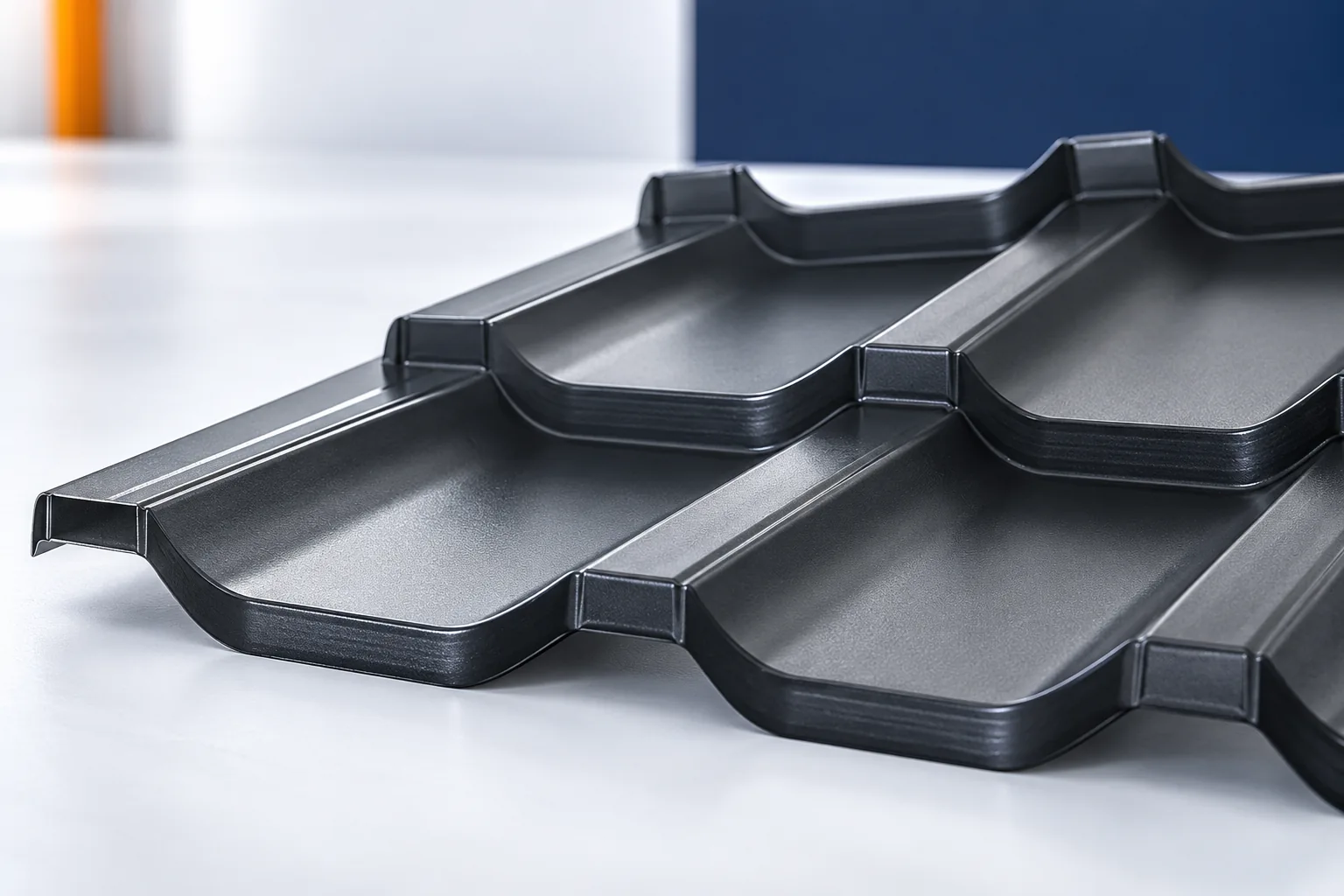
What makes coated steel sheet suitable for roofing?
The choice of roofing sheet depends on how the entire layer system matches the building's conditions, not on colour or sheet thickness alone. It is worth checking the coating documentation, the product's intended use and the maintenance requirements, especially in coastal areas or near an industrial plant. The steel core provides mechanical properties, a metallic coating protects it, and the outer layers determine colour, texture and part of the environmental resistance. Their arrangement can vary, so two similar-looking sheets may behave differently under prolonged moisture or scratching.