Costs and orders
Choosing one supplier for sandwich panels and sheet metal
In brief
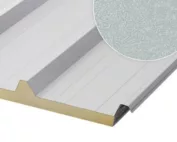
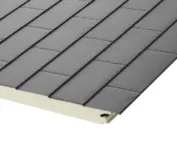
A large selection of material only helps if you can assemble your own building from it. With panels and sheets, matching dimensions, accessories and efficient delivery are important. The size of the warehouse does not answer all these questions. A supplier is worth assessing against a specific schedule, not just the number of offers. Start by dividing into walls, roof and flashings. For each group, enter the dimensions and required properties. For panels, the core, thickness and module are needed. For sheets, also the profile, steel thickness and cover width. Colour without the type of coating does not complete the material description.
Prepare one clear schedule of requirements
Include a sketch with openings and support. It does not have to be an elaborate presentation, but dimensions should have an unambiguous reference point. The information ‘hall of about one hundred metres’ is not precise enough. Two buildings with the same floor area can have a different number of walls and flashings.
Check whether you are comparing matching systems
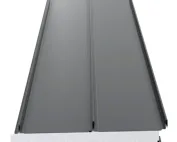
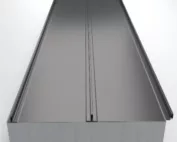
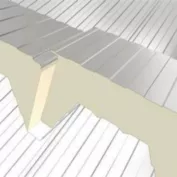
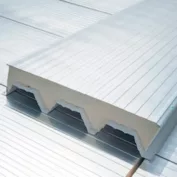
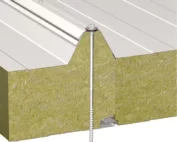
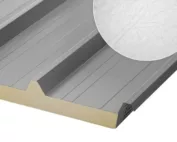
Panels of the same thickness do not necessarily connect to each other. They may differ in the interlock, fixing position and profiling of the cladding. Also, the trapezoidal designation does not guarantee an identical cross-section. When supplementing existing cladding, measurement and identification are required.
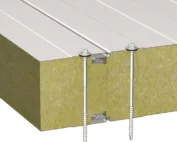
Ask about the compatibility of corners, flashings and fasteners. If you buy components from several places, establish responsibility for their selection. A joint schedule indicating each item is convenient. The mere possibility of issuing a single invoice does not confirm the technical compatibility of the set.
Separate stock on site from planned production
Stock availability requires current confirmation. Establish the quantity, lengths, colour and reservation date. General information about the sale of a given panel type does not mean that the required batch is ready for loading. Differences between a full pack and individual pieces are particularly important.
For a production order, check the lead time, length restrictions and rules for dimension adjustments. Making a change after the cutting plan has been approved can be difficult. It is therefore worth completing the structural measurements first. Do not assume arbitrary substitution of cut components delivered to a specific dimension.
Assess the possibility of inspection before acceptance
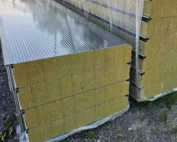
Good batch information covers labels, parameters and its actual condition. For material with deviations, a description of each significant defect is needed. A photograph of the top panel does not show the ends and lower pieces. Establish how the entire delivery can be verified.
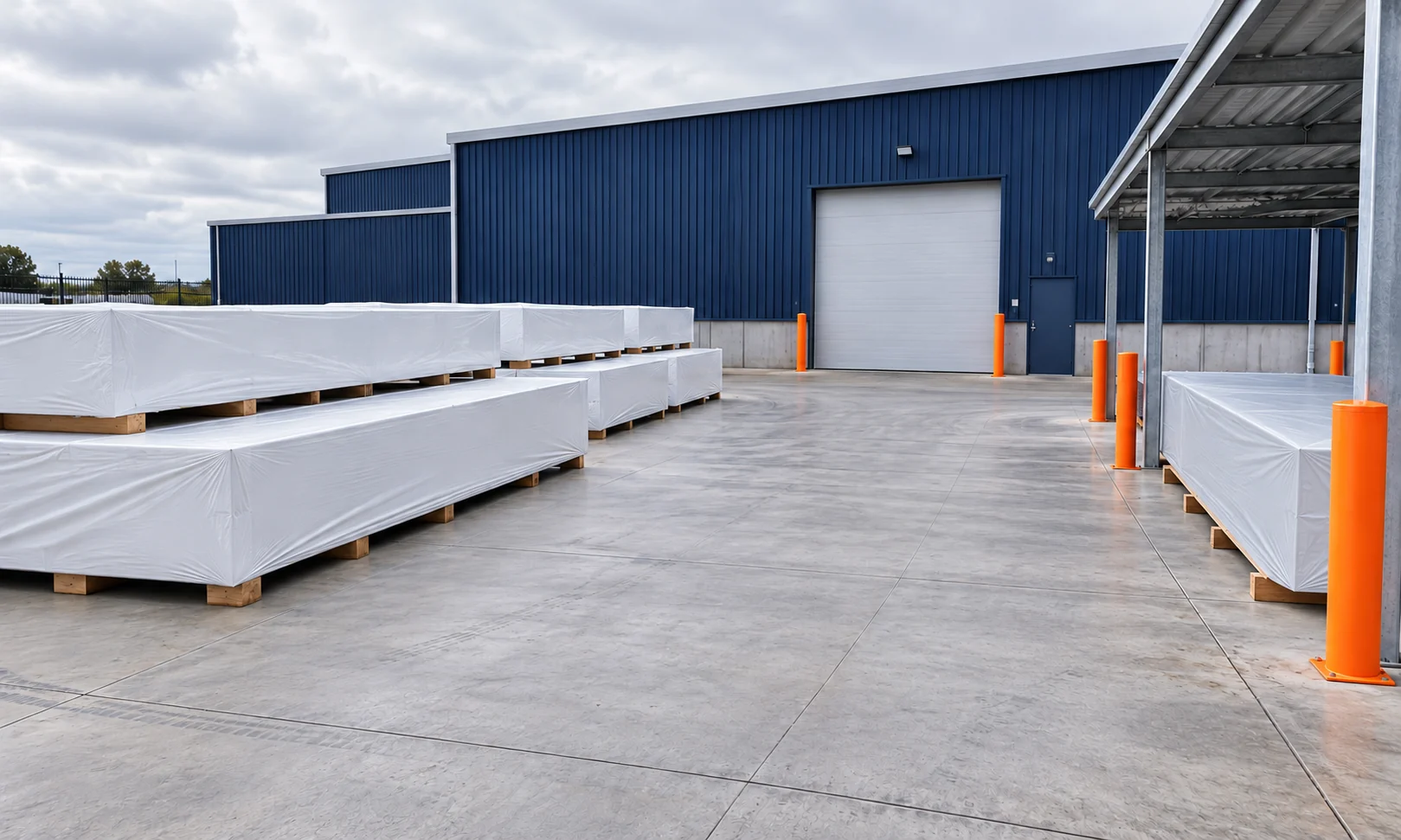
Also check the storage conditions. Water trapped in the pack or damaged packaging may require closer inspection. Not all problems can be assessed from a distant photograph. A recorded condition at handover makes it easier to clarify any discrepancies later.

Calculate the route including unloading
Add to the transport price the method of unloading the packs and the vehicle stopping place. On a plot in Łobez, for example, there may be a wide street but a narrow entrance between buildings. This is a planning assumption, not a description of a specific project. A long pack may require unloading in a different location.
Check the length of the transport set, the surface and the space for equipment. Establish who organises the lifting and bears the cost of waiting. Delivery to an address does not always include placing the material against the wall. This difference should be visible in the comparison of offers before purchase.
Compare the total that leads to a complete set
In a hypothetical comparison, materials from one point cost €4397.55 net, and carriage €208.30. The second variant splits the purchase: €4235.53 for the goods plus two transports at €196.73 each. The totals are €4605.85 and €4628.99 net. This is an arithmetic example, unrelated to the current offer.
Also check for missing accessories and the amount of waste. One additional trip for short flashings can change the result. This does not mean that everything should always be bought in one place. Full costs and the ability to complete the right material on time should be compared.
Ensure written confirmation of agreements
Before approval, check the list of pieces, the scope of the price and the deadline. Distinguish between net and gross amounts. Establish the rules for reporting damage and shortages. If the seller proposes a replacement, its properties should be checked before dispatch, not only on the construction site.
For receipt, prepare a person who knows the list. They should compare dimensions, markings and the number of packs. Photos and a record of remarks are worth making at delivery. An efficient purchase ends with material in accordance with the order that can be used in the intended places without unnecessary interruptions.
Questions before ordering
Does a large warehouse guarantee the availability of all required lengths?
No. Availability must be confirmed for the specific variant, quantity and date. The number of visible packs does not replace a reservation.
When can buying from two points make sense?
When the material compatibility is confirmed and the full cost with two deliveries and missing accessories remains favourable.
7 branches. Materials closer to your project.