Timber roof structures: components and construction principles

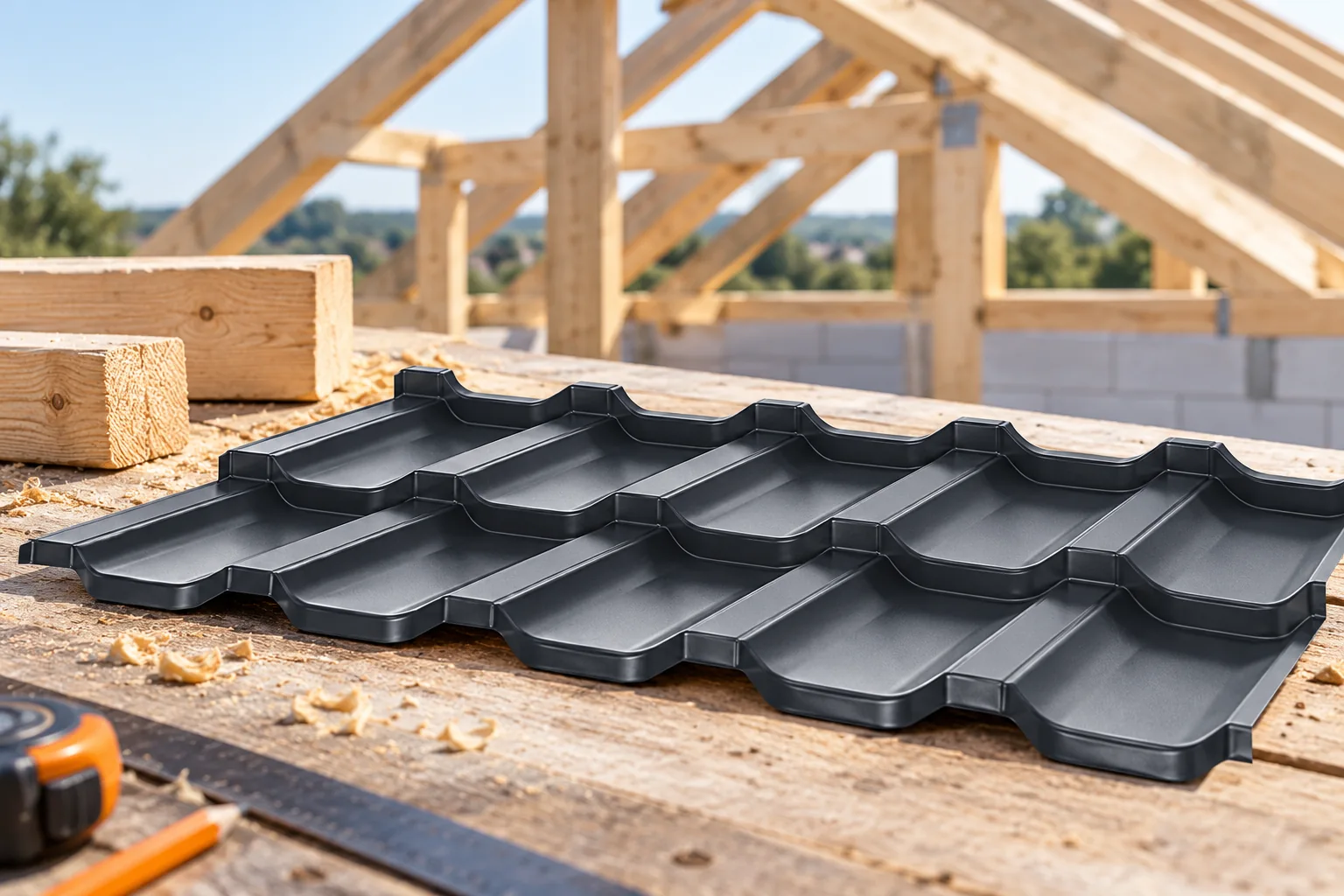
The roof structure transfers the weight of the covering, snow and wind action onto the walls and supports of the building. It is formed by interacting elements, not by the rafters alone. The choice of roof truss depends on the span, the room layout and the design. Before installing the metal sheeting, the geometry of the structure, the connections and the substrate under the covering must also be checked. Each element must correspond to its function within this system. The covering transfers loads onto the battens or purlins, and these onto the subsequent load-bearing elements. In a timber roof truss, part of this work is carried out by the rafters. The forces then pass to the wall plates, purlins, posts and walls, depending on the system. The continuity of this load path is important.
2026-11-14T15:39:39+01:00

Identifying cold-formed Z, C, sigma and omega sections before ordering

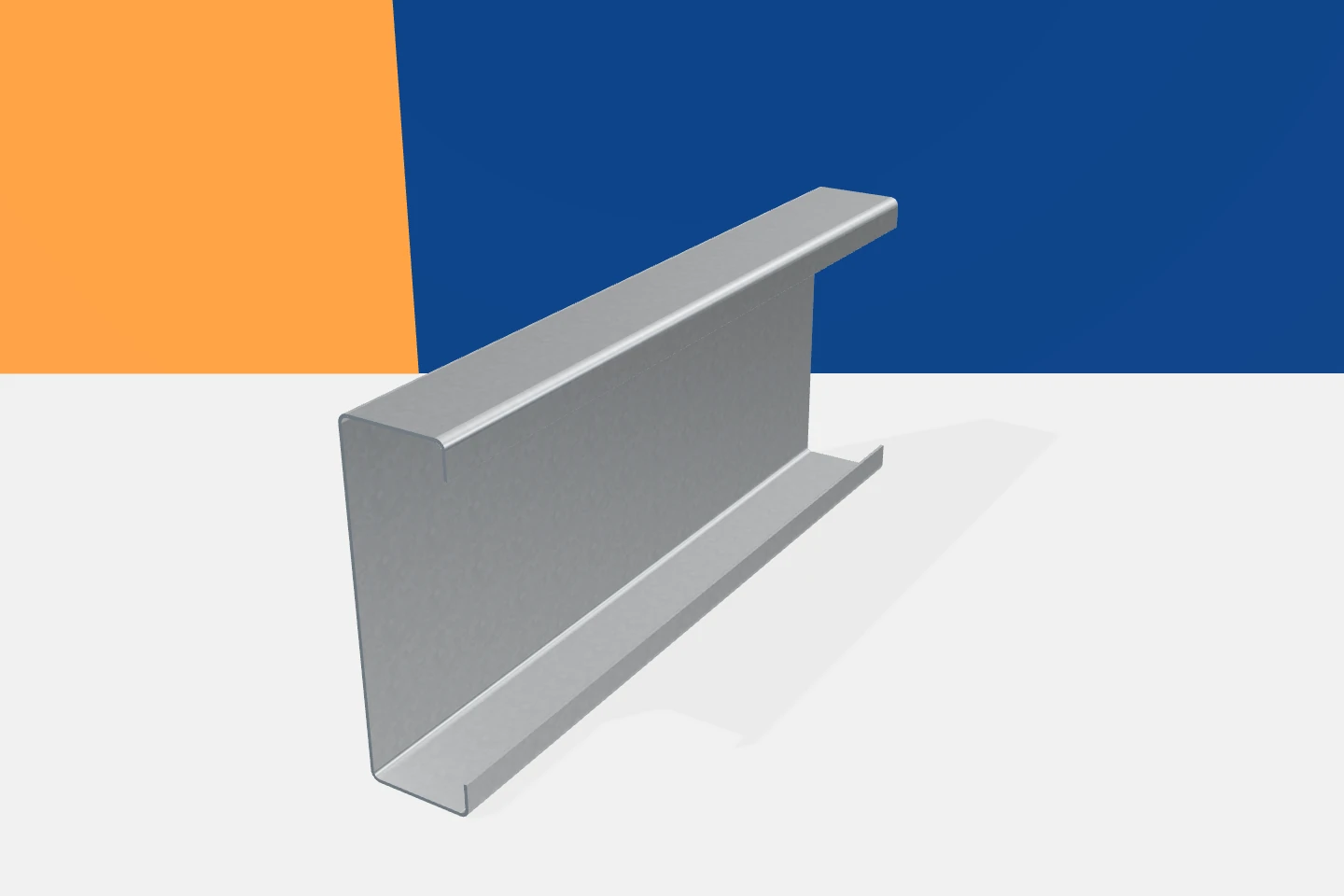
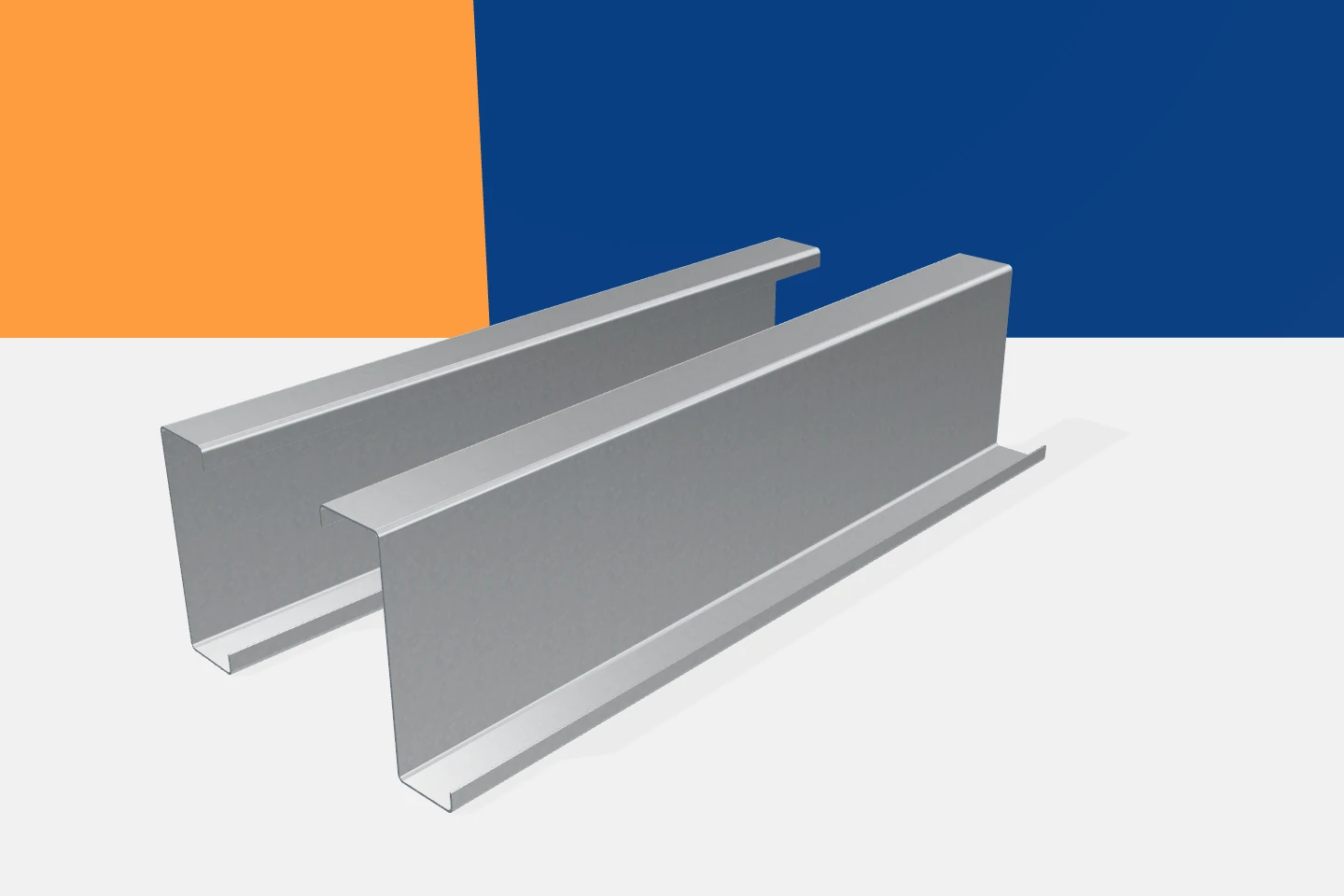
The names of steel profiles primarily describe the shape of their cross-section. They do not yet indicate how much load a given element will carry or where it can be installed. The same zed profile comes in many heights and thicknesses. The same applies to channels, sigma profiles and omegas. Recognising the family is the first step. The next involves reading the dimensions, material and conditions of use. From the side, many sections look like a strip of sheet metal with a few bends. Only the view from the front reveals their construction. In a zed profile the flanges are on opposite sides of the web. In a channel they run in the same direction. The edges may have additional stiffening lips. Their presence should be checked on the drawing for the specific product.

2026-11-15T02:36:28+01:00

Checking cold-formed steel sections before accepting delivery

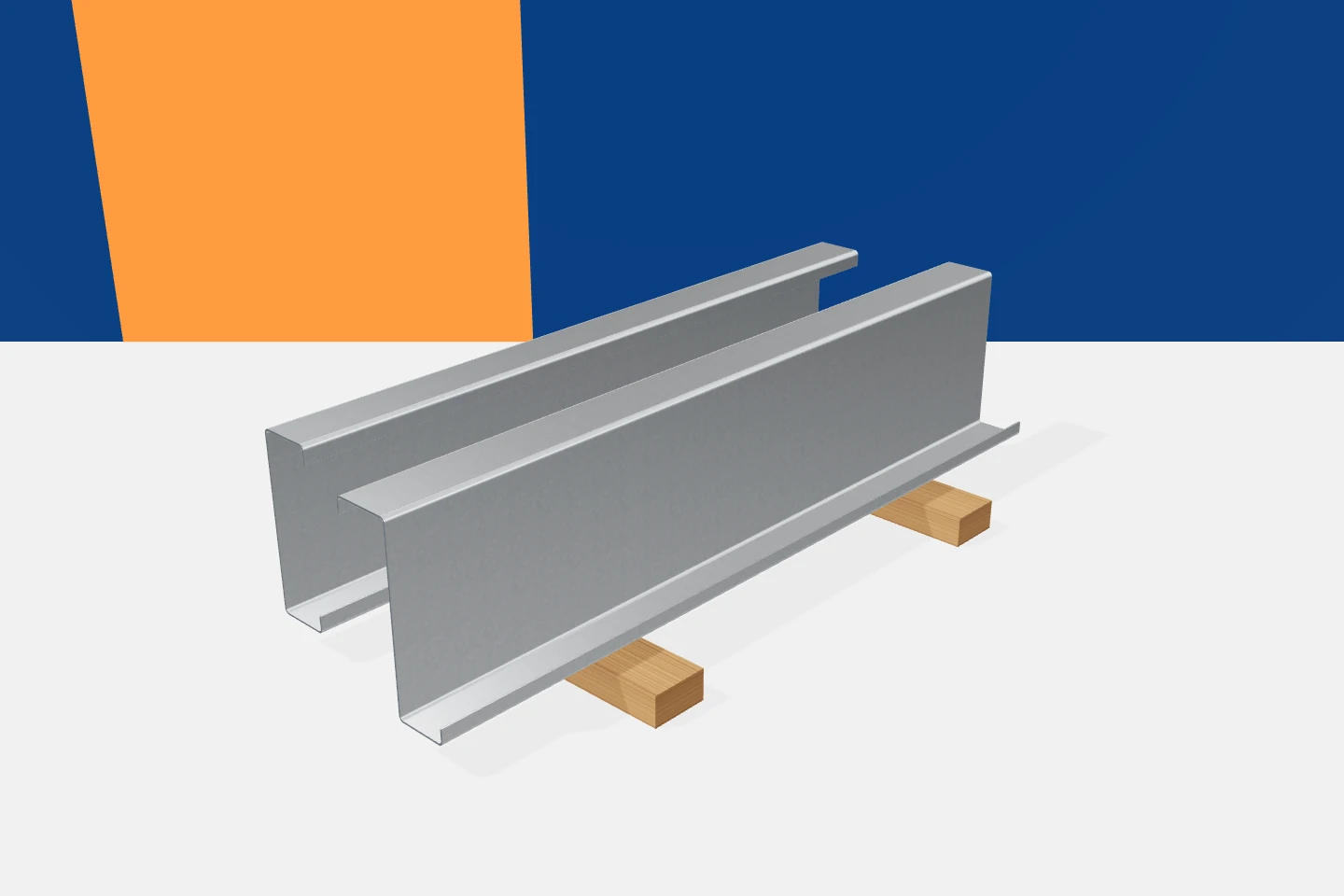
Receiving the material should not be limited to counting packages. It is important to establish whether the correct profiles have arrived and whether they have retained the required condition. Some discrepancies are easy to spot immediately. Others only become apparent when attempting installation. A checklist prepared in advance helps to separate these issues and gather the information needed to clarify a problem. The basis should be the final version of the schedule and drawings. An earlier quote may not cover subsequent changes. Item numbers, quantities and lengths should be checked. Variant markings are also important. Left and right parts can look very similar.

2026-11-15T17:18:19+01:00

Z275 and other coatings for galvanised profiles. What should a buyer check?

A coating is often described in a quote with a single abbreviation. Behind that abbreviation, however, lie specific material properties and the principles for assessing them. When buying galvanised profiles, it is worth distinguishing the type of protection from the steel grade and thickness. These are separate parameters. A Z-profile, C-profile, sigma or omega may have the correct shape and yet not meet the requirements of the environment in which it is to work. The Z designation indicates a zinc coating. The number 275 refers to a specific required coating mass per surface area of the sheet, calculated for both sides together. It should not be interpreted as 275 micrometres, nor should this mass be attributed to each side separately. This is a common error when comparing quote descriptions.

2026-11-15T17:15:49+01:00
Back to top