

Technology and applications
Izoprofil.pl explores how building materials work together. Sandwich panels, PIR insulation and trapezoidal sheets depend on their supports, joints, fixings and drainage. The guides explain how product properties affect use on roofs, walls and insulation assemblies. They help you read the documentation, identify limits and prepare questions for your designer or contractor. You can also look up detailing, common faults and preparing materials for installation. Use the technical issue on your project to choose an article, then check the instructions for your specific product. Similar-looking components may have different requirements.
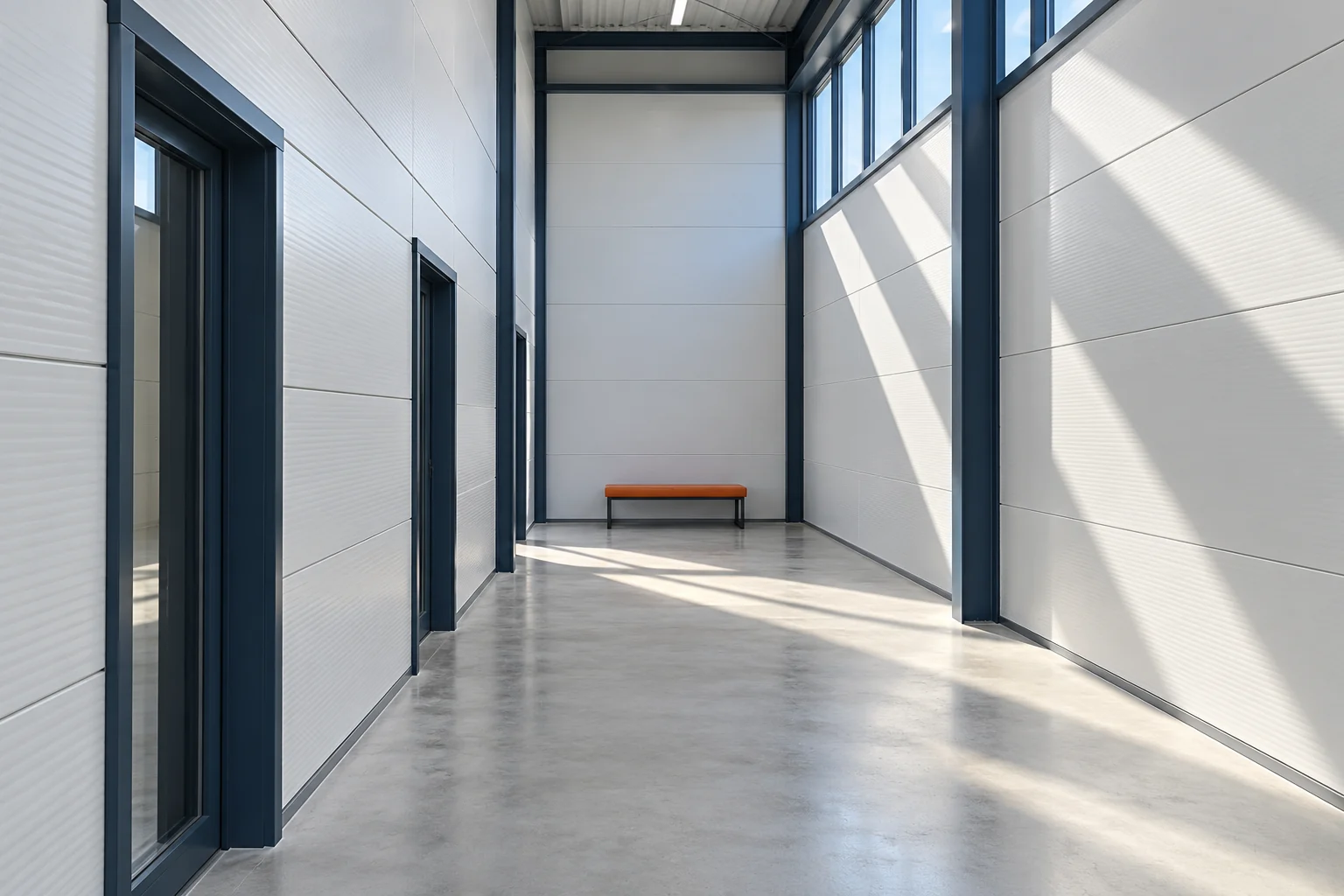
Where is it worth using walls made of mineral wool panels?
Wall panels with mineral wool are considered where fire protection and efficient installation of the enclosure are important. They can form the walls of halls, workshops or pavilions. However, suitability depends on the specific configuration. The building requirements, spans, connections and openings must be checked, not just the type of core. A mineral core behaves differently in fire than cores made of organic foams. This is an important starting point, but not a complete assessment of the wall. Reaction to fire describes the product's contribution to fire development. Fire resistance concerns the behaviour of the entire element over a specified period.
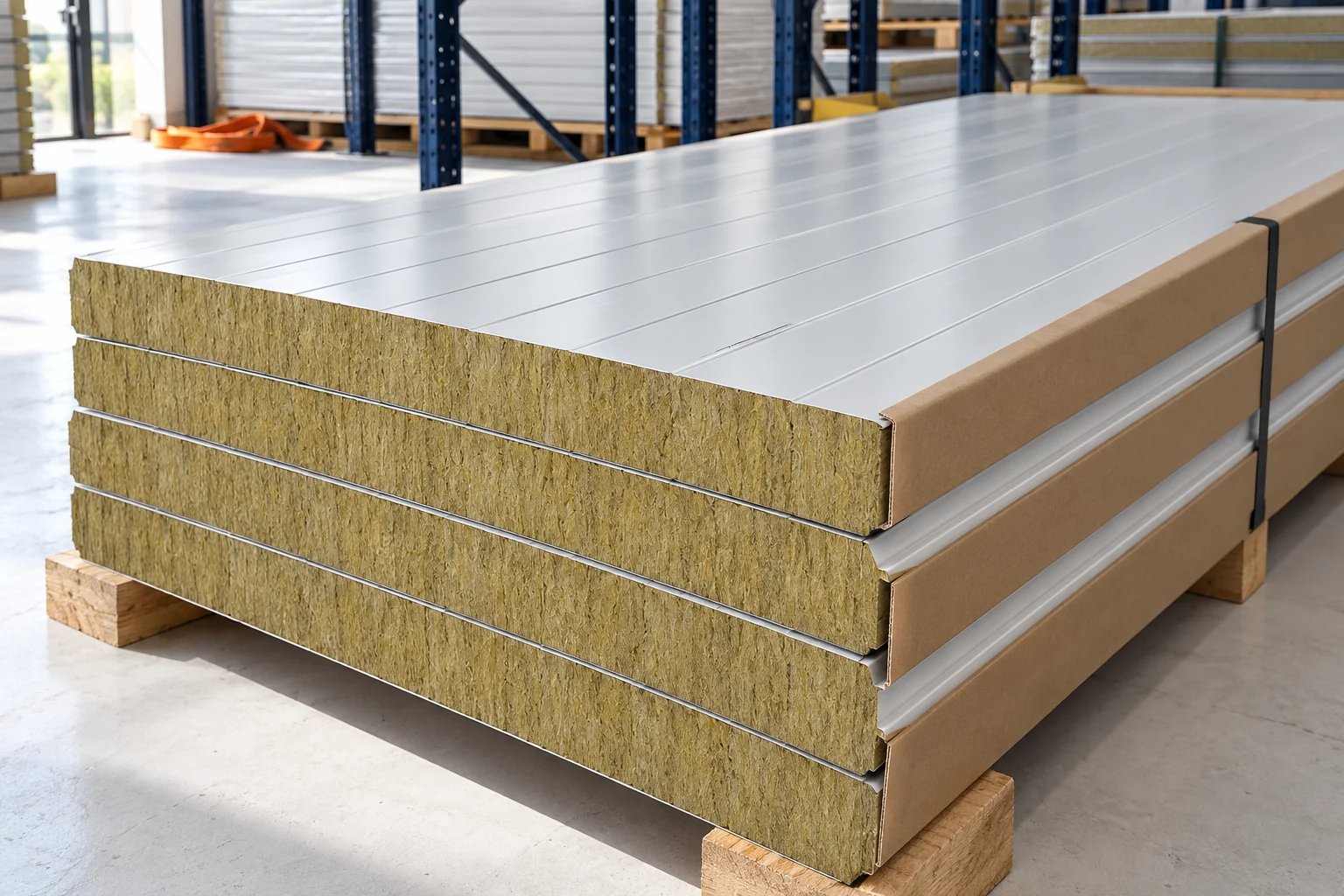
How to buy insulated wall panels with a mineral wool core from an outlet without losing out on offcuts
A cheaper mineral wool panel can be a good buy if its condition and dimensions suit the project. Savings are not determined by the price per metre alone. Offcuts, batch completeness and the type of defect matter. Before reserving, it is worth drawing the wall layout and checking every element that is to go into the cladding. The reason for the downgraded commercial grade may be a visual defect, an unusual length or another feature indicated by the seller. There is no single common scope of permissible defects for the whole market. The term “outlet” also does not automatically describe the technical condition.
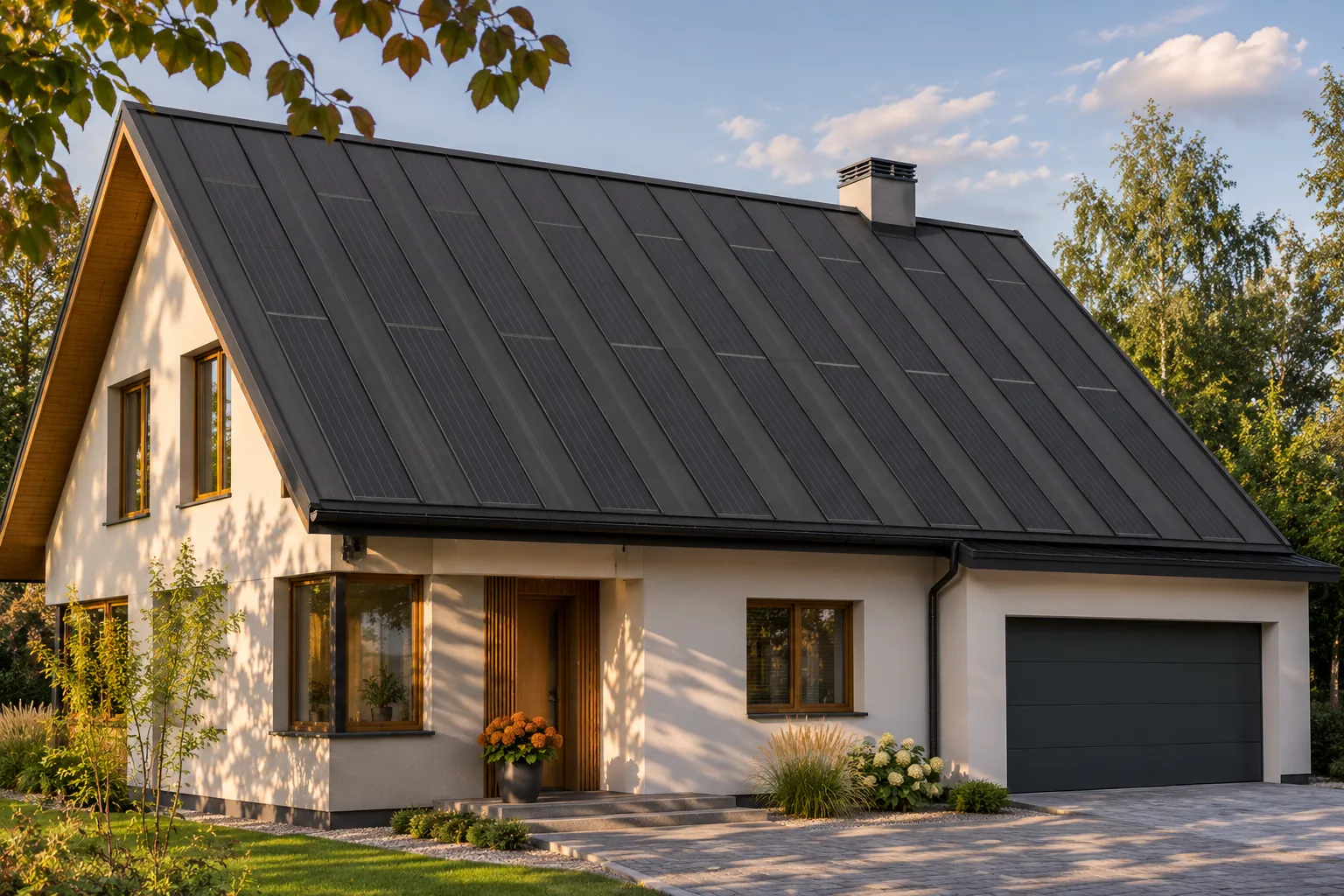
How do you carry out a survey of an old roof before ordering BIPV?
An accurate survey allows you to order a photovoltaic roof tailored to the actual house. Old project drawings do not always show today's geometry, the position of chimneys and later alterations. In a BIPV system, the formats of the active elements affect the entire division of the roof slope. A good measurement helps you use the space, limit random infill and maintain a calm rhythm of the covering. It should cover more than just the roof area. Two slopes with the same area may require a completely different panel layout. Their length, width, shape and the arrangement of obstacles all count. A narrow strip at the edge does not have to accommodate an active element, although it increases the total square metreage. That is why a price based solely on area does not yet show the real configuration.
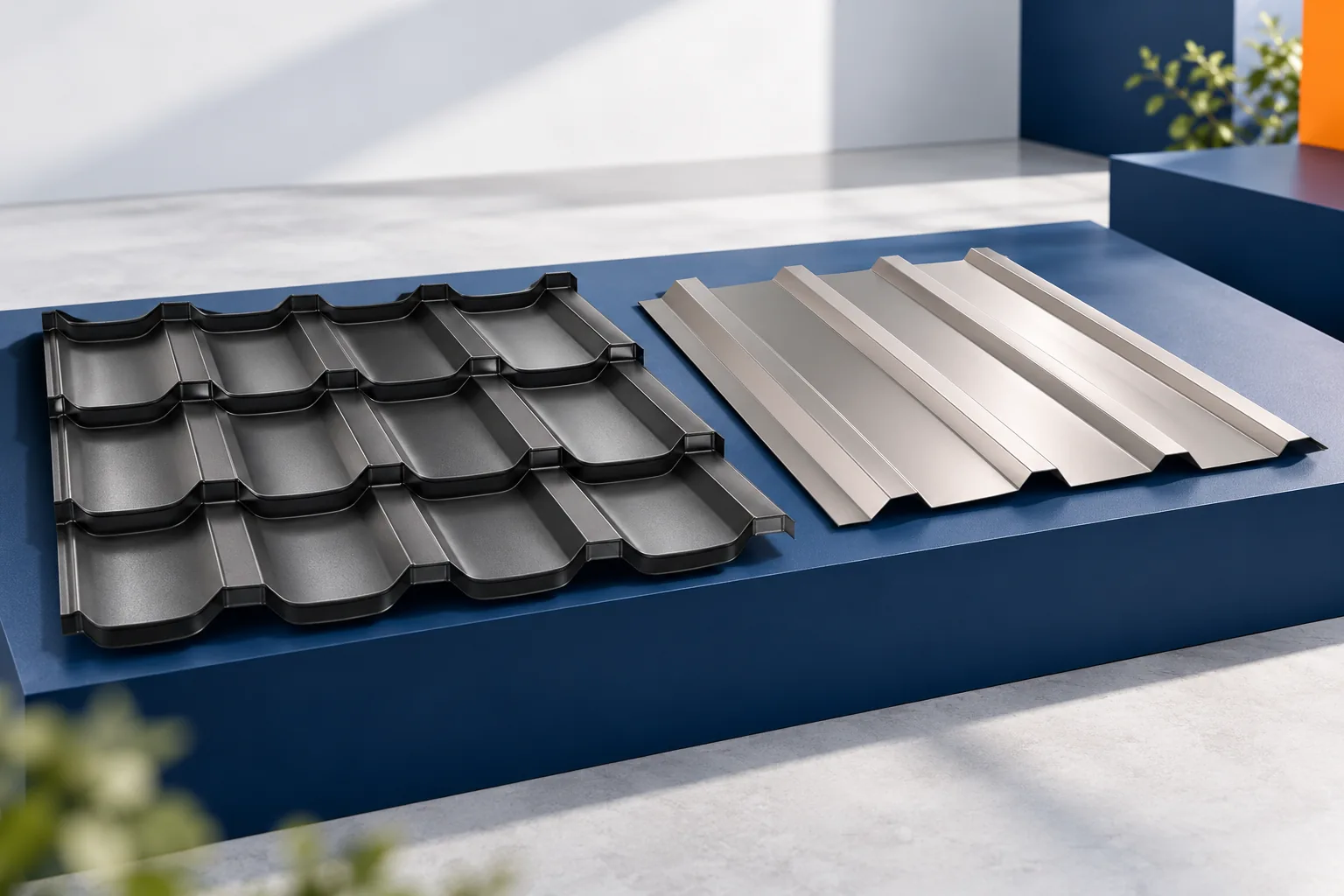
Tile-effect or trapezoidal steel sheets: which suits your roof?
The choice between a tile-profile metal sheet and trapezoidal sheeting depends mainly on the roof geometry and the required pitch, not on the material name alone. Check the minimum pitch permitted by the documentation for the specific product and whether the support layout matches its load table. Compare actual samples and the cutting plan for the sheets, because a small fragment will not show the shadows across the roof. Also compare the full cost of works, including transport and accessories. Leave the profile selection to the designer, who will relate the data to local conditions.
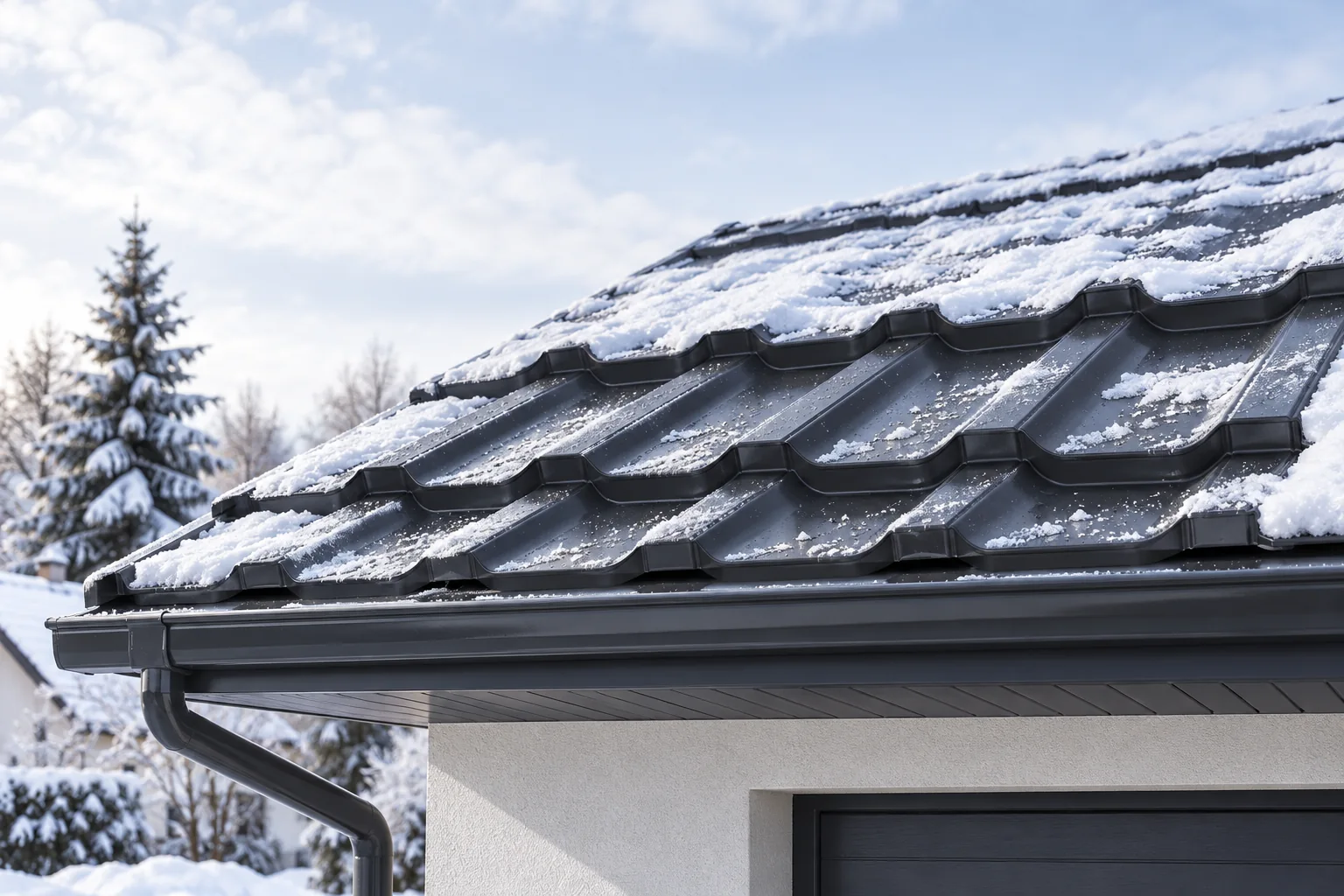
Planning safe snow removal from a roof
Snow depth alone cannot tell you whether a roof is overloaded. What matters is the load the structure was designed to carry, the weight of the snow and where it has collected. Wet snow can be much heavier than an equally deep fall of dry powder. Parapets, adjoining higher walls and changes in roof level deserve particular attention because wind can build up drifts there. If the structure changes shape, develops cracks or makes unusual sounds, restrict access to the affected area and seek a prompt professional assessment.
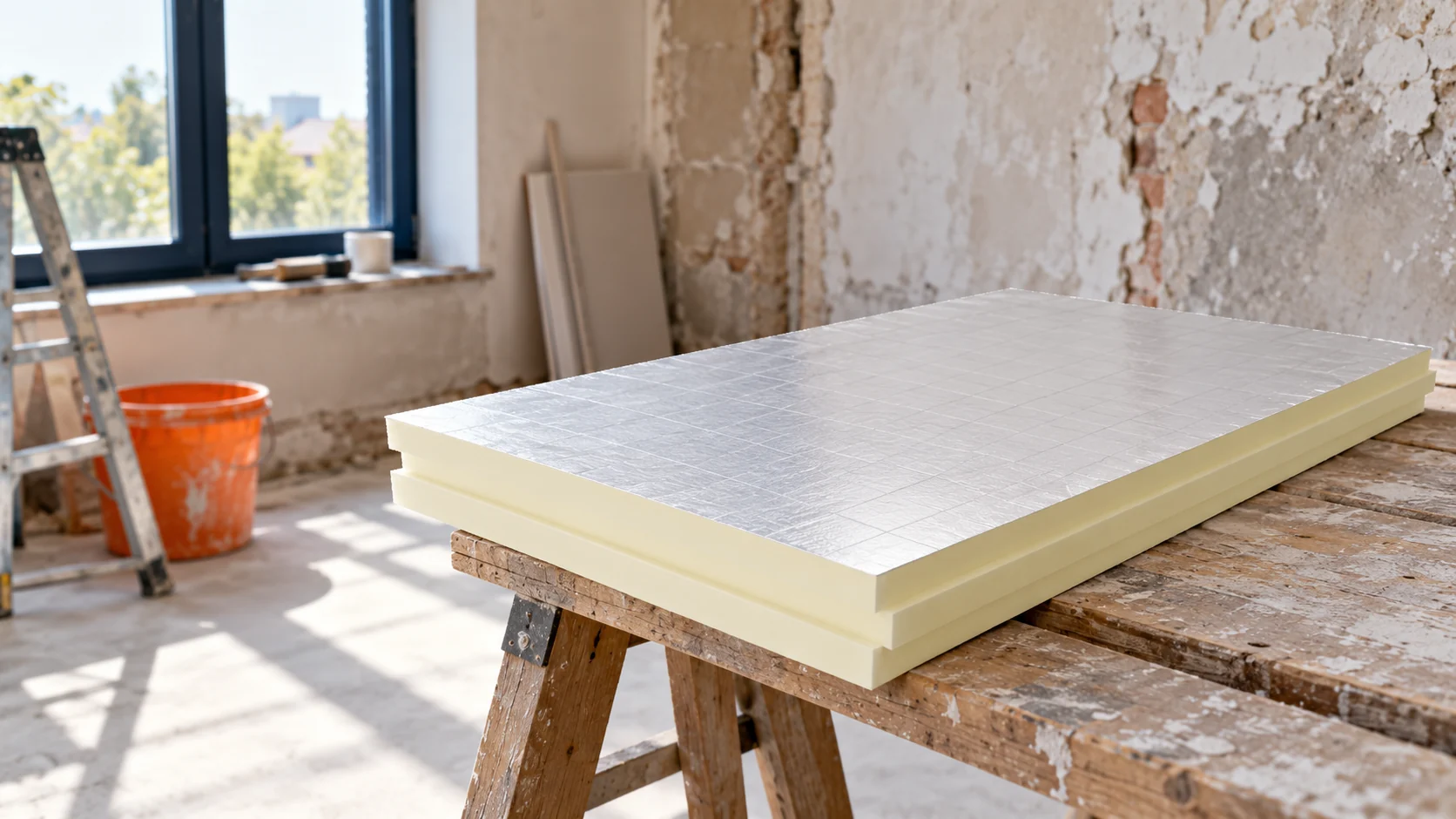
When does a panel roof need additional insulation and how can you check?
A well-selected panel roof can provide the required thermal insulation without an additional layer. Additional insulation is sometimes considered after a change in building use or with an older, too-thin panel. However, material should not be added without analysis. Thermal and moisture conditions and loads change. The existing roof must first be assessed. Determine the panel type, thickness, facings and joints. Look for markings and documentation from the original order. The height of the visible rib alone does not determine the insulation thickness. Measurements must be related to the specific product cross-section.