

Technology and applications
Izoprofil.pl explores how building materials work together. Sandwich panels, PIR insulation and trapezoidal sheets depend on their supports, joints, fixings and drainage. The guides explain how product properties affect use on roofs, walls and insulation assemblies. They help you read the documentation, identify limits and prepare questions for your designer or contractor. You can also look up detailing, common faults and preparing materials for installation. Use the technical issue on your project to choose an article, then check the instructions for your specific product. Similar-looking components may have different requirements.
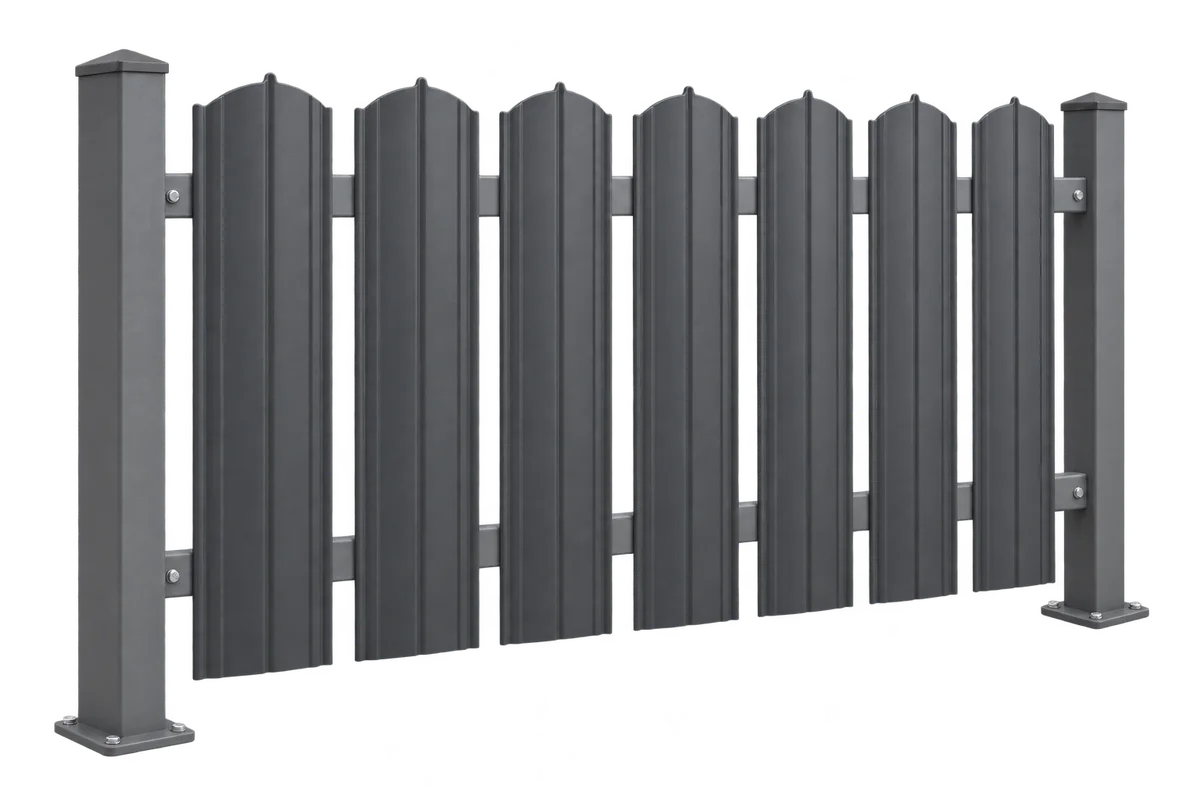
Metal fence pickets: from bay measurements to the order schedule
It is worth preparing an order for metal fence pickets on the basis of measuring each bay and a sketch showing the arrangement of components. The dimensions between posts, ground slope, gaps, installation direction and end finish affect the required lengths and quantity of material. This Izoprofil.pl guide leads from taking an inventory of the fence to a clear schedule for the supplier. We distinguish between the profiled sheet picket, the load-bearing structure of the bay and the fixing components. We also discuss assigning colour and coating to the visible sides, checking the sample and documenting changes. The selection of supports and connections requires data for the specific system and site conditions; a correct count of pieces does not yet confirm the load-bearing capacity of the fence. An approved drawing, however, helps avoid accidental cutting of material after delivery.
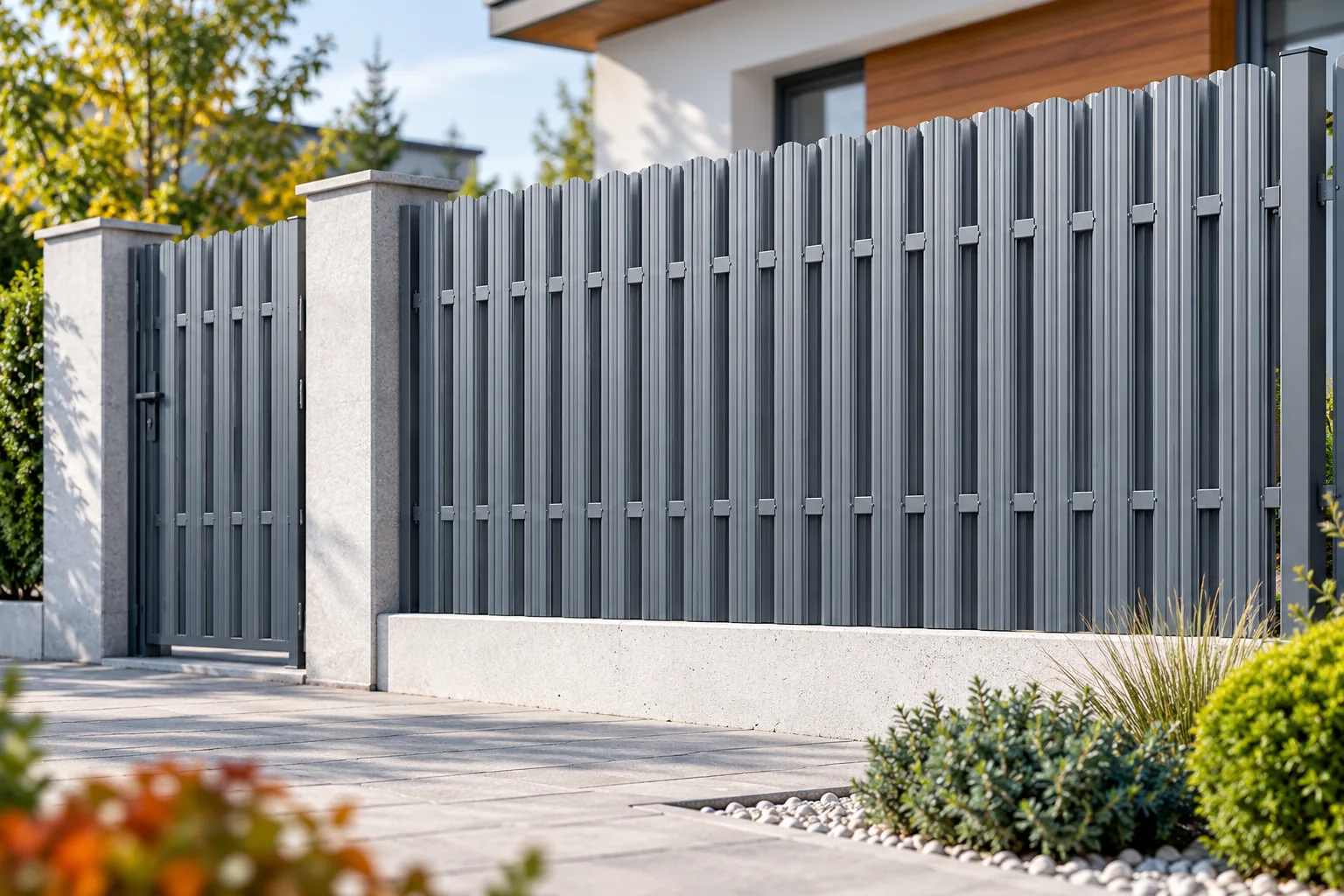
What distinguishes metal picket fencing from other fences?
The choice of a metal picket fence depends not on the profile of an individual element but on the entire bay layout. Check whether the posts and foundations suit the planned spacing and whether the fixings can transfer the loads. Before buying, draw the bays, gate and entrance as a single whole, allowing for symmetry at the ends. The quality of the picket alone does not determine stability – durability depends on the rails, posts and their setting in the ground.
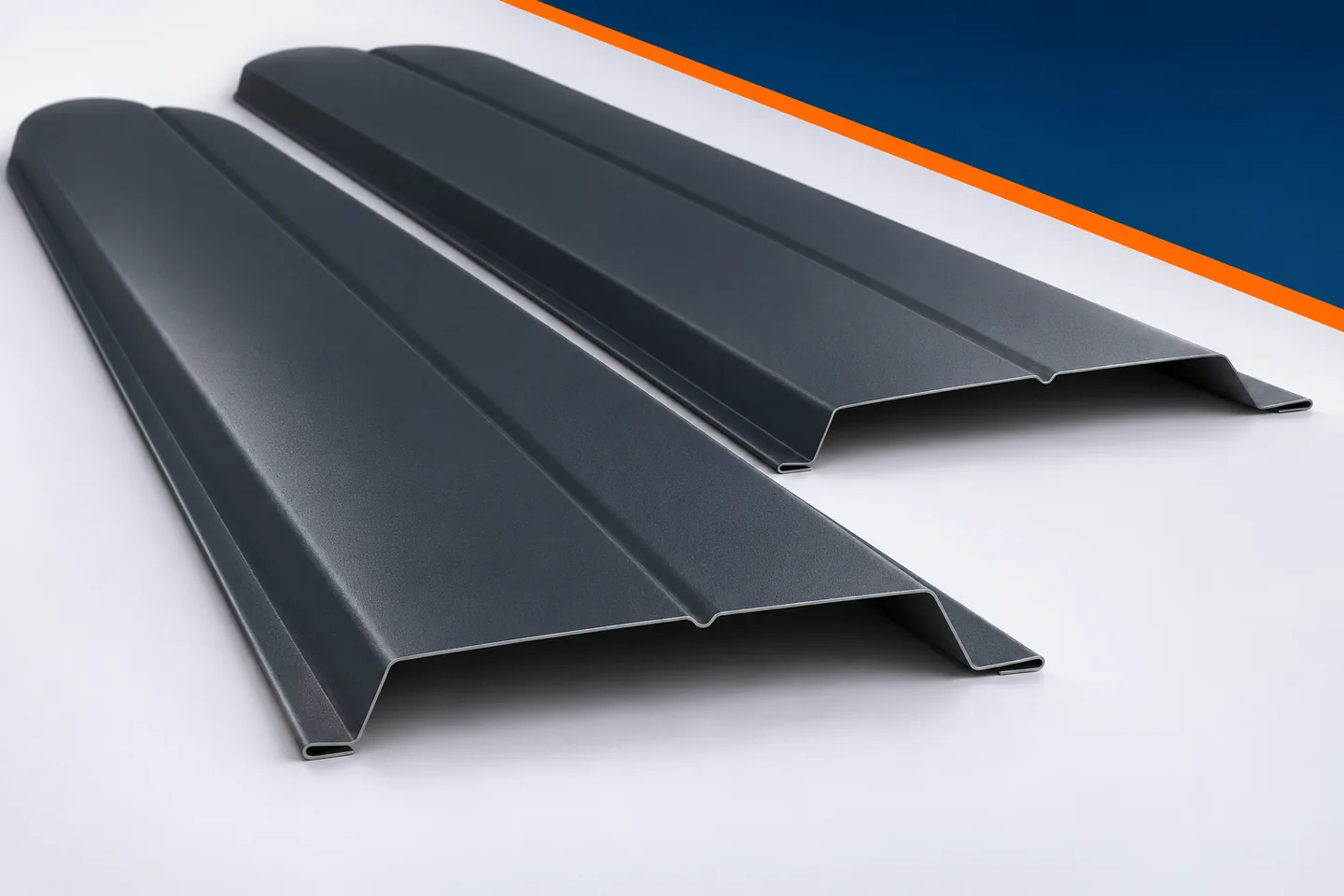
Metal picket edges. What does their finish say about quality?
When buying a fence, attention usually focuses on the colour and width of the pickets. The edges are examined less often, although they say a lot about how the element is made. It is worth distinguishing between the longitudinal edges and the ends created during cutting. They may be shaped differently and be differently visible after installation. Metal pickets should be assessed on the actual profile. A mention of folded edges alone does not confirm the quality of the entire picket or the absence of sharp points at every location. In many pickets, the side edges are folded inwards into the profile. Such a detail contributes to its geometry and limits the exposure of the longitudinal edge. It may also affect the behaviour of the element. The exact shape must be checked on the drawing. Not every sheet metal picket has identical folding, and a similar view from the front may hide differences on the rear side.
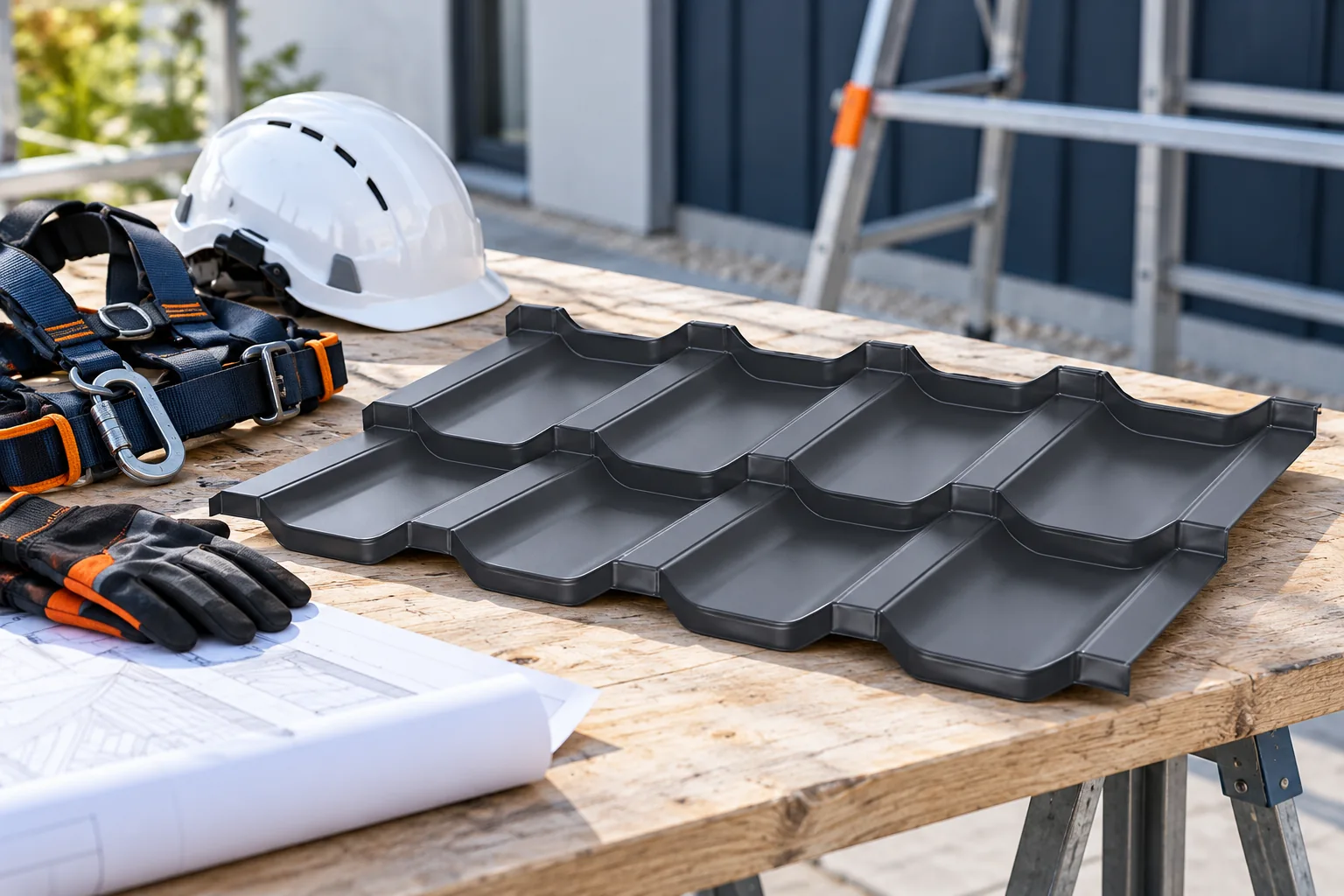
Planning safe access to the roof and routes across it
Safe roof access requires a planned route, not improvisation. The key decision is to identify which roof points need regular servicing — chimney, ventilation equipment, drains or installations — and whether access should be permanent or occasional. It is worth checking whether steps and walkways are matched to the covering profile and the correct substrate, and whether their brackets transfer load to the structure. A ladder alone is not enough, and wet sheet metal, unsupported panels and skylights create hazards even on a low building.
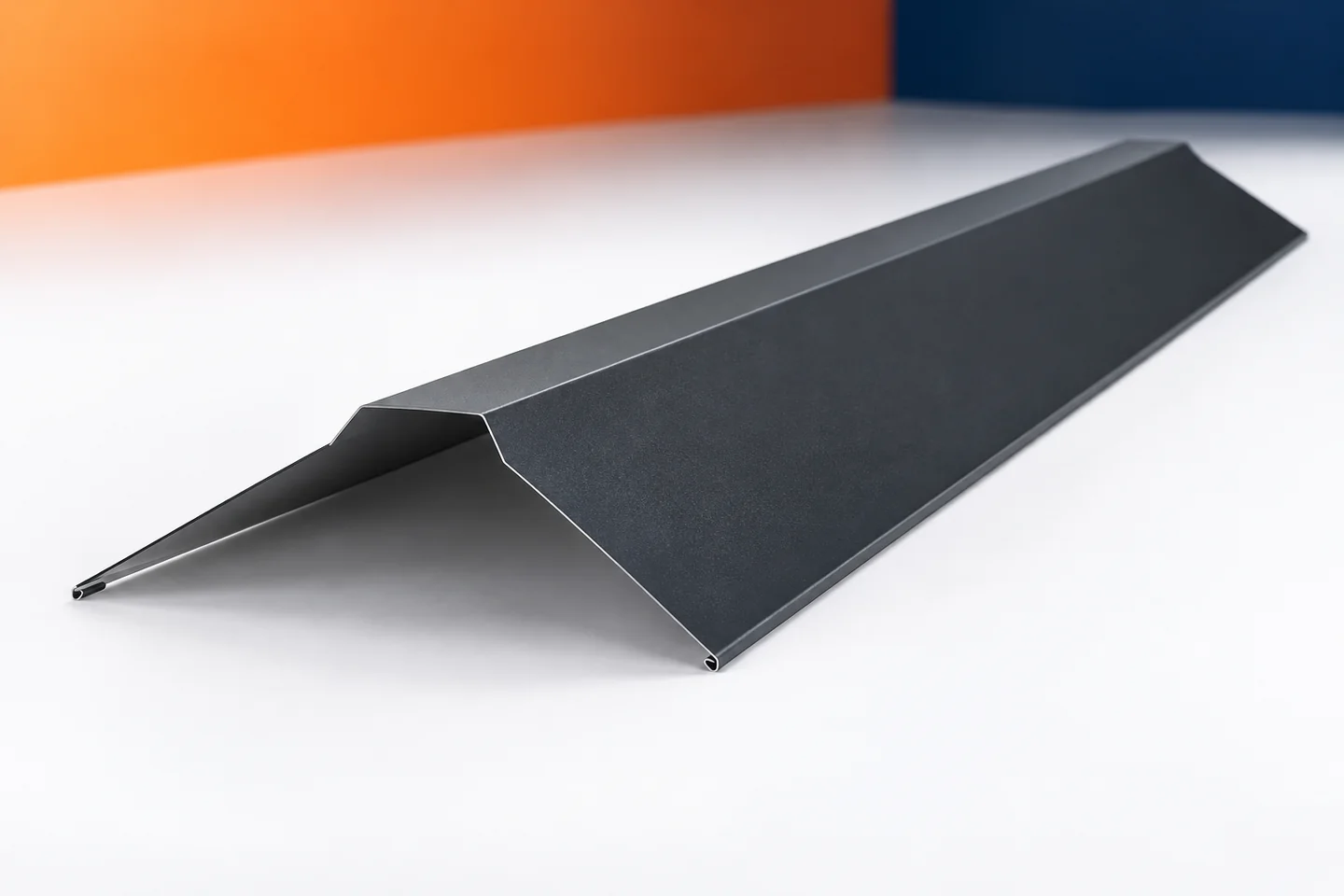
How many ridge caps should you order for a metal roof?
The number of ridge caps is best established on a plan of all ridges and then verified by measurement. Dividing a single length by the product's nominal dimension gives only an approximate result. The order must account for joints, end pieces and differences between roof sections. It is also worth separating the quantity of sheet metal from the scope of installation. A well-described set reduces interruptions caused by the lack of one short element. On a simple roof, one section may be sufficient. With a complex roof shape, there are more ridges and not all have the same profile. The most convenient approach is to mark them on a sketch with consecutive symbols. For each, note the length, adjacent slopes and how both ends are finished.
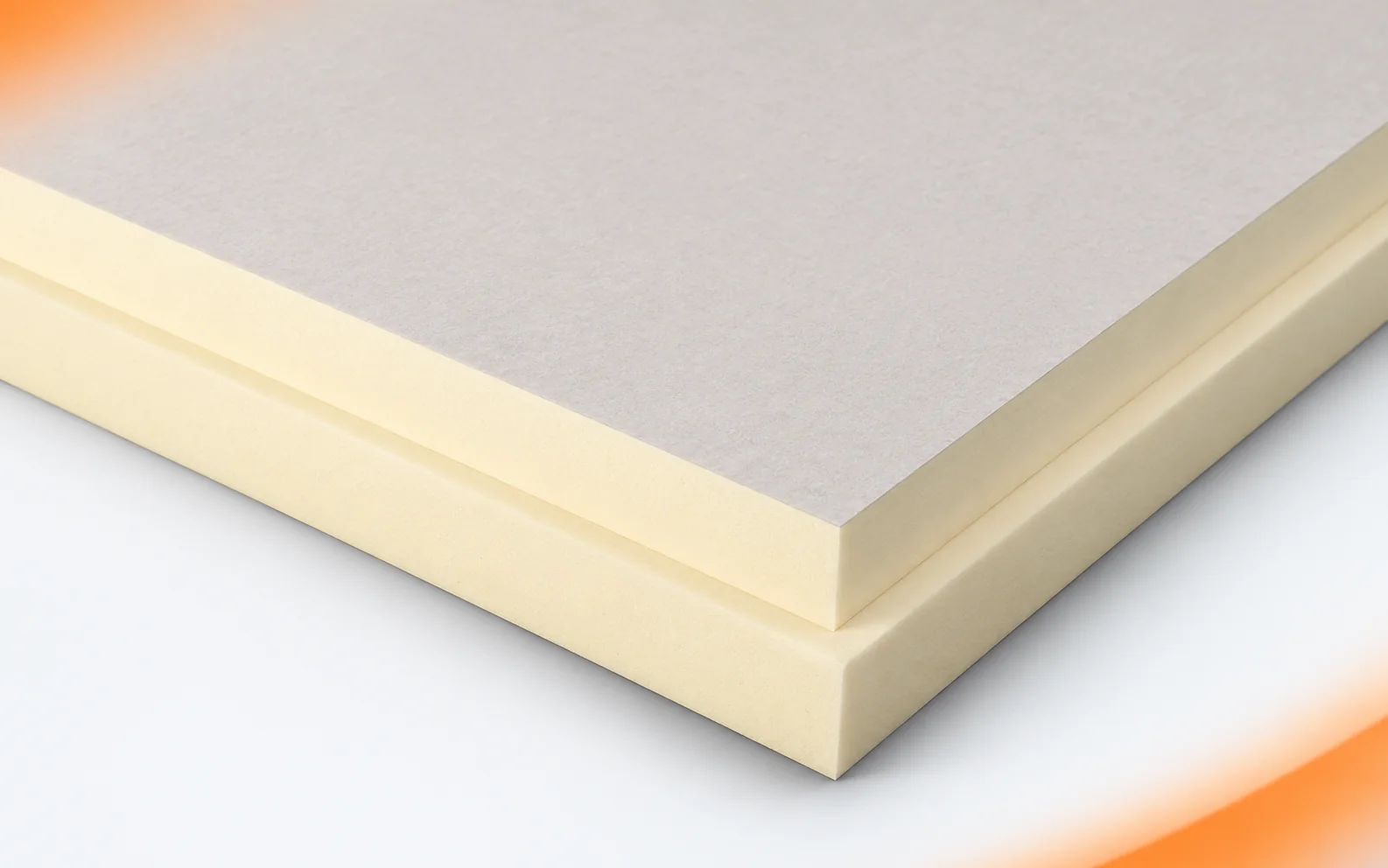
BauderPIR M/MF when replacing roof layers
During the roof renovation, boards with a matt mineral fleece were partially exposed. Before supplementing the M/MF, it is worth identifying the old variant and the condition of its surface. A similar thickness of the new material does not confirm an identical thermal resistance or compatibility with the covering. The boundary of the repair should have a clearly described junction between the two parts. In a renovation, the area described as a roof with a PIR board with a mineral facing requires the old layers to be identified. The first difficult place to inspect is the area of fleece beneath the waterproofing layer. It is not worth determining the thickness of BauderPIR M/MF solely on the basis of an old drawing. The measurement should cover the thickness of the insulation being ordered and the condition of the substrate beneath the covering, taking into account changes made during earlier work.