Corrugated roof eaves. Sheet overhang and water drainage

The eaves collect water from the entire roof slope and pass it to the gutter. At the same time, they often form the start of the ventilation path beneath the covering. Fibre-cement sheets must end here in the correct position relative to the support, fixing and drainage. Asbestos-free fibre cement cannot simply project as far as happens to suit the old gutter. An excessively large unsupported section is vulnerable to damage. A well-designed eaves combines edge protection with drainage and ventilation. In the drawing, the fixing distance from the edge and the length of the unsupported section may appear separately. These are not automatically the same dimensions. The width of the batten or purlin also affects them.
By |2026-11-15T17:20:41+01:002026-09-19|Technology and applications|Comments Off on Corrugated roof eaves. Sheet overhang and water drainage

Fixing through the crest of the corrugation. The rule you need to check in the installation instructions

The position of the fastener affects the weathertightness and the way the covering performs. It is not chosen where it is easiest to reach with a tool. Fibre cement sheets are fixed according to the pattern specified for the product. In many roof systems the holes lie on the crests of designated corrugations. Asbestos-free fibre cement should not, however, be installed on the basis of this general rule alone. The support, the position of the hole and the required sealing set must also be determined. The valley of the corrugation directs water down the slope. The crest is a different location in terms of geometry and run-off. The fixing system uses this difference but requires proper sealing of the penetration. Placing the screw high up alone does not guarantee weathertightness.

By |2026-11-15T17:20:37+01:002026-03-25|Technology and applications|Comments Off on Fixing through the crest of the corrugation. The rule you need to check in the installation instructions

Fibre cement corrugation geometry: pitch, height and width

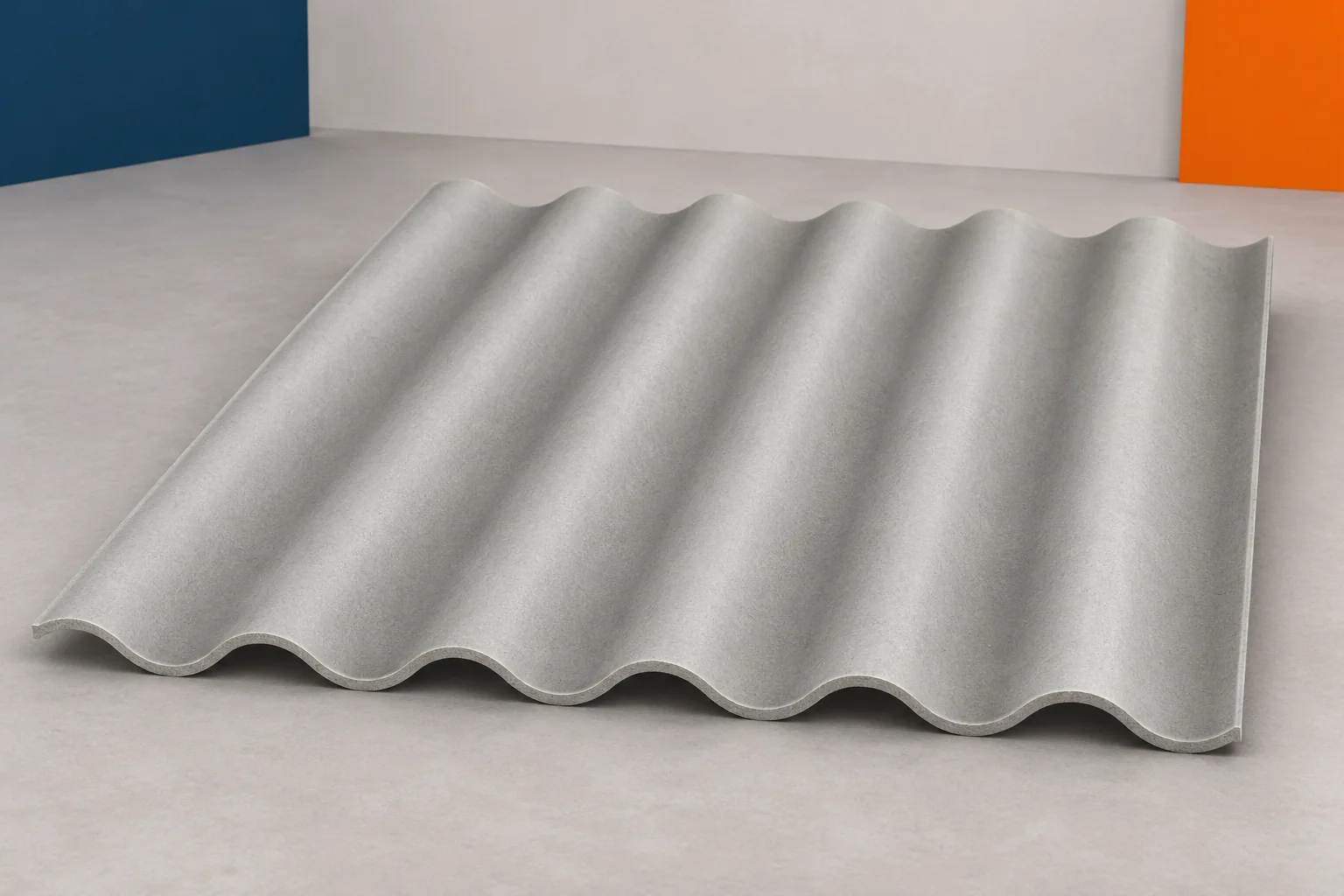
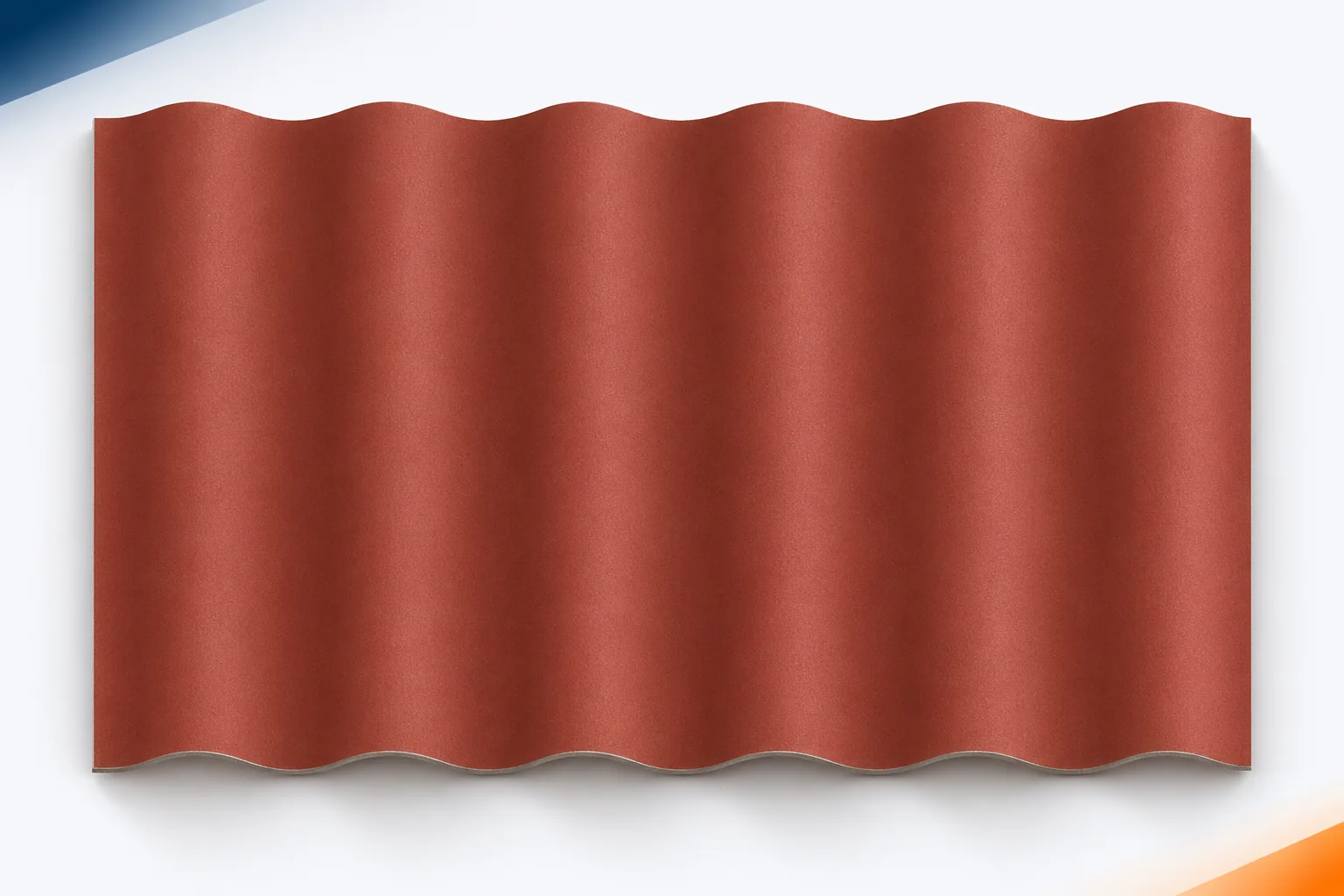
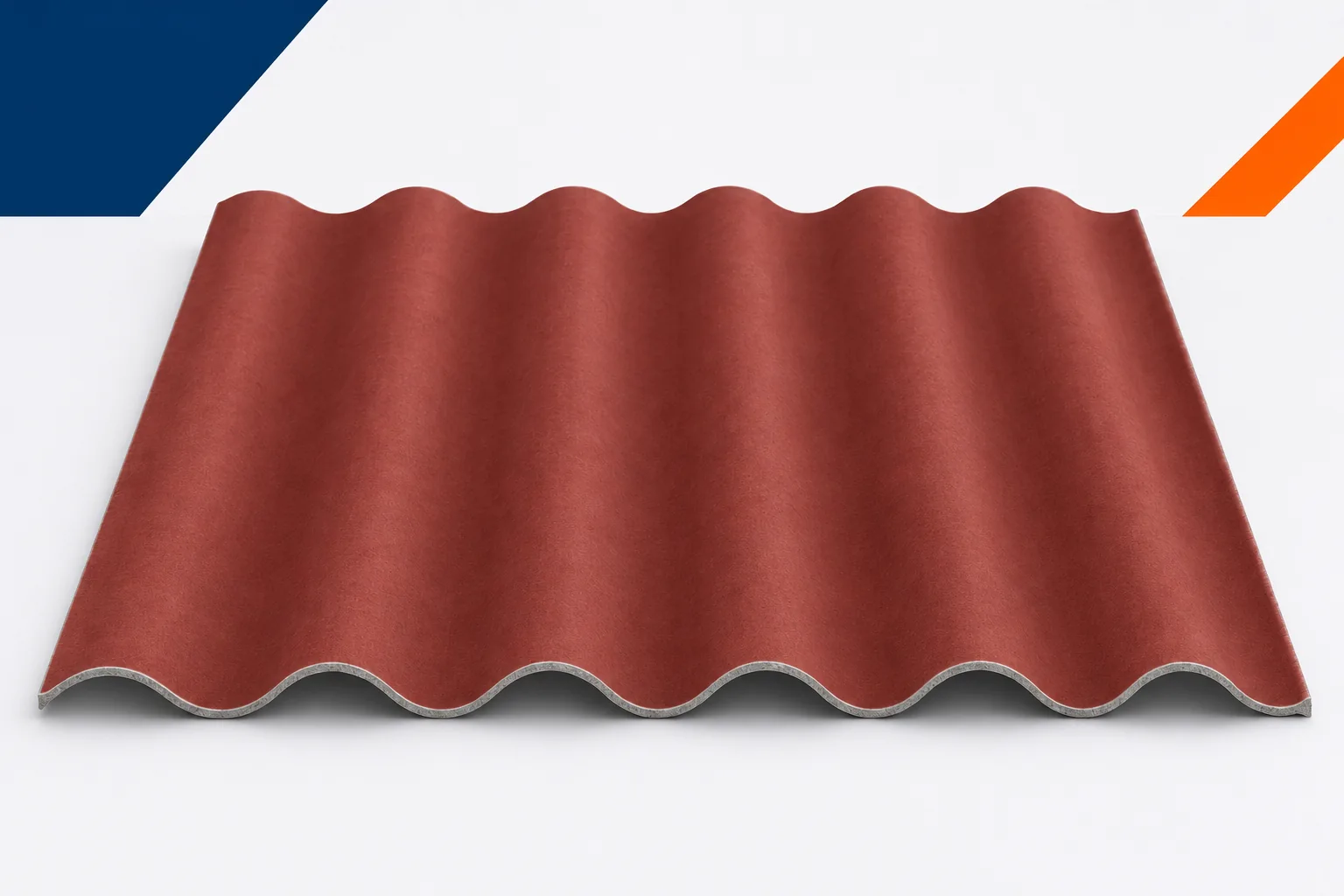
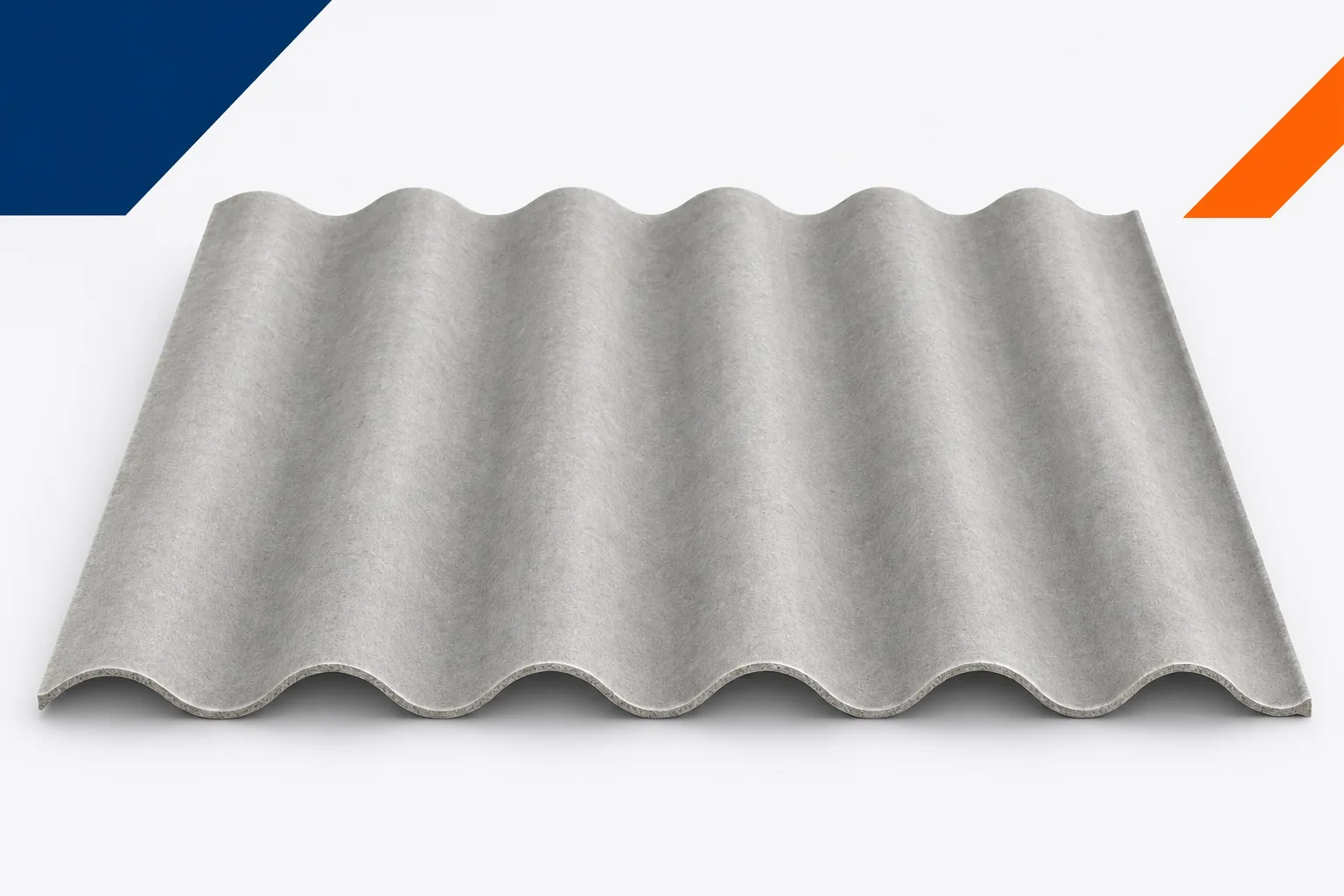
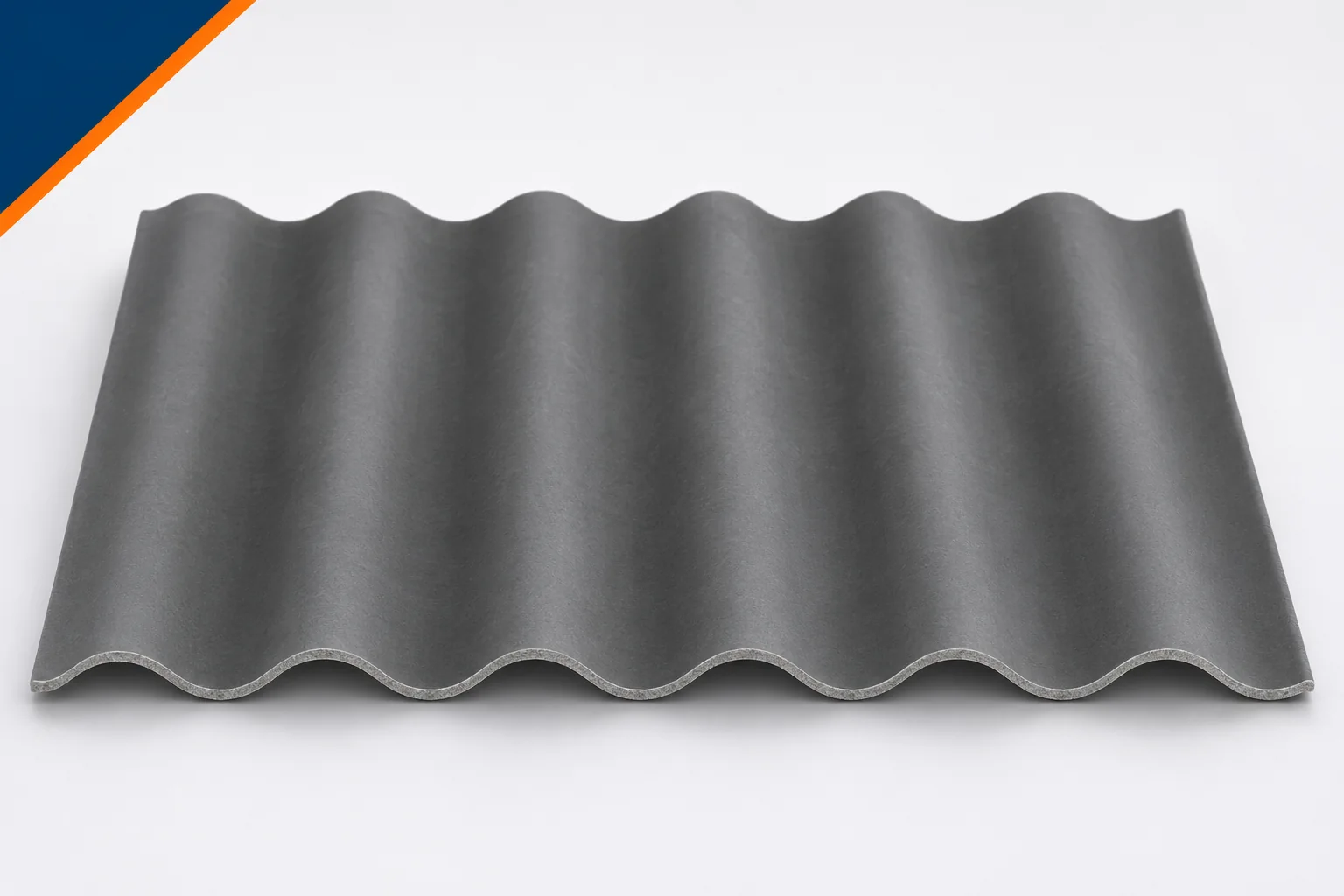
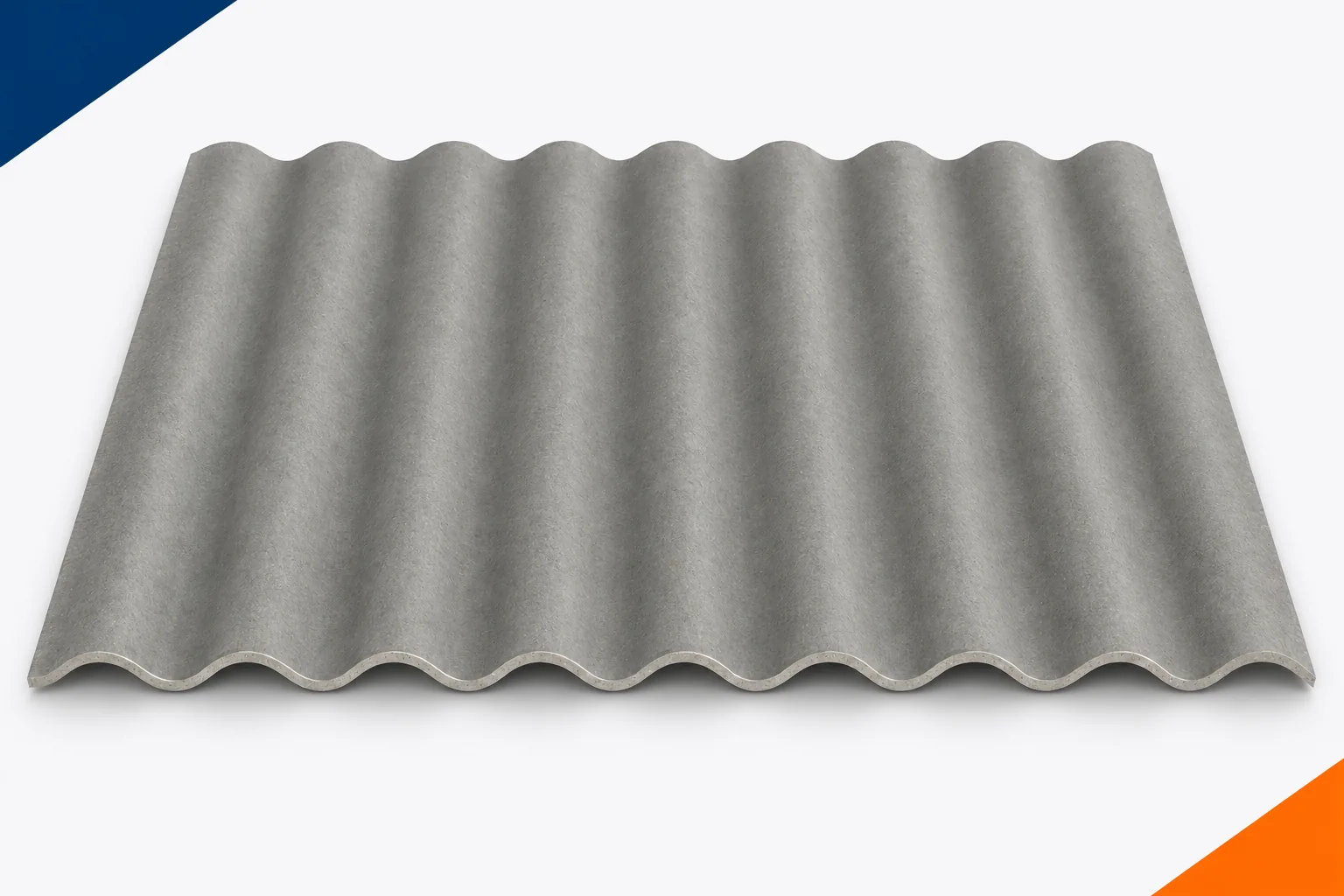
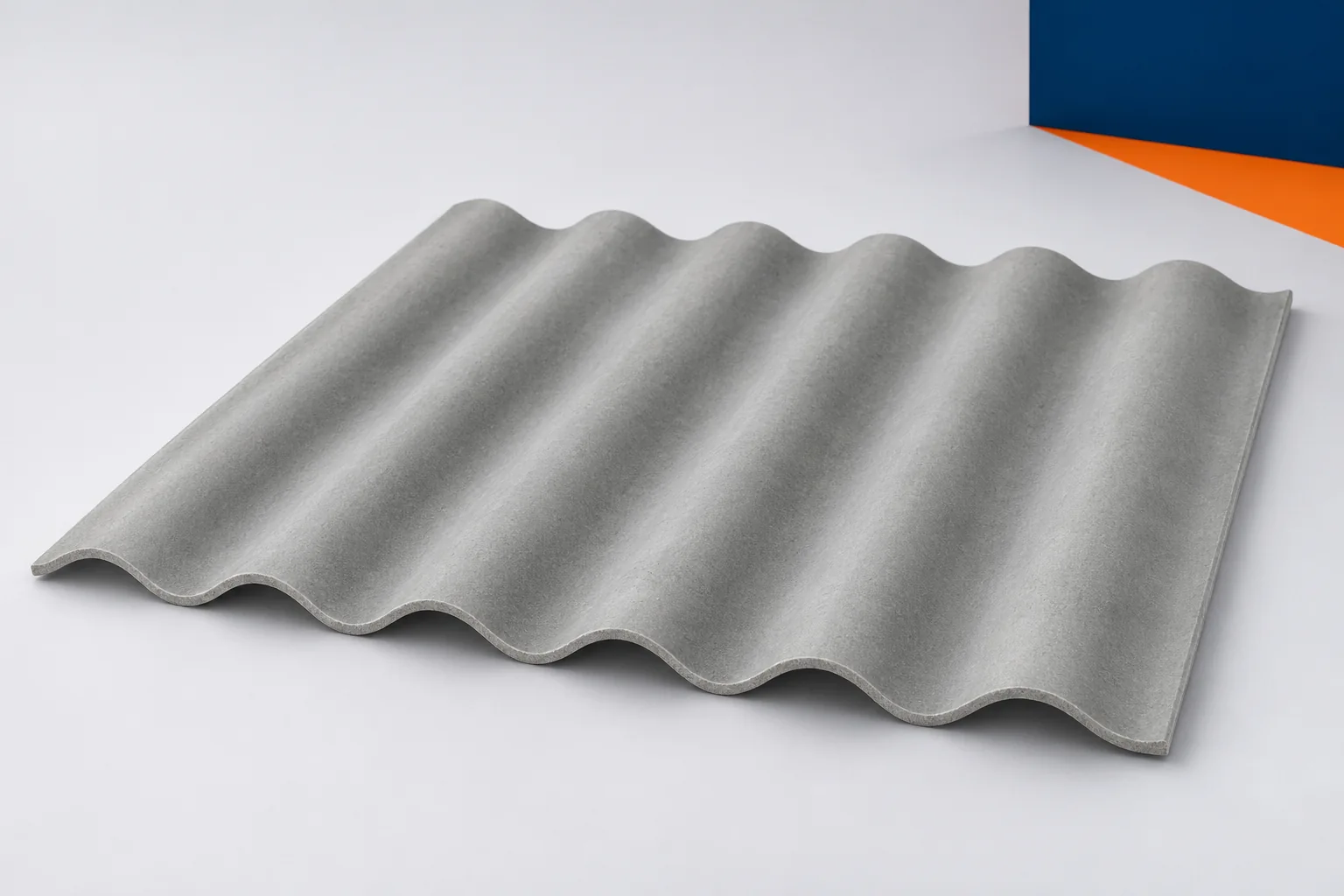
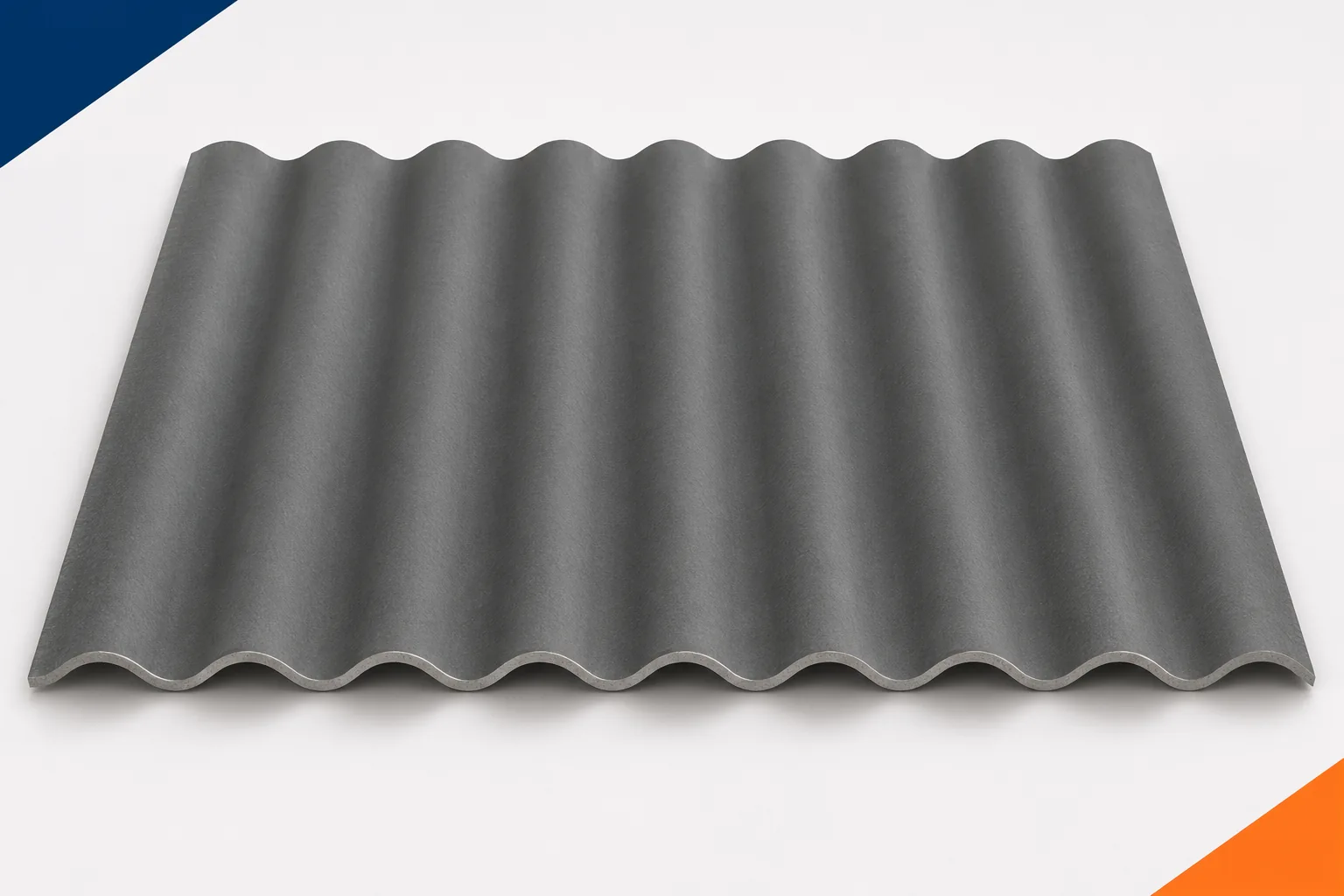
Seen from a distance, a corrugated sheet looks like a simple product. Only when two cross-sections are compared do the differences become apparent. The spacing of the crests, the wave height or the design of the side edge may differ. Fibre cement sheets are therefore selected on the basis of the drawing and the documentation. The term asbestos-free fibre cement states the type of material but does not describe its geometry. That geometry determines how the sheets are joined, which accessories are used and how the surface area can be used. The pitch is the distance between corresponding points on successive waves, for example between crests. The width of the recess itself should not be measured and the result treated as this dimension. In a technical drawing the pitch has its own dimension line.

By |2026-11-15T17:20:20+01:002025-07-14|Technology and applications|Comments Off on Fibre cement corrugation geometry: pitch, height and width

Why two similar corrugated profiles do not necessarily fit together

Two grey sheets can look almost identical and yet fail to form a correct joint. When buying for a roof repair, this difference matters a great deal. Fibre cement sheets must be compared by section, working dimensions and fixing rules. Asbestos-free eternit is a general name. It does not mean a single edge standard or a common set of accessories. Compatibility is determined by details that are easy to overlook in a photo. The most misleading factors are similar colour and a similar number of ridges. The perspective of the photograph further changes the proportions. A narrow corrugation photographed from the side can resemble a wider one. That is why a discussion of interchangeability should begin with the designation and drawing, not with a photo taken from the yard.

By |2026-11-15T17:20:22+01:002025-07-05|Technology and applications|Comments Off on Why two similar corrugated profiles do not necessarily fit together

Four-sheet junctions in fibre cement roofing: why corners are mitred

Where successive rows meet, the sheets overlap in two directions. If every corner is left full despite the required trimming, a build-up of material occurs. Fibre cement sheets may then fail to sit properly and remain under stress. Preparing the corners is not cosmetic. It is part of the roofing method. Asbestos-free fibre cement must be ordered with a specified version of edge treatment, and the installation plan should show which corners are to remain intact. At a normal side joint, one sheet overlaps the other. A similar situation occurs between the lower and upper rows. At the intersection of these joints, more layers of material build up. Without the solution provided in the system, the upper sheet may be lifted.

By |2026-11-15T17:20:26+01:002025-04-07|Technology and applications|Comments Off on Four-sheet junctions in fibre cement roofing: why corners are mitred

Fibre cement roof ridge. Selection of fittings and ventilation

The ridge looks like a narrow strip at the top of the roof, but it combines several important functions. It covers the junction between the roof slopes, takes up water driven in by the wind and can provide an outlet for air from beneath the covering. Fibre cement sheets require a compatible set of fittings and fastenings here. Asbestos-free fibre cement does not form a complete roof without the correct termination. Choosing a ridge tile by colour alone overlooks the factors that determine tightness and moisture beneath the covering. The type of ridge element depends on the roof pitch and the way the two sides are joined. Some solutions have a defined adjustment range, others require the correct angle. This range is not, however, the permissible pitch of the covering itself.

By |2026-11-15T17:20:43+01:002024-05-17|Technology and applications|Comments Off on Fibre cement roof ridge. Selection of fittings and ventilation

Fixing holes in corrugated fibre cement: why clearance matters

A larger hole around the screw shank can raise doubts. Clients sometimes expect a tight fit, which seems more solid. With profiled roofing, that intuition can be misleading. Fibre cement sheets need fixings designed with adequate clearance. Asbestos-free fibre cement is a rigid material, and the roof moves under environmental conditions and loads. The right hole helps limit stress without sacrificing weathertightness. On a roof, components made of different materials meet. They respond differently to temperature, moisture and load. A timber batten, a steel purlin and a sheet do not have to behave identically. Dimensional tolerances and structural deflection add to this. The fixing should therefore not block every minor movement by jamming the shank in the hole.

By |2026-11-15T17:20:39+01:002023-03-16|Technology and applications|Comments Off on Fixing holes in corrugated fibre cement: why clearance matters

Support spacing for fibre cement. Why is it not determined by length alone?

A longer sheet does not mean the purlins can be spaced further apart. This is one of the more common mental shortcuts when pricing a roof. Fibre cement sheets work within a defined arrangement of supports and fixings. Their length must match the laps, but the permissible spacing also depends on the product's properties and the loads. Asbestos-free fibre cement is best chosen together with the design of the substructure. That way, saving on format does not weaken the roof slope. A support must carry the load from the sheet and provide the correct fixing position. It is not enough for it to be somewhere under the sheet. Its position must be tied to the edges, laps and rows of holes.

By |2026-11-15T17:20:24+01:002022-05-27|Technology and applications|Comments Off on Support spacing for fibre cement. Why is it not determined by length alone?

Roof pitch and selection of the fibre cement sheet system

The roof angle affects the rate of water drainage and the working conditions of the joints. It cannot be treated as a secondary dimension when choosing a covering. Fibre cement sheets have pitch requirements set out in the documentation for the given system. A single figure cannot be transferred to all profiles. Asbestos-free fibre cement may be a good solution for a pitched roof, but its suitability must be confirmed for the specific roof slope and local conditions. In documents, pitch is sometimes stated in degrees and sometimes in percentages. These are different ways of representing the same geometry, not figures used interchangeably. A percentage means the ratio of the rise in height to the horizontal distance.

By |2026-11-15T17:20:23+01:002022-04-17|Technology and applications|Comments Off on Roof pitch and selection of the fibre cement sheet system

Fibre cement fixings and sealing washers: how they work together

The smallest item on the order can determine the tightness of a large roof area. A screw on its own is not yet a complete fixing. Fibre cement sheets require the correct shank, a pressure and sealing component, and a hole made in accordance with the system. Asbestos-free fibre cement should therefore be priced together with the accessories. Replacing them with a random set makes it difficult to predict how the connection will behave under wind and during temperature changes. The shank transfers forces to the substructure. The pressure component distributes the load over the intended area, and the seal limits water ingress. The shape of the head and the way the tool is guided are also important. Damage to one component can weaken the performance of the entire set.

By |2026-11-15T17:20:40+01:002021-04-17|Technology and applications|Comments Off on Fibre cement fixings and sealing washers: how they work together
Back to top