Wood-effect steel fence pickets: assessing the finish before buying

Wood-effect fence pickets combine a decorative finish with the structure of profiled steel sheet. They suit people who want a warm wood pattern without using timber pickets. The product should nevertheless be assessed realistically. Sheet metal does not have the same texture and geometry as a wooden board. Its appearance depends on the print scale, gloss, cross-section and repetition of the elements. A sample should show these features before the finish is repeated along the whole boundary. A small flat swatch shows only part of the colour and surface pattern. It does not reveal how the pattern looks across a rib. The folds in steel pickets change the lighting of the finish: some areas look brighter while others remain shaded. A sample of the finished picket is therefore more useful than a picture of the finish alone.
By |2026-11-15T17:18:50+01:002024-12-14|Technology and applications|Comments Off on Wood-effect steel fence pickets: assessing the finish before buying

Fence picket width: calculating spacing and material quantities

Picket width affects the rhythm of the bay, the number of elements and how the gaps are distributed. However, it cannot be assessed without the gap. A wide profile set more loosely can give a different impression than a narrow picket laid very densely. In offers, several different widths describing the same product are also found. Therefore, before calculating the order, it is necessary to establish which value refers to the finished infill. This is a simple step that protects against a serious quantitative error. The blank is the strip of sheet metal that goes for profiling. Part of it is allocated to bends and pressings. The finished picket is therefore narrower than the flat strip before processing. In one real configuration, a strip of width 156 mm yields a profile of width 115 mm. Therefore, pickets should not be counted according to the value describing the raw material.

By |2026-11-15T17:18:23+01:002024-11-01|Technology and applications|Comments Off on Fence picket width: calculating spacing and material quantities

Metal fence pickets: from bay measurements to the order schedule

It is worth preparing an order for metal fence pickets on the basis of measuring each bay and a sketch showing the arrangement of components. The dimensions between posts, ground slope, gaps, installation direction and end finish affect the required lengths and quantity of material. This Izoprofil.pl guide leads from taking an inventory of the fence to a clear schedule for the supplier. We distinguish between the profiled sheet picket, the load-bearing structure of the bay and the fixing components. We also discuss assigning colour and coating to the visible sides, checking the sample and documenting changes. The selection of supports and connections requires data for the specific system and site conditions; a correct count of pieces does not yet confirm the load-bearing capacity of the fence. An approved drawing, however, helps avoid accidental cutting of material after delivery.

By |2026-11-15T17:19:14+01:002024-08-16|Technology and applications|Comments Off on Metal fence pickets: from bay measurements to the order schedule

What distinguishes metal picket fencing from other fences?

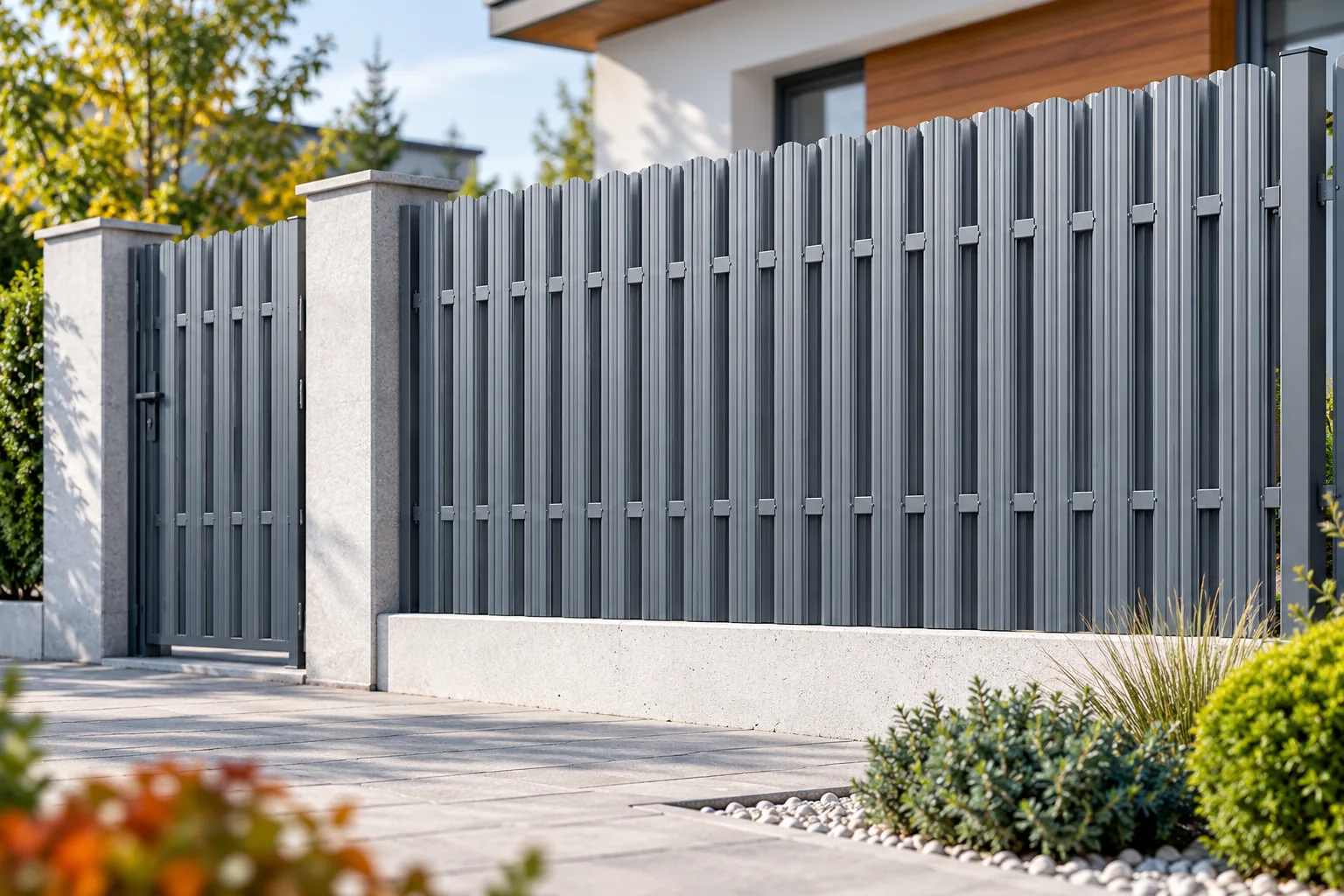
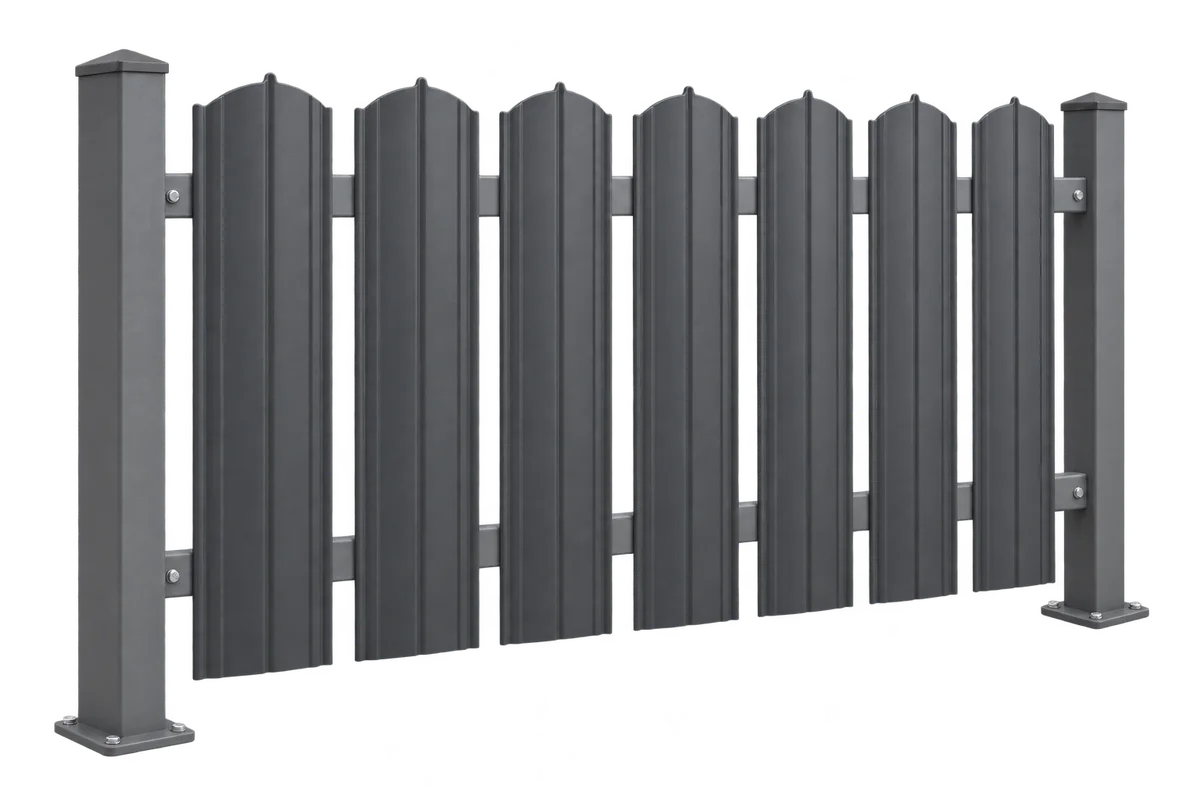
The choice of a metal picket fence depends not on the profile of an individual element but on the entire bay layout. Check whether the posts and foundations suit the planned spacing and whether the fixings can transfer the loads. Before buying, draw the bays, gate and entrance as a single whole, allowing for symmetry at the ends. The quality of the picket alone does not determine stability – durability depends on the rails, posts and their setting in the ground.

By |2026-11-14T18:55:11+01:002024-08-09|Technology and applications|Comments Off on What distinguishes metal picket fencing from other fences?

Metal picket edges. What does their finish say about quality?

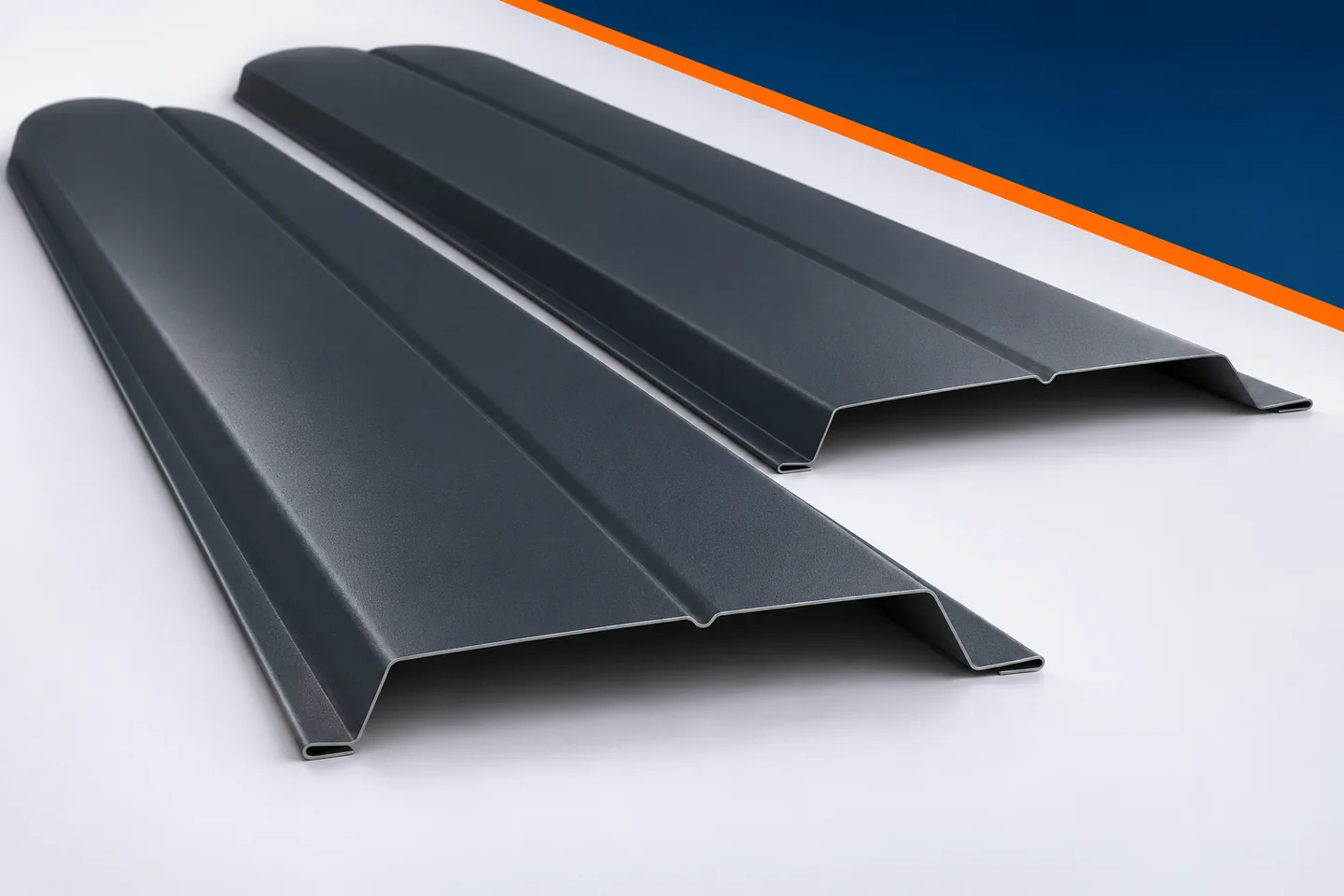
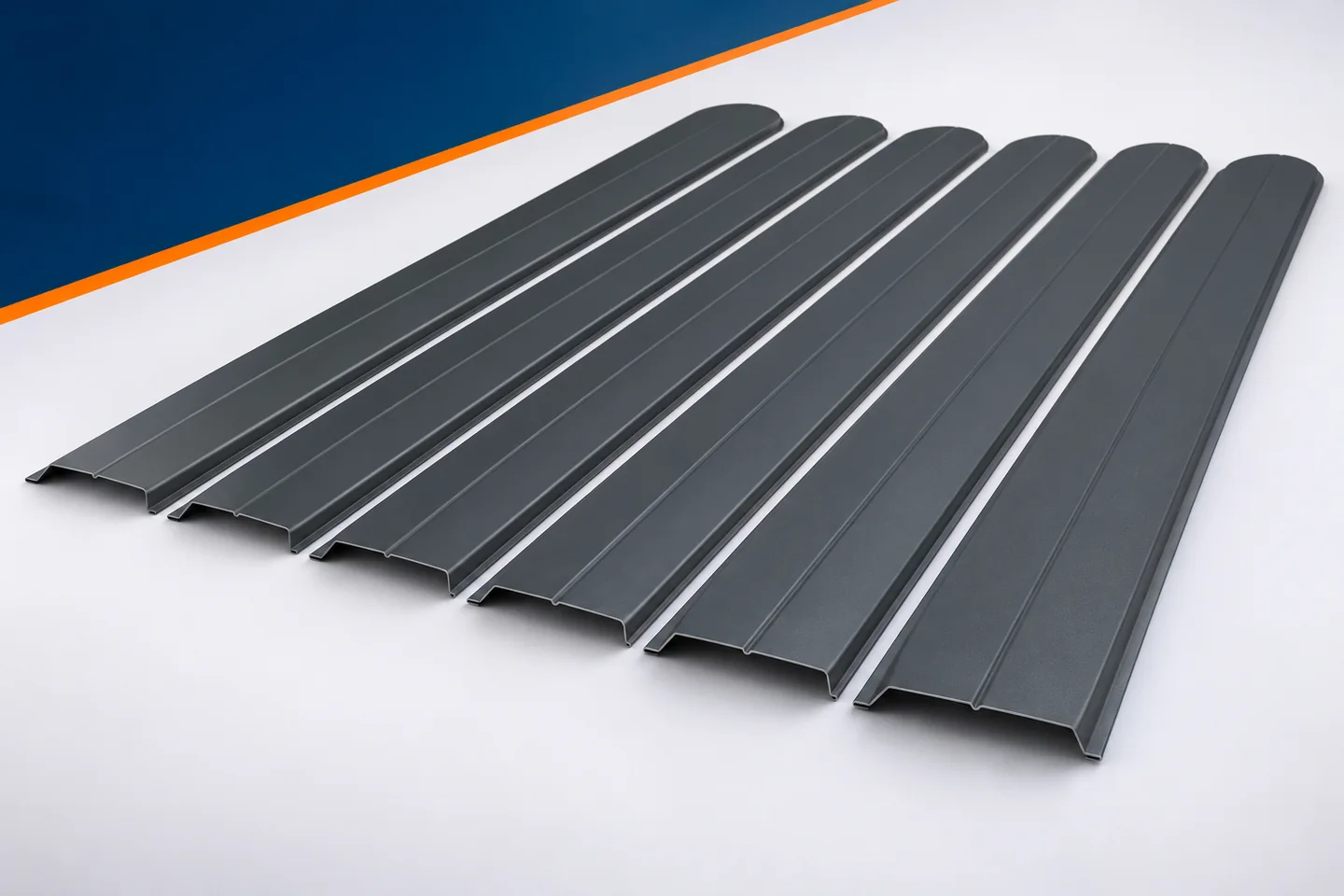
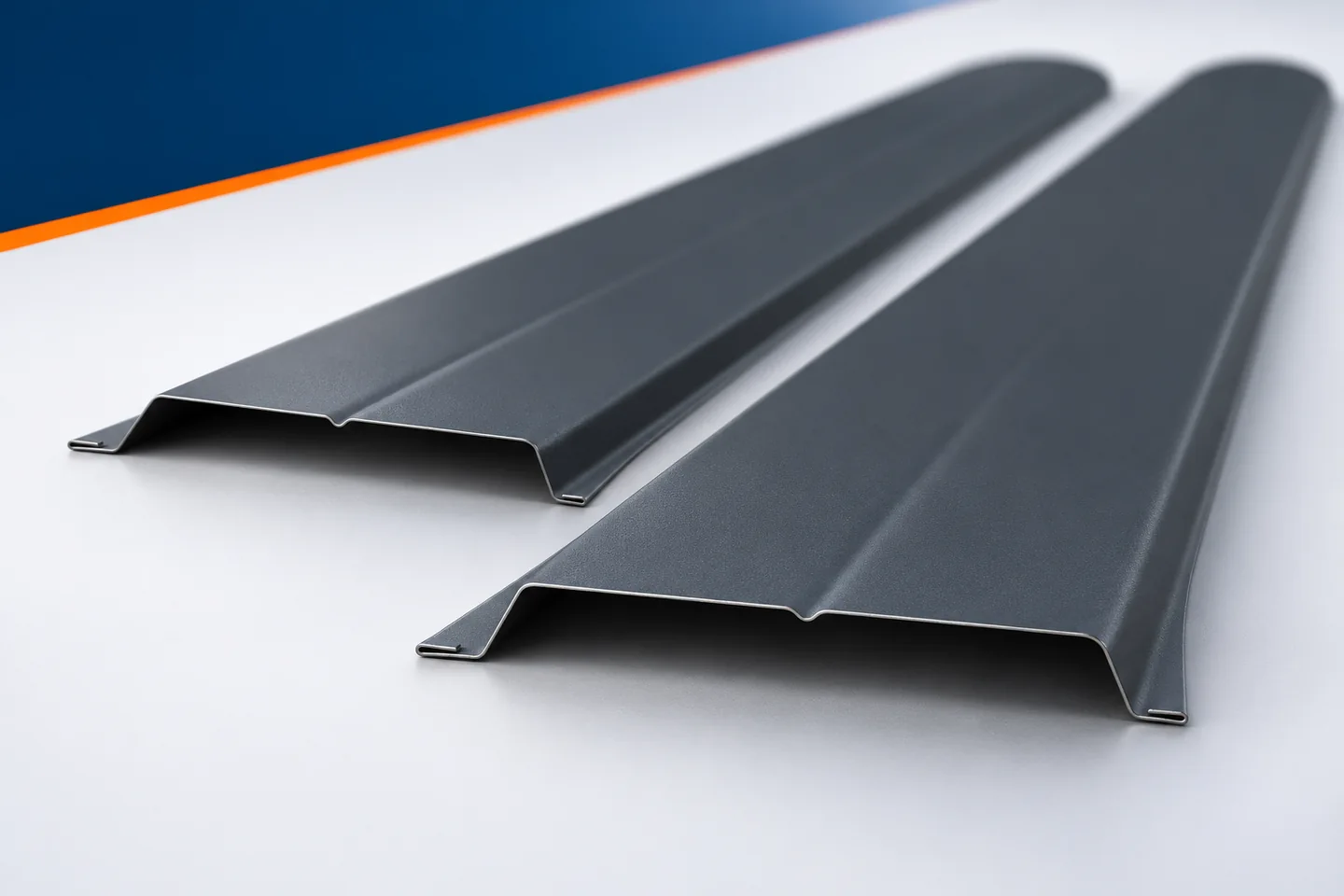
When buying a fence, attention usually focuses on the colour and width of the pickets. The edges are examined less often, although they say a lot about how the element is made. It is worth distinguishing between the longitudinal edges and the ends created during cutting. They may be shaped differently and be differently visible after installation. Metal pickets should be assessed on the actual profile. A mention of folded edges alone does not confirm the quality of the entire picket or the absence of sharp points at every location. In many pickets, the side edges are folded inwards into the profile. Such a detail contributes to its geometry and limits the exposure of the longitudinal edge. It may also affect the behaviour of the element. The exact shape must be checked on the drawing. Not every sheet metal picket has identical folding, and a similar view from the front may hide differences on the rear side.

By |2026-11-15T17:18:55+01:002024-08-09|Technology and applications|Comments Off on Metal picket edges. What does their finish say about quality?

Metal fence picket profiles: stiffness, ribs and supports

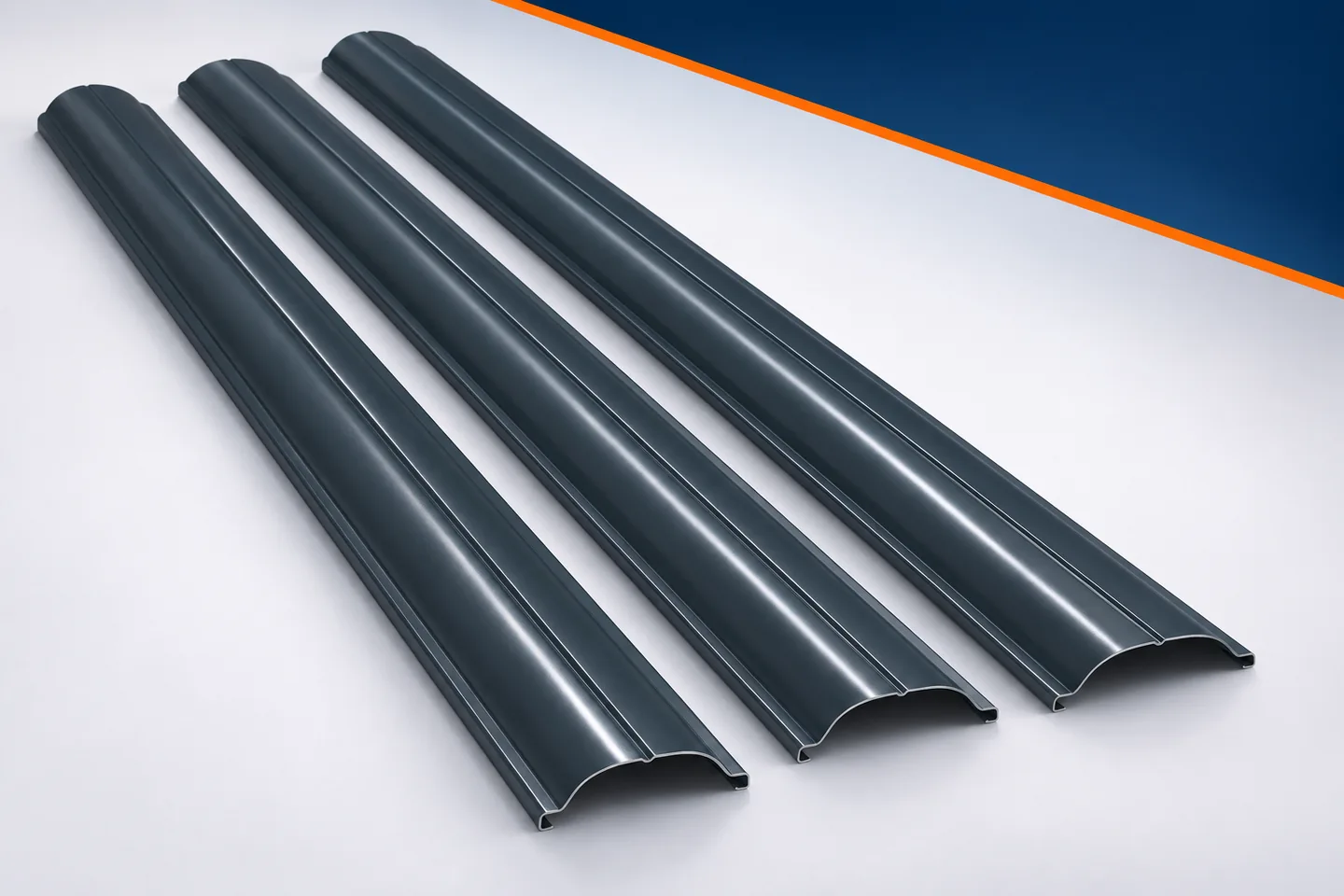
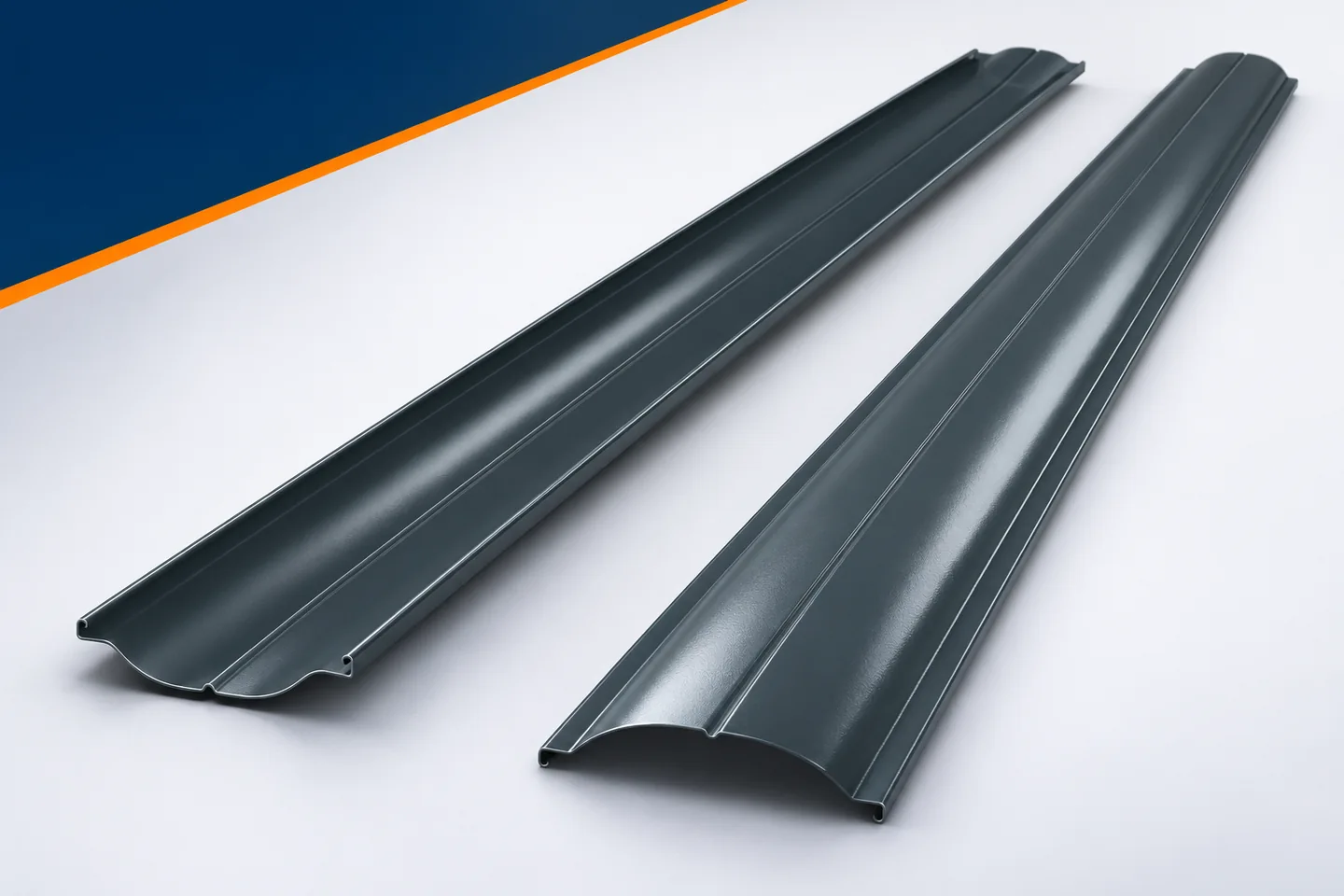
A metal picket is not simply a flat strip of painted steel. Its three-dimensional cross-section helps achieve useful stiffness with a small sheet thickness. That is why two elements of similar width can behave differently. When assessing metal pickets, the profile, length and method of support must be considered together. The appearance of strong pressings alone is not yet proof of load-bearing capacity. A good comparison starts with the drawing and installation conditions of the specific product. Profiling moves part of the material away from one flat surface. Ribs, steps and folded edges are formed. This shape influences the element's resistance to deformation. This is the fundamental reason why sheet steel pickets are not made exclusively as flat strips. The geometry serves a functional purpose, although at the same time it gives the fence its characteristic appearance.

By |2026-11-15T17:18:20+01:002024-03-11|Technology and applications|Comments Off on Metal fence picket profiles: stiffness, ribs and supports

Straight or rounded ends for metal fence pickets? Differences that matter before ordering

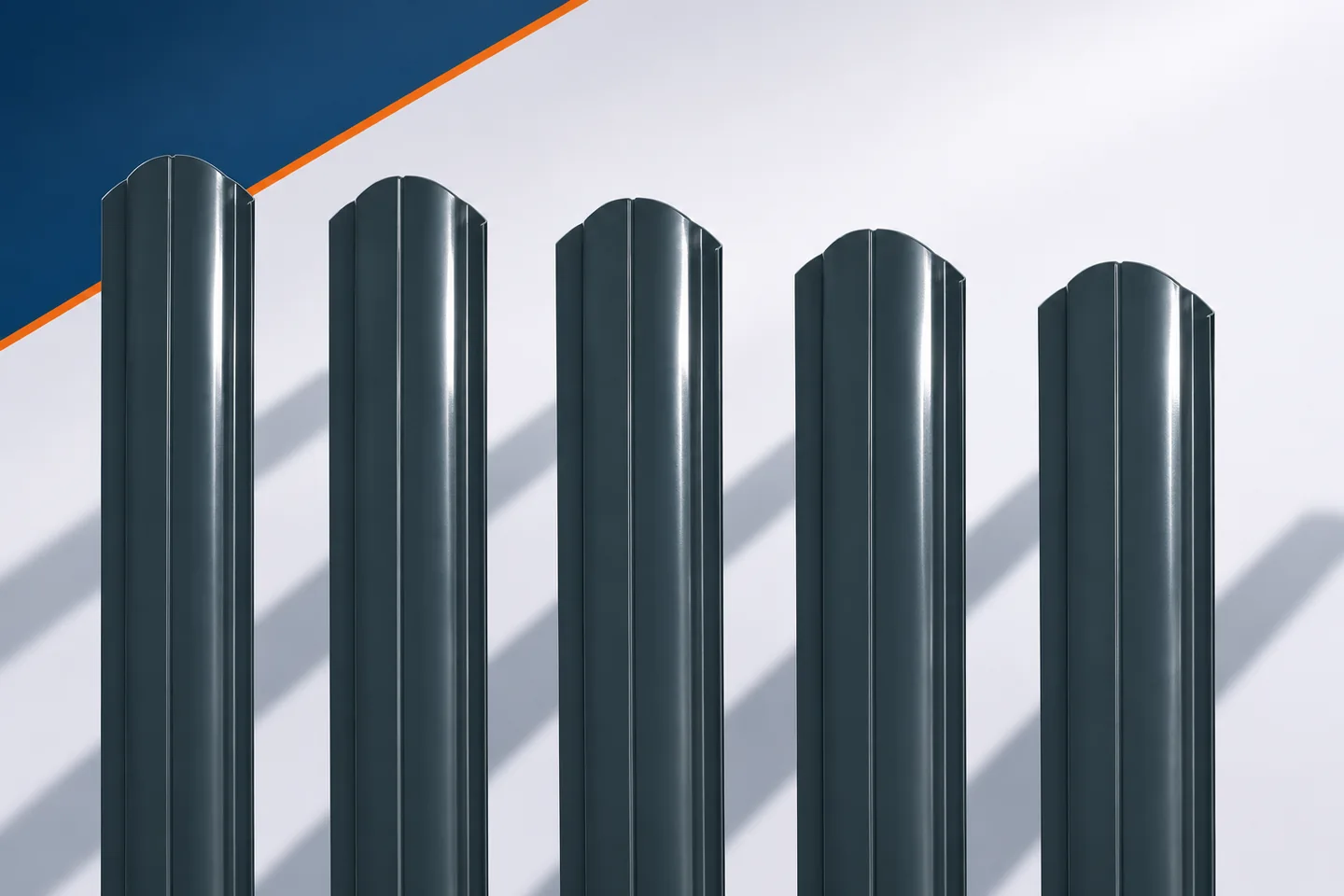
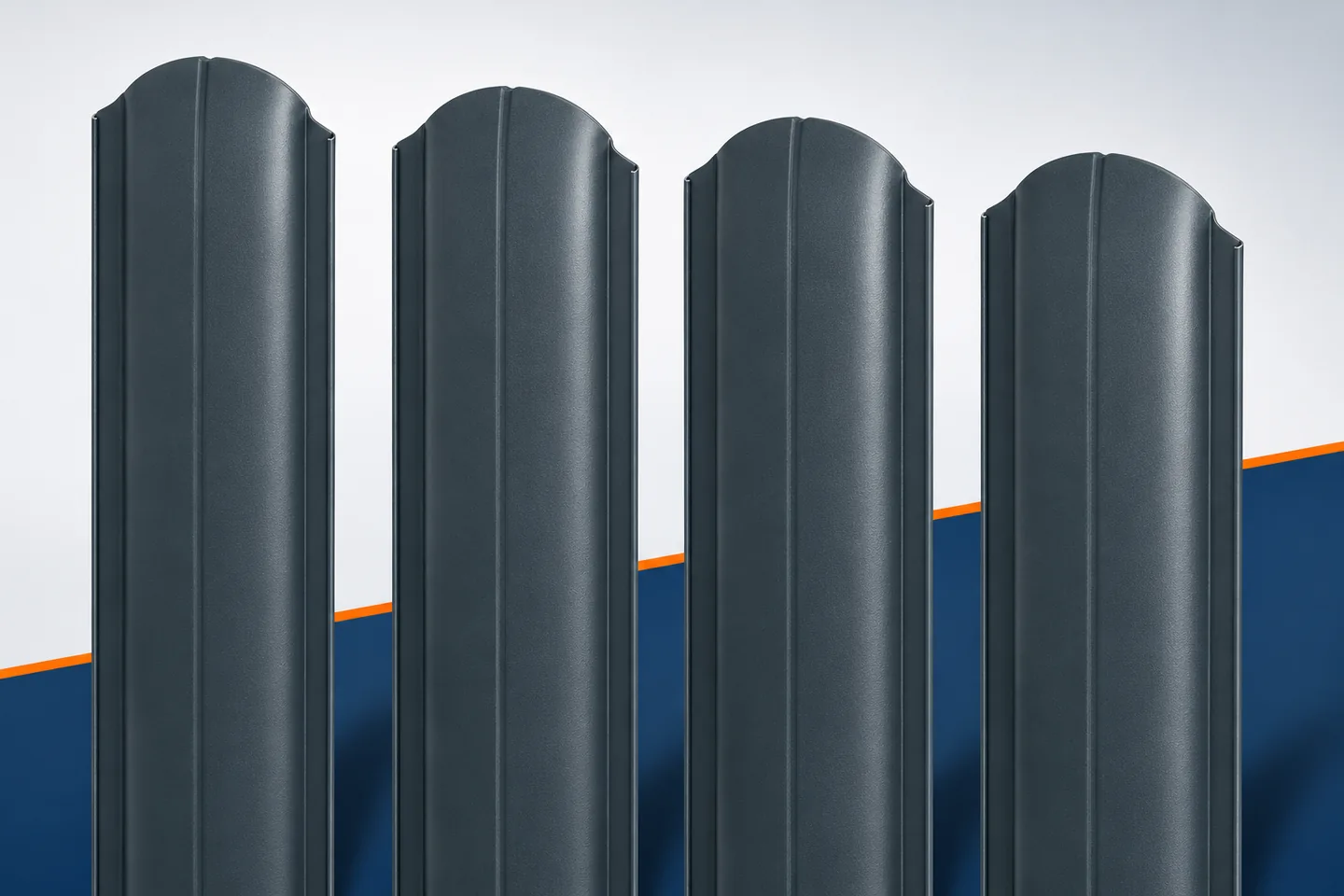
The finish of a picket is a small detail that strongly influences the appearance of the fence. A straight cut tidies the top line, while a curve emphasises the rhythm of individual elements. The choice is not limited to taste, however. Not every profile offers all end variants. The installation direction and the way it is set into the system may also matter. Metal pickets should be ordered with an unambiguous description of both ends, rather than leaving this decision until delivery. The cross-section describes the spatial shape of the picket. The end finish refers to how its length terminates. The same profile may be available with a straight cut or a rounded top, if the range provides for it. This does not mean a change to the width or depth of the entire element. Both pieces of information should be sought separately in the documentation.

By |2026-11-15T17:18:35+01:002024-02-18|Technology and applications|Comments Off on Straight or rounded ends for metal fence pickets? Differences that matter before ordering

Matt or gloss on metal fence slats? Appearance is only part of the choice

Matt and gloss can distinctly change the appearance of the same profile. One surface shows reflections more strongly, the other creates a calmer impression. This does not, however, result in a simple division into worse and better fence slats. Visual finish must be distinguished from the parameters of the coating system. Metal fence slats can have different protection despite a similar degree of gloss. The right choice combines an assessment of the sample with information about the material and the conditions of its use. On a glossy surface, distinct reflections are easier to notice. Embossings can then stand out more strongly from adjacent fields. Matt gives less intense reflections and can emphasise the overall rhythm of the fence. The effect depends, however, on the angle of light and the colour. It is not worth assessing it solely on a photograph taken under controlled conditions.

By |2026-11-15T17:18:40+01:002024-02-09|Technology and applications|Comments Off on Matt or gloss on metal fence slats? Appearance is only part of the choice

Sheet thickness for fence pickets. How to read the figures without oversimplifying?

Sheet thickness is an important parameter of a picket, but on its own it does not describe the quality of the fence. In offers for actual products, values such as 0.45 mm, 0.50 mm and a range of 0.5–0.6 mm appear, among others. This does not mean there is a single standard common to all models. Before comparing, it is necessary to establish what the number refers to and what conditions accompany it. Metal pickets are assessed together with the cross-section, length, material grade and method of fixing. The term 'sheet thickness' is sometimes used as shorthand. It is worth confirming whether the documentation refers to a specific thickness of the steel substrate or to a differently defined dimension of the product. Tolerances are also important. A more precise meaning should not be added to a number from a commercial description on one's own. The basis should be the data of the specific picket and the material from which it is made.

By |2026-11-15T17:18:33+01:002023-11-12|Technology and applications|Comments Off on Sheet thickness for fence pickets. How to read the figures without oversimplifying?

How to choose a roof colour that works with the façade

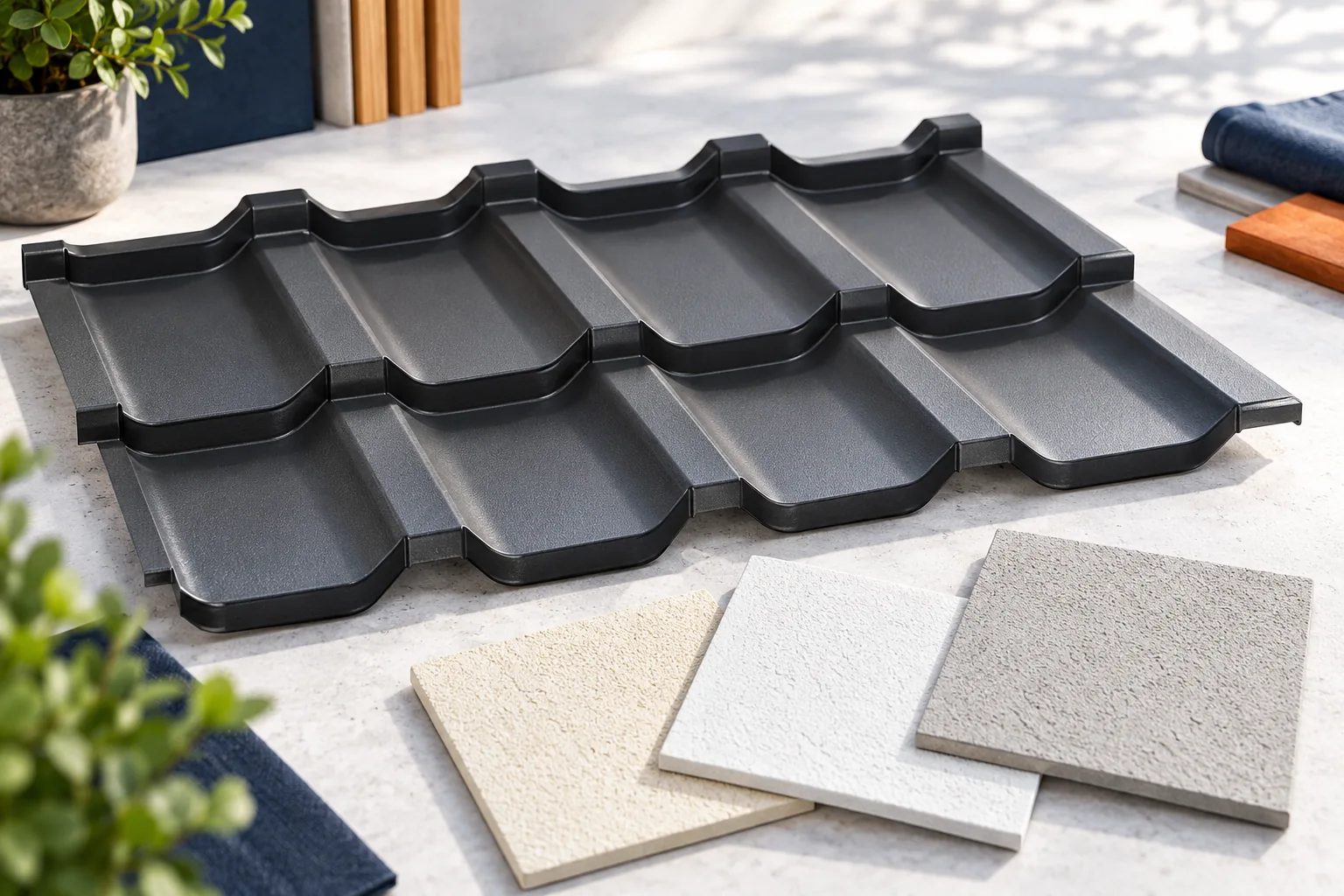
First establish which elements of the house will remain unchanged, and match the roof colour to them. During renovation, brick, stone, windows or fencing may outlast more than one coat of paint, so they set the palette. Also check gloss, texture and the sheet profile, as well as local requirements for the building's appearance. Before ordering, view a sample in daylight and at an angle close to the roof pitch. Make the final decision after comparing all permanent elements, not just a catalogue swatch.

By |2026-11-14T22:29:26+01:002023-11-11|Technology and applications|Comments Off on How to choose a roof colour that works with the façade
Back to top