

Technology and applications
Izoprofil.pl explores how building materials work together. Sandwich panels, PIR insulation and trapezoidal sheets depend on their supports, joints, fixings and drainage. The guides explain how product properties affect use on roofs, walls and insulation assemblies. They help you read the documentation, identify limits and prepare questions for your designer or contractor. You can also look up detailing, common faults and preparing materials for installation. Use the technical issue on your project to choose an article, then check the instructions for your specific product. Similar-looking components may have different requirements.
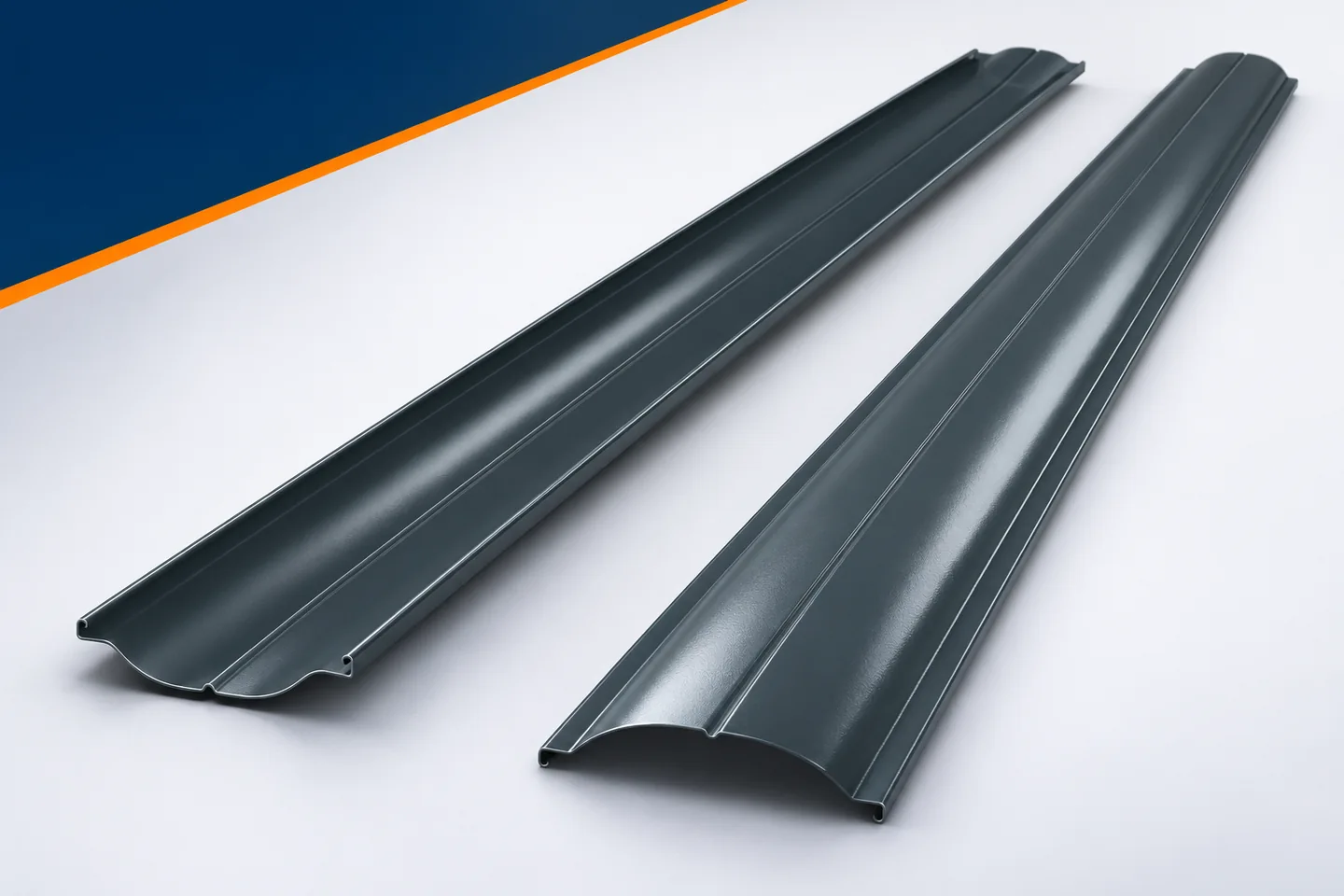
Straight or rounded ends for metal fence pickets? Differences that matter before ordering
The finish of a picket is a small detail that strongly influences the appearance of the fence. A straight cut tidies the top line, while a curve emphasises the rhythm of individual elements. The choice is not limited to taste, however. Not every profile offers all end variants. The installation direction and the way it is set into the system may also matter. Metal pickets should be ordered with an unambiguous description of both ends, rather than leaving this decision until delivery. The cross-section describes the spatial shape of the picket. The end finish refers to how its length terminates. The same profile may be available with a straight cut or a rounded top, if the range provides for it. This does not mean a change to the width or depth of the entire element. Both pieces of information should be sought separately in the documentation.
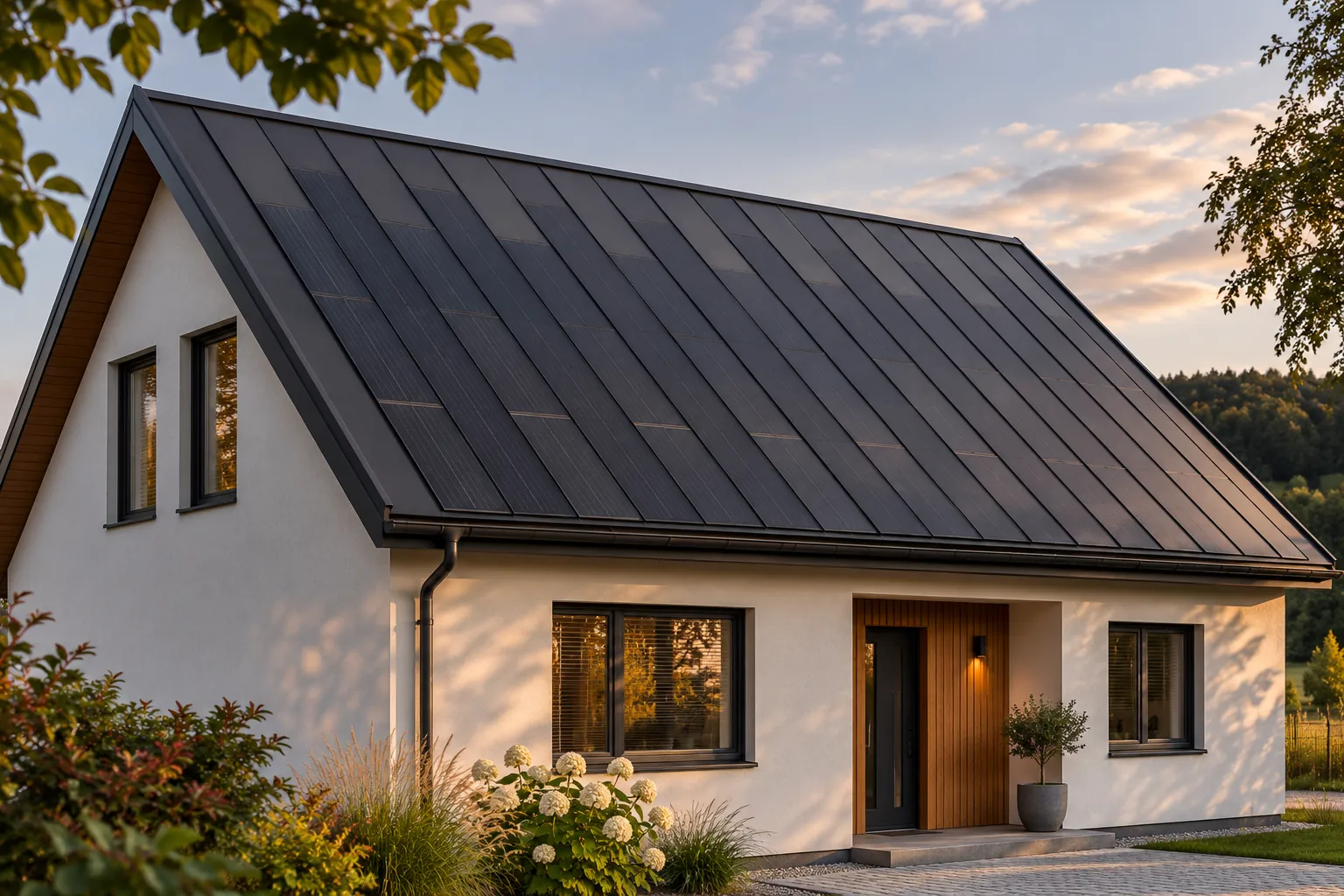
Replacing a roof with BIPV: reducing the risk of rain entering the house
When replacing a roof with a photovoltaic one, the most important thing is to keep control over the exposed surface. The house must not be left without planned protection simply because materials are due to arrive in a few days. BIPV allows the covering and the energy part to be coordinated, but it requires a prepared schedule. The scope of each stage should match the weather, the capacity of the crews and how quickly the building can be effectively protected. Before the old covering is removed, the availability of materials, crews and equipment must be confirmed. Accessories and parts needed to complete the open zone are also important. A missing flashing or other component can prevent the slope from being closed, even though most of the panels are already on site.
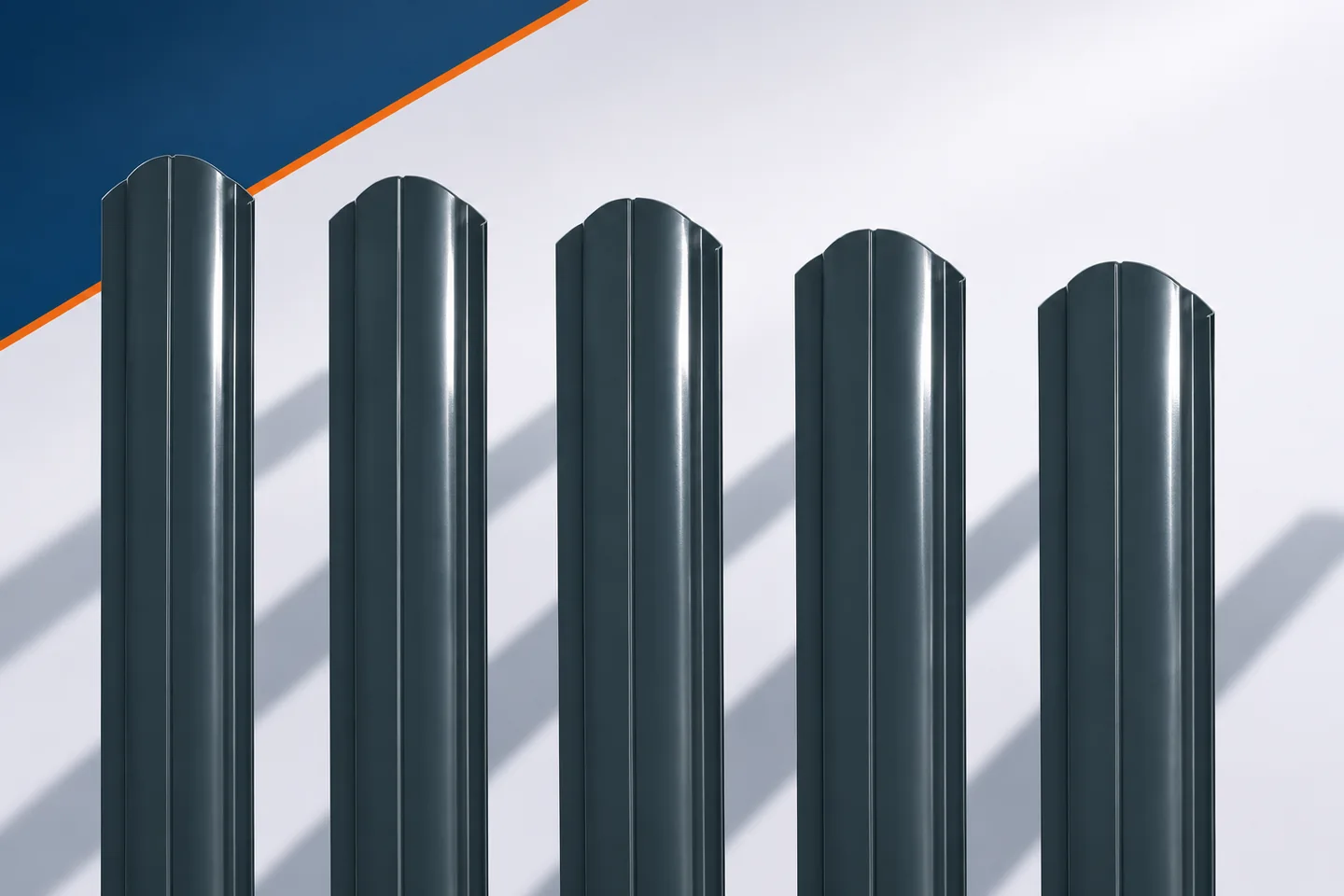
Matt or gloss on metal fence slats? Appearance is only part of the choice
Matt and gloss can distinctly change the appearance of the same profile. One surface shows reflections more strongly, the other creates a calmer impression. This does not, however, result in a simple division into worse and better fence slats. Visual finish must be distinguished from the parameters of the coating system. Metal fence slats can have different protection despite a similar degree of gloss. The right choice combines an assessment of the sample with information about the material and the conditions of its use. On a glossy surface, distinct reflections are easier to notice. Embossings can then stand out more strongly from adjacent fields. Matt gives less intense reflections and can emphasise the overall rhythm of the fence. The effect depends, however, on the angle of light and the colour. It is not worth assessing it solely on a photograph taken under controlled conditions.
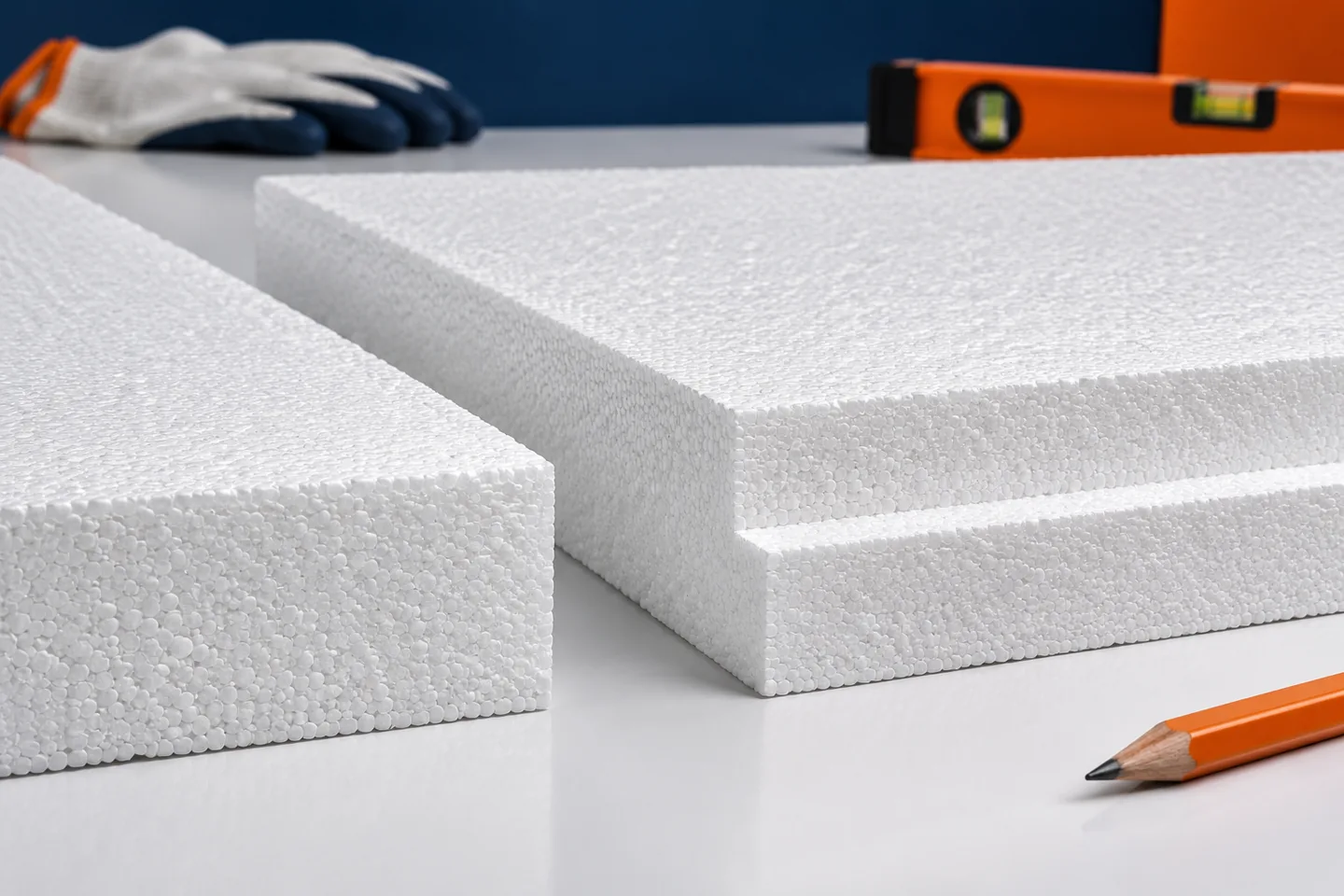
Profiled or square-edged EPS boards: how to choose
A square edge and a rebated overlap profile are two real ways of finishing EPS boards. They differ in how they are joined, but neither removes the need for careful installation. We explain when a profiled edge helps, how to calculate the covering area and why the profile alone neither improves lambda nor creates waterproofing. A board with a square edge meets the adjacent element side to side. A board with a rebated overlap profile has a correspondingly shaped edge that overlaps the edge of the next board. The exact profile dimensions depend on the product. It should not be assumed that every edge profile has the same shape or that it is a tongue-and-groove joint.
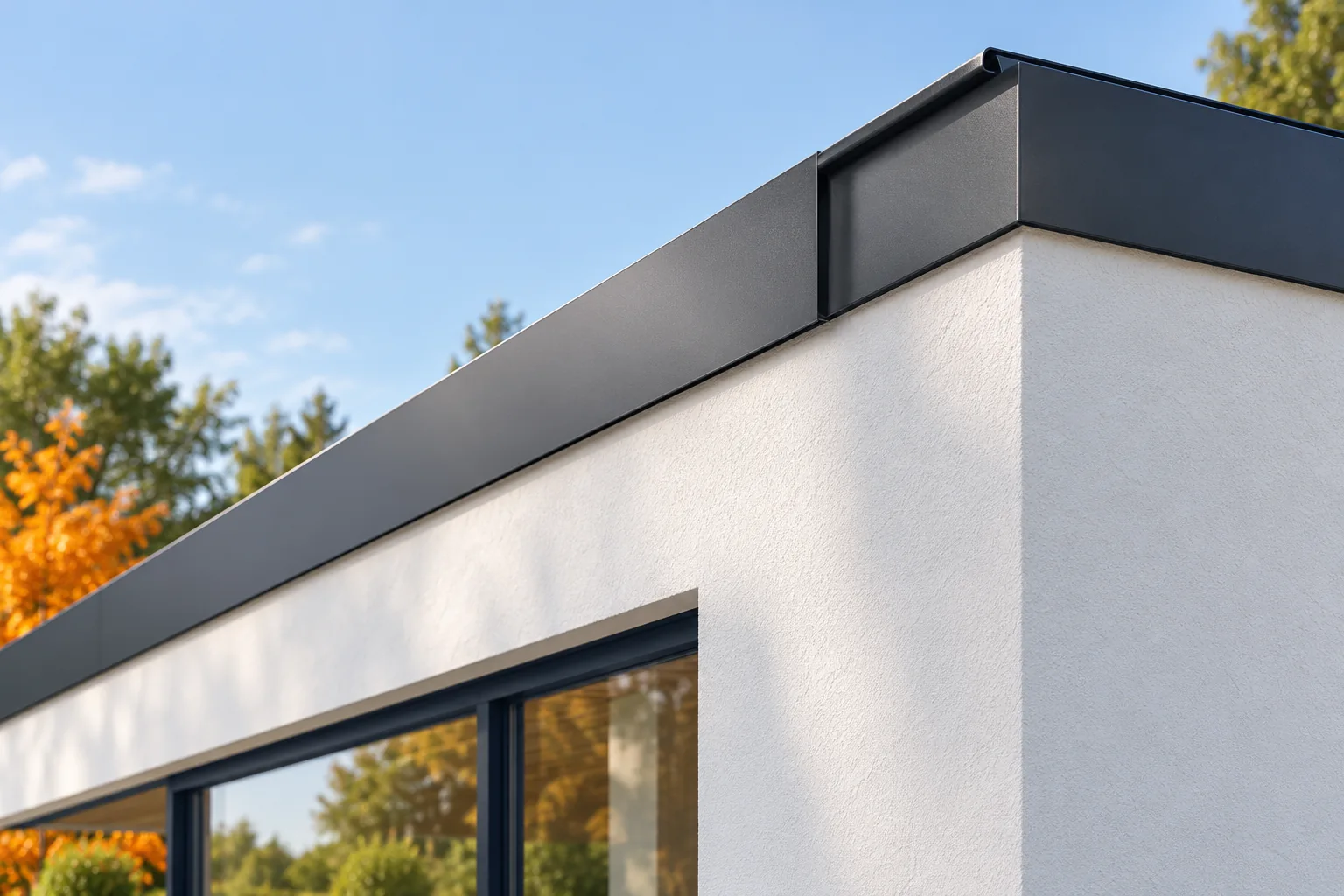
How concealed gutters work and where they make sense
A hidden gutter system works like any roof drainage, but some components are concealed by a cover or cladding. Check whether the path from the roof slope to the outlet is clear, the connections are tight, and service access remains realistic once the façade is finished. It offers the most benefit where the detail can be designed together with the roof and wall, rather than adapted afterwards. Also consider how water behaves if the outlet becomes blocked. The concealed installation still needs inspection and cleaning, so the ability to open access components is essential.

Estimating the cost of a panel-built house: the envelope and the complete building
A house made of panels requires more than just buying walls and a roof. You need foundations, structure, joinery, services and finishing. The panels must also meet the requirements for a residential building. Therefore, it is worth dividing the budget into clear scopes. This will allow you to see the cost of the enclosure without treating it as the price of a finished house. First, determine the usable floor area, the room layout and the finishing standard. Decide whether the price is to cover a weathertight shell, completed services or a ready-to-move-in interior. These stages do not have the same scope. The floor area on the plan alone does not explain the difference.