

Technology and applications
Izoprofil.pl explores how building materials work together. Sandwich panels, PIR insulation and trapezoidal sheets depend on their supports, joints, fixings and drainage. The guides explain how product properties affect use on roofs, walls and insulation assemblies. They help you read the documentation, identify limits and prepare questions for your designer or contractor. You can also look up detailing, common faults and preparing materials for installation. Use the technical issue on your project to choose an article, then check the instructions for your specific product. Similar-looking components may have different requirements.
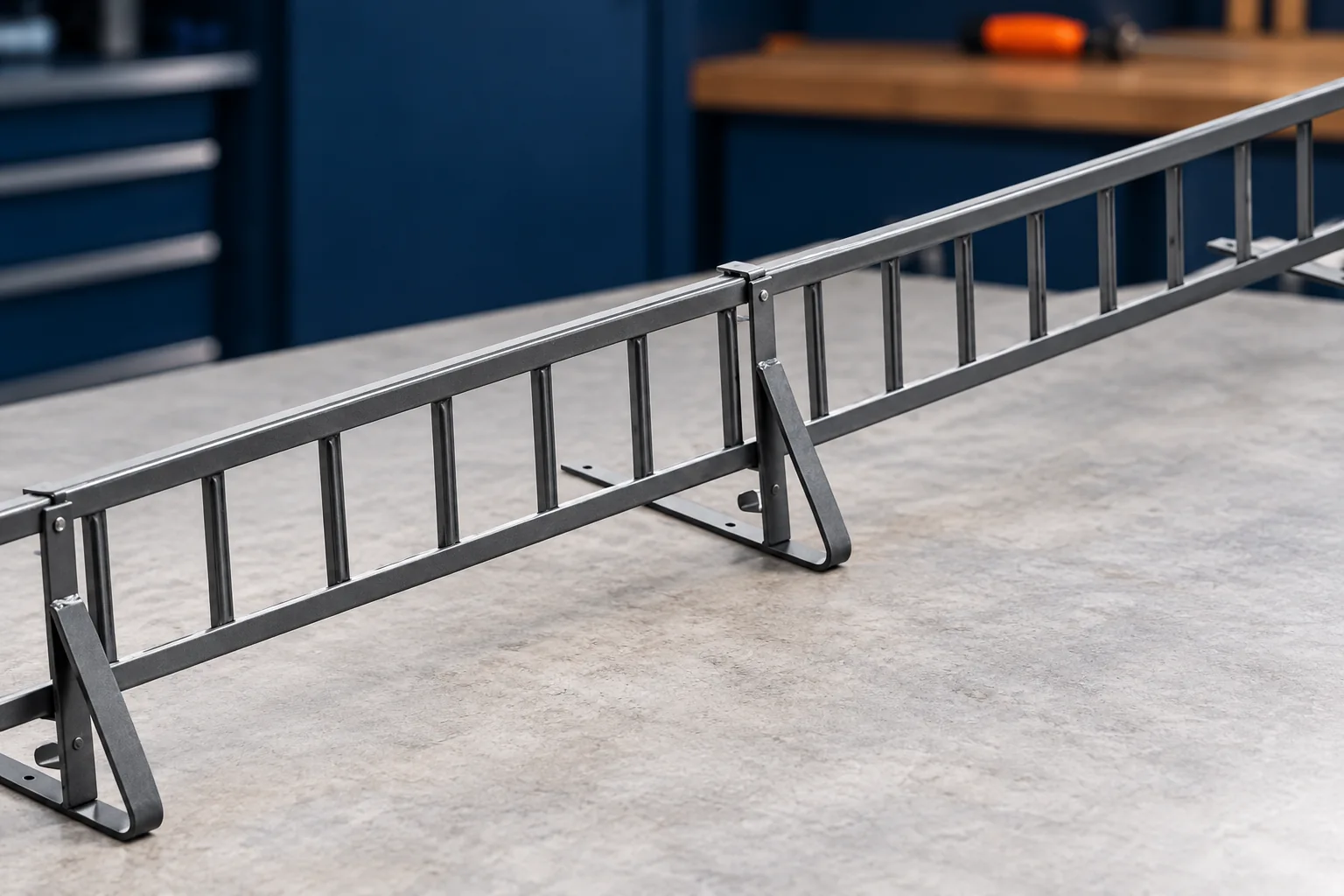
Specifying snow guards for a sheet metal roof
The choice of snow guards depends above all on where snow is to be held back, not on the appearance of the lower roof edge alone. Check the roof pitch and slope length, the covering type and the places where lying snow could slide onto a path, terrace or driveway. The load-bearing capacity of the substrate and the way forces are transferred through the brackets also matter. A barrier at the gutter alone will not replace a considered layout, and retained snow still loads the roof.
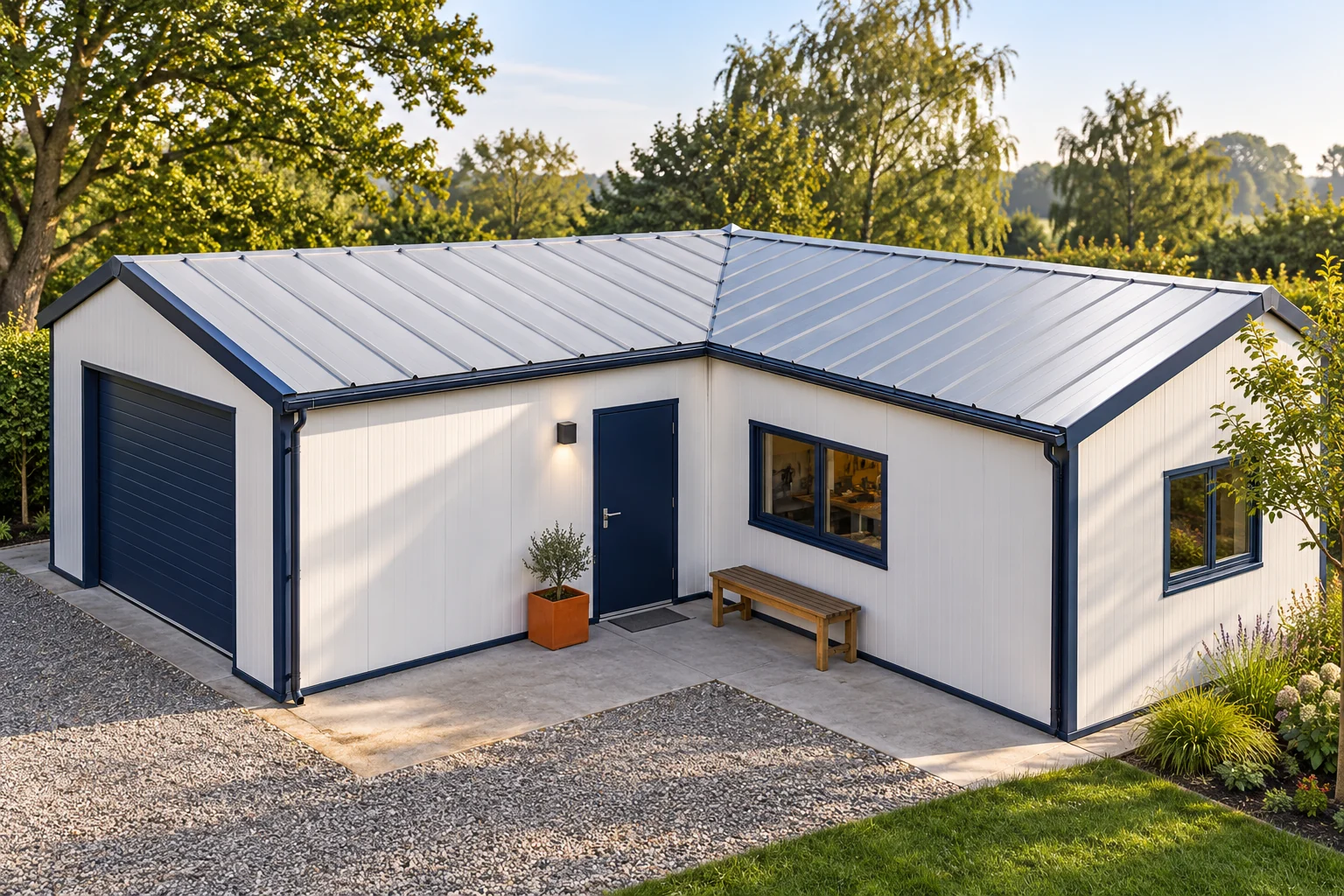
How to compare wall and roof panel prices in 2026?
A panel price is only comparable when accompanied by a variant description and quote date. Roof and wall may require different panels, even with the same core. Add to this different lengths and waste quantities. It is therefore worth basing a 2026 comparison on your own dimensions and current offers, rather than applying a single rate to the whole build. A roof panel has a geometry designed for working on the slope and draining water. A wall panel may have different edges and a different fixing method. Even a shared nominal thickness does not confirm identical thermal parameters. Describe each part of the envelope separately.
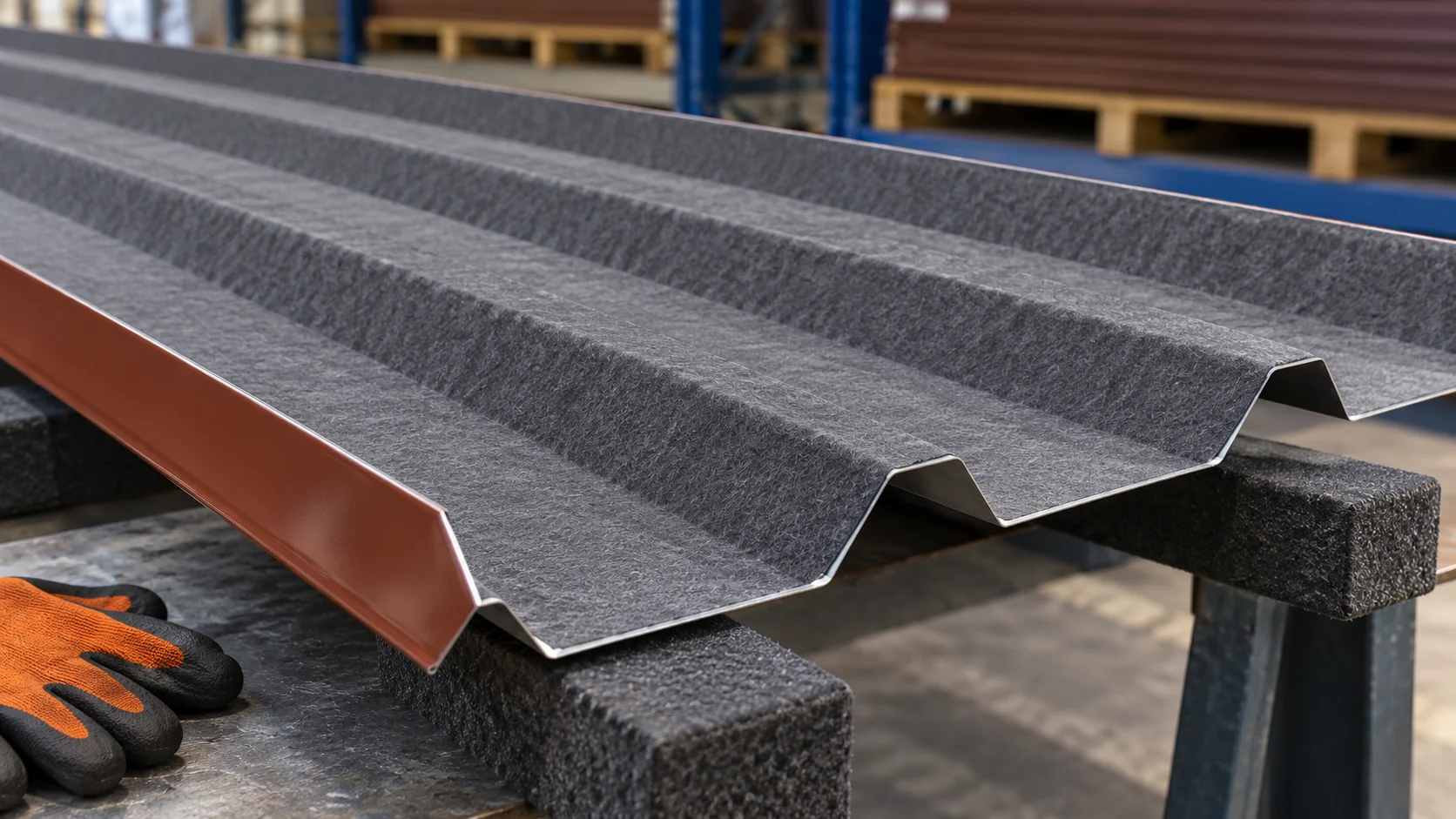
When will felt-backed steel sheet reduce dripping and what does it need to work?
Felt under steel sheet can temporarily retain some condensate. This means less water drips into the interior. However, it must dry out afterwards, so it needs adequate air exchange. It is neither insulation nor a repair for a leaky roof. Its usefulness is best assessed together with ventilation and how the building is used. Water vapour can condense on the cool surface of the covering. It does not have to have rained beforehand. After a cold night, the steel sheet may be cooler than the indoor air. If condensation conditions are met, droplets appear on the underside. This is a different phenomenon from a leak through a joint.
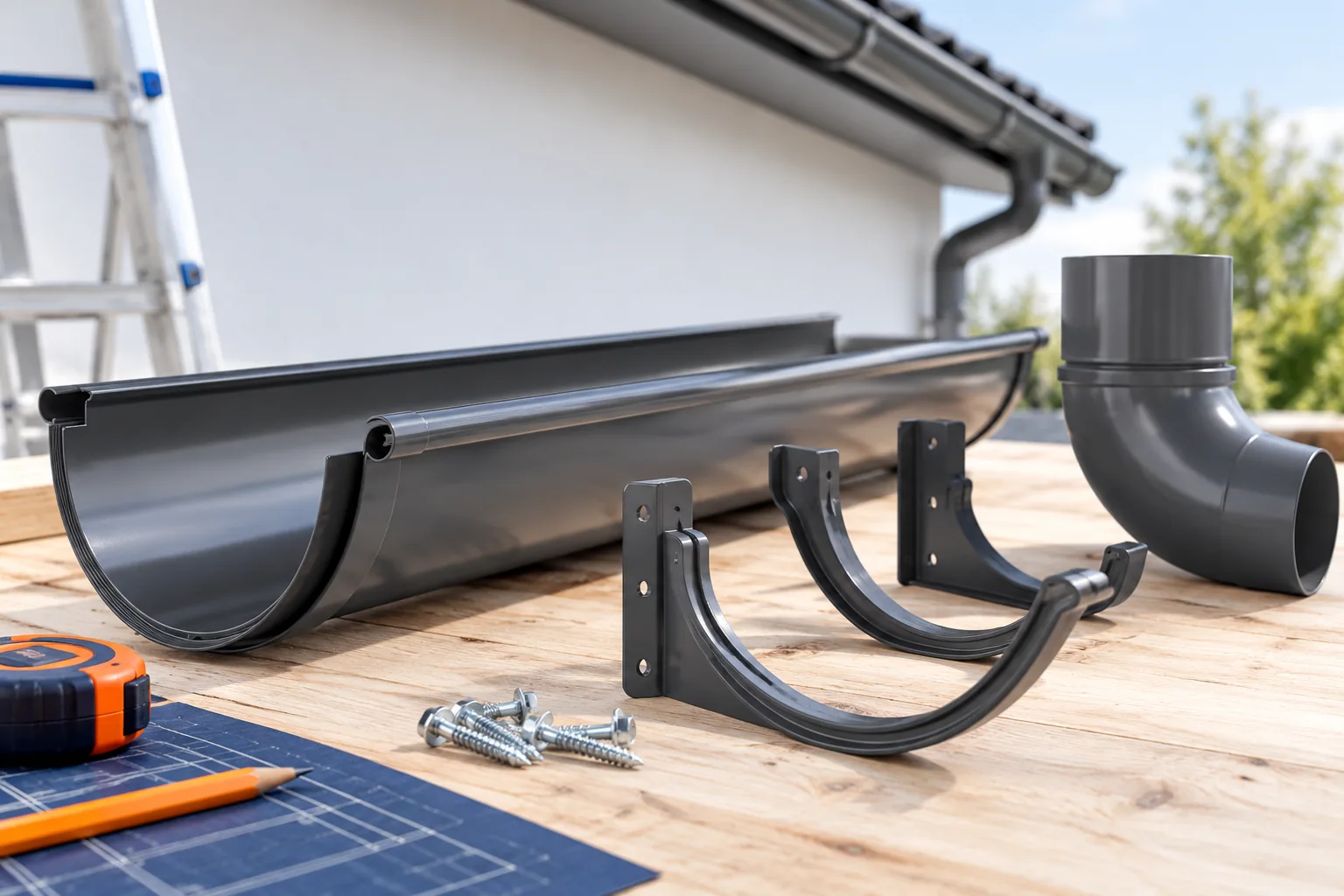
Gutter installation: planning falls, brackets and outlets
Installing gutters begins with dividing the roof into catchment areas and determining the outlets. Before choosing the cross-section, brackets and falls, establish whether the outlet will be at the end or in the middle of the gutter – this affects how the whole system performs. Also check the position of the downpipes relative to windows, entrances and rainwater discharge at ground level to avoid flooding the pavement. Bear in mind that one universal bracket spacing or fall does not suit every gutter; the specific system's guidelines and the condition of the substrate are key.
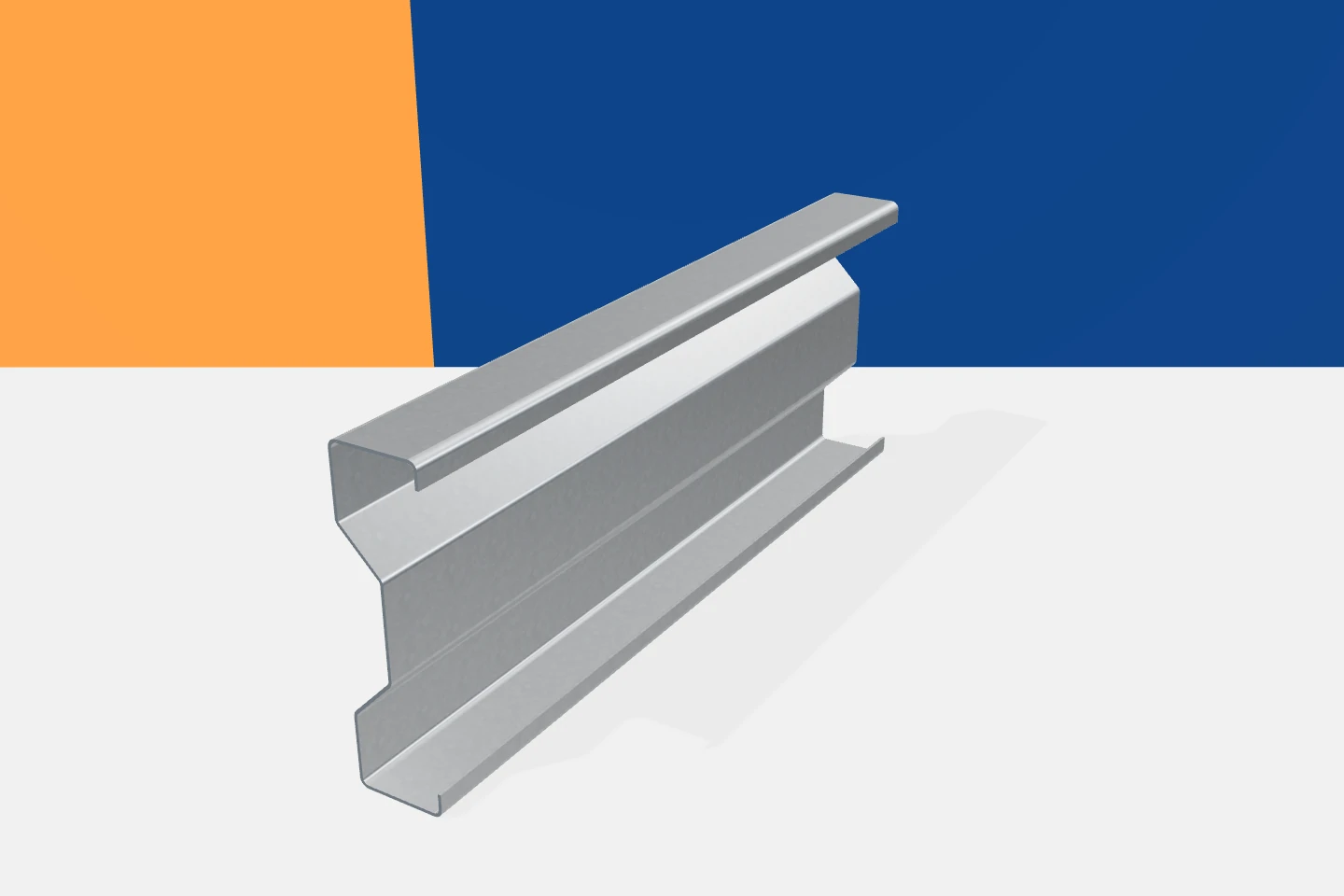
Cold-formed profile prices. How to compare quotes per metre and per kilogram?
Two quotes for profiles can look similar even though they cover a different scope. One gives the price per metre of a finished length, the other the cost of material by weight. On top of that come holes, cutting, packaging and delivery. Choosing the lower number alone therefore does not guarantee savings. It is worth starting the comparison by establishing whether both suppliers have priced the same product and the same degree of preparation. The cross-section should have unambiguous dimensions and thickness. The steel grade, coating and lengths must be specified. A Z-profile with a different flange width is not the same product just because it has the same height. Likewise, channels, sigmas and omegas require a full description of the geometry.
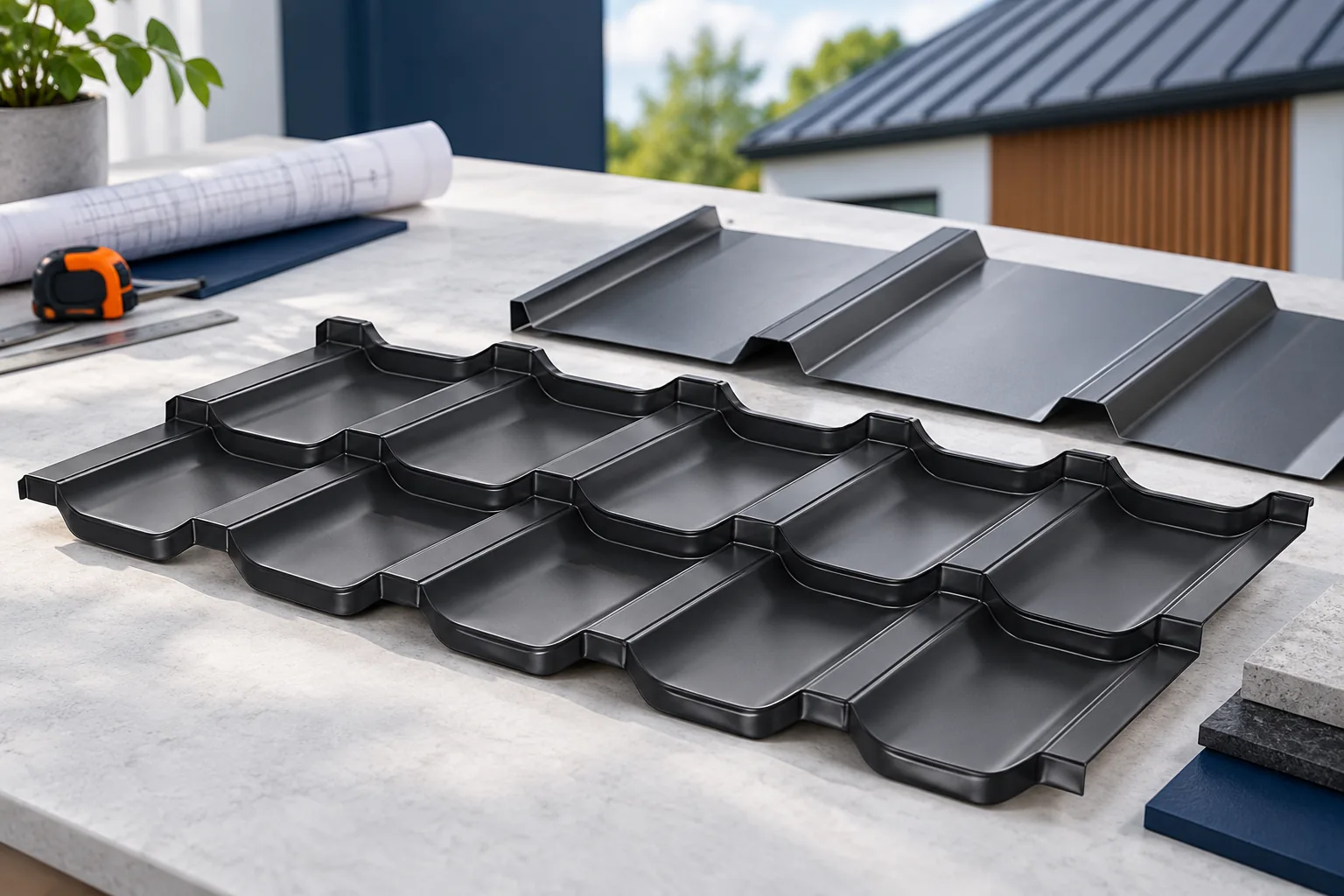
Types of roof covering and how to compare them
First compare roof coverings by function and conditions of use, not by product name alone. Check the roof pitch, the type of structure, the internal temperature and the budget for the whole system, because these factors narrow the choice more than appearance does. In a layered roof, the load-bearing substrate, insulation and waterproofing are selected separately. In product data sheets, look for the required slope and the rules for making connections; profile height does not describe the full load capacity, which also depends on steel thickness, geometry, support and fixing. Such a division organises the offer before discussing a specific solution.