About PiVi

This author has not yet filled in any details.
So far PiVi has created 1503 blog entries.

What is a glass-fibre facing in a sandwich panel?

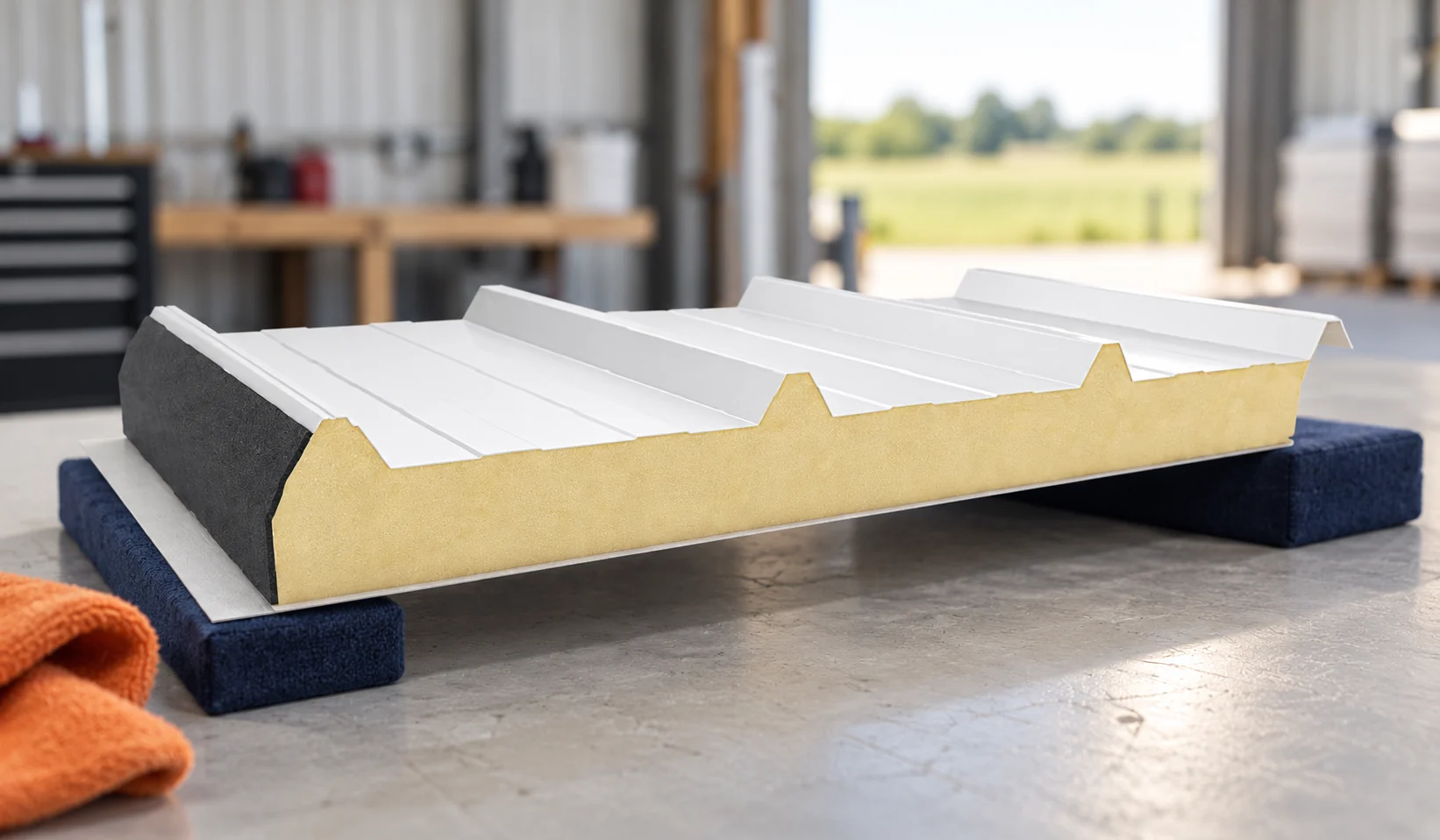
In a sandwich panel, glass fibre can reinforce the inner resin facing. This does not mean a mineral wool core or a translucent rooflight. Such a panel is sometimes used in roofs of agricultural buildings. When selecting, the chemical conditions, cleaning, load-bearing capacity and the method of protecting the joints must be checked. An example solution has a profiled steel facing on the outside, a PUR or PIR core and a composite facing on the inside. The composite consists of polyester resin reinforced with glass fibre. Each of these parts has a different function and its own properties.
By |2026-11-14T09:33:56+01:002023-08-09|Technology and applications|Comments Off on What is a glass-fibre facing in a sandwich panel?

What steel thickness should you choose for trapezoidal sheet on a specific roof?

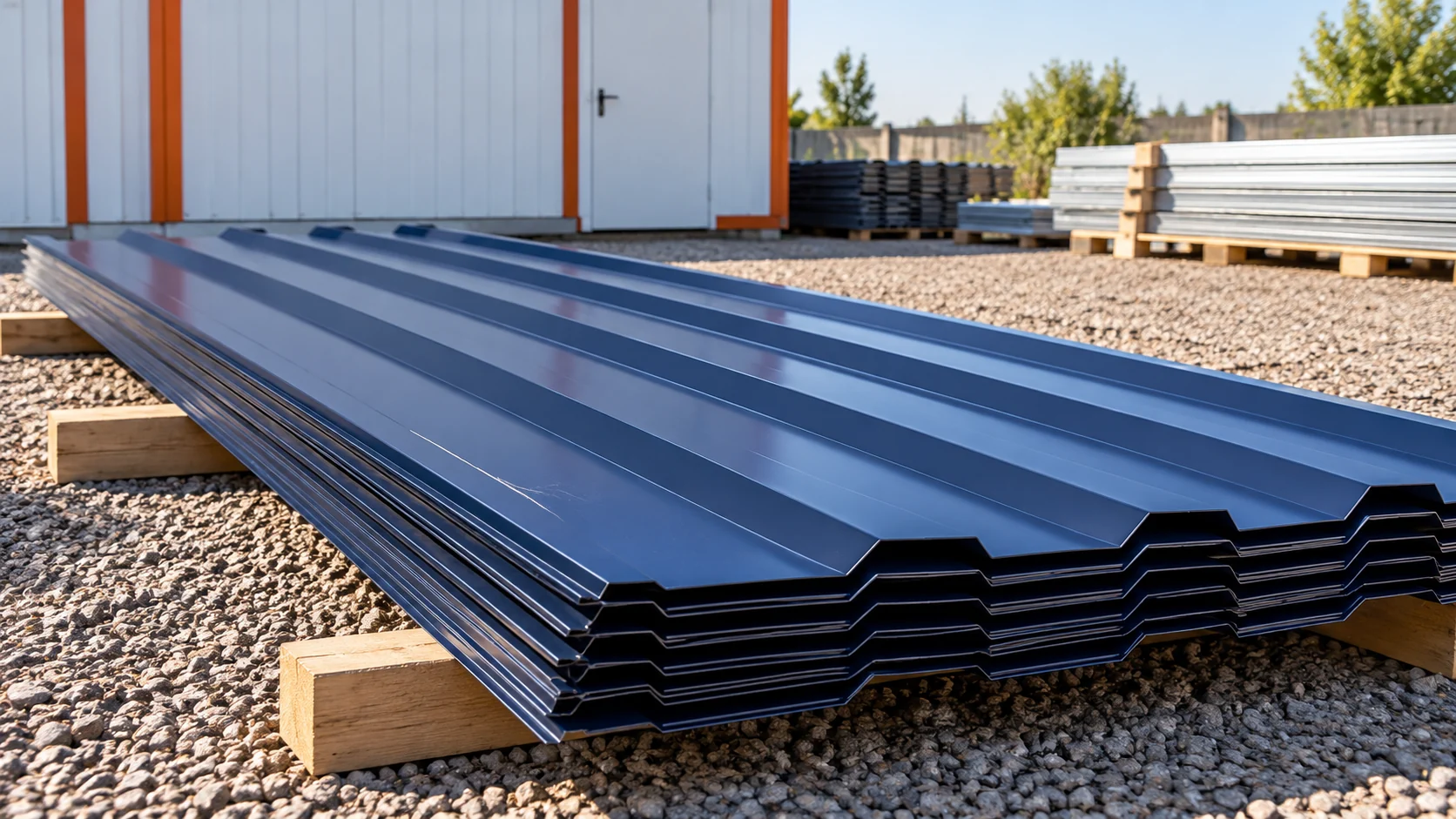
Sheet thickness must be selected together with the profile, support spacing and roof load. There is no single figure suitable for all roof slopes. Also, a higher trapezoidal profile does not give unlimited freedom. For comparison, the data for the specific section and the thickness of the steel substrate are needed, distinguished from the complete coating system. Establish how thickness is stated in the product specification. The steel substrate and protective layers are not the same thing. Comparing a total measurement with a value relating to the steel can lead to error. A clear description of the variant and its tolerances is needed.

By |2026-11-14T12:00:33+01:002023-07-30|Technology and applications|Comments Off on What steel thickness should you choose for trapezoidal sheet on a specific roof?

Thin PIR insulation in renovation: calculating its actual benefit

In an old building, the parameters of the layers that are left in place are not always known. When adding PIR boards, the data for the new product must be kept separate from the assumptions about the existing building component. A low lambda value helps to reduce the thickness required. It does not, however, replace a survey of the condition of the substrate and the old insulation. Pay attention to the decimal notation. The value 0.022 is ten times smaller than 0.22. An error of one zero completely changes the result of the calculation. The unit and the inequality sign also matter. Data copied from a shop description should be checked against the product data sheet and declaration. The value from the data sheet of a new board is relatively easy to verify.

By |2026-11-16T00:09:34+01:002023-07-23|Technology and applications|Comments Off on Thin PIR insulation in renovation: calculating its actual benefit

How do you convert the price per 1 m² of trapezoidal steel sheet into the actual cost of the roof covering?

The price per 1 m² of trapezoidal steel sheet may refer to different bases of calculation. A cheaper rate for the total area does not necessarily mean cheaper covering. The profile, steel thickness and coating also matter. To assess the cost, you need to combine the sheet description with the layout of your own roof slope. Only then is it worth comparing discounts. The total area results from the full width of the sheet. The effective area describes the covering after the intended side lap. Both methods may appear in quotes, so the unit must be clear. You should not compare the figures alone before checking this note.

By |2026-11-14T12:00:48+01:002023-07-21|Technology and applications|Comments Off on How do you convert the price per 1 m² of trapezoidal steel sheet into the actual cost of the roof covering?

PIR or XPS for a flat roof: how to decide based on the layer build-up?

On a flat roof, the layer build-up is chosen first, and only then the insulation. PIR placed beneath the waterproof covering performs differently from XPS in an inverted roof. Moisture, load and the method of fixing all matter. A lower lambda alone does not confirm that the material is suitable as a substitute in an existing solution. In a classic roof, the insulation sits beneath the waterproof layer. In an inverted roof, the thermal insulation lies above the waterproofing. That is the fundamental difference in service conditions. A material in the upper position must be suitable for contact with water and for the intended method of draining precipitation.

By |2026-11-14T09:33:52+01:002023-07-20|Technology and applications|Comments Off on PIR or XPS for a flat roof: how to decide based on the layer build-up?

PIR when replacing the roof covering: insulating without losing loft space

Replacing the roof covering is an opportunity to insulate the roof slopes from the outside. PIR boards above the rafters can limit intervention in finished rooms. Before starting, the condition of the timber, the heights of the layers and the way the new roof connects to the existing façade must be checked. PIR boards laid above the rafters form a layer that also covers the wooden structural elements. This makes it possible to reduce their contribution to heat flow through the roof. The exposed structure allows areas previously inaccessible to be assessed. The new insulation should be placed on a prepared assembly with a confirmed technical condition. After removing the covering, the timber and the locations of earlier leaks should be inspected. The new layer should not conceal sections requiring structural repair.

By |2026-11-16T00:09:50+01:002023-07-17|Technology and applications|Comments Off on PIR when replacing the roof covering: insulating without losing loft space

Timber roof structures: components and construction principles

The roof structure transfers the weight of the covering, snow and wind action onto the walls and supports of the building. It is formed by interacting elements, not by the rafters alone. The choice of roof truss depends on the span, the room layout and the design. Before installing the metal sheeting, the geometry of the structure, the connections and the substrate under the covering must also be checked. Each element must correspond to its function within this system. The covering transfers loads onto the battens or purlins, and these onto the subsequent load-bearing elements. In a timber roof truss, part of this work is carried out by the rafters. The forces then pass to the wall plates, purlins, posts and walls, depending on the system. The continuity of this load path is important.

By |2026-11-14T15:39:39+01:002023-07-16|Technology and applications|Comments Off on Timber roof structures: components and construction principles

What is a roof valley and how can it be kept watertight?

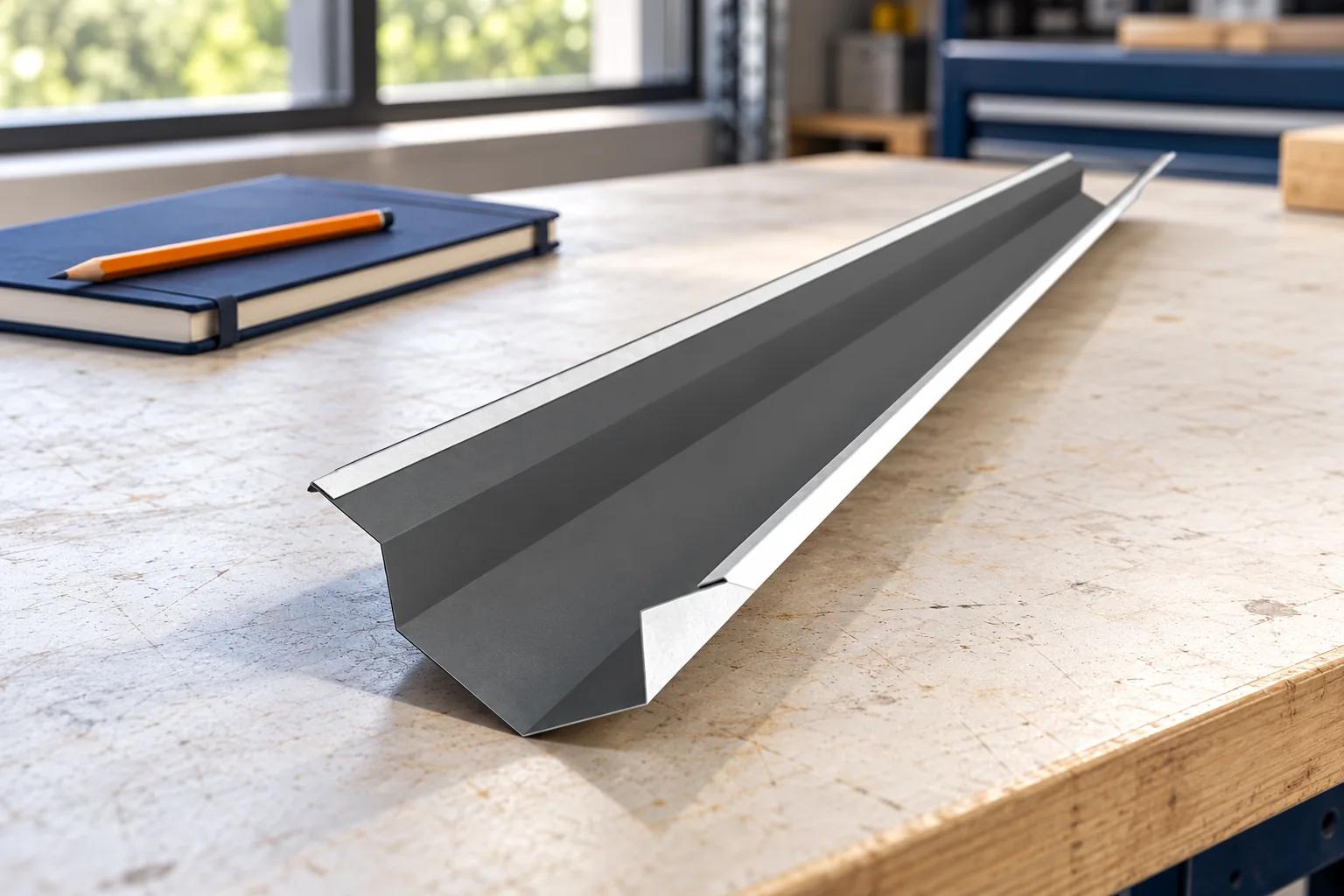
A roof valley is the concave junction of two roof slopes that collects water from both adjacent surfaces and must allow it to drain freely. When assessing the workmanship, it is worth checking not only the flashing itself but above all the clear flow of the channel and the distance of the sheet edge from its centre line. This distance determines the drainage cross-section and is often the source of problems. Watertightness depends on the shape of the flashing, its support and correct laps, not on the amount of sealant. Even the best sealant will not repair a badly formed detail.

By |2026-11-14T22:27:42+01:002023-07-15|Technology and applications|Comments Off on What is a roof valley and how can it be kept watertight?

When is second-quality trapezoidal steel sheet worth buying?

Second-grade trapezoidal steel sheet can lower the cost of a small covering if it has identified defects and matches in dimensions. When buying, also inspect the edges, the underside and the overlap areas. What matters most is the cost of the sheets you will actually use. A discounted batch in random lengths will not always work out cheaper. A slight difference in shade means something different from a broken coating, a deep bend or a deformed edge. Ask for the reason for the markdown. Examine the sheet in light falling along the profile. This angle helps to spot waviness and dents. Also check the surface of the underside, especially if it will be visible inside.

By |2026-11-14T15:39:20+01:002023-07-11|Technology and applications|Comments Off on When is second-quality trapezoidal steel sheet worth buying?

How to reduce the risk of roof leaks

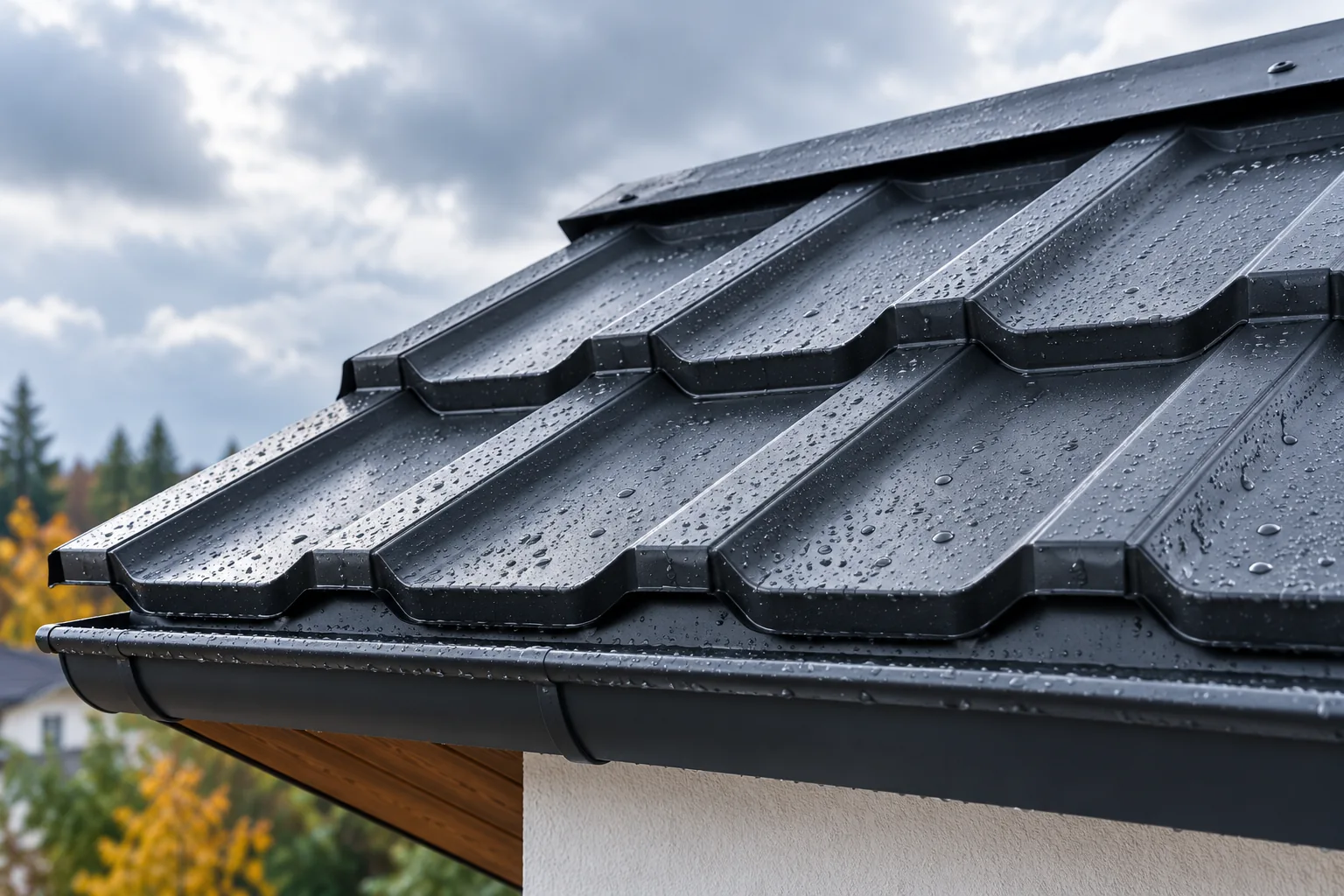
Limiting the risk of leaks depends above all on the pitch chosen for the specific roofing material, not on the thickness of the sheet metal alone. Check whether the slope on the actual structure meets the product's requirements, especially where the length of joints or the presence of openings changes the conditions of use. Plan the laps, supports and details at the chimney, valley or window before ordering. Remember that in roof panels a continuous panel differs from a system with a transverse lap. Inspect the installation in stages, before the layers are covered.

By |2026-11-14T18:56:13+01:002023-07-08|Technology and applications|Comments Off on How to reduce the risk of roof leaks
Back to top