Replacing a roof covering: how to plan the work safely

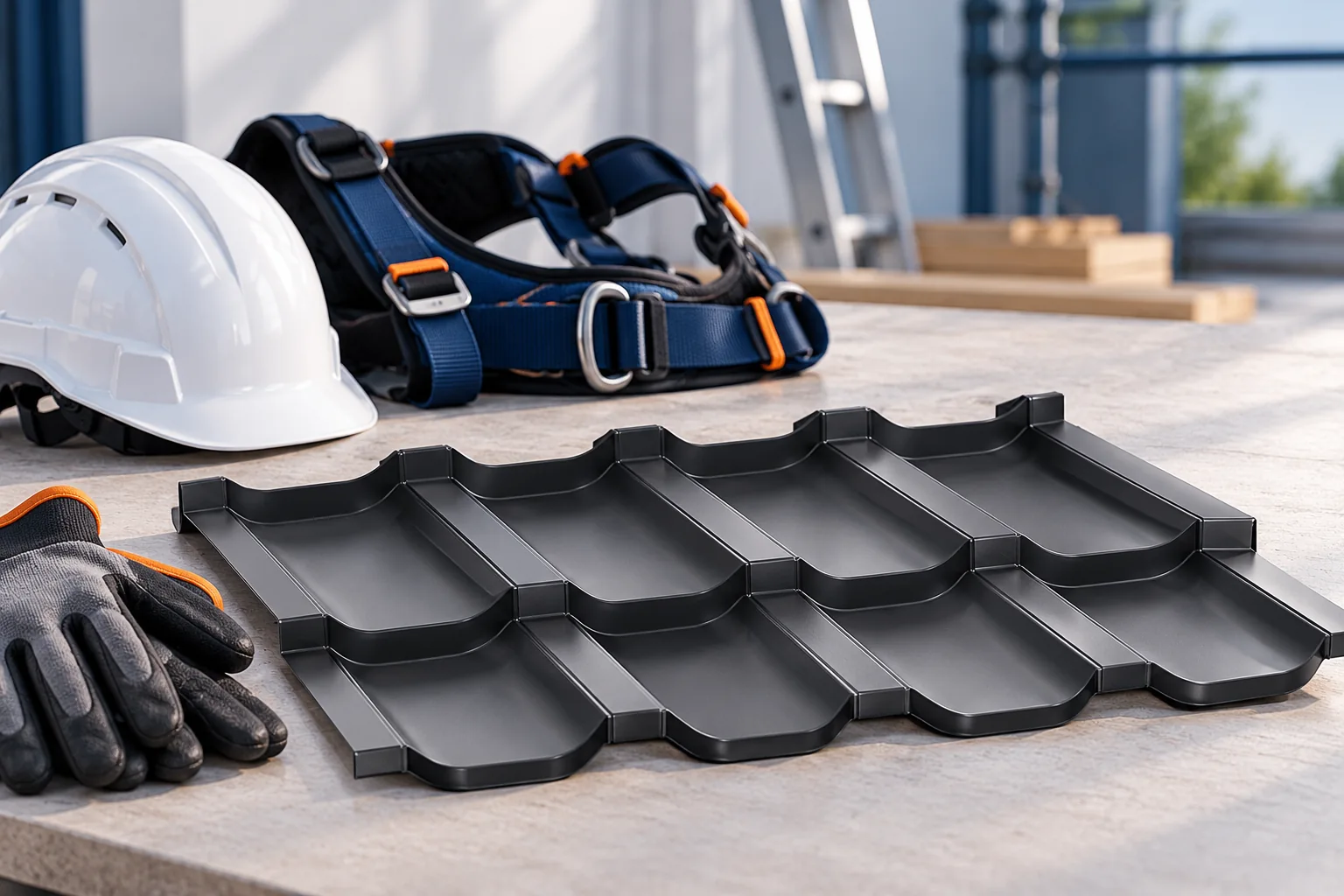
The key is an early decision on the scope of inspection and repairs, not the replacement date itself. Before removing the covering, assess the condition of the structure, accessible roof truss sections, flashings and supports, and check for damp, wood damage and visible deformation. Establish whether old sheets contain asbestos, and prepare a plan for roof access, fall protection and material transport. Lighter new sheeting does not remove the problem of weakened support, so determine the repair scope before ordering material. Final design decisions remain with the designer.
By |2026-11-14T18:54:12+01:002026-09-23|Technology and applications|Comments Off on Replacing a roof covering: how to plan the work safely

Five reasons to consider steel window sills

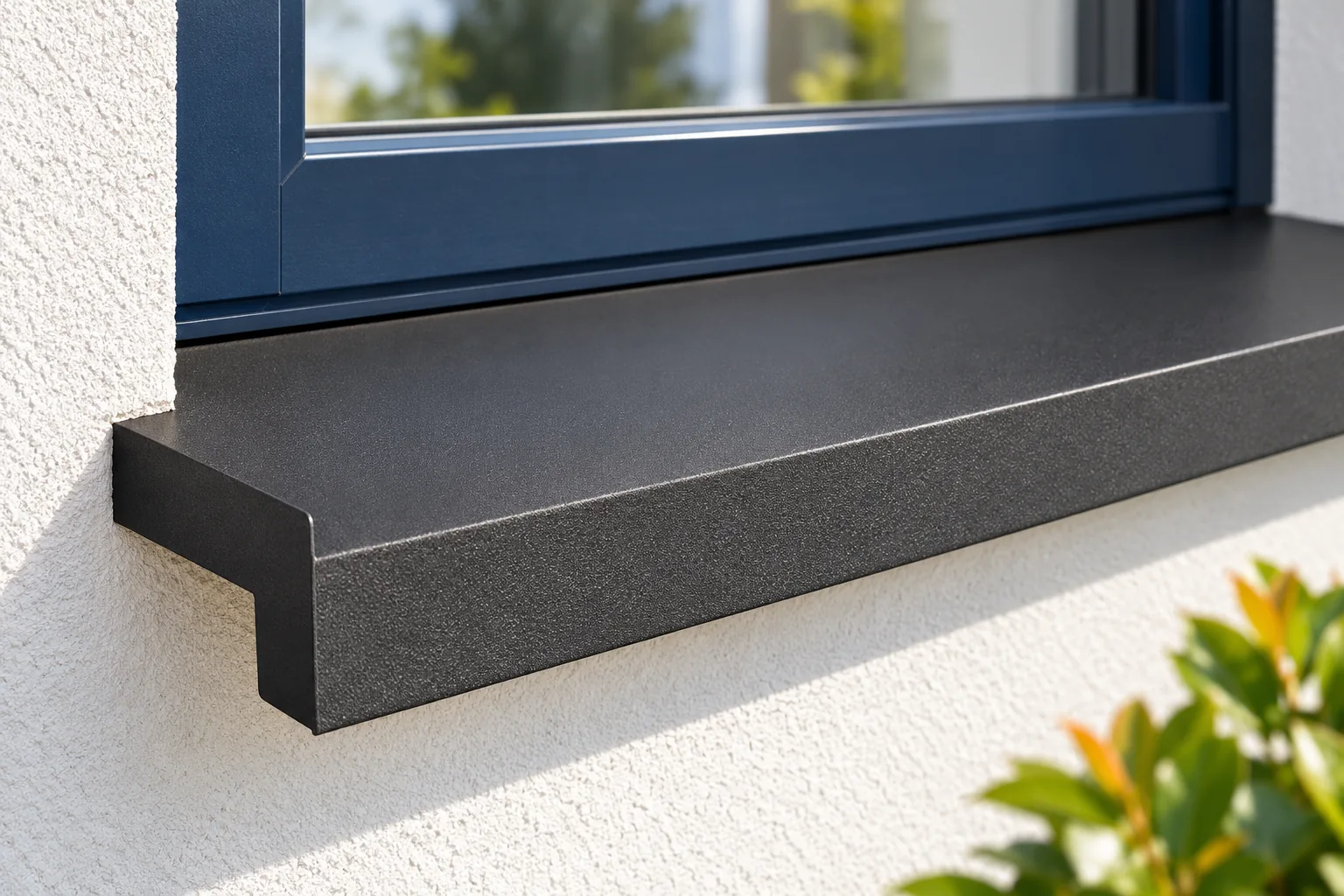
A steel window sill is worth considering above all when a lightweight trim tailored to a specific opening and façade thickness matters. The key decision, however, is not the colour or coating itself but the measurement of the finished layer build-up — including the recess under the frame, side terminations, clearances and the outward fall. Check whether support and the division of long sections have been planned, and whether the transport film will remain on the surface too long. Only then assess the aesthetic qualities and ease of cleaning.

By |2026-11-14T18:54:52+01:002026-09-05|Technology and applications|Comments Off on Five reasons to consider steel window sills

What is chimney flashing and how does it shed water?

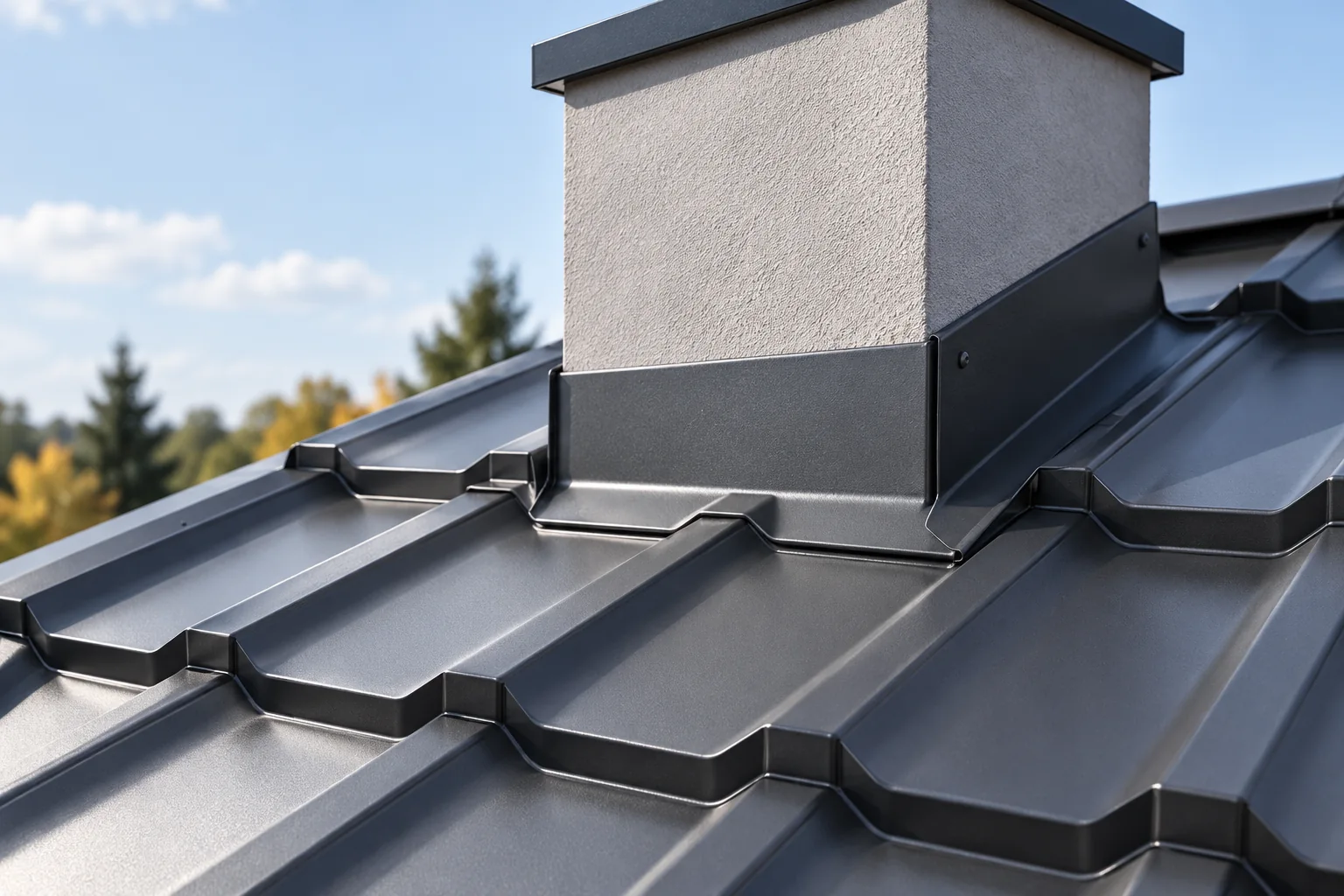
Chimney flashing is designed to intercept water running down the roof slope and guide it safely around the chimney before discharging it onto the covering. Before installation, establish not only the chimney dimensions and roof pitch but also the condition of its finish and the roof area above the obstruction – these determine the shape of the detail. Check that water has a clear path along the sides and that no section forms a pocket trapping debris. Sealant alone at the top edge will not replace correct geometry.

By |2026-11-14T22:27:04+01:002026-08-30|Technology and applications|Comments Off on What is chimney flashing and how does it shed water?

How long can tile-effect steel roofing last?

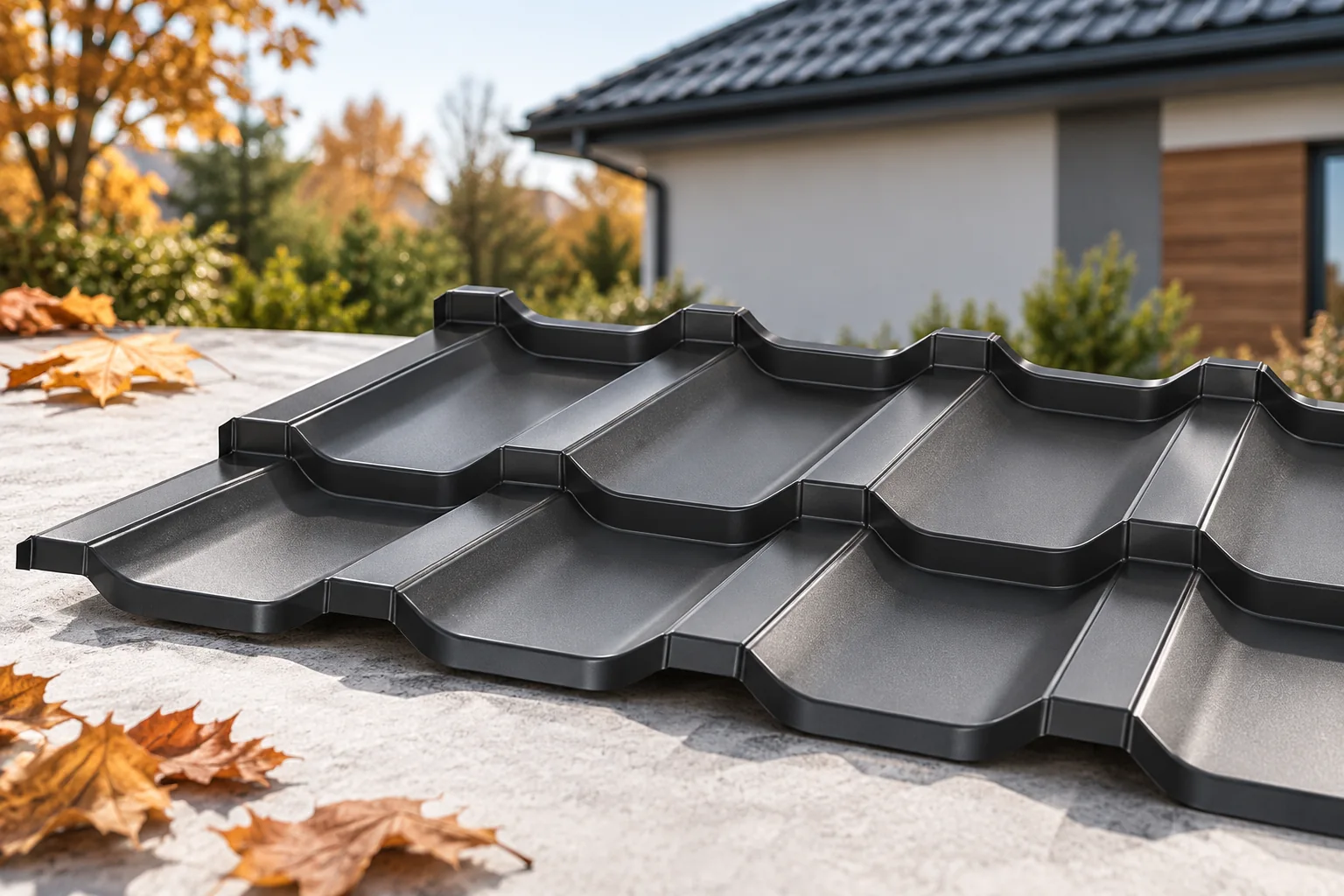
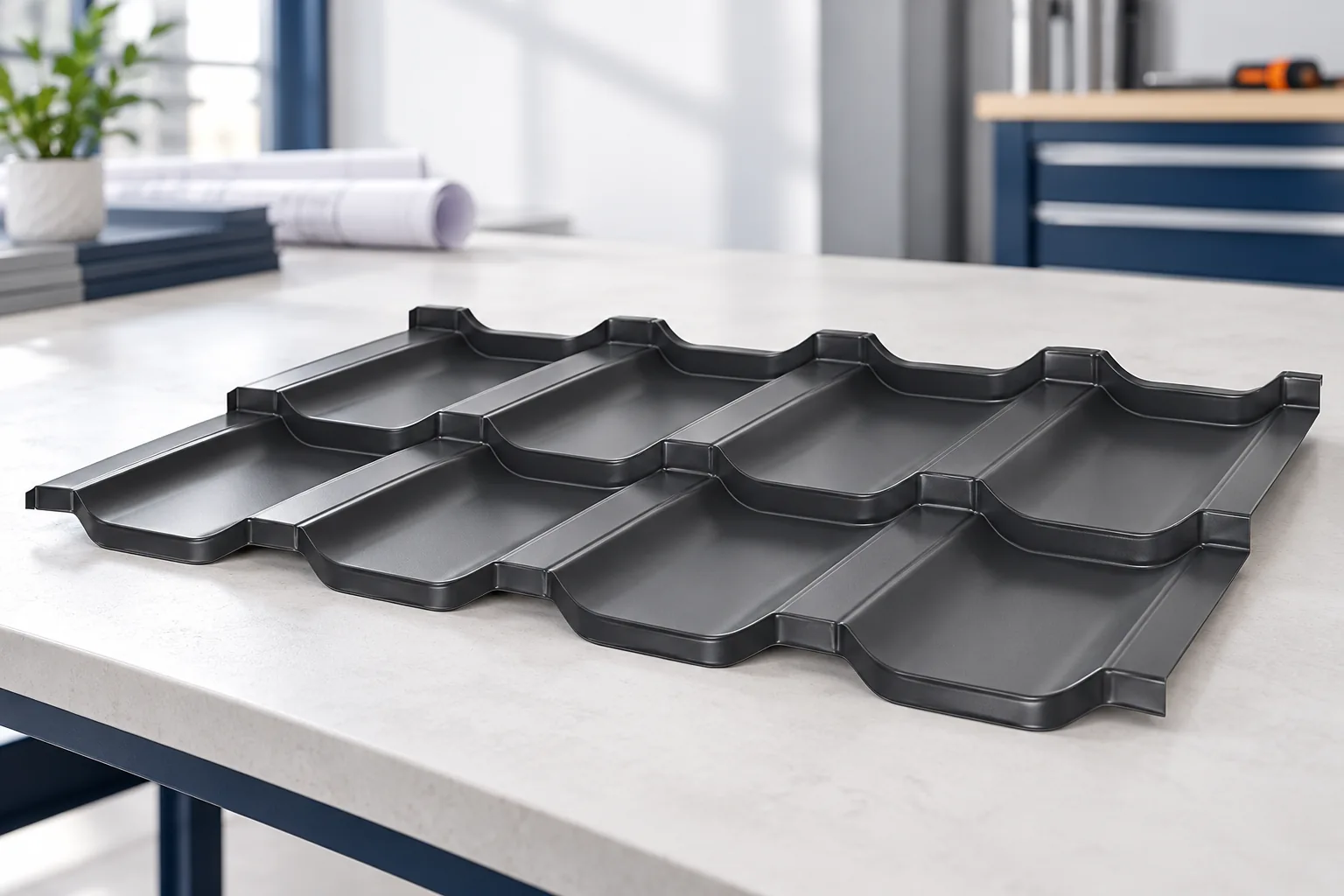
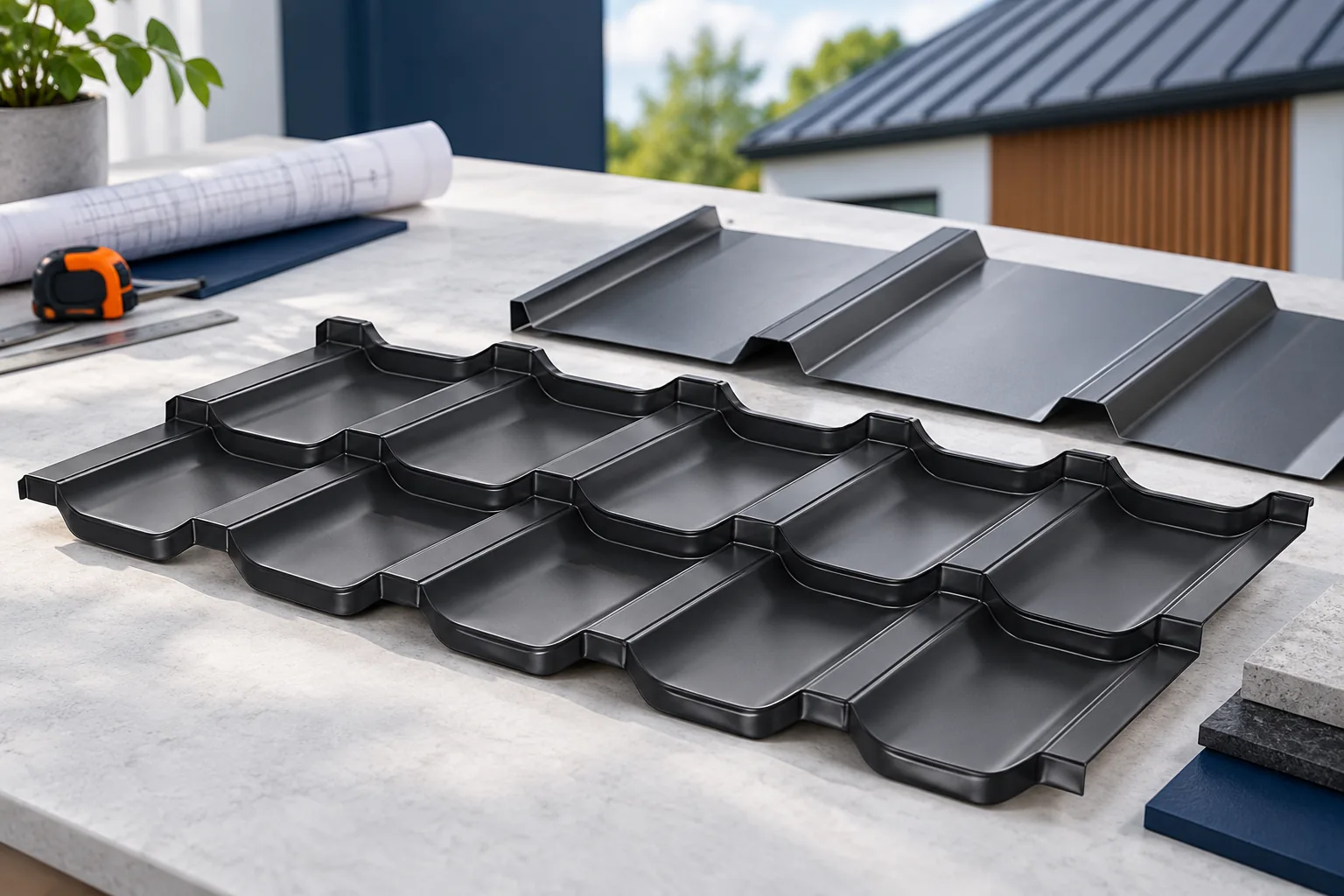
The service life of tile-effect metal roofing cannot be pinned down with a single figure that applies to every roof. What matters is the steel, the anti-corrosion protection, the coating, the home's surroundings and the quality of installation. The warranty is also not the date on which the covering is due to be replaced. A well-chosen material requires inspections and minor repairs. The owner has the greatest influence on removing dirt, checking water drainage and reacting quickly to damage. Two sheets in the same colour may have different surface protection. They differ in the type of coating, its thickness and the permissible environment of use. Colour does not describe these features. The term "matt sheet" likewise says mainly something about appearance. Resistance to service conditions is demonstrated by the data for the specific variant and the conditions of its use.

By |2026-11-14T15:40:54+01:002026-08-28|Technology and applications|Comments Off on How long can tile-effect steel roofing last?

When is a lightweight roof covering worth considering?

A lightweight sheet metal roof covering can make renovation easier and reduce the weight of the outer roof layer. However, it does not mean that the assessment of the structure can be dispensed with. All layers, snow, wind and additional equipment must be taken into account. Low weight also brings benefits in transport, but long sheets still require careful handling. The choice should be based on the entire roof system, not just the kilograms of a single material. The weight depends on the steel thickness, profile and coating. For an example of tile-effect metal roofing cut to size, the data sheet gives approximately 4.7 kg/m². This is the value for a specific product, not for every roof sheet. A high structural sheet or thicker trapezoidal steel sheet may have a different weight.

By |2026-11-14T15:41:50+01:002026-08-25|Technology and applications|Comments Off on When is a lightweight roof covering worth considering?

Specifying snow guards for a sheet metal roof

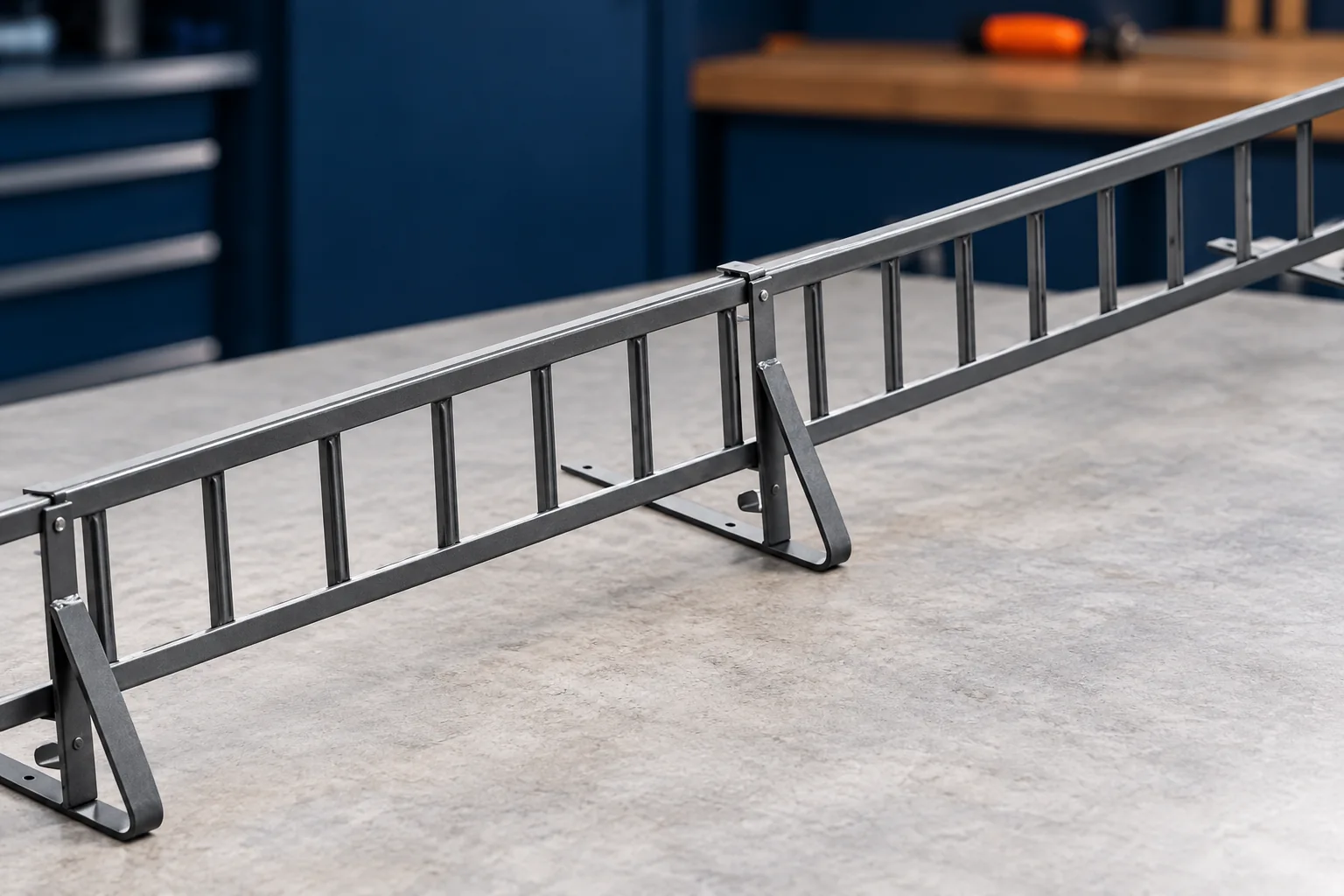
The choice of snow guards depends above all on where snow is to be held back, not on the appearance of the lower roof edge alone. Check the roof pitch and slope length, the covering type and the places where lying snow could slide onto a path, terrace or driveway. The load-bearing capacity of the substrate and the way forces are transferred through the brackets also matter. A barrier at the gutter alone will not replace a considered layout, and retained snow still loads the roof.

By |2026-11-15T02:35:12+01:002026-07-30|Technology and applications|Comments Off on Specifying snow guards for a sheet metal roof

When will felt-backed steel sheet reduce dripping and what does it need to work?

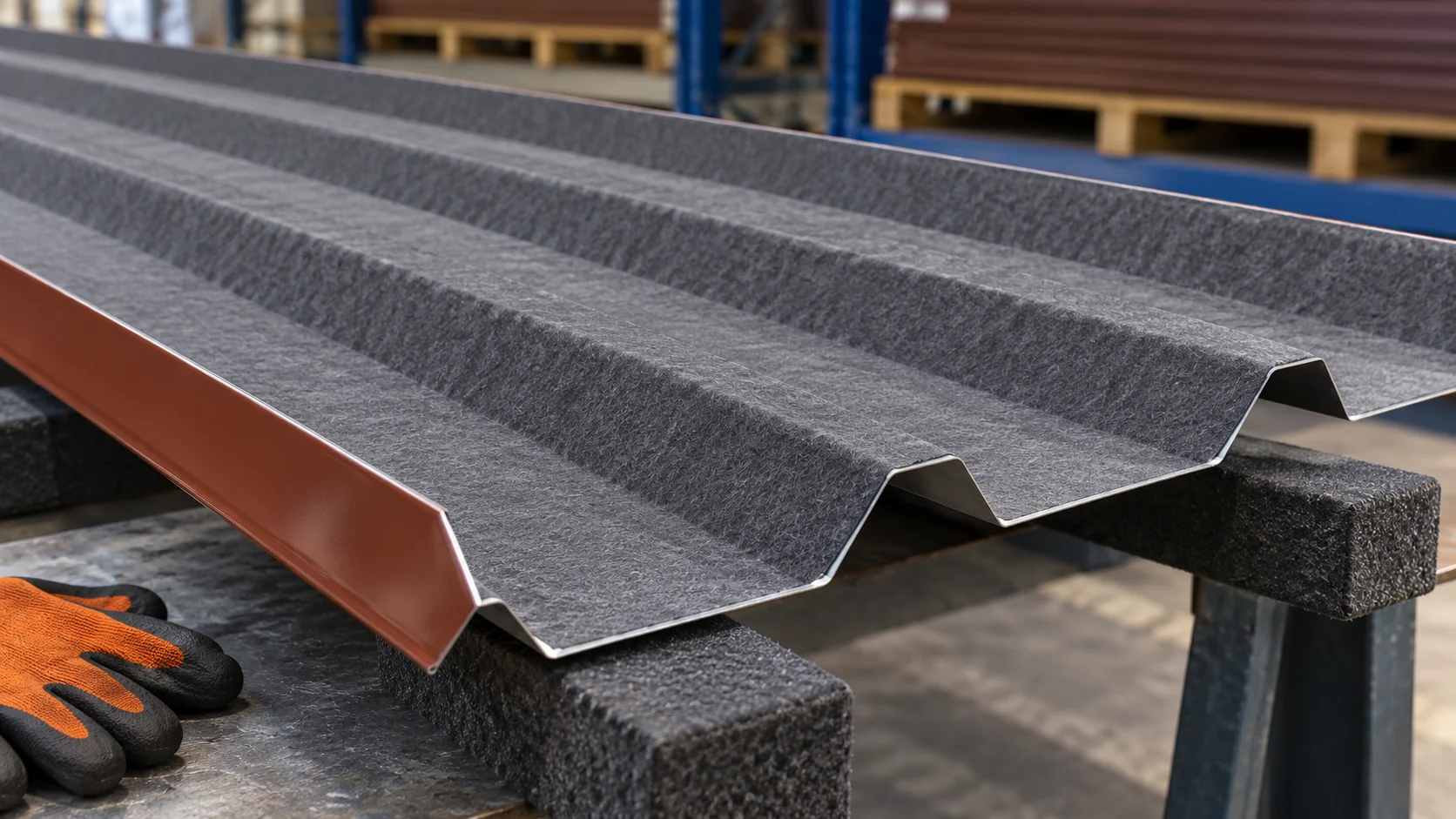
Felt under steel sheet can temporarily retain some condensate. This means less water drips into the interior. However, it must dry out afterwards, so it needs adequate air exchange. It is neither insulation nor a repair for a leaky roof. Its usefulness is best assessed together with ventilation and how the building is used. Water vapour can condense on the cool surface of the covering. It does not have to have rained beforehand. After a cold night, the steel sheet may be cooler than the indoor air. If condensation conditions are met, droplets appear on the underside. This is a different phenomenon from a leak through a joint.

By |2026-11-14T12:00:30+01:002026-07-11|Technology and applications|Comments Off on When will felt-backed steel sheet reduce dripping and what does it need to work?

Types of roof covering and how to compare them

First compare roof coverings by function and conditions of use, not by product name alone. Check the roof pitch, the type of structure, the internal temperature and the budget for the whole system, because these factors narrow the choice more than appearance does. In a layered roof, the load-bearing substrate, insulation and waterproofing are selected separately. In product data sheets, look for the required slope and the rules for making connections; profile height does not describe the full load capacity, which also depends on steel thickness, geometry, support and fixing. Such a division organises the offer before discussing a specific solution.

By |2026-11-14T18:54:55+01:002026-06-30|Technology and applications|Comments Off on Types of roof covering and how to compare them

What to consider when fitting square gutters to a metal roof

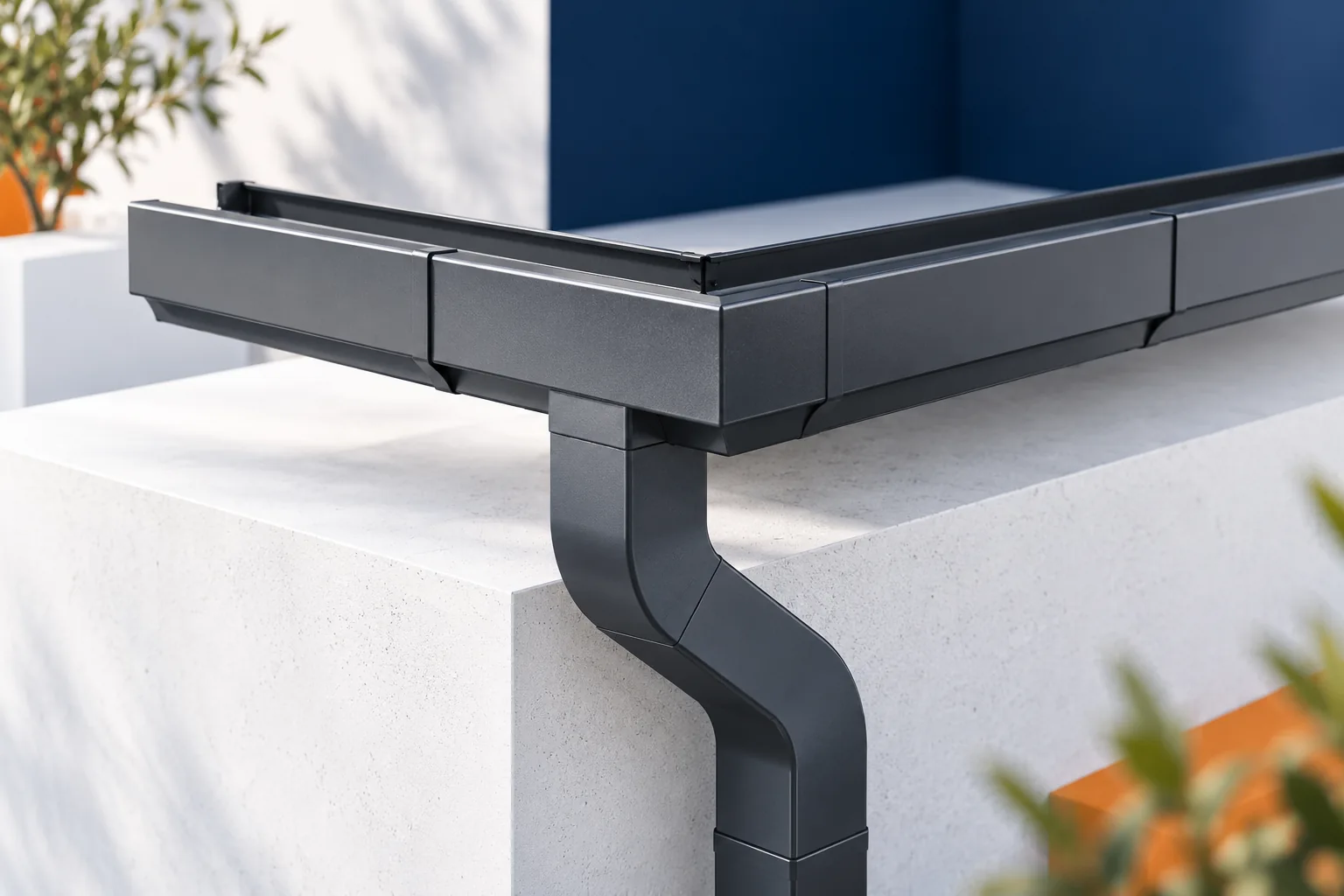
Square gutters create a clear eaves line and can work well with a metal roof. However, choosing them is not just a matter of shape. The cross-section, outlets, and the method of joining and fixing all need to be checked. A square gutter can be left visible or concealed behind a fascia cover. Each system has its own details. Installation rules for a round system should not be carried over on the basis of a similar size alone. Above all, it is about a defined appearance at the eaves. A flat front face can emphasise the horizontal line of the roof and echo the rectangular layout of the windows. It suits both tile-effect metal roofing and trapezoidal steel sheet, provided the overall design is well thought out. The shape alone, however, does not automatically mean greater capacity than any half-round gutter.

By |2026-11-14T15:41:33+01:002026-06-20|Technology and applications|Comments Off on What to consider when fitting square gutters to a metal roof

T18 or T35: comparing trapezoidal profiles for your roof

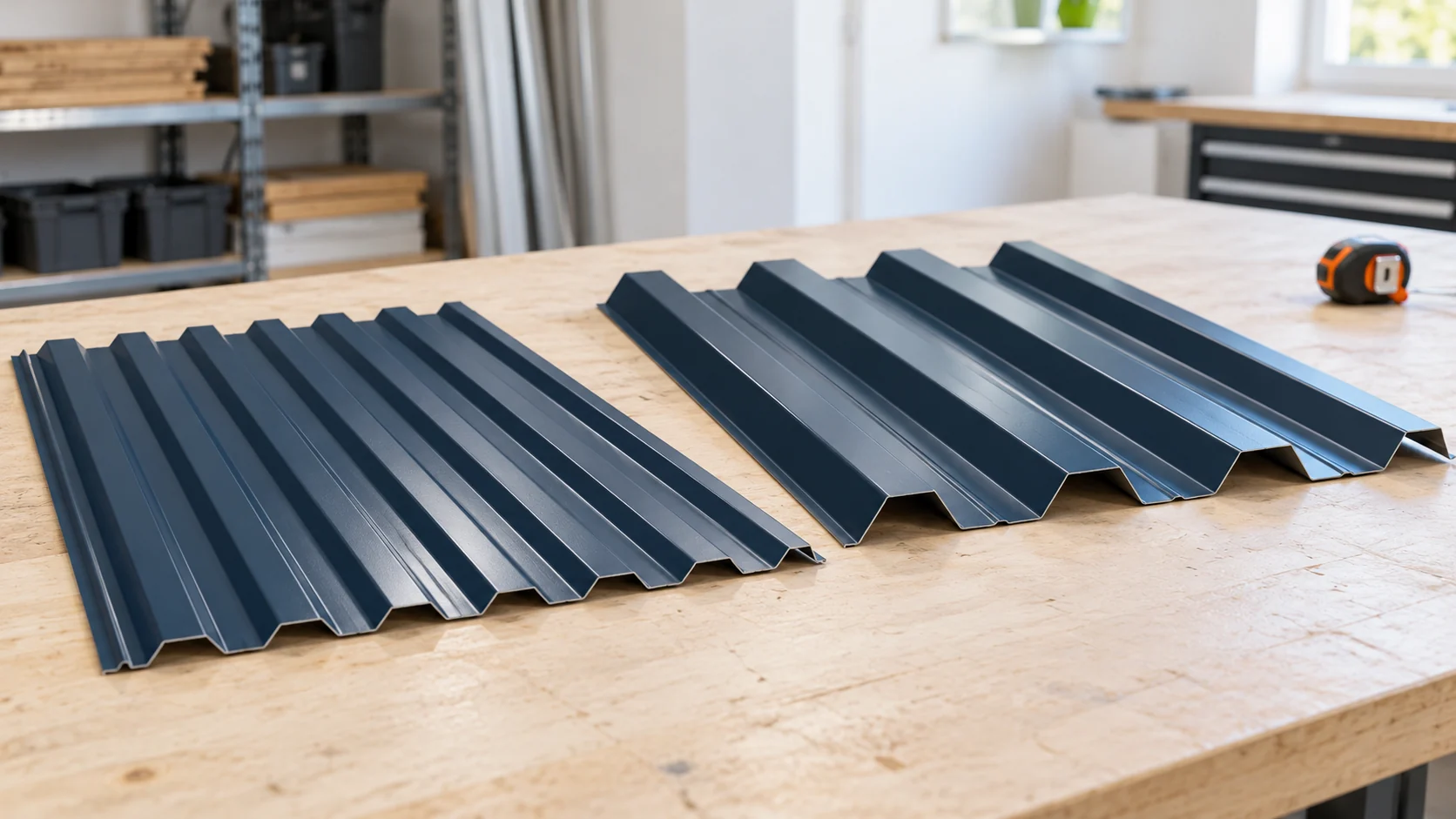
T18 and T35 differ primarily in profile height, but the choice does not end with this number. You need to check the steel thickness, coverage width, support arrangement and roof requirements. A taller profile can change the stiffness and the appearance of the covering. However, it does not by itself answer which sheet will be right for your building. In the profiles under consideration, T18 has a height of 18 mm and T35 — 35 mm. Also look at the width of the valleys, flat crests and rib spacing. These dimensions are not described by the abbreviated name alone. Different commercial families may have different sheet widths and shapes of side laps.

By |2026-11-14T15:39:25+01:002026-06-05|Technology and applications|Comments Off on T18 or T35: comparing trapezoidal profiles for your roof
Back to top